Designing residential projects has become nothing short of a challenge. Whether it being for the housing crisis and its repercussions, the heightened environmental awareness, or the fact that people are spending more time inside their dwellings, architects are now focused on building projects that look beyond the typical house and that provide answers to questions like: how can architects offer residents privacy and comfort while maintaining a connection with the outdoors? And how can these spaces cater to the spatial and functional needs of all family members, especially when the lines between work, play, and rest are blurred?
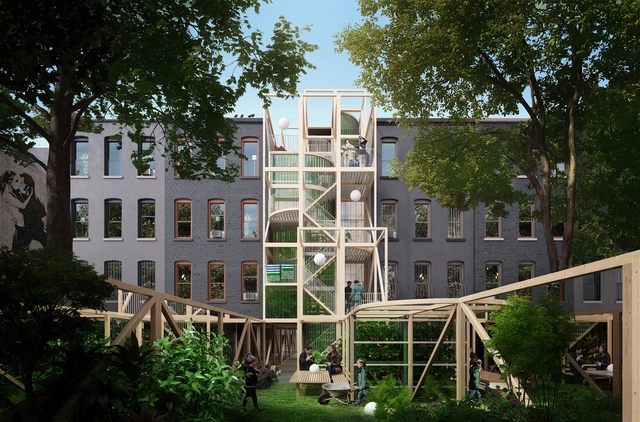
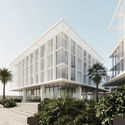
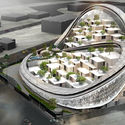
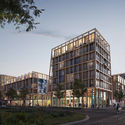
From a Matrix-inspired housing compound in Saudi Arabia to the world's first steel 3D printed structure of modular houses in Sardinia, this round up of unbuilt apartments showcases how architects have reimagined the traditional residential typology, and looked into how these structures can cater to their users, the site, and the environment. This round up also includes projects from the Netherlands, Siberia, Sweden, and Italy.
It is easy to show cool images of adaptive reuse. The contrast of living history and control over it makes for dynamic visuals. But there is a deeper meaning to adaptive reuse. Architecture embodies humanity and humanity changes, so our buildings change.
VELUX Group's Director of Sustainable Buildings Lone Feifer talks about the Build for Life Conference and the company's vision for a more sustainable future for the built environment.
The style and atmosphere of an interior literally rest on one product more than any other: the floor. When selecting the perfect flooring or carpet to suit a project, specifiers need to consider a range of questions for the room. Various colors, patterns, and styles are available across all materials, so requirements like coverage, traffic, maintenance, and durability —rather than aesthetic— really dictate the answer to which flooring type is right for your project.
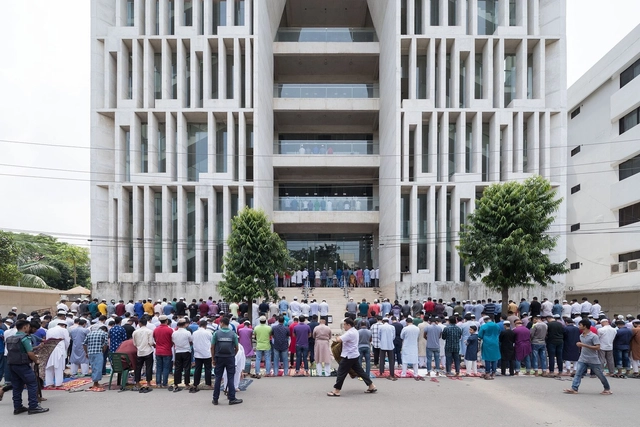
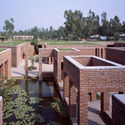
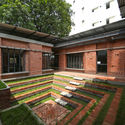
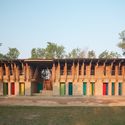
Bangladesh has built a new wave of cultural architecture over the last decade. Tied to design influences from across the Bengal region and the broader Indian subcontinent, the country's modern buildings stand alongside monuments dating back thousands of years. With an architecture rooted in religion, history and culture, contemporary projects build upon the past to imagine a new future for Bangladesh and its cities.
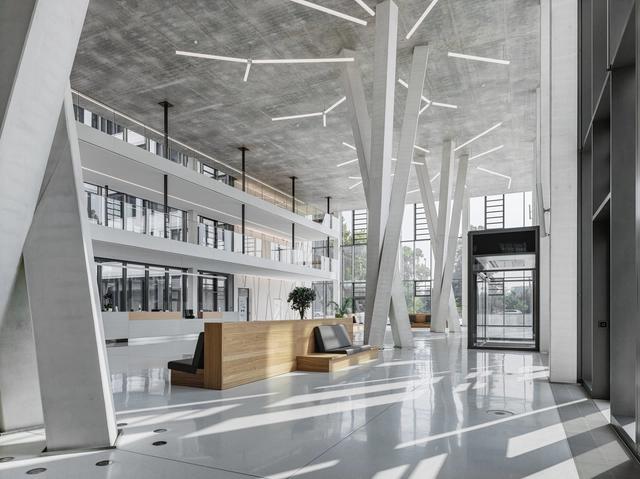
The new headquarters of the building materials manufacturer HeidelbergCement consists of three interconnected building sections of different heights. The atrium of each building section provides plenty of light and luminance. The building was opened in June 2020 and provides up to 1,000 employees with a state-of-the-art work environment. The architectural firm AS+P Albert Speer + Partner based in Frankfurt was responsible for the project as a general planner, and carried out the design in collaboration with W+Architektur, with the latter providing the consulting office for the client’s project manager.
PERI, one of the leading formwork and scaffolding manufacturers worldwide - and the building materials manufacturer HeidelbergCement - combined their architectural and concrete expertise for the execution of this project. In doing so, the existing limits of PERI’s concrete construction offerings were pushed. The architectural highlights of the project were successfully realized using special PERI formwork elements.
"Domingos Libro" is hosted by Carmelo of Enorme Studio. Every two weeks, the series takes a deep dive into forgotten architectural publications, books, and architecture magazines from the '60s, '70s, and '80s that harbor the most fascinating backstories.
In this latest episode, we explore the monograph on Japanese architect Arata Isozaki published by Rizzoli, and his obsession with Marilyn Monroe—an obsession that led him to replicate her body's geometry across several of his buildings.
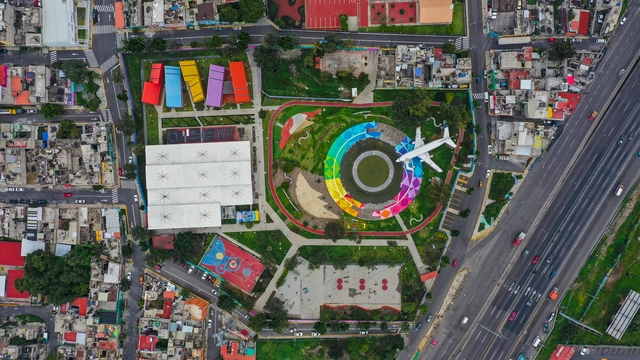
https://www.archdaily.com/1128008/utopias-iztapalapa-winning-project-in-the-action-for-housing-and-settlements-facing-covid-19-competitionArchDaily Team
We talk a lot about sound treatment for architecture but normally for new projects. In projects that are already built, either a rented apartment or small commercial space, we often have to deal with noises that we can't control, affecting our physical and mental health. In this article, we explore practical tips on how to manage and reduce these noises and improve the quality and atmosphere of these environments.
Courtesy of Adjaye Associates/The Peebles Corporation
A team competing to fill Site K, a vacant full-block plot of land directly across from the Jacob K. Javits Center in Manhattan between West 35th and West 36th Streets, has unveiled a scheme for a tower that, if built, would be Adjaye Associates’ tallest to date.
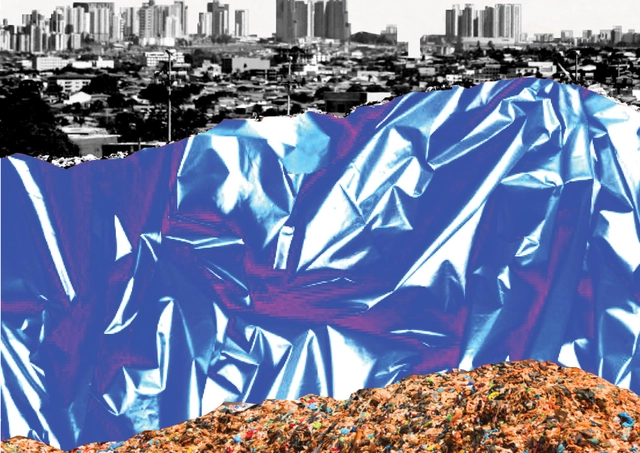
We have long been accustomed to environmental education campaigns—indeed, more recent generations have even had school lessons on the subject. The concept is simple and thoroughly drilled into our minds: Reduce, Reuse, and Recycle. Yet, for some reason, most people still fail to follow the straightforward recommendation of sorting the waste we discard daily: organics (which can be repurposed as compost), dry recyclables, and finally, refuse (non-recyclable waste) that inevitably ends up directly in landfills.
Driven by necessity, various building types have changed their use. Churches that are now libraries, abandoned warehouses turned into cultural centers—and while much has been written on the subject, from N. John Habraken's 1970s Open Building concept to Adamo Faiden's contemporary From Mixed-Use to Diff-Use, today we are experiencing, more than ever, a compelling global debate surrounding housing adaptability. Is it necessary to dedicate so much square footage to offices when, during the pandemic, we realized that a large portion of work can be done remotely? This was one of the central questions during the lockdowns of recent years.
Undoubtedly, buildings are on the radar for what we can do with them in the near future—especially as the climate crisis enters the equation. "The greenest building is the one that is already built," says Carl Elefante. Adaptive reuse and adaptability will surely be the defining terms on the lips of architecture professionals worldwide. Thus, it is time to reflect further on how design can address this challenge.
Placas de Yeso Cartón Gyplac. Image Cortesía de Etex Chile
Inadequate living conditions in a building trigger discomfort and even physical pathologies in humans. Scientific experiments have shown that a lack of concentration and even everyday accidents are influenced by both high and low indoor temperatures. And while thermal sensitivity varies from person to person—depending on their clothing, gender, habits, and age—the basic principles behind thermal comfort are universal. Thermal comfort is primarily determined by air temperature and humidity. In this regard, the human body seeks to maintain a near-constant core temperature of 37°C, continuously exchanging heat with the environment.
When a portion of the street is dedicated to parking, a decision is made to privatize one of the city's most valuable assets. From bike lanes and dedicated bus corridors to wider sidewalks, parklets, or even mixed-traffic lanes, the range of uses more beneficial to the public is vast. Now more than ever, we must rethink mobility for the sake of more prosperous and inclusive cities. Charging for metered parking is an excellent place to start.
Public transit, cycling, and walking are the most sustainable options for urban mobility. Yet, while bus systems languish amid a lack of funding and falling ridership, and cyclists and pedestrians face precarious infrastructure, cities invest substantial resources in road maintenance—and still reserve a significant portion for drivers to store a private asset.
https://www.archdaily.com/1128144/charging-more-for-street-parking-can-promote-transportation-equityJúlia Hartmann Mozetic, Guillermo Petzhold, Francisco Pasqual, Virginia Tavares e Fernando Corrêa
Only 18 months ago, everyone around the globe had their life upended by the COVID-19 pandemic. Almost immediately, architects and designers began to speculate on how they could design for a better world that would be flexible, functional, and healthy. While the pandemic is far from over, with many scientific advancements and public health policies still needed to truly allow us to live out our “new normal”, perhaps its time to reflect on our predictions and examine what aspects of the pandemic were short-term reactions, and which aspects of life might be permanently reflected in how we think about the built environment.
The Second Studio (formerly The Midnight Charette) is an explicit podcast about design, architecture, and the everyday. Hosted by Architects David Lee and Marina Bourderonnet, it features different creative professionals in unscripted conversations that allow for thoughtful takes and personal discussions.
A variety of subjects are covered with honesty and humor: some episodes are interviews, while others are tips for fellow designers, reviews of buildings and other projects, or casual explorations of everyday life and design. The Second Studio is also available on iTunes, Spotify, and YouTube.
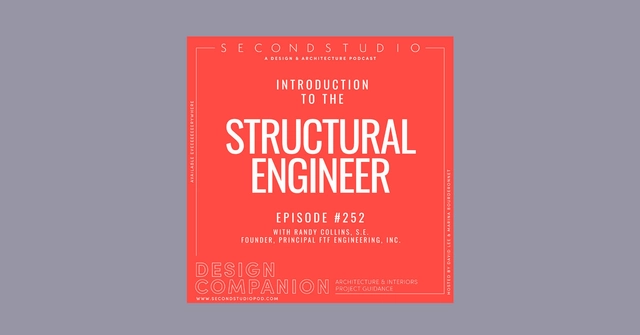
This week David and Marina are joined by Randy Collins S.E., Founder and Principal of FTF Engineering, Inc., to discuss the role and responsibilities of the structural engineer, designing structures to withstand earthquakes, the limitations of the buildings code’s structural requirements, hiring an engineer, working with architects, creating value for clients, and more.
https://www.archdaily.com/970298/the-second-studio-podcast-interview-with-randy-collins-structural-engineerThe Second Studio Podcast
Often overlooked or dismissed, gender inequality in architecture has consequences for both women and their careers, as well as for the spaces and products created. There is, however, a niche within the construction industry that contradicts this logic, proposing to create a more egalitarian workspace. This article reflects on this inequality and how it is challenged by self-managed practices.
During September, the 4th edition of the Chicago Architecture Biennial took place under the title Available City, providing the perfect opportunity to open a debate on the role of architecture in urban equity.
Can architecture foster equity in cities? Are there limits to what it can achieve? From a critical perspective, we discussed this issue through an initial question posed to our readers: How equitable is architecture?
After reading and compiling all the comments received from construction professionals, students, and architecture enthusiasts alike, we agree that equity in architecture is, first and foremost, a multiscalar issue—a global problem that concerns us all.
During the pandemic, major cities became some of the most vulnerable environments; moreover, the global health crisis validated remote work and called into question the necessity of living in dense urban centers. Consequently, the urban exodus is likely to remain a constant theme in the near future, sparking major discussions within the fields of architecture and urban planning on how to manage this shift.
This article by Ana López Ortego (Colectivo Arquitectura Expandida) is a collaboration with Colectivo RE and was originally published on August 2, 2020, in the second edition of Huevo de pato, a publication that aims to share thoughts and experiences as a strategy toward democratizing knowledge and action.
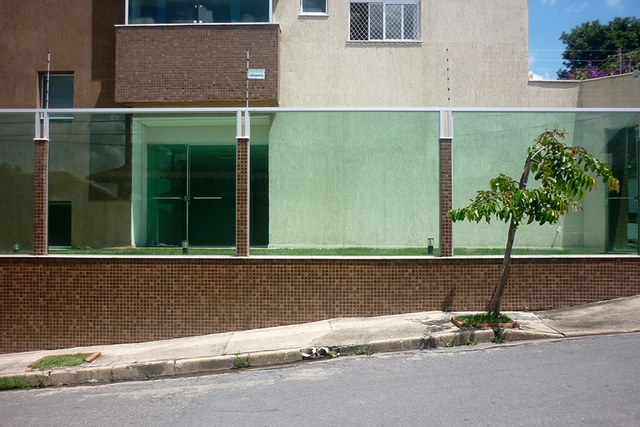
Walls are one of the main problems in our cities. The ultimate physical manifestation of division, they strip away the sense of community on our streets, turning a walk down the sidewalk into an empty, monotonous, and insecure experience. "Eyes on the street" are essential for urban life, particularly in a society as violent as Brazil's.
Why do our cities have so many walls? The real estate sector is usually blamed—the perpetual villain for those who confuse cause and effect. In reality, however, even older homes rely on them.
Archivo de Ideas Recibidas is an interdisciplinary research and dissemination project that seeks to document and connect the ideas of individuals contributing to the contemporary creative ecosystem through art, design, and architecture. It is built upon conversations between the team and various creators, exploring topics related to memory, academia, cultural context, key influences, and working methodologies. This time, they share an interview on cinema and architecture with Mauricio Freyre (Estudio Rien).
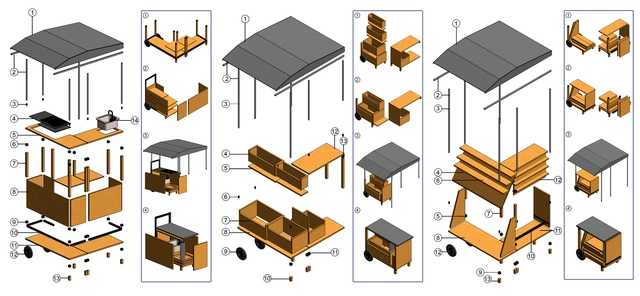
Pablo Salazar shares his research project titled "Commercial Stand Design in the La Floresta Neighborhood, Quito, Ecuador." The study addresses key issues such as the urban-scale environmental footprint of this activity, solar radiation, wind, and heliographic analysis, alongside the design and material specifications of four commercial stand models.
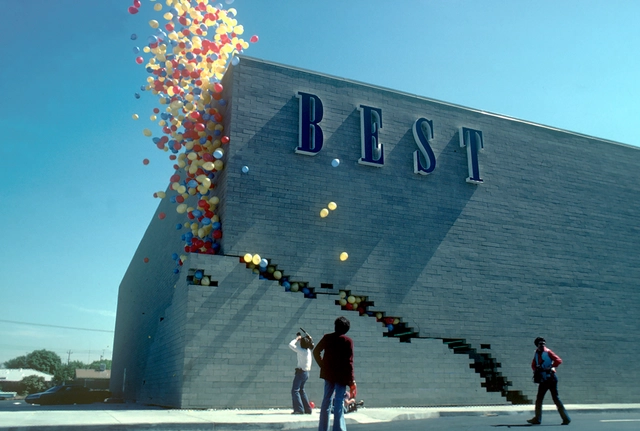
Architecture can be funny. Of course, it often makes for a well-disposed butt of the joke, like when Frank Gehry is satirized on the Simpsons, but buildings themselves can be funny as well. Philosophers like Kant believed humor was in the incongruity between what is expected and what is experienced. There are all sorts of expectations placed on buildings and an infinite number of ways that incongruity might grow between those expectations and what a building actually delivers. This video explores some of the most interesting of these humorous buildings through history, from Giulio Romano’s Mannerism, to SITE Architects BEST stores, and many more. Finally, it points to some contemporary practices that deploy humor to achieve more than just a chuckle.