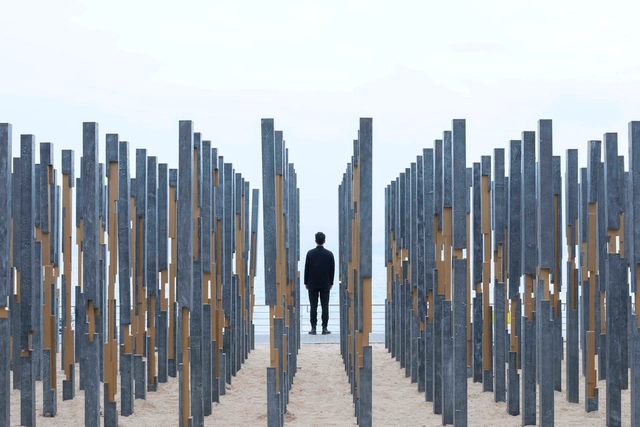
The curatorial team of the fifth edition of the Tallinn Architecture Biennial (TAB), for which ArchDaily is a proud partner, has announced the winner of their installation program “Huts and Habitats”. The winning proposal, Steampunk, designed by SoomeenHahm Design, Igor Pantic and Fologram (UK), was chosen from a shortlist of more than 137 international submissions.
https://www.archdaily.com/912436/tallinn-architecture-biennial-announces-winner-of-installation-program-huts-and-habitatsKatherine Allen
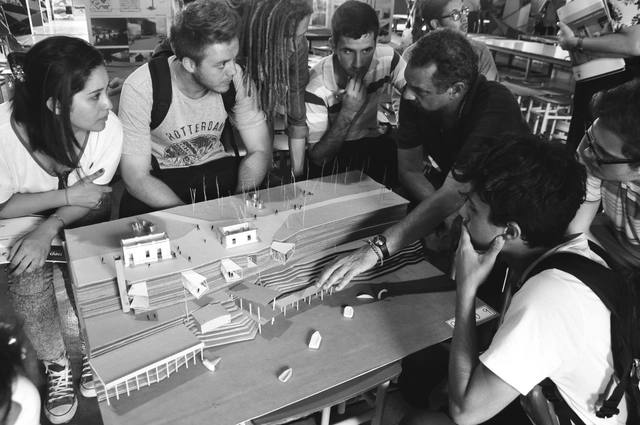
Key strategies for facing a studio presentation or exam in the first years of architecture school. Image via Facultad de Arquitectura, Planeamiento y Diseño UNR
Quacquarelli Symonds (QS) presented the 2019 edition of its annual ranking of the world's best universities in the field of architecture, in which UCL (University College London) dethroned the Massachusetts Institute of Technology (MIT) in the United States, which had led the list for four consecutive years.
Within the Ibero-American region, the list has not changed significantly compared to 2018: Spain maintains a strong presence, while Chile leads Latin America. Discover the top-ranked institutions below!
Guilherme Essvein de Almeida's doctoral dissertation presents an analysis of two major works of contemporary architecture: the Casa da Música in Porto, designed by Rem Koolhaas, and the Cidade das Artes in Rio de Janeiro, designed by Christian de Portzamparc. Defended in 2018, the dissertation was advised by Prof. Dr. Carlos Eduardo Dias Comas as part of the graduate program at the Federal University of Rio Grande do Sul. Read the author's abstract and find the link to the full dissertation below.
https://www.archdaily.com/1122173/casa-da-musica-and-cidade-das-artes-towards-monumentalityPedro Vada
However, just as the selection of the Pritzker Prize can shape public debate, it is also influenced by public opinion. Consequently, a month ago we asked our Ibero-American readers from ArchDaily en Español and ArchDaily Brasil to share their thoughts on the potential winners. We conducted a poll on who should win the 2019 Pritzker Prize, offering a selection of architects we thought stood a chance, along with the freedom to nominate their own candidates—always keeping in mind not who is likely to win, but who should win.
https://www.archdaily.com/1120841/our-readers-suggest-who-should-win-the-2019-pritzker-prizeArchDaily Team
The Mirror Mind Without Time / RSAA/Büro Ziyu Zhuang, Shenzhen, China. Image
Enquanto meio de representação da arquitetura, a fotografia apresenta qualidades indiscutíveis. Com ela, é possível apresentar a um público distante obras erguidas em qualquer lugar do mundo, de vistas gerais a espaços internos e pormenores construtivos - ampliando o alcance e, de certo modo, o acesso à arquitetura.
Entretanto, como qualquer outra forma de representação, não é infalível. Na medida que avanços tecnológicos permitem fazer imagens cada vez mais bem definidas e softwares de edição oferecem ferramentas para retocar e, por vezes, alterar aspectos substanciais do espaço construído, a fotografia, por sua própria natureza, carece de meios para transmitir aspectos sensoriais e táteis da arquitetura. Não é possível - ao menos não satisfatoriamente - experienciar as texturas, sons, temperatura e cheiros dos espaços através de imagens estáticas.
Materials, products, and construction systems are constantly evolving and following new technologies, discoveries, and market trends. The question is: are we, as architects, evolving with them? We have heard about robots working on construction sites, responsive and intelligent materials and the continued rise of 3D printing, but is it all white noise at the moment of starting a new design? More importantly, could these new systems continue to progress without sensitively and effectively taking people's quality of life into account?
How should we use materials—both in their traditional forms and in their future conceptions—so that our projects are making relevant contributions to the way we are inhabiting our planet?
In order to evolve, we have to know how, so it' s worth beginning a discussion around these issues.
While the next edition of the Venice Biennale for Architecture is still more than a year away, the Art Biennale sister event is right around the corner. Ghana, for whom this will be their first ever foray into the major art event, has announced their pavilion lineup and designer - none other than Sir David Adjaye.
https://www.archdaily.com/912301/david-adjaye-to-design-ghanas-first-ever-pavilion-at-the-2019-venice-art-biennaleKatherine Allen
Just like the architectural elements that make up built space - floor, walls and ceilings - natural elements are also capable of creating spaces in large-, medium- and small-scale areas, in places like public and residential gardens.
According to Brazilian landscape architect Benedito Abbud, "Landscaping is the only artistic expression in which the five senses of the human being participate. While architecture, painting, sculpture and other visual arts use and abuse only the vision, landscaping also involves smell, hearing, taste and touch, providing a rich sensory experience by adding the most diverse and complete perceptual experiences. The more a garden can sharpen all the senses, the better it fulfills its role. " [1]
Below we list some of the key elements of landscape planning and design. See the principles and learn why you should never randomize the placement trees!
It seems almost impossible to imagine that a single public initiative could have spawned most of the national highways we have today in Argentina, established tourism as an economic driver for the country, consolidated the national oil company YPF against foreign competition, and driven a large part of the development of Argentine modern architecture.
Yet it is entirely plausible when we look at one of the largest territorial interventions in the country's history—a vanguard of modernity that established the automobile as a mass means of transportation in our region.
When we think of energy from renewable sources, the first that probably come to mind are solar and wind. And decentralizing power generation is something that has inspired engineers and inventors from all over the world.
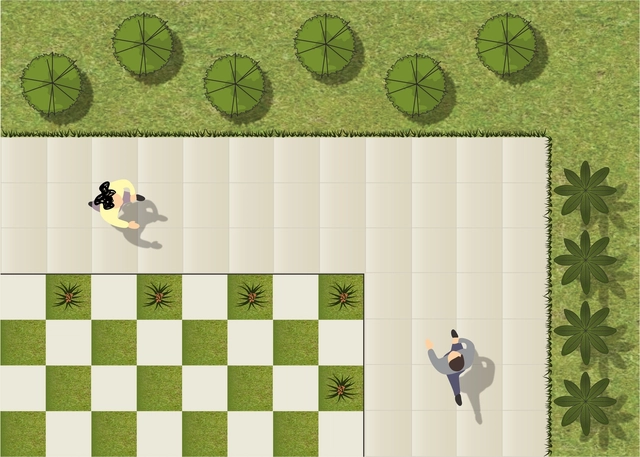
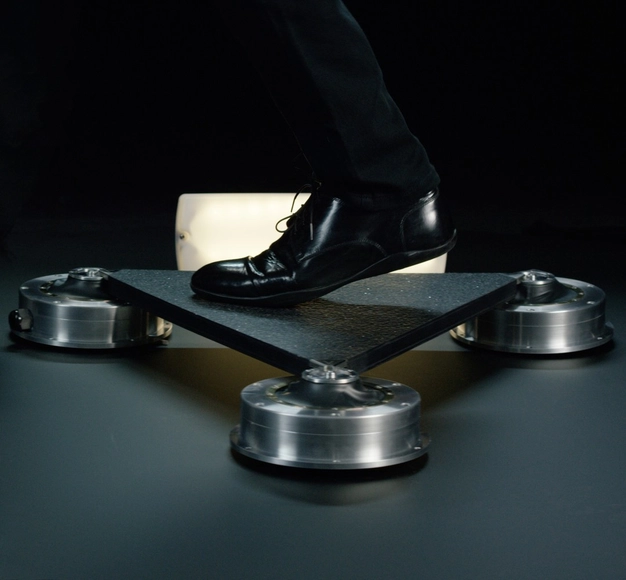
So what about turning the mechanical energy generated when people walk into electrical energy? It can be done thanks to technology developed by Laurence Kemball-Cook,founder of Pavegen. Using platforms inserted within sidewalks Pavegen converts steps into electric power (while also generating data and even rewards). But before you go out there feeling like Michael Jackson in Billie Jean, you should understand how this system works.
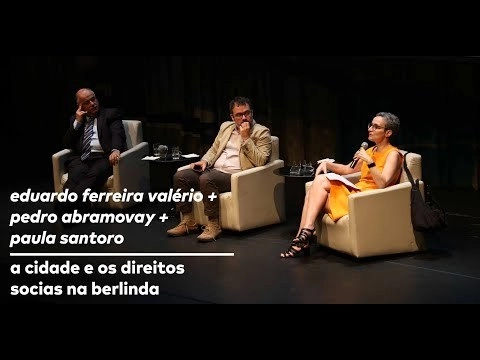
Through its Seminar on Culture and Contemporary Reality, Escola da Cidade invited Pedro Abramovay, Eduardo Ferreira Valério, and Paula Santoro to discuss social rights and the city. This topic has become increasingly urgent and sensitive when discussing any possibility of a democratic and empathetic city. In this video, the panel discusses some of the historical roots and contemporary issues surrounding this theme.
https://www.archdaily.com/1121356/the-city-and-social-rights-under-scrutinyPedro Vada
In a profession as complex as architecture, resistance to change is common. Adopting new technology brings new challenges. Nevertheless, as technology moves forward, architecture practices keep pace with it to stay relevant.
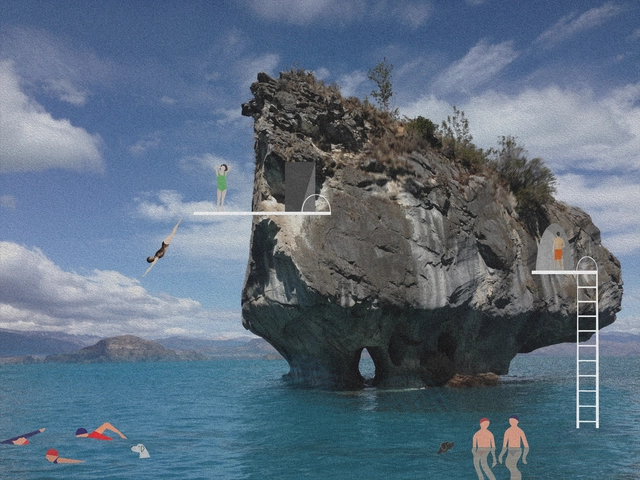
Global Warming is causing a series of changes in our climate, and as a result, in our landscape. Successful and exemplary Landscape Architecture delivers proposals that tackle these environmental changes in two areas of development: Design and Architectural Representation.
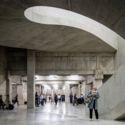
As industry has shifted over the past century, in format, location, and type, the manufacturing and industrial spaces scattered across the western world have been repurposed. You have no doubt seen these structures, though perhaps without realizing. The large windows, high ceilings, and open floor plans optimized for factory work now mark the territory of the “creative class”. Such spaces have been disproportionately appropriated by creative industries such as arts and architecture; think of Herzog + de Meuron’s renovation of the Tate Modern (from a former power station) or the recent collaborative transformation of a locomotive yard into a library in the Netherlands.
https://www.archdaily.com/911719/lacaton-and-vassals-frac-dunkerque-is-an-architectural-echo-both-in-form-and-in-conceptKatherine Allen
The future of architecture is urban; there is no longer any doubt about it. Projections indicate that by 2050—that is, in just over 30 years—75% of the world's population will live in cities, while in Brazil this figure will exceed 90%. However, our discipline must concern itself with the quality of life for everyone; therefore, projects in rural contexts will continue to be on the agenda of architects worldwide.
Below, we present a selection of residential projects built in the countryside. These Brazilian houses, nestled in rural and pastoral landscapes, are designed for the daily lives of their inhabitants or as temporary retreats to decompress from urban life. One way or another, they all share a single objective: to open themselves up to their bucolic surroundings.
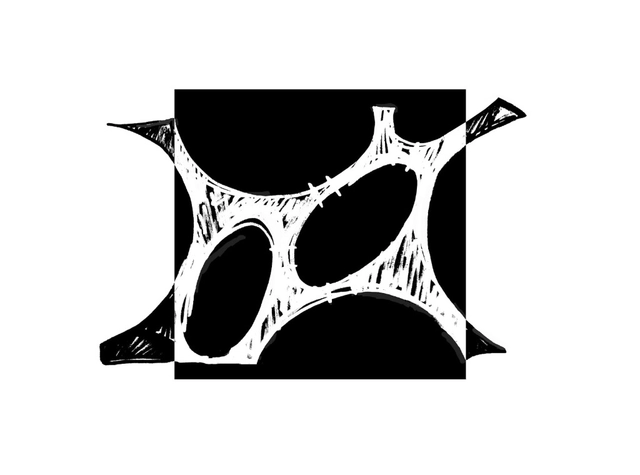
“On Growth and Form”, written by biologist and mathematician D’Arcy Wentworth Thompson [1860-1948], is considered the greatest work of prose in twentieth-century science, highlighting the role of physics and mechanics in determining the form and structure of organisms. The book immediately became a classic for exploring natural geometries in the dynamics of growth and physical processes. Thompson reveals himself to be a great scientist, sensitive to the fascination and beauty of the natural world, writing in a style that led the specialized press to call his work “as much good literature as science; a discourse on science as if it were a matter of humanity.”
Jardim Lapenna, São Miguel Paulista. Photo: Eduardo Silva/32xSP
Residents of Jardim Lapenna, in São Miguel Paulista, in São Paulo's East Zone, have created a participatory neighborhood plan in the state capital. Out of 32 urban actions planned in areas such as lighting, security, and paving, seven were selected as priorities and are currently being incorporated into the annual budget bill (PLOA) for 2019.
Starting this month, ArchDaily has introduced monthly themes that we’ll explore in our stories, posts and projects. We began this month with Architectural Representation: from Archigram to Instagram; from napkins sketching to real-time-sync VR models; from academic lectures to storytellers.
It isn’t particularly novel or groundbreaking to say that the internet, social media, and design apps have challeged the relation between representation and building. A year ago we predicted that "this is just the beginning of a new stage of negotiation between the cold precision of technology and the expressive quality inherent in architecture". But, is it? Would you say digital tools are betraying creativity? This is an older dilemma than you think.
In this new edition of our Editor's Talk, four editors and curators at ArchDaily discuss drawings as pieces of art, posit why nobody cares about telephone poles on renders and explore how the building itself is becoming a type of representation.
.jpg?1551430458&format=webp&width=640&height=580)






.jpg?1550747759 "Cortesia de Pavegen")


_11.45.04.jpg?1550328316&format=webp&width=640&height=580)

.jpg?1550610722 "Landscapes of Cohabitation")


_7061.jpg?1550506965&format=webp&width=640&height=580)
.jpg?1551105554&format=webp&width=640&height=580)


.jpg?1550605438&format=webp&width=640&height=580)


.jpg?1550605438)