1. ArchDaily
  2. Articles

Articles

Real-Time Rendering Significantly Elevates Collaboration

 | Sponsored Content

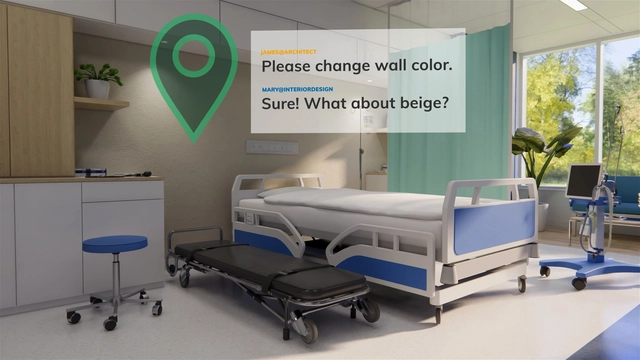
It takes more than creativity to create exceptional designs. Effective collaboration is an essential element in any successful project, as well as in day-to-day business. Using the right tools can help architects and designers overcome project obstacles and elevate their designs. Real-time rendering tool Enscape has introduced a collaborative issue-tracking feature, aptly named Collaborative Annotation, in their latest software version 2.8. This new feature promises to provide architects and designers with a more collaborative workflow.

Brazilian Houses: 12 Homes With Cable Structures

Subscriber Access | 

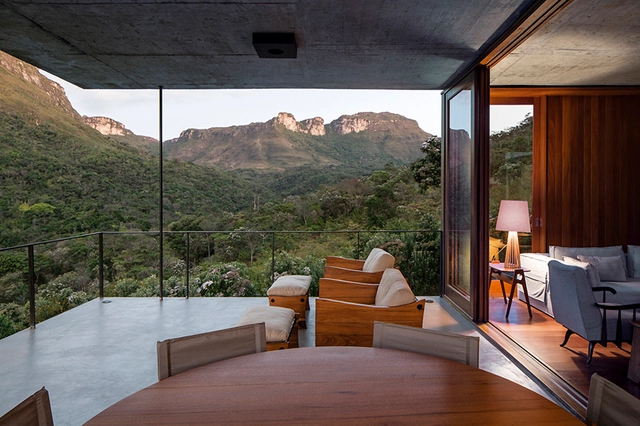
Structural components can be the main stars in architectural projects, contributing to the understanding of how the building's intrinsic forces are organized and distributed. Cables are constantly being used to steal the scene: they subvert the logic of supporting structures and build stable systems using tension, creating both a sense of strength and lightness in the building.

This kind of element is found in buildings of many different sizes, ranging from the steel cables of large and majestic suspension bridges to the cables on residential roofs. We have picked a series of Brazilian houses that benefit from this delicate and powerful structural component in different ways, showing the versatility of its potential applications.

Brazilian Houses: 12 Homes With Cable Structures - 1 的图像 4Brazilian Houses: 12 Homes With Cable Structures - 2 的图像 4Brazilian Houses: 12 Homes With Cable Structures - 3 的图像 4Brazilian Houses: 12 Homes With Cable Structures - 4 的图像 4Brazilian Houses: 12 Homes With Cable Structures - More Images+ 8

Suburban Sprawl Increases the Risk of Future Pandemics

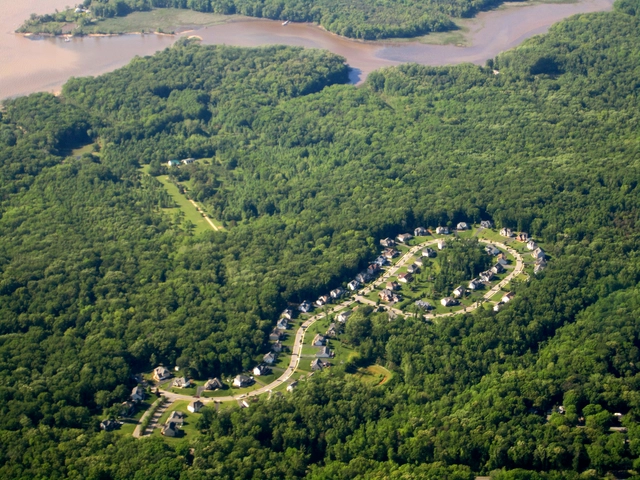
The export of American culture is one of the most influential forces in our interconnected world. From Dakar to Delhi, American pop music, movies, and artery-clogging cuisine are ubiquitous. However, one of the most damaging exports is the American suburb. When the 20th century model for housing the swelling populations of Long Island and Los Angeles translates to 21st century Kinshasa and Kuala Lumpur, the American way of life may very well be our downfall.

How to preserve Brazilian modern architectural heritage?

Subscriber Access | 

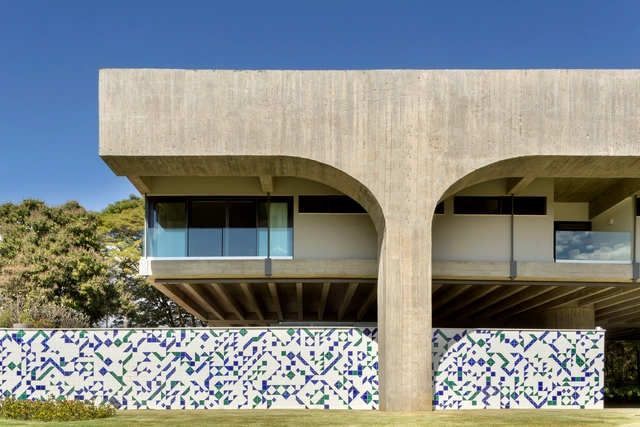
Intervening in buildings of historic value is one of the most delicate tasks facing architects. Today, preservation is no longer limited to restoring centuries-old buildings; it also encompasses the language of modern architecture.

How to preserve Brazilian modern architectural heritage? - Image 1 of 4How to preserve Brazilian modern architectural heritage? - Image 2 of 4How to preserve Brazilian modern architectural heritage? - Image 3 of 4How to preserve Brazilian modern architectural heritage? - Image 4 of 4How to preserve Brazilian modern architectural heritage? - More Images+ 6

Bird's Eye Gallery: Amusement Parks

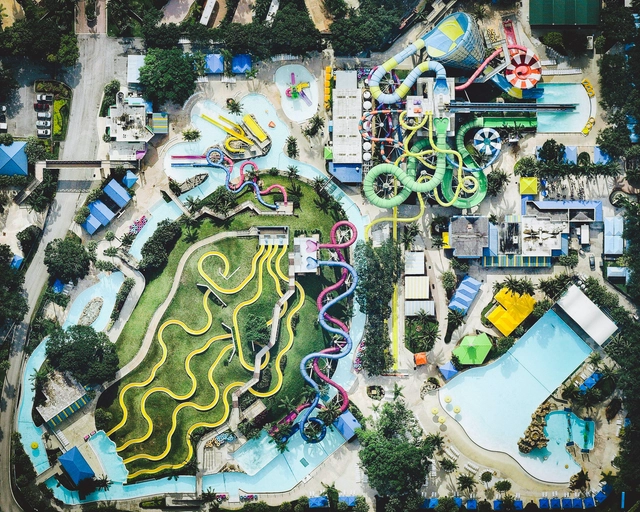
Seeing the Earth from a great distance has been proven to stimulate awe, increase the desire to collaborate, and foster long-term thinking. Daily Overview aims to inspire these feelings — commonly referred to as the Overview Effect — through their imagery, products, and collaborations. By embracing the perspective that comes from this vantage point, the team believes they can stimulate a new awareness that will lead to a better future for our one and only home. Check out Daily Overview's Gallery of Amusement Parks and follow the team's work on their Instagram.

Drawing as a Process: From RCR Arquitectes to Giacometti

Subscriber Access | 

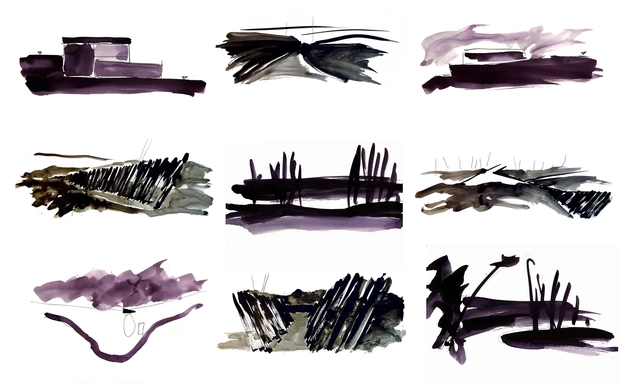
In 1978, at the height of postmodern architectural discourse, twelve eminent architects were invited to participate in the *Roma Interrotta* exhibition, with the task of redesigning the first map of the city of Rome, created in 1748 by the architect Giambattista Nolli. Each participant was responsible for reinventing a portion of the original map to construct a theoretical or utopian condition, taking into account the historical forces that had swept through the territory during the intervening years.

Drawing as a Process: From RCR Arquitectes to Giacometti - Image 1 of 4Drawing as a Process: From RCR Arquitectes to Giacometti - Image 2 of 4Drawing as a Process: From RCR Arquitectes to Giacometti - Image 3 of 4Drawing as a Process: From RCR Arquitectes to Giacometti - Image 4 of 4Drawing as a Process: From RCR Arquitectes to Giacometti - More Images+ 5

How can buildings reduce their carbon footprint?

Subscriber Access | 

The construction sector, particularly the building industry, is one of the largest consumers of natural resources and is responsible for significant environmental impacts and CO2 emissions, according to data from the United Nations Environment Programme. According to data from the organization C40 Cities, buildings are one of the primary sources of greenhouse gas (GHG) emissions in cities, meaning there is substantial room to reduce these emissions—with CO2 being the primary GHG. Data from the National Energy Balance (MME, 2019) indicates that residential, public, and commercial buildings in Brazil consumed over 40% of all electricity produced in the country in 2018. 

How can buildings reduce their carbon footprint? - Image 1 of 4How can buildings reduce their carbon footprint? - Image 2 of 4How can buildings reduce their carbon footprint? - Image 3 of 4How can buildings reduce their carbon footprint? - Image 4 of 4How can buildings reduce their carbon footprint? - More Images+ 6

Play, Leisure, and Rest: 15 Projects Incorporating Swings and Hammocks

Subscriber Access | 

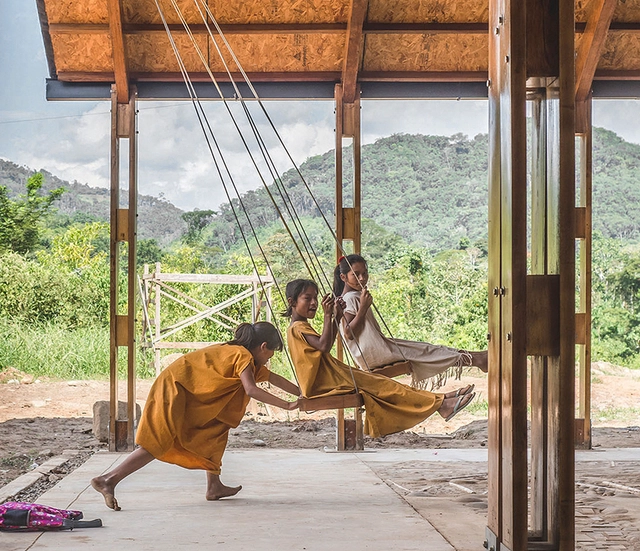
Although we typically associate their presence with playgrounds in parks, gardens, or schools, the swing or hammock—the terminology varies by region—is an element that can also function as complementary furniture in architectural projects with highly diverse programs, such as bars, restaurants, homes, and even offices and coworking spaces. These elements introduce movement and dynamism, creating interactive spaces that allow for a playful and unusual appropriation of architecture—one that fosters not only play, but also leisure and rest.  Suspended by tension-bearing elements—such as cables, chains, ropes, or solid bars—and anchored to ceilings, walls, beams, or dedicated structural supports designed to prevent overloading, these elements can completely redefine an interior or semi-covered space. In doing so, they provide a stimulus for play while also offering a place for relaxation and moments of quiet contemplation.

How will museums reopen after the pandemic and what is architecture's role in this?

Subscriber Access | 

Much like schools, restaurants, shopping centers, and other crowded venues, museums around the world had to close their doors with the arrival of COVID-19. Today, some cities where infection rates have significantly decreased are preparing to reopen non-essential services. As part of this group, museums—which sought new ways to connect with the public remotely during isolation—must now adapt to a new way of welcoming visitors.

How will museums reopen after the pandemic and what is architecture's role in this? - 1 的图像 4How will museums reopen after the pandemic and what is architecture's role in this? - 2 的图像 4How will museums reopen after the pandemic and what is architecture's role in this? - 4 的图像 4How will museums reopen after the pandemic and what is architecture's role in this? - 6 的图像 4How will museums reopen after the pandemic and what is architecture's role in this? - More Images+ 3

From the abolition of the MinC to the architectural debate: a conversation with Silvana Rubino and Alfredo Manevy

Subscriber Access | 

Even before the new president of IPHAN was appointed in May 2020, guest professors Silvana Rubino and Alfredo Manevy spoke about the various challenges and contradictions guiding cultural policy in Brazil during a discussion at Escola da Cidade on June 5, 2019. Part of the course *Seminar on Contemporary Culture and Reality*, then coordinated by Professor José Guilherme Pereira Leite, the talk took the dissolution of the Ministry of Culture (MinC) as its starting point to discuss its repercussions, particularly in the fields of architecture and urbanism.

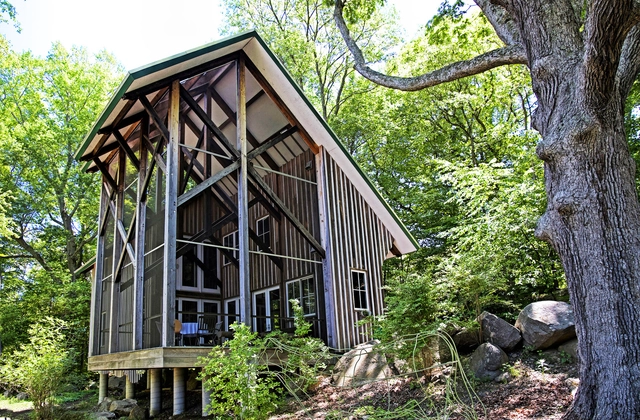
Swamp Yankee Architect: Recycling as a Lifestyle

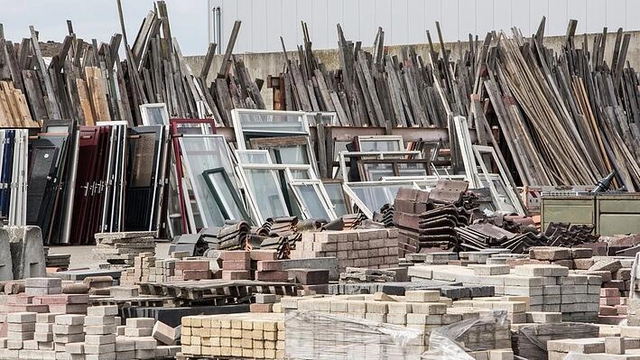
Whether we like it or not, every architect is a recycler.

The phrase “Swamp Yankee” is neither a diss nor a stereotype. Swamp Yankees lived in pre-20th-century New England. They were those poor folk who could only afford to live near water – where disease, vermin and bad weather regularly wrecked lives. Those folk never threw anything out that could be reused (someday). They bartered and they salvaged as a way of life. There was never waste (“waste not, want not”). Swamp Yankees made recycling a lifestyle. Sustainability was not a Green choice – it was the way they survived.

I am a Swamp Yankee Architect. 

Swamp Yankee Architect: Recycling as a Lifestyle - Image 1 of 4Swamp Yankee Architect: Recycling as a Lifestyle - Image 2 of 4Swamp Yankee Architect: Recycling as a Lifestyle - Image 3 of 4Swamp Yankee Architect: Recycling as a Lifestyle - Image 4 of 4Swamp Yankee Architect: Recycling as a Lifestyle - More Images+ 10

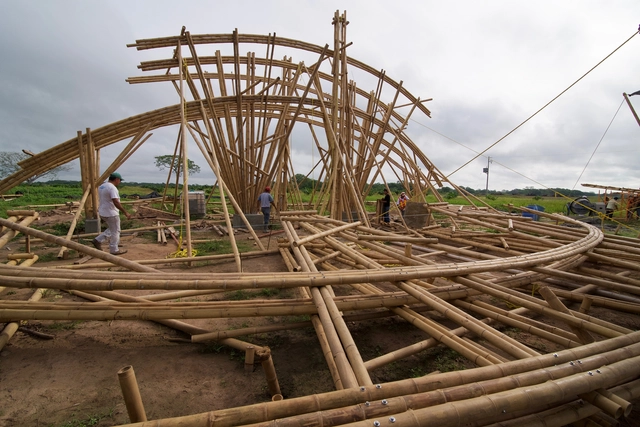
Lucila Aguilar: "I traveled to find new ways to design and discovered that bamboo is the most sustainable material"

Subscriber Access | 

Bamboo is a building material that has been used since antiquity in various structures, demonstrating its superiority over modern materials like plastic and steel due to its myriad benefits—not to mention an incomparable aesthetic appeal that has positioned it as one of today's leading architectural trends.

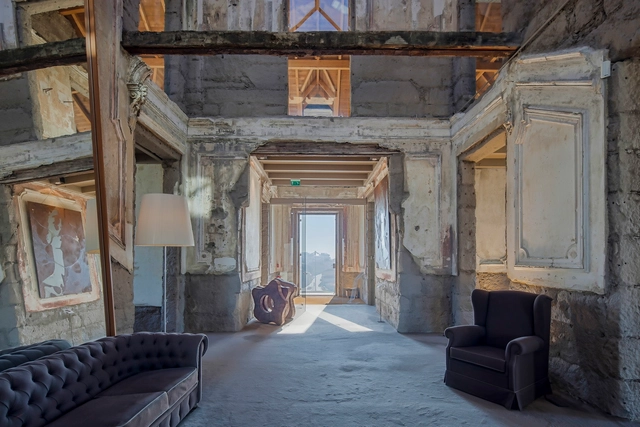
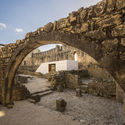
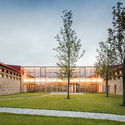
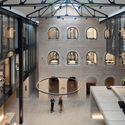
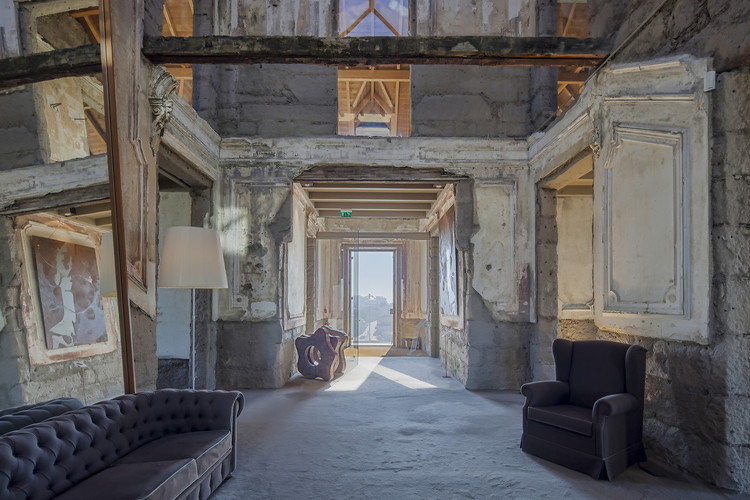
Recycling Buildings: 10 Adaptive Reuse Projects in Portugal

Repurposing a building is not a simple task. Not only does it require keen sensitivity to identify and acknowledge the historical value of pre-existing elements – thereby deciding what will endure over time and what will be replaced by new features, consistent with the current program – but it is also a strategy that pushes the boundaries of design and embraces issues such as sustainability and resource efficiency. After all, we are speaking of recycling a structure, or parts of it, and this impacts both design and the environment.

Recycling Buildings: 10 Adaptive Reuse Projects in Portugal - Imagem 1 de 4Recycling Buildings: 10 Adaptive Reuse Projects in Portugal - Imagem 2 de 4Recycling Buildings: 10 Adaptive Reuse Projects in Portugal - Imagem 3 de 4Recycling Buildings: 10 Adaptive Reuse Projects in Portugal - Imagem 4 de 4Recycling Buildings: 10 Adaptive Reuse Projects in Portugal - More Images+ 6

Giving Demolished Building Materials a New Life through Recycling

“Out with the old and in with the new,”....or so they say. In the United States, a cloud of dust and debris paired with a wrecking ball and bulldozer tends to represent signs of forward progress, innovation, economic activity, and the hope for a better future through architectural design.

Status, Statues, and Statutes: The Issue With Monuments to Flawed Men

This article was originally published on Common Edge.

Monuments, as Alois Riegl pointed out a century ago, are aids to memory. “In memoriam,” the carvings cry out. Though they are almost always tainted with political ideologies and social values, they can stand on their own as works of art, absorbing meanings over millennia. Many that we continue to treasure were once associated with events and practices antithetical to modern mores and taboos: Greek temples were founded on the altars of animal—and, earlier, human—sacrifice; the pyramids were made by slaves; market crosses may have served as flogging posts. There really are no innocent human artifacts dedicated to remembering human acts, as fact or fiction.

Tunnel Vision: Europe's New Urban Pathways and Metro Stations

Subscriber Access | 

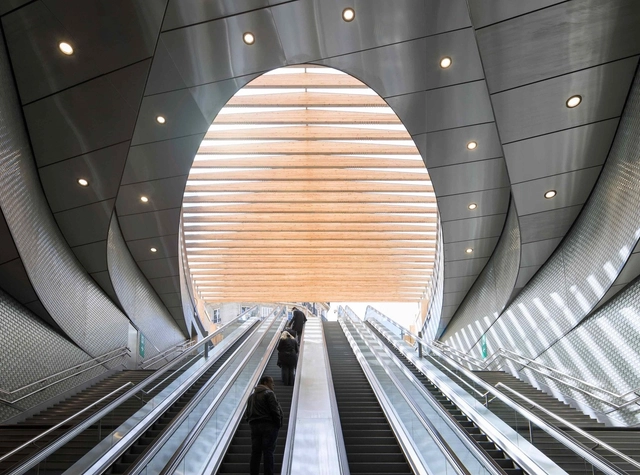
Urban connections define modern cities. From public transportation to walking and cycling paths, mobility has the potential to enrich urban life. In Europe, planners and designers have a long history of working through city connections to integrate with existing historic fabrics and make room for contemporary transport solutions.

Tunnel Vision: Europe's New Urban Pathways and Metro Stations - Image 1 of 4Tunnel Vision: Europe's New Urban Pathways and Metro Stations - Image 2 of 4Tunnel Vision: Europe's New Urban Pathways and Metro Stations - Image 3 of 4Tunnel Vision: Europe's New Urban Pathways and Metro Stations - Image 4 of 4Tunnel Vision: Europe's New Urban Pathways and Metro Stations - More Images+ 10

What Types of Residential Floors Favor Wheelchair Circulation?

What Types of Residential Floors Favor Wheelchair Circulation? - Imagen 1 de 4What Types of Residential Floors Favor Wheelchair Circulation? - Imagen 2 de 4What Types of Residential Floors Favor Wheelchair Circulation? - Imagen 3 de 4What Types of Residential Floors Favor Wheelchair Circulation? - Imagen 4 de 4What Types of Residential Floors Favor Wheelchair Circulation? - More Images+ 16

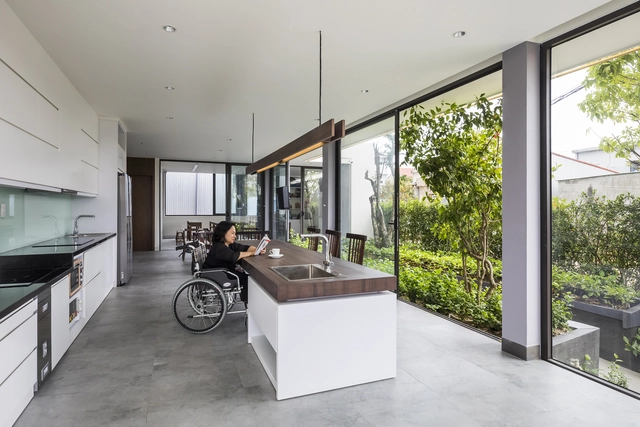
One of the most important design considerations that residential architects have the responsibility to address is accessibility, ensuring that people with disabilities can comfortably live at home without impediments blocking basic home functionality. Accessibility for wheelchair users is a particularly important architectural concern due to unalterable spatial, material, and other requirements necessitated by wheelchair design and use. Because guaranteeing the comfort of all users, including disabled users, is one of the most essential obligations of all architects, designing for wheelchair users must be done with utmost the attention and care, especially in residential environments. Below, we delineate several strategies for designing floors for wheelchair circulation, helping architects achieve this goal of maximum comfort and accessibility.

Can Quarantine Propel Us Toward Planetary Sanctuary?

I can’t stop thinking about refugia. In the years, months, and days before the COVID-19 pandemic, the term was confined to the literature and philosophy of climate crisis, referring to pockets of life that through geographic isolation or species resilience manage to hang on in spite of the environmental forces against them. Think of clusters of Pacific Northwest barnacles nestled high on coastal outcroppings to avoid falling prey to sea snails. Or old-growth forests insulated from rising temperatures in cool mountain valleys.

As self-quarantine set in earlier this spring, the word refugia, at least for me, expanded in definition from specific ecological condition to conceptual touchstone—a necessary leap to metaphor when faced with planetary crisis. The magnitude of this pandemic falls outside human comprehension, but for the luckiest of us, refuge is manageable: a place of relative safety, of sourdough starters and online Jazzercise classes.