1. ArchDaily
  2. Articles

Articles

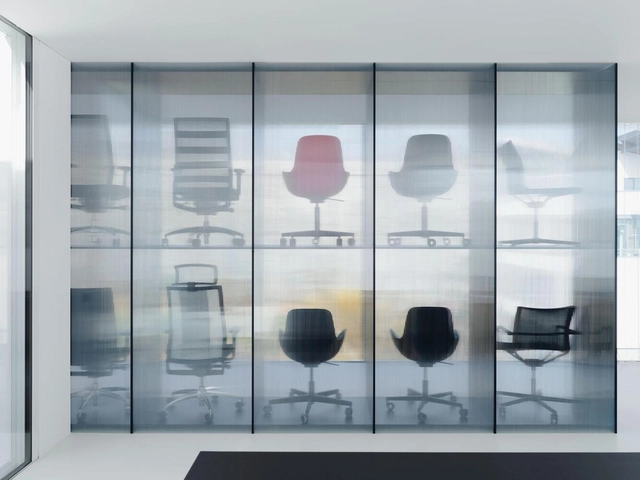
A Holistic Shelving System with a Sustainability Factor: D2 by Wagner Living

 | Sponsored Content

Anyone who has been writing about design for 25 years has seen many trends come and go. In retrospect, I even have to smile when I think about some of the theories – such as the one that things would ‘disappear’. That was actually predicted a good two decades ago with the advance of digitalisation.

Today, we know that analog hasn’t disappeared – and that we still want to live with things that can be kept and touched. The return of the vinyl record, for example, was unthinkable for many – and yet record players are enjoying great popularity again. Especially because we now have access to millions of songs via our smartphones, there's something special to the ceremony of putting on a record.
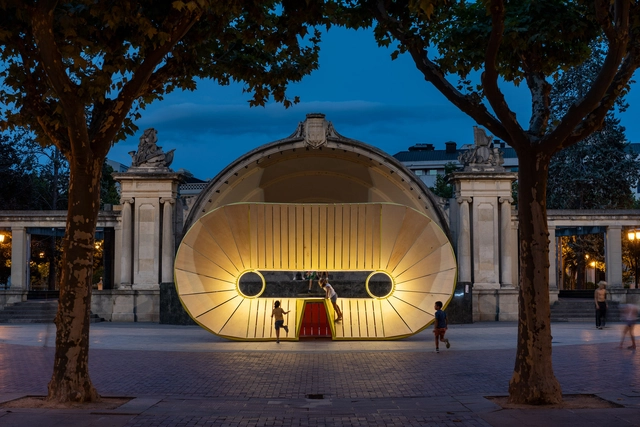
Concéntrico 2022: Exploring Ideas of Domesticity, Inclusivity and Ecology

Subscriber Access | 

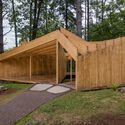
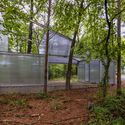
Every year, the Concéntrico festival in Logroño, Spain, brings together architects and designers from all over the world with the hope of employing creativity to create a better city. During this year's event, a few overarching themes could be observed as critical points of interest for the participating architects and designers. Many urban installations hoped to help citizens rediscover places of interest in their city and beyond, while others challenged the often-fixed ideas of what a home can and should look and function. Many designers saw opportunities in the concept of unstructured play, as the exploratory activity can activate unused public spaces and engage people of all ages.

Since 2015, the Concéntrico festival has presented 91 installations and pavilions during its seven editions. The festival is primarily known for bringing together emerging architects and designers who are given the freedom to experiment with new fields of environmental design. The festival is organized by the Cultural Foundation of the Architects of La Rioja together with Javier Peña Ibáñez, promoter of the initiative, in collaboration with the Logroño City Council, the Government of La Rioja, Garnica and Bodegas LAN, and 30 other supporting institutions.

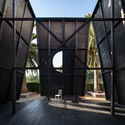
Concéntrico 2022: Exploring Ideas of Domesticity, Inclusivity and Ecology - Image 1 of 4Concéntrico 2022: Exploring Ideas of Domesticity, Inclusivity and Ecology - Image 2 of 4Concéntrico 2022: Exploring Ideas of Domesticity, Inclusivity and Ecology - Image 3 of 4Concéntrico 2022: Exploring Ideas of Domesticity, Inclusivity and Ecology - Image 4 of 4Concéntrico 2022: Exploring Ideas of Domesticity, Inclusivity and Ecology - More Images+ 19

Carbon Fixers: Calculate the Carbon Impact of Your Building Designs

 | Sponsored Content

Timber construction and its benefits is moving into the BIM space for even more sustainable uses. A new BIM-integrated web application, called Carbon Fixers (which expands on its Offsite Wood plug-in for Revit), pre-calculates the carbon-benefit of choosing timber and other bio-sourced materials in early design.

Carbon Fixers lets you rapidly build a scenario using only basic architectural program information, such as the type, size, and number of stories in the building. For advanced users, preferences can be saved for firms with a regional expert dashboard, side-by-side comparisons and detailed assemblies.

Crystal Bridges Imagines the Future of Housing

Subscriber Access | 

­­­Housing is a mess in Northwest Arkansas. The metropolitan area between the college town of Fayetteville, the buzzing art hub of Bentonville, and the bedroom communities of Rogers and Springdale are expected to double in size over the next two decades, and like many quickly growing urban areas across the country, there aren’t enough places to live.

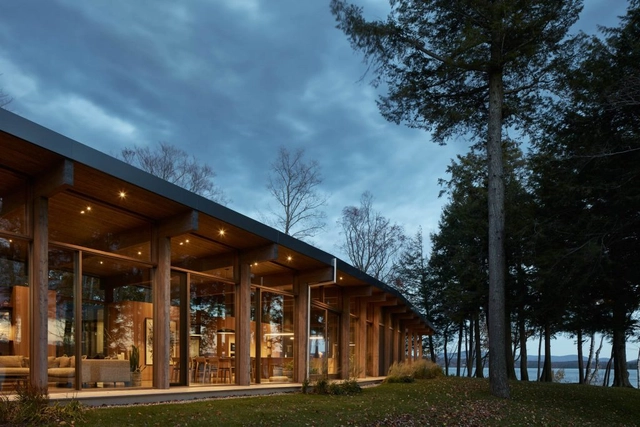
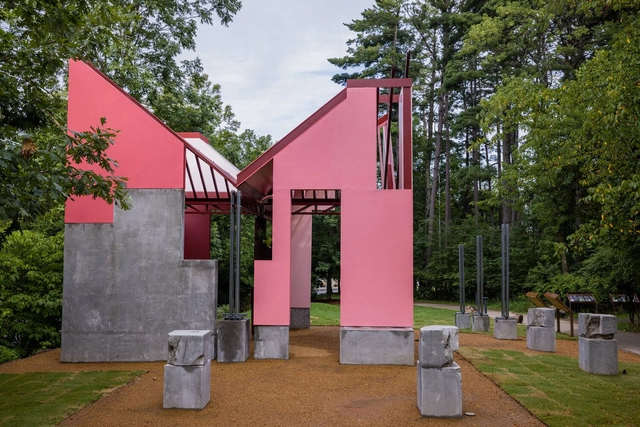
Crystal Bridges Imagines the Future of Housing - Image 1 of 4Crystal Bridges Imagines the Future of Housing - Image 2 of 4Crystal Bridges Imagines the Future of Housing - Image 3 of 4Crystal Bridges Imagines the Future of Housing - Image 4 of 4Crystal Bridges Imagines the Future of Housing - More Images+ 3

Uncomplicated and Fluid: Designing Wellbeing with Cattelan Italia

 | Sponsored Content

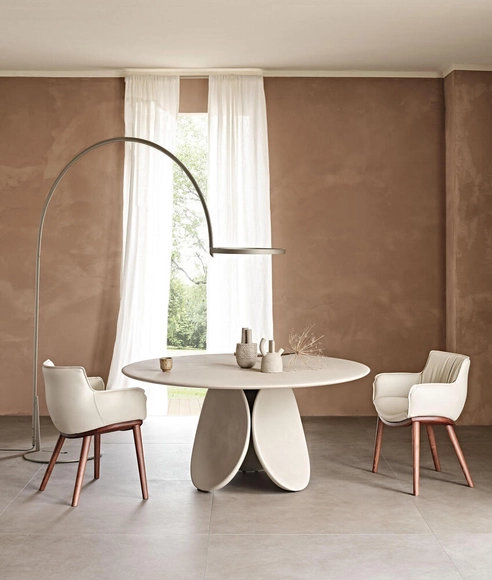
Even before the ‘C’ word came to dominate our lives, homes were starting to be viewed as sanctuaries, and our furniture required to work ever harder in form and function to coset us. Straight lines have been warping and chairs starting to envelop, while the soothing textures and patterns of nature are in high demand.

BY Architecture Gallery presents its first exhibition "Preludio" in Mexico City

Subscriber Access | 

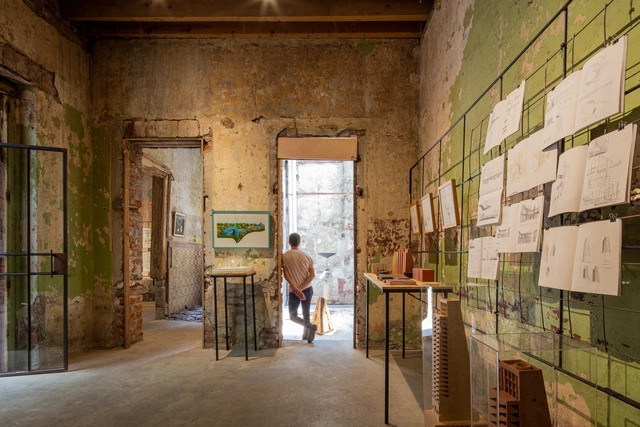
As part of a new initiative led by Francesca Borgonovo and Luis Young in Mexico City, "Preludio"—the inaugural exhibition of BY Galería—was presented from August 25 to September 3 at Proyecto Público Prim. This space arises from the question: "Is it possible to materialize architectural thought?"

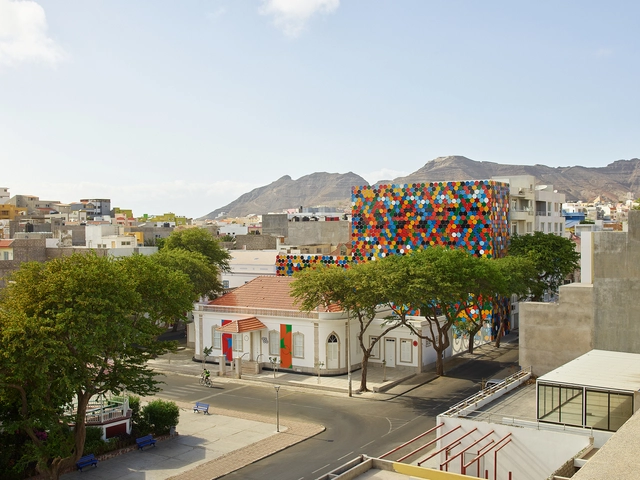
"This Building Belongs to the People": Cape Verde’s New Centre for Art, Crafts and Design

Subscriber Access | 

There are two ways to get to Cape Verde, by sea or sky. Either way, we are surprised by the landscape of immense rocky masses sprouting from the Atlantic’s navel before setting foot on land. Unpopulated until the middle of the 15th century, the volcanic archipelago is made up of ten islands, nine of which are currently inhabited, with unique characteristics in each one of them — some more touristy, like Sal, others more rural, like Santo Antão — and a version of Kriolu Kabuverdianu, which is not the official language (Portuguese occupies this place), but which is by far the most widely spoken.

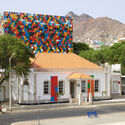
São Vicente is the second most populous island in the country and makes up the northern insular group called Sotavento, along with Santo Antão, Santa Luzia, São Nicolau, Sal and Boa Vista. Its largest city, Mindelo, has a port vocation and has historically been the point of departure and arrival for people and goods. Marked by traffic, the city is a place of passage and intense cultural exchanges. It is also home to the first museum built in the country, the National Centre for Art, Crafts and Design — CNAD.

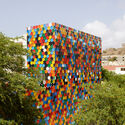
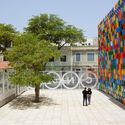
"This Building Belongs to the People": Cape Verde’s New Centre for Art, Crafts and Design - Image 1 of 4"This Building Belongs to the People": Cape Verde’s New Centre for Art, Crafts and Design - Image 2 of 4"This Building Belongs to the People": Cape Verde’s New Centre for Art, Crafts and Design - Image 3 of 4"This Building Belongs to the People": Cape Verde’s New Centre for Art, Crafts and Design - Image 4 of 4This Building Belongs to the People: Cape Verde’s New Centre for Art, Crafts and Design - More Images+ 13

Recycled and Biocomposites: What Are the Materials of the Future

Subscriber Access | 

While the construction industry has been advancing into new fields like nanotechnology and 3D printing for years, it is still one of the most technologically lagging sectors. Many innovations remain purely experimental, and despite constant efforts to reverse this trend, we face a troubling reality: construction is one of the world's most polluting and waste-generating industries.

Under the Surface: The Complicated History of Public Swimming Pools

Subscriber Access | 

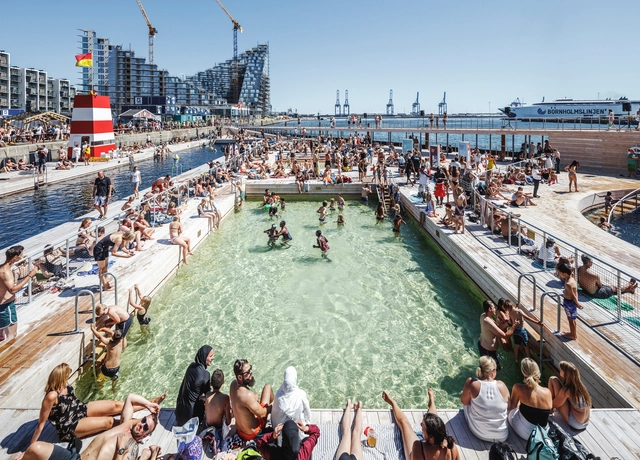
The end of the summer season is usually marked by crowds rushing to public pools to enjoy their final days splashing around the water. Public pools are much more complex than the fenced-in, chlorinated, and noisy bodies of water that they may seem to be. A delicate history and many socio-economic influences lie beneath the surface and dictate who gets to go for a swim. What happens when pools shift towards becoming private property and a sort of status symbol, and when these public spaces aren’t intended for everyone?

The eruv as a territorialization device for Orthodox Jewish communities in metropolises

Subscriber Access | 

The eruv divides the public from the private, the secular from the sacred, and labor from the shabbat. This essay aims to understand how Jewish cultural traditions have adapted over the centuries and coexist today with the dynamics of the metropolis, leaving identity markers on the urban space. Ultimately, we seek to examine the tension between community, identity, and belonging, which construct alternative readings, understandings, and modes of sharing in the city's public spaces. 

The Advantages of the Secondhand Furniture Market in Fragile Economies

Subscriber Access | 

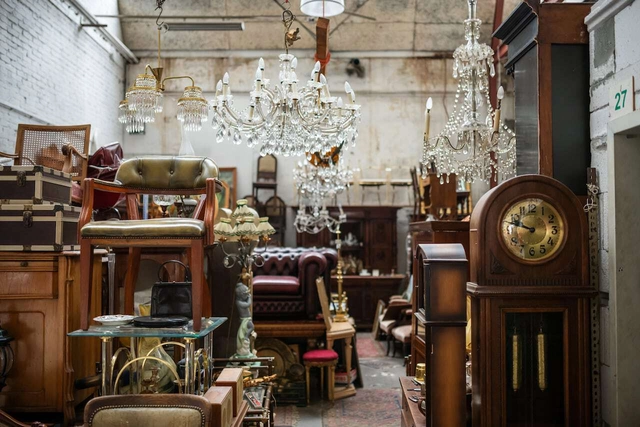
Driven by Gen Z's preference for access over ownership, the secondhand market is beginning to see significant growth worldwide.

This includes the secondhand furniture market, which, in addition to giving a second life to items destined for landfills, helps reduce industrial CO2 emissions—manufacturing and shipping a single piece of furniture emits about 90kg of CO2, equivalent to a one-hour flight on a Boeing 747.

What is the Future of High Rise Buildings?

Subscriber Access | 

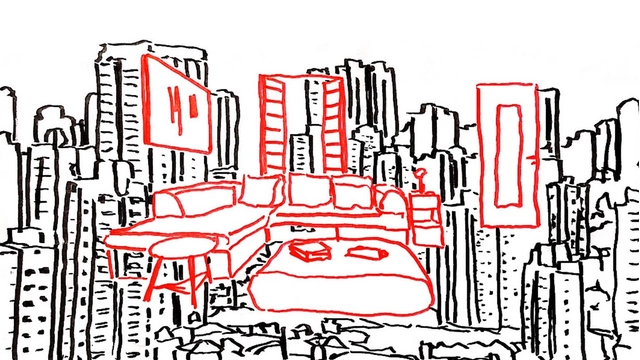
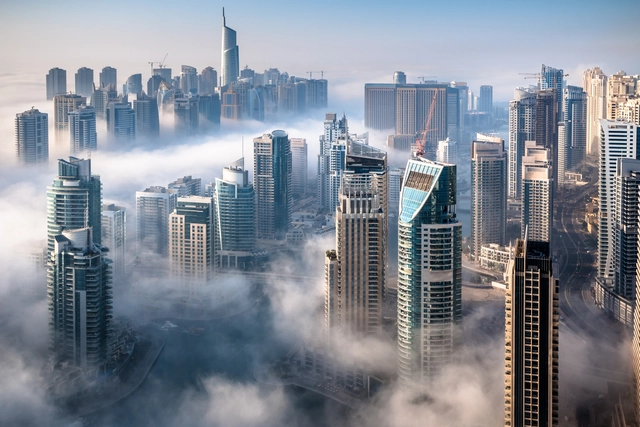
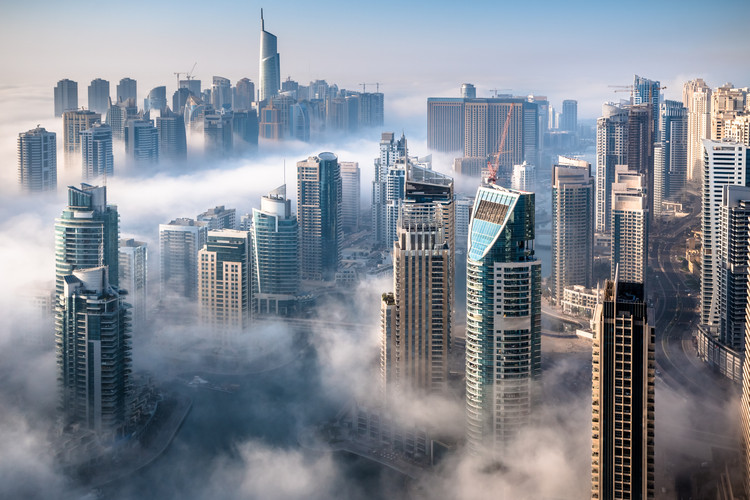
Almost a century ago, the world was introduced to a new architectural typology that changed the entire construction industry. Starting off with the Home Insurance Building in 1885, leading to the Empire State and Chrysler Buildings in Manhattan, skyscrapers became a symbol of power and financial abundance. Soon enough, they were being constructed in almost every city across the world with state-of-the-art designs that defy engineering norms. But with all the changes taking place in the architecture practice, what does the future hold for these heavily criticized yet constantly developed buildings?

What is the Future of High Rise Buildings? - Image 1 of 4What is the Future of High Rise Buildings? - Image 2 of 4What is the Future of High Rise Buildings? - Image 3 of 4What is the Future of High Rise Buildings? - Image 4 of 4What is the Future of High Rise Buildings? - More Images+ 9

Rem Koolhaas on the High-Rise Phenomenon and Emirates' Potential of Re-Inventing Urbanization

Subscriber Access | 

Rem Koolhaas, co-founder of Office for Metropolitan Architecture (OMA), receiver of the Pritzker Prize Award in 2000, and leading urban theorist, was one of the first to question the high-rise phenomenon and its influence on city transformation. Particularly intrigued by the Gulf region and the urban ambitions of this area, in 2009, during the 9th edition of the Sharjah Biennial, he delivered a lecture on the potential of re-inventing urbanization in the Emirates.

On the occasion of the golden jubilee of UAE, marking 50 years since the Emirates were founded in 1971, 50U, published by Archis explores the different developments in the Gulf, this region that “witnessed the transformation of a partly nomadic, partly town-based community into a globally active metropolitan society”. After Al Manakh, in 2007, followed in 2010 by Al Manakh Cont’d, 50U tells the story of the UAE through 50 portraits of people, plants, and places. The book also shares an excerpt of Koolhaas’ 2009 talk that reflects on contemporary conditions, focusing specifically on his reading of Dubai, his architectural involvement as well as his future urban predictions.

DYNAMax: A Global High-Performance Concrete Solution

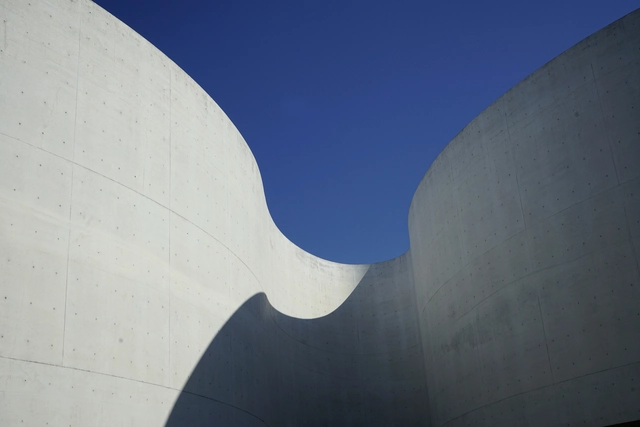
Developed with a clear focus on design innovation and material application, DYNAMax is a concrete characterized by high strength, extraordinary durability, and superior stiffness, combined with deep concrete expertise. Simply put, DYNAMax is a high-performance concrete designed to meet new design trends, environmental challenges, and technical requirements in the construction industry.

15 Years Later and What Do You Get? A Lot More Cars and a Planet in Flames

This article was originally published on Common Edge.

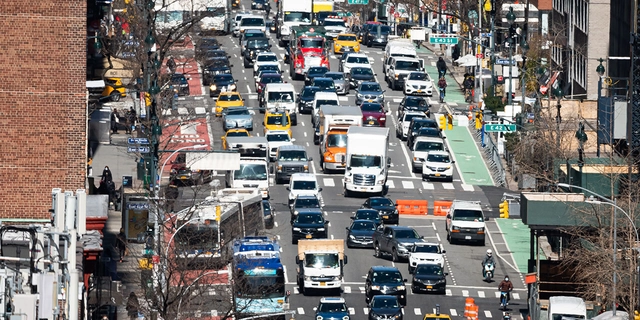
In 2007, New York City Mayor Michael Bloomberg proposed congestion pricing for Manhattan. The state legislature rejected the plan. Fifteen years later, we’re still debating the idea, fiddling while the planet burns.

The newest problem is that a new environmental study and traffic model from the MTA, The Central Business District Tolling Program Environmental Assessment, says that what’s good for 1.63 million residents of Manhattan and the planet, in general, will increase the pollution in the already unhealthy air in the Bronx. Yes, that’s a problem. Turning the perfect into the enemy of the good is also a problem. We need a plan that benefits all.

LBR&A: First Mexican Architecture Firm Recognized at the German Design Council's Iconic Awards

Subscriber Access | 

The firm LBR&A—founded by Mexican architect Benjamín Romano—has been recognized at the German Design Council's Iconic Awards: Innovative Architecture for its project Casa CH73. The residence was named “Best of the Best” in the Architecture category, which encompasses projects such as corporate buildings, museums, hotels, shopping centers, stadiums, and housing, among others.

Walking in the Shade: How to Choose Sidewalk Vegetation

Subscriber Access | 

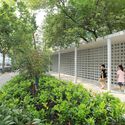
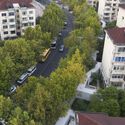
From reducing local temperatures to improving air quality, the benefits of urban forestry in city centers are numerous. Combining social, environmental, and even economic advantages, urban planting—especially along sidewalks—is fundamental to citizens' quality of life. However, it must be carefully planned and designed, balancing urban demands with biological needs. 

Walking in the Shade: How to Choose Sidewalk Vegetation - Imagem 1 de 4Walking in the Shade: How to Choose Sidewalk Vegetation - Imagem 2 de 4Walking in the Shade: How to Choose Sidewalk Vegetation - Imagem 3 de 4Walking in the Shade: How to Choose Sidewalk Vegetation - Imagem 4 de 4Walking in the Shade: How to Choose Sidewalk Vegetation - More Images+ 1

The Future of American Design Is Reinvention, Reuse, and Renewal

Subscriber Access | 

Reinvention is one of the founding myths of the United States of America. For those lucky enough to come here on the decks of ships rather than chained in the hold, this country offered a chance to be someone else, somewhere else. For them and generations of immigrants who followed, America seemed to put a safe distance between their pasts and a boundless future.

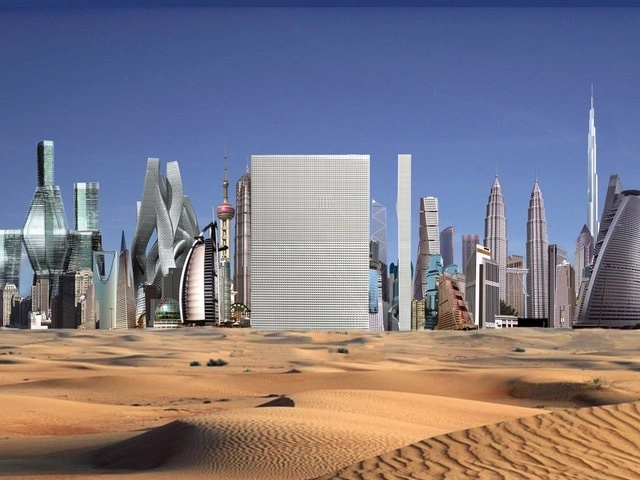
But the illusion was eventually flipped on its head. Around the turn of the millennium, reinvention was a prevailing theme for movie characters intent on getting out of small-town America; in architecture, that sentiment took the form of building dream cities anywhere but here. In Dubai and Shanghai our brightest design minds conjured up hermetically sealed towers, malls, and museums largely disconnected from history, community, and climate.