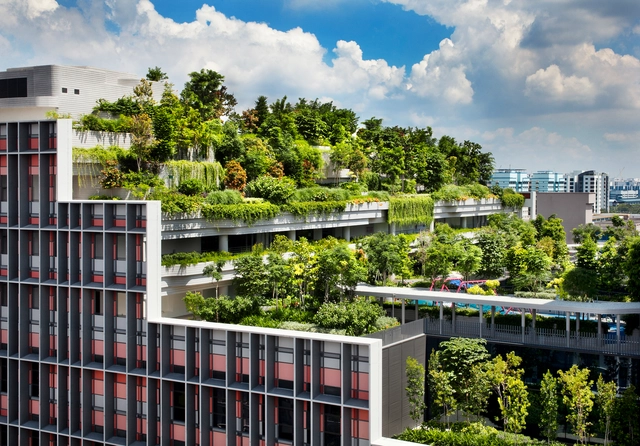
Kampung Admiralty / Ramboll Studio Dreiseitl and WOHA. Image Courtesy of WOHA
A heavily cited fact within the architecture industry is that the built environment accounts for 40% of global carbon emissions. The concerning statistic puts immense responsibility on construction professionals. The idea of sustainability in architecture urgently emerged as a way of bandaging environmental damage. A wide range of sustainability practices aims no higher than making buildings “less bad”, serving as inadequate measures for current and future architecture. The problem with sustainable architecture is that it stops with ‘sustaining’.
In order to maintain the current state of the environment, the architecture community has been working towards greener means of production. Conventionally, a green building employs active or passive features as a tool for reduction and conservation. Most sustainable designs view buildings as a vessel of their own rather than integrated parts of their ecosystem. With the planet’s current needs, this approach is not enough. It is not enough to sustain the natural environment, but also restore its processes.
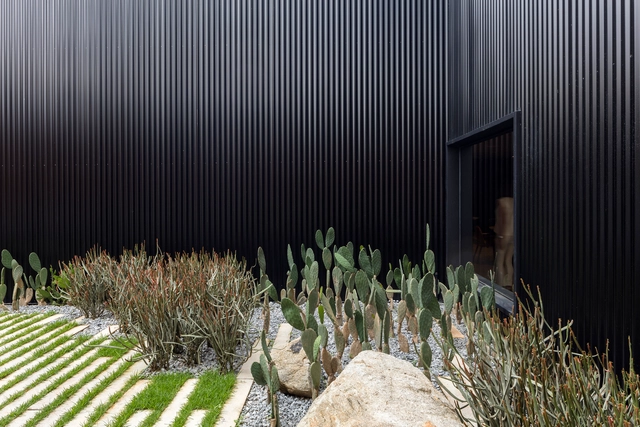
Taking care of a plant is not always easy. There are species that must be watered daily, while others can go for a longer period without any contact with water. By looking for the latter, it is possible to design landscaping that considerably reduces maintenance - including the amount of pruning and watering, for example - and water consumption, making it easier for greenery to exist without major headaches: a dry garden.
During periods of heavy rainfall, news of urban disasters such as landslides, floods, and waterlogging is recurrent, resulting in loss of life and severe property damage. In most cases, the vulnerability of the affected areas was already well known, yet their occupation was not prevented. As a rule, these devastated areas are reoccupied by survivors as quickly as possible, without any mitigation work being done to eliminate the risk.
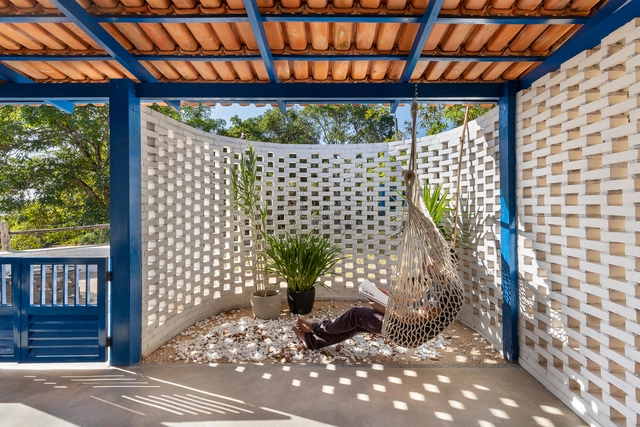
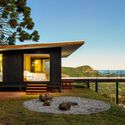
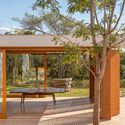
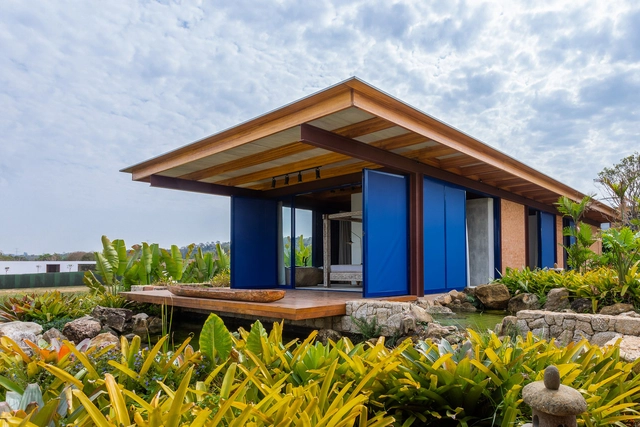
Country houses usually are found in remote areas, therefore, they often demand placement strategies that respect the context and dialogue with the landscape while bringing more thermal comfort and natural lighting. Most of the time, these solutions bring passive strategies that, along with the choice of materials and construction techniques, can provide an even more sustainable project. Get to know seven Brazilian residences that are examples of this theme.
What does 2023 hold for development and the environment?
The end of 2022 certainly left us in an interesting—yet troubling—position. A three-year-old pandemic proved far from over, sickening millions and straining economies. Global inflation reached 9%, its highest level since 2008. Russia's invasion of Ukraine forced millions of people to flee their homes, triggering cascading effects in food and energy systems worldwide. Meanwhile, the impacts of climate change—from catastrophic flooding in Pakistan to scorching heatwaves in India and severe droughts in Africa—compounded these threats.
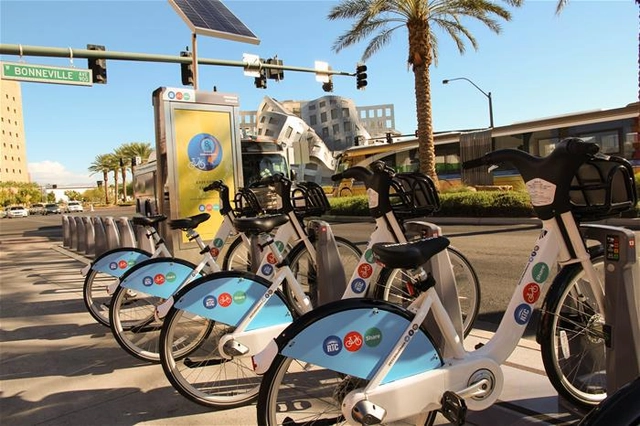
Over the last few years, bike share systems experienced a renaissance as the pandemic forced a hard decline in other forms of public transportation like trains and commercial flights where people wanted to avoid close contact with strangers. While ridership is now on a slow decline, since much of the “normal life” aspects have returned, many people continue to see bike shares as a viable means of transportation, lured by the ease and affordability of getting from place to place.
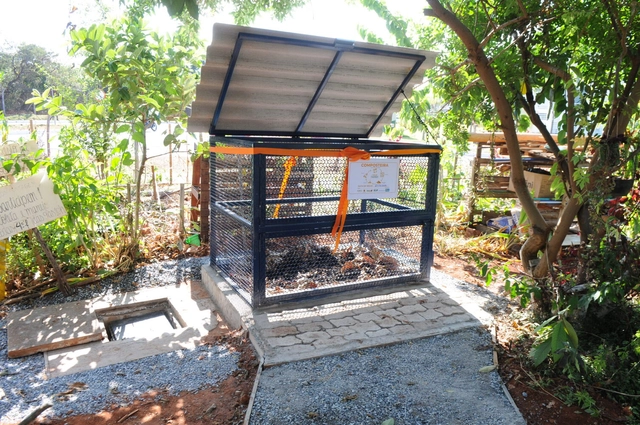
The composting system can be built with various materials. Photo: Paulo H.Carvalho | Agência Brasília
The average Brazilian generates nearly one kilogram of waste per day, according to a survey by Selurb (National Union of Urban Cleaning Companies). Meanwhile, according to Abrelpe (Brazilian Association of Public Cleaning and Special Waste Companies), organic waste represents half of the total urban waste generated in Brazil every year. This is waste that could be repurposed for composting, biodigestion, and/or energy production, but is instead sent to landfills—where it contaminates the soil and produces polluting gases.
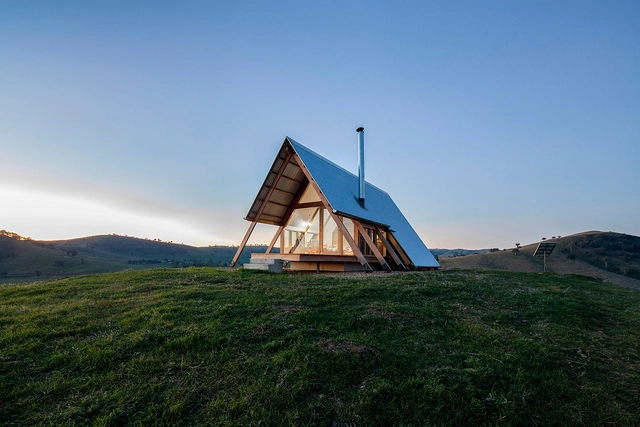
The roof is one of the most essential structural elements of nearly every construction. It is the element that allows a delineated space to transform into one that feels protected. Strongly related to the climatic conditions of the context, the roof's variations in aesthetic and structural design have allowed architects to indulge their stylistic preoccupations to convert roofs not only into elements of closure and climate protection but into a character-giving feature that lends identity and flair – especially when the roof becomes a wall.
Following this opportunity, we want to highlight great examples of roofs that also become walls: 13 houses in which the roof completes the façade, delineating not only the interior in its vertical sense but also in the horizontal one.
In the 1956 competition to design the city of Brasilia, Lucio Costa's proposal differed significantly from his competitors'. In contrast with the detailed plans and well-designed perspectives of the other competitors, the winning proposal presented the minimum required by the tender: a drawing of the pilot plan and a report. In the report, a few simple drawings supported the text, demonstrating the architect's ability to synthesize ideas in a few lines.
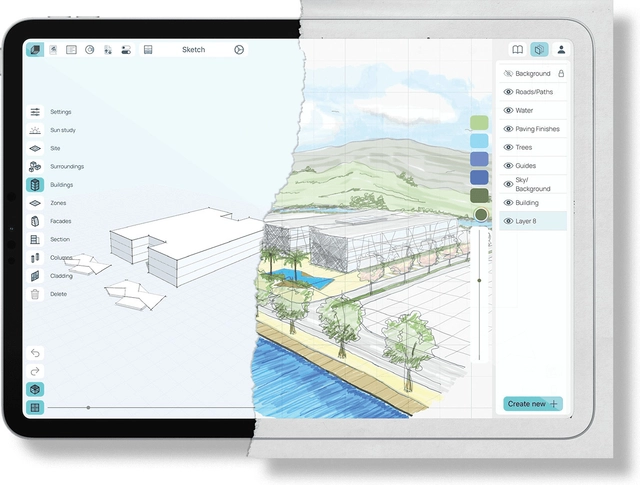
Having the ability to express an idea through drawing facilitates the design process for an architect or designer, whether it is to develop the concepts, or even to represent the building. A good sketch should be easy to understand, even for those without technical knowledge, and provides a visual representation of the important elements of a project, such as spaces, dimensions, circulation and relationships between elements. Although most architects now master three-dimensional tools and hand sketches are no longer indispensable, there are tools that combine several new functionalities with the good old act of drawing.
There are several constructive technologies to configure the structural system of a building. From the 1960s onwards, the adoption of techniques that enabled the interaction between different materials became increasingly common, diversifying the design language and seeking the main advantages each element has to face certain situations. Over the years, some mix concrete, wood, stones or steel.
For the past year, I have been in conversation with architects and designers who are involved in the creation of immersive environments. They see themselves as naturally responsible for leading the construction of these environments, and this should serve as a reminder that architects have the potential to take on this role.
Despite how obvious it might sound, the metaverse has mostly been designed by developers and graphic designers, Therefore, it should work as a wake-up call for architects to be involved since they have skills particularly apt for it.
Whether the metaverse can be utilized as a narrative to claim a changing role for architects remains to be seen, but 2023 could be the year.
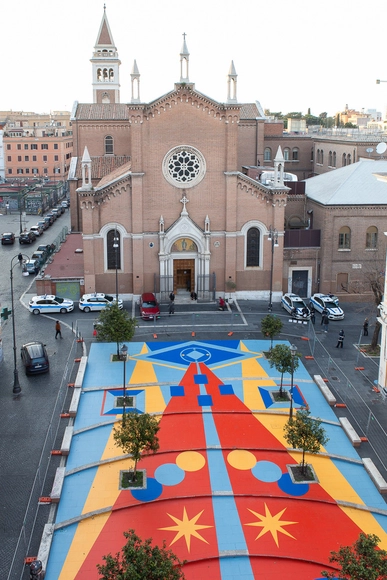
In 2018, the Roman neighborhood of San Lorenzo hit the headlines when a young girl was found dead in a derelict building. The media focused on the area’s decline, ignoring its long political and cultural history. Known as a “red” territory, San Lorenzo was one of the few districts to resist Mussolini’s 1922 March on Rome. Built in the late 19th century to house a working-class population of artisans as well as rail and factory workers, there’s a gritty feel to the neighborhood, defined by remnants of its industrial past and buildings that still bear the scars of Allied bombing in World War II. This small, centrally located neighborhood is wedged between Termini, the main train station, Verano, the monumental cemetery opened in 1812, and the Città Universitaria La Sapienza (La Sapienza University).
https://www.archdaily.com/997358/romes-possible-city-and-the-gentrification-battle-in-san-lorenzoMarina Engel
Artificial lighting offers a range of strategies for interior design. Widely used in commercial projects and restaurants as an aesthetic device to attract customers and to create environments that stimulate the senses, it can transform rooms and create cozy and well-lit places in residential projects.
Casa & Restaurante / junya ishigami + associates. Image Cortesia de junya ishigami + associates
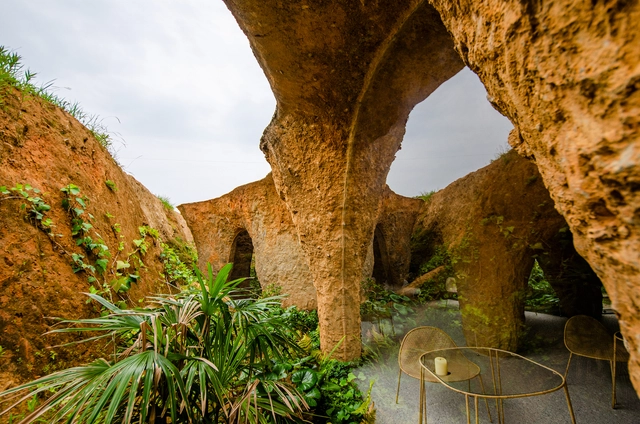
In the dawn of humanity, communities instinctively organized themselves based on local conditions, available resources, and their way of life. While nomadic groups created solutions for temporary occupation—often carrying shelters among their belongings—settled groups also developed ways to occupy available spaces, establishing construction techniques that have evolved to this day.
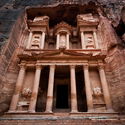
One such way of dwelling, which conventional architecture eventually sidelined—to the point of it acquiring a fantastical status in popular culture—was the occupation of cavernous or excavated spaces. Yet, this remains an ancient practice that leverages vernacular techniques to adapt to climate conditions and expand architectural possibilities.
In recent years, sustainability has been at the forefront of debates across all disciplines due to the ongoing environmental crisis. One concept that design, architecture, and urbanism have embraced is the "Circular Economy," as experience has shown the profession that efforts must go beyond simply incorporating recycling into our strategies. Instead, it is necessary to focus on sharing, leasing, reusing, repairing, refurbishing, and recycling existing materials and products for as long as possible to prevent waste.
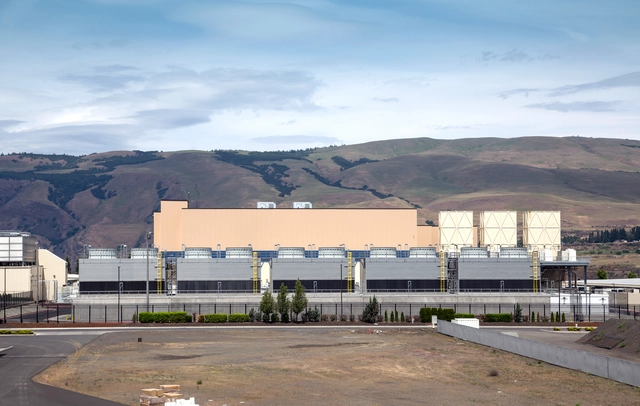
In the contemporary context, as has been said a multitude of times, we seem to be living in what is classified as a digital age. A worldwide pandemic has enhanced the popularity of digital avenues to communicate — such as Microsoft Teams and Zoom, and the multiplatform messaging app WhatsApp is reported to have over 2 billion active users. From an environmental standpoint, we see the migration of businesses to the “cloud” heralded as a sustainability win. In simplified terms and to pick out a specific example, companies can refrain from storing data on external hard drives, opting instead to store their data on online file hosting services.
Form and function. Terms that accompany several definitions that belong to architecture, but more is needed to summarize the practice in 2023. Nowadays, building involves understanding the cycles of materials and how each action can be linked to the extraction of natural resources and their damage to the environment. We live in an urgent need to review the way we produce built space. In this search for models that move away from linear systems and provide a constant process of transformation and redistribution of matter, strategies arising from the circular economy emerge as a possible path. Its application in architectural heritage – for maintenance or restoration – can incentive the necessary changes toward a more sustainable society.
No topic permeates more areas of society today than concerns about the global climate in the coming decades. How extreme will it become and above all how can we adapt as quickly as possible to better cope with and manage the situation? Because one thing is certain: The last hundred years could be characterised with the words 'too much' – in relation to emissions, resource consumption and imbalance in nature. Driven by the internationally declared motivation to limit climate change, the industry is reacting with determination and recognising the crisis as an opportunity.
So it is only natural that the largest international platform for HVAC (Heating, Ventialtion and Air Conditioning) and Water should also take up this challenge and make it the central theme of its upcoming event. ‘Solutions for a sustainable future’ will be the motto when the ISH once again invites visitors to Frankfurt am Main from 13 to 17 March 2023. After a longer break due to the pandemic, this time the fair will feature a particularly large number of innovations. As usual, the exhibitors are divided into two primary segments: ISH Energy, consisting of the heating and air segments, and ISH Water, with everything to do with bathroom design and installation technology.