1. ArchDaily
  2. Articles

Articles

Productive union and efficient adaptation: 2 perspectives on the circular economy in urban design

Subscriber Access | 

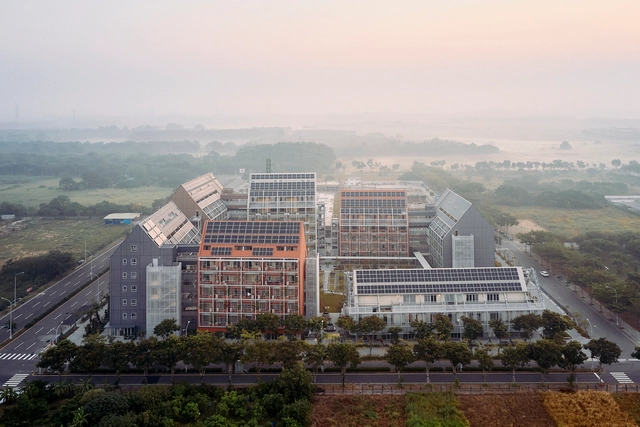
There is a clear reason why the circular economy is becoming increasingly central to debates on architecture and urbanism: the global population living in cities is projected to reach 68% by 2050. The environmental challenge will be significant as the demand for natural resources, such as materials and energy, increases, and circularity seems to offer key opportunities to mitigate this impact.

How can we move toward this more sustainable model in our cities? We posed this question to our readers. After reviewing a vast number of comments and opinions from construction professionals, students, and architecture enthusiasts alike, it was surprising to find such a strong consensus on policies and programs that promote responsible consumption and cross-sector collaboration.

Discover the main perspectives below.
Climate Ceilings: Combining Thermal, Acoustic and Visual Comfort

 | Sponsored Content

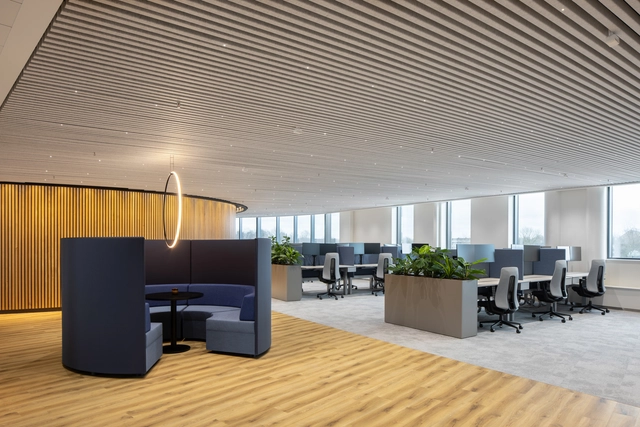
Every day, architects and designers tackle an ambitious task: crafting spaces that not only captivate the eye but that also nurture the health and well-being of those who inhabit them. A key part of this mission involves implementing design strategies that foster a pleasant indoor climate, as temperature, humidity and air quality all have a significant impact on users’ mood, productivity and overall health. Humans simply operate better if they are comfortable and content in their home or working environment. Although air-conditioning, ventilation and heating systems have conventionally served as popular solutions to regulate indoor climate, they often carry with them undesirable consequences –the presence of dust and bacteria, the need for regular maintenance and a cluttered, unappealing look. There is, however, an alternative solution.
Integrated Lighting for Intuitive Spaces

Subscriber Access | 

Better for sight, better for eyes, better for health, and better for moods, natural light is understandably the majority’s favored method of illumination, but it’s an uncontrollable resource. It can be increased with larger windows, open-plan interiors, and reflective or light-hued surfaces, but ultimately, when those cold winter nights draw in, the majority of our time is spent fumbling around in the dark.

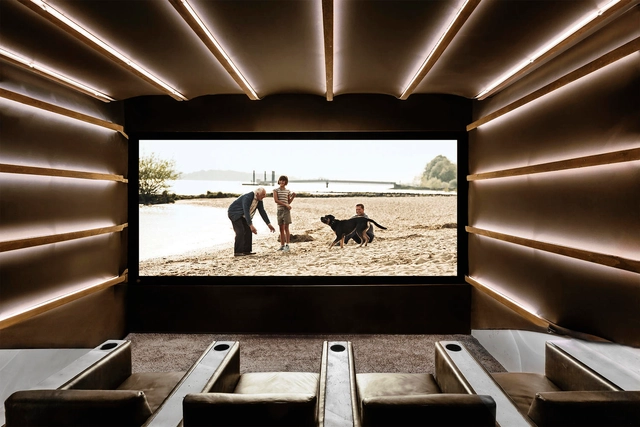
It’s not all doom and gloom, however. Well-thought-out lighting concepts can entirely transform an interior environment. This home in Japan, for example, highlights its architectural features with hidden lighting, bringing them to life at night, while this small-scale showroom cinema also uses indirect lighting strips to graphically define its interior.

11 Rules to Follow When Creating Vibrant Public Spaces

The International Placemaking Week, presented by Project for Public Spaces (PPS) is an inspiring and engaging event designed as a global gathering of placemakers from different sectors to discuss thoughts and share strategies in order to push forward the concept of placemaking in the host city and on an international level. Previous editions took place in Vancouver in 2016, Amsterdam in 2017, and Chattanooga, Tennessee in 2019.

PPS, the nonprofit organization behind Placemaking Week, helps people create and sustain public spaces that build strong communities. In 1999, they elaborated “How to turn a place around”, a book that defined the placemaking movement, creating a guideline of 11 principles to follow in order to create vibrant community spaces.

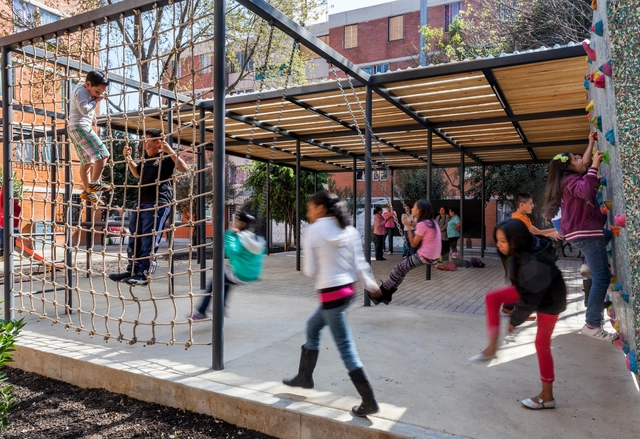
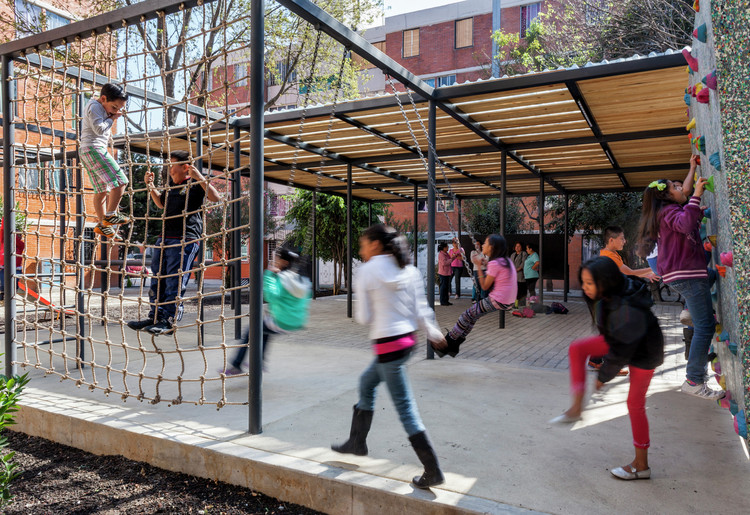
11 Rules to Follow When Creating Vibrant Public Spaces - Image 1 of 411 Rules to Follow When Creating Vibrant Public Spaces - Image 2 of 411 Rules to Follow When Creating Vibrant Public Spaces - Image 3 of 411 Rules to Follow When Creating Vibrant Public Spaces - Image 4 of 411 Rules to Follow When Creating Vibrant Public Spaces - More Images+ 14

Haute Couture Meets Interior Design: BoConcept x Lars Wallin

 | Sponsored Content

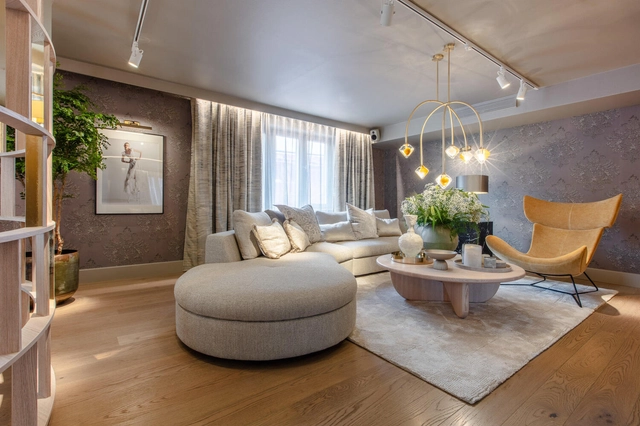
If anyone can be said to know about the wishes and dreams of brides-to-be, surely it's those behind the creation of that mythical matrimonial object, the wedding dress. For more than 30 years, one of Sweden’s most famous fashion designers, Lars Wallin, has created dresses for women about to live, what is for many, the ultimate romantic experience. And with his design for a recently finished bridal suite at Gothenburg's SAS Radisson, Wallin has demonstrated not only his haute couture finesse in realising dreams of glamour and romance, but also an ability to seamlessly transfer his creative talents from the boutique to the bedroom.

Hushoffice: At Home at Work, Returning to the Office from Remote Work

Subscriber Access | 

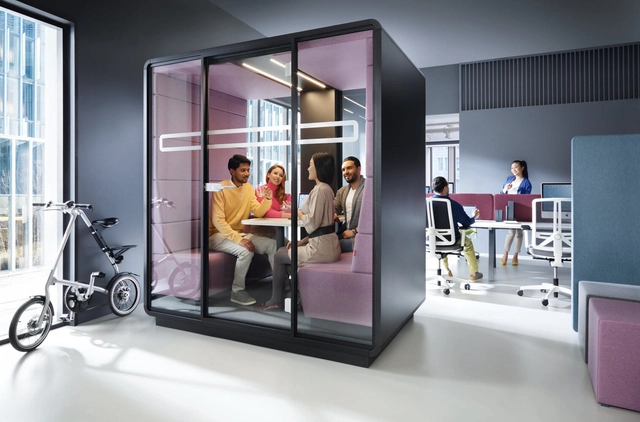
The theorization of the workplace has become a global discourse, spanning research on new spatial trends, experiments in hybrid models, the digital revolution and its impact on productivity, workplace wellness, and the elusive balance between life and work. Yet, as a New York Times article on the digital workplace notes, while this theoretical debate has spanned decades, successful implementation remains in its infancy. Propelled by the rise of tech giants like Slack and Zoom, alongside the global disruptions of recent years, our working patterns have fundamentally shifted. We have seemingly adapted to remote work, often forgetting the efficiency of physical presence and the nuanced connection of face-to-face interaction. As “digital distraction” increasingly permeates our daily lives, this is a challenge we must confront when rethinking the design of the physical office.

Can our work, then, be fully digitized and done remotely?

Toward an Aesthetic of Destruction: Dismantling at the Vandellòs Nuclear Power Plant

Subscriber Access | 

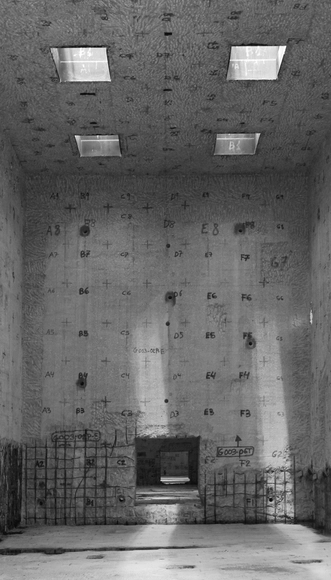
The last few decades have yielded a renewed conception of the ruin, shaped by the logic of contemporary society. These ruins can be found, for example, in the demolition of industrial buildings on a colossal scale. Yet they are stripped of their historical and enigmatic values, since we have witnessed their birth and coexisted with them in the present.

Opening Up / Stories of Lisbon’s Light: Natural Elements in a Minimalist Portuguese Villa

 | Sponsored Content

Part two of "Stories of Lisbon's Light" takes place in Cascais, a vibrant seaside resort an hour away from Lisbon, hidden on the westernmost tip of the European continent. Right on the Riviera Portuguesa, architect Bruno Novo gave his modern, minimalist touch to a holiday villa where natural light plays the leading part. Focusing on natural elements and minimal touches that open up the spaces inside and outside, the house is made with a family holiday in mind.

Striking a Balance: The Dilemma in Heritage Cities

Subscriber Access | 

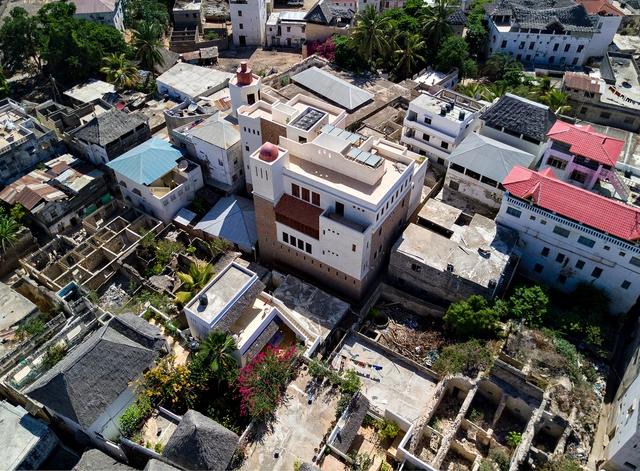
Subject to the forces of capital, migrating populations, and political circumstances, our planet’s cities are constantly evolving. This continuous evolution is evident in the built fabric of settlements, as architects and planners build upon layers of the built environment, with some having the strenuous task of having to integrate the historic urban areas of cities successfully with contemporary architectural interventions and systems. 

The cities of this category are frequently in an internal conflict — oftentimes having to grapple with the sometimes contradictory aims of both sustaining local populations and welcoming outside investment and national development projects.

Striking a Balance: The Dilemma in Heritage Cities - Image 1 of 4Striking a Balance: The Dilemma in Heritage Cities - Image 2 of 4Striking a Balance: The Dilemma in Heritage Cities - Image 3 of 4Striking a Balance: The Dilemma in Heritage Cities - Image 4 of 4Striking a Balance: The Dilemma in Heritage Cities - More Images+ 4

Artificial Lighting Tips to Improve the Kitchen Space

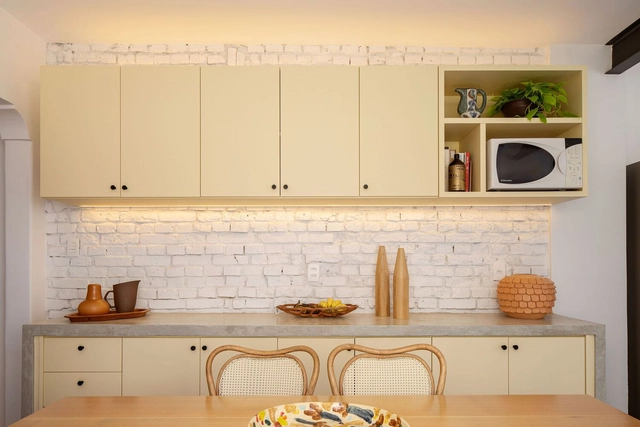
Over time, the kitchen has ceased to be considered only as a workspace and became a meeting and leisure area. For many, it is the heart of the home. Therefore, it is necessary to design an ambiance that can help when preparing dishes and also bring comfort during a gathering with friends and family.

Artificial Lighting Tips to Improve the Kitchen Space - Image 1 of 4Artificial Lighting Tips to Improve the Kitchen Space - Image 2 of 4Artificial Lighting Tips to Improve the Kitchen Space - Image 3 of 4Artificial Lighting Tips to Improve the Kitchen Space - Image 4 of 4Artificial Lighting Tips to Improve the Kitchen Space - More Images+ 10

The poor quality of public transportation in developing countries

Subscriber Access | 

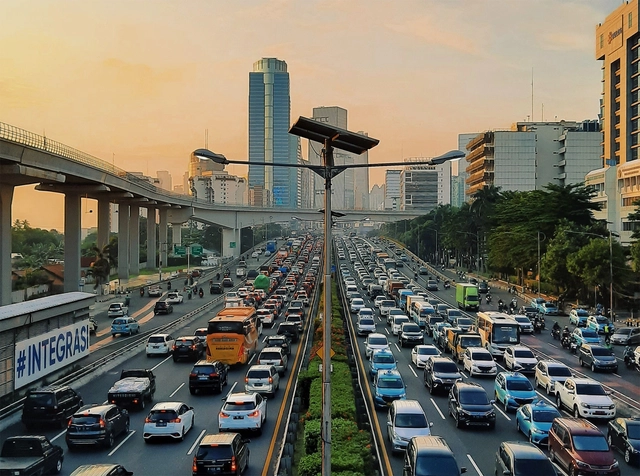
There is a stereotype that in poor countries, where few people own cars, alternatives to the automobile are flourishing. I saw a Mastodon post making this claim, and I pointed out in the comments that this is not quite true. This is a more detailed version of what I said in 500 characters. In short, across most of the Third World, public transit is poor, and almost all passengers who use vans and buses do so out of poverty, as do most people who walk.

How will the internet impact retail design?

Subscriber Access | 

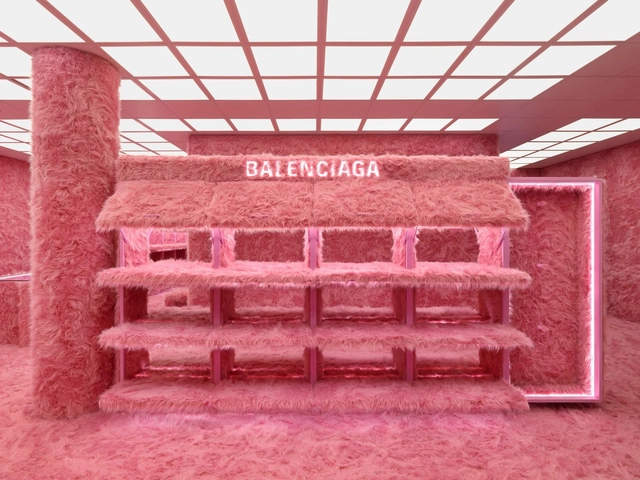
As physical and digital commerce increasingly merge, designers and architects are creating shopping experiences that bridge the gap between physical and online spaces. We are beginning to witness the dawn of a new retail landscape that skillfully overlays disruptive digital behaviors with new aesthetics.

Ideas for Outdoor Spaces: Backyards, Balconies and Patios

Subscriber Access | 

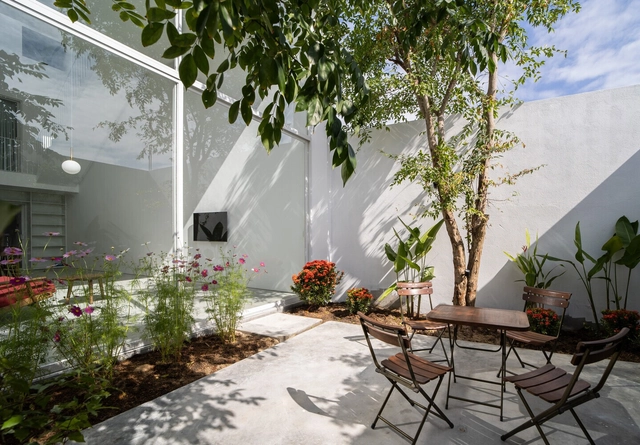
In urban centers, houses rarely have a large backyard to create a leisure or living area, that's why we have gathered some examples that have managed to occupy these areas, improving the connection between interior and exterior and enhancing their users' comfort.

Ideas for Outdoor Spaces: Backyards, Balconies and Patios - Image 1 of 4Ideas for Outdoor Spaces: Backyards, Balconies and Patios - Image 2 of 4Ideas for Outdoor Spaces: Backyards, Balconies and Patios - Image 3 of 4Ideas for Outdoor Spaces: Backyards, Balconies and Patios - Image 4 of 4Ideas for Outdoor Spaces: Backyards, Balconies and Patios - More Images+ 7

Revitalizing central historic areas as a way to value our culture

Subscriber Access | 

The central region of São Paulo holds a significant part of our history, which can be read through its buildings. For many locals, the emotional connection to this area is clear when recalling moments spent in these historic buildings—which carry deep cultural and religious meaning—and along these bustling commercial streets.

Over the last few decades, however, this relationship has eroded due to the obsolescence of buildings, poor habitability, the deterioration of vacant properties, insecurity, and other factors that have driven residents away from downtown—which remains an area with high foot traffic, vibrant commerce, extensive transportation infrastructure, and a unique connection to the rest of the city. An urban space with such infrastructure cannot be abandoned in a city with a high demand for housing, culture, and leisure.

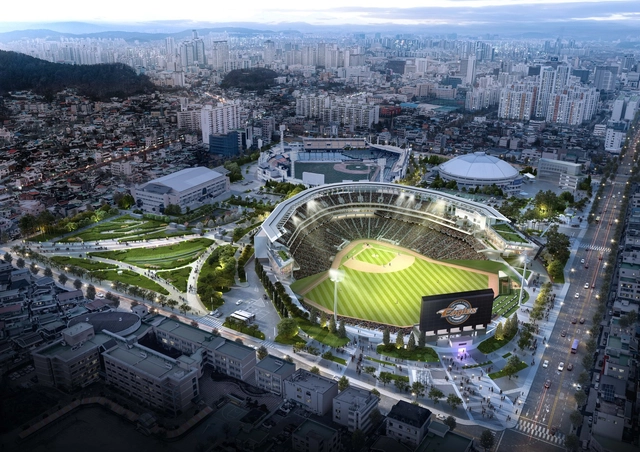
A Baseball Stadium in South Korea and an Aquatic Center in Canada: 8 Unbuilt Sports Facilities Submitted to ArchDaily

Subscriber Access | 

Sport plays an important role in the life of every city, yet the buildings housing these activities pose a particular set of challenges to the architects. Scale and dimensions need to be adapted to allow for unrestricted movement, heights are adjusted to the force of an athlete’s throw, and lighting, surface, and finishes require careful consideration. The matter becomes even more complex if these activities become the center of large-scale events. The flow of people becomes an integral part of the design, as different types of users require separate circulation paths.

This week’s curated selection of Best Unbuilt Architecture highlights the design of sports centers submitted by the ArchDaily community. From a tennis stadium in Italy, to a yoga pavilion on the cliffs of Portugal, this selection features projects centered around movement, practicing, following, and enjoying sports, be it tennis, baseball, yoga or football. The article presents projects from various counties, such as South Korea, Canada, Portugal, and Argentina.

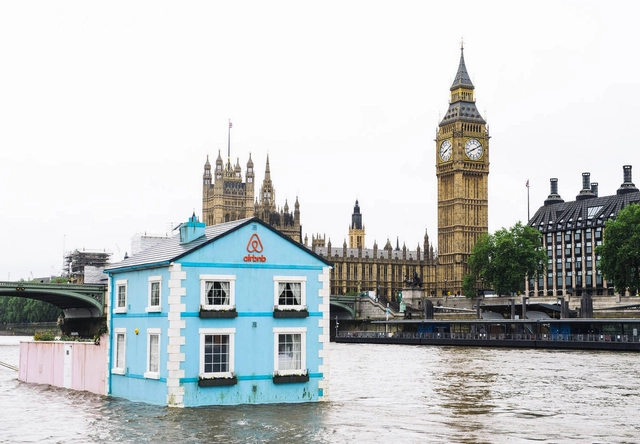
Regulations on Airbnbs Could Be Coming to A City Near You

Subscriber Access | 

Airbnb has long been a reliable way to find a homestay. Since its inception in 2008, the site has hosted more than 7 million homes around the world where travelers can stay in a room, or rent an entire house out for themselves. Recently, many cities have been cracking down on short-term stays, citing safety issues, false listings, and rising property prices which push people out of their homes when housing becomes used just for Airbnb rentals. What are cities doing about these issues? What is Airbnb doing to help remediate them? And will Airbnb be viable for much longer?

Biophilia and green infrastructure are strategies that can mitigate flooding

Subscriber Access | 

During the summer months, very hot days followed by intense, high-precipitation rainfall are common. As a result, urban flooding is a frequent occurrence in large cities. However, certain architectural and urban planning solutions can help improve people's quality of life, particularly through green infrastructure interventions and the application of biophilia.

Download the urban design manuals "Shared Streets," "Parklets," and "Exemplary Street" by dérive LAB

Subscriber Access | 

Dérive LAB is a multidisciplinary laboratory based in Santiago de Querétaro, Mexico, that seeks to explore, understand, and inspire other (new) ways of living and thinking about city life. Through research, design, and action, they have focused on developing projects in art, architecture, urban design, and other disciplines that impact three specific scales: public life, the built environment, and everyday objects.