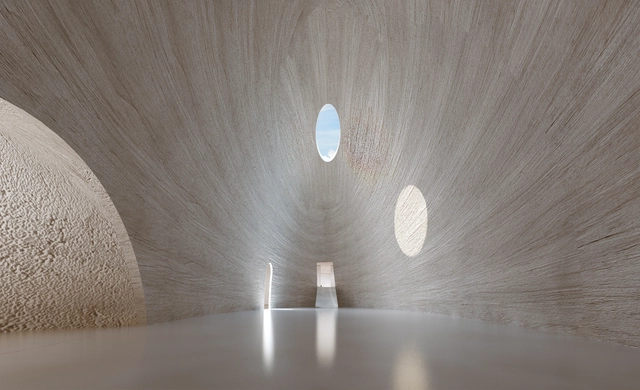
Based between Tehran, Iran, and New York City, ASA North has emerged as an example of an architectural practice based on malleability and adaptability. Chosen by ArchDaily as part of our 2023 New Practices, ASA North stands at the forefront of melting the boundaries between architecture and art. ArchDaily had the chance to interview Ahmadreza Schricker, its founder delving into the evolution of his life, career, and practice.
Ahmadreza Schricker is an architect whose journey was shaped by his work with Herzog & de Meuron and his time with the well-renowned OMA. His studio ASA North, is well known for its award-winning adaptive reuse of the Argo Contemporary Art Museum & Cultural Center, a former distillery that was awarded at the 2020-2022 Aga Khan cycle. It is a testament to the work ASA North does, bridging gaps between past and future, traditional and contemporary. The interview also goes beyond ASA North, looking into its sister company, ASA South. Based in the virtual world, ASA South challenges conventional boundaries and reimagines architectural practice in the digital age.



.jpg?1497901399&format=webp&width=640&height=580)