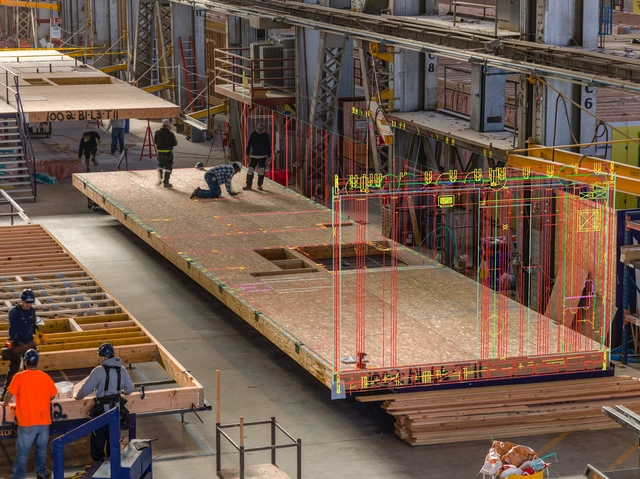
The Choctaw Casino and Resort expansion in Durant, OK, USA, completed in 2021, included enlarging the casino, adding 1,000 hotel rooms, conference areas, shops, and other amenities. The entire undertaking was accomplished in just 2.5 years, with an impressive 350,000 square feet of tile installed within a mere six months. The core focus of the project was to waterproof approximately 1,200 showers to ensure their longevity. The combination of high-quality installation systems, thorough training, effective communication, and collaboration were pivotal in achieving alignment on project goals and execution.
Sameer Makarius was born in Cairo in 1924. In 1933, he immigrated with his family to Berlin. At the age of ten, his father gifted him a camera, marking the beginning of his journey with photography. Following the outbreak of the Second World War, in 1940, they moved to Budapest, where he completed his secondary education, began his artistic training, and connected with the protagonists of the local avant-garde. In 1946, he embarked on his return to Egypt with a prior stop in Zurich. There, he organized an exhibition of Hungarian modern art with the support of Max Bill. Back in Cairo, he worked as a decorative artist for advertising and also for an architecture and construction studio.
His artistic work arrived in the Río de La Plata a few years before he did, through his partner Eva Reiner, who was already living in Argentina with her family. In 1948, she lent one of his works for the MADI art exhibition organized in the workshop of the German sculptor Martin Blaszko. After marrying Eva in Egypt in 1952, they traveled together to Paris, where they worked as pattern designers. They finally arrived in Buenos Aires in April 1953, a city that would become their permanent residence. His migratory journey was marked by the drama of war. At the same time, during these displacements, Makarius built a network of relationships around photography, visual arts, and architecture that allowed him to unfold his work in various territories and formats.
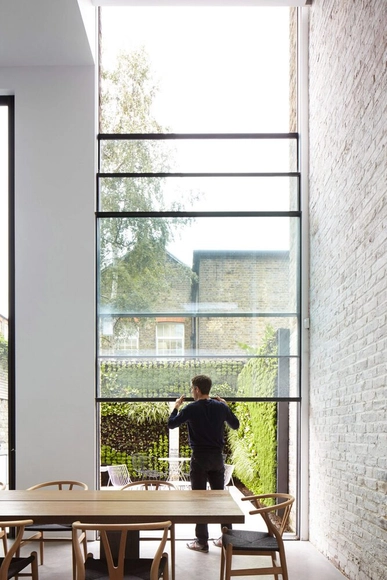
When it comes to windows, we can see how much the industry's technology has evolved over time. While the first versions of windows were small and not very transparent, today we can find large sheets of glass that blur the boundaries between the inside and outside, and can create virtually translucent façades. And this doesn't have to be limited to fixed glass. These days, we can use huge glazed surfaces that can be easily handled, thanks to a great deal of research and experimentation by manufacturers to improve components and raw materials. To create a large frame, for example, larger furnaces are needed for tempering, and strict technical control is required, demanding precision and high-quality standards, along with structural bonding using modified silicones and silyl-based polymers.
In an effort to bolster public care and personal hygiene services for the unhoused population, the Ministry of Human Rights and Citizenship (MDHC) has established the Street Support Points Program (PAR). The initiative aims to provide public spaces and facilities managed in partnership with civil society organizations.
https://www.archdaily.com/1136316/street-support-points-program-promoting-care-and-hygiene-for-the-homeless-populationArchDaily Team
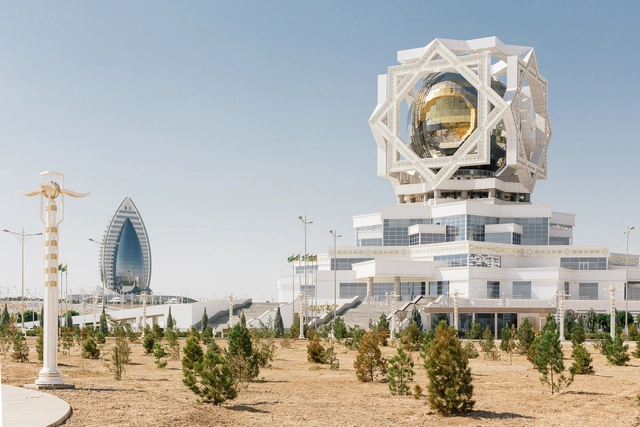
Arnau Rovira is a photographer who found himself in Turkmenistan by accident. From Barcelona, he recalls the story of how he found himself in its capital, Ashgabat, accompanying sports journalists for the 2017 Asian Indoor and Martial Arts Games. This Central Asian country, a former colony of the USSR, is known not only for its strict access and control restrictions but also for its white and golden structures that create a futuristic city near the border with Iran.
With its sights set on the future, in 2024, the Universidad Católica del Uruguay is adding the Architecture, Design, and Environment program to its academic offerings. Felipe Reyno, PhD in Architecture and director of this new degree program, reflects on the need to train architects with a contemporary, contextual, diverse, critical, and collaborative perspective.
There are numerous intersections between art and architecture, including aesthetic enjoyment, formal element composition, the relationship with the environment, and abstraction. The unique combinations of these aspects distinguish each architecture office or artist in their practice and language. Diogo Aguiar Studio is an architecture office that actively explores these intersections, pushing the boundaries that traditionally separate art from architecture.
Each project is built on the dynamic interaction between architecture and art, serving as its foundation and driving force. This approach yields work that addresses functional requirements and ventures into uncharted territories of spatial research. Notably, materials exploration and sensory aspects in both architectural and immersive artistic spaces stand out as a significant aspects of their endeavors.
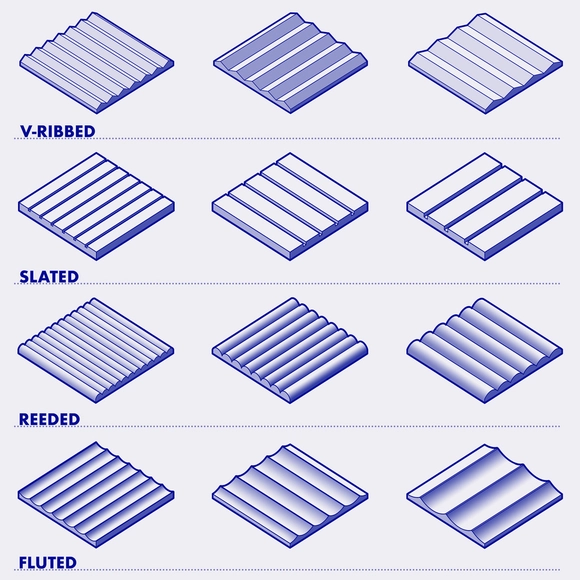
Trends always come and go in the ever-evolving, somewhat cyclical landscape of interior architecture. Whether it’s a new aesthetic, an innovative wall treatment or the latest viral color, certain design features rise to prominence all the time in this dynamic industry. Some fade as quickly as they emerge or resurface in new forms years later, while others endure and stand the test of time through continuous reinvention –often thanks to their versatile and adaptable nature. Ribbed paneling is a clear example of the latter. With its ability to add texture and visual allure to various design styles, it has been a popular cladding choice for bedrooms, kitchens and living spaces in recent decades. And now more than ever, fitting with current preferences that lean towards sleek, tactile and structured elements, it has consolidated its presence in contemporary residential interiors.
Whether through small samples of materials or a digital collage, a moodboard is a valuable project tool for architects and designers; an inspiration board with colors and elements to guide choices. The objective is to use this as an inspirational tool for upcoming projects, in order to define backgrounds, predominant textures, and standout details. To this end, surfaces play a fundamental role in defining a space and setting the tone of the space, just like a piece of music, where all the other elements may or may not match the harmony of the chosen palette.
The built environment represents, for most of us, the background of everyday life, and yet, when we look at a building, we rarely understand what it is made of. In doing so, we also fail to understand its impact on us and on the larger systems of nature. Office Kim Lenschow aims to draw attention to this and to provoke critical thinking in relation to architecture and the materials that make it. By focusing on small-scale, mostly residential projects, the office seeks to reveal this hidden narrative of materials and cultivate more awareness and engagement with the structures surrounding us. For their involvement in the exploration of materials and sustainable development, Office Kim Lenschow has been selected as one of the ArchDaily 2023 New Practices. Every year since 2020, ArchDaily has curated and highlighted emerging offices that bring a new perspective to the field of architecture and design.
In charming Oberneukirchen, located in the Austrian countryside, architect Walter Kräutler and artist Sofie Thorsen have come together to transform the interior of the neo-Gothic village church in episode 10 of Opening up.
How is it possible to reduce the energy consumption of our homes? What design, material, and/or technological strategies can be developed to achieve interior comfort while also addressing the climate crisis? While achieving energy efficiency depends, among other factors, on the state of the homes, there are various strategies related to the implementation of renewable energies, air conditioning technologies, and more that can be applied, taking into account government policies, laws, regulations, and standards specific to each region.
It could've been so kitsch. When you hear that a former prison has been transformed into a hotel, you'd be forgiven for imagining an incarceration-themed novelty destination, replete with door handles in the shape of handcuffs and complimentary striped pajamas.
Grüntuch Ernst Architekten's sensitive adaptation of a women’s jail in Berlin-Charlottenburg is anything but, however. The landmark building, originally completed in 1896, has been carefully honed into a place of light and tranquility and has already managed, since its opening last year, to cultivate a loyal community of discerning –and returning– guests in search of restorativeness rather than restorative justice.
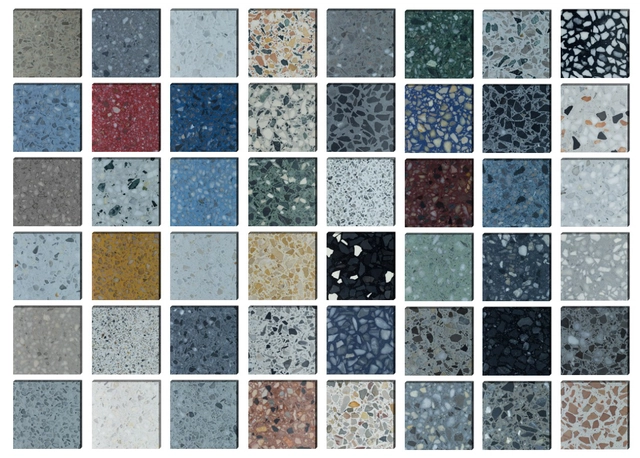
Initially conceived as a way to use fragments from marble construction waste, terrazzo is a material widely used around the world, with its modern roots dating back centuries to Venice, Italy. Its aesthetic is unmistakable, characterized by mottled patterns and a wide range of colors poured onto the floor. It is not surprising that this material is widely appreciated by architects in various types of projects due to its unique appearance. A notable example of the use of terrazzo is the Guggenheim Museum in New York, designed by Frank Lloyd Wright. Upon discovering it during one of his trips, Wright recognized that thanks to its aesthetic appeal and versatility, it would endure as the museum's interior finish.
The evolution of construction materials has transformed terrazzo from the traditional mixture used by Wright, which included concrete as a binder, to a version that incorporates an epoxy matrix, enhancing its iconic aesthetic and integrating additional technical capabilities. Today, Terrazzo & Marble empowers contemporary designers to create distinctive patterns and vibrant color palettes that seamlessly align with the context of modern architecture. This is accomplished through four leading principles that guide architects in specifying epoxy terrazzo.
https://www.archdaily.com/1009577/mottled-and-timeless-why-do-architects-and-designers-specify-epoxy-terrazzoEnrique Tovar
Videos
Phoenix Project. Image Cortesia de Autodesk
"In just one generation, we have gone from the pencil to AI.” This quote by Knut Ramstad from the Nordic Office of Architecture encapsulates the seismic changes we have witnessed in the development of architecture projects over the last few decades. By bringing forth increased efficiency and visualization possibilities, the express analysis and deeper understanding of project variables have become much easier. Architectures have become more complex, with more variables, numerous new demands and pressures, and with deadlines not getting any shorter. In this ever-evolving landscape of the architecture, engineering, and construction (AEC) industry, technological advancements have sparked a radical shift in professionals' approach to conceptualizing, planning, and executing projects, expanding a wide array of opportunities and highlighting the transformative power of data as an essential resource. This transformation could catalyze the industry's efficiency and sustainability, with a crucial focus on reducing its carbon footprint and minimizing waste generation.
Although construction is primarily based on technical principles, which at first glance seem to follow only pre-established designs and specifications, there is a deeper dimension related to the nature and essence of the materials used. These materials do not only perform a utilitarian function; they also transcend their mere purpose, evoking the notion put forward by Pablo Neruda: "There is a rigor in materials that limits excessive whim and the struggle to infuse them with humanity."
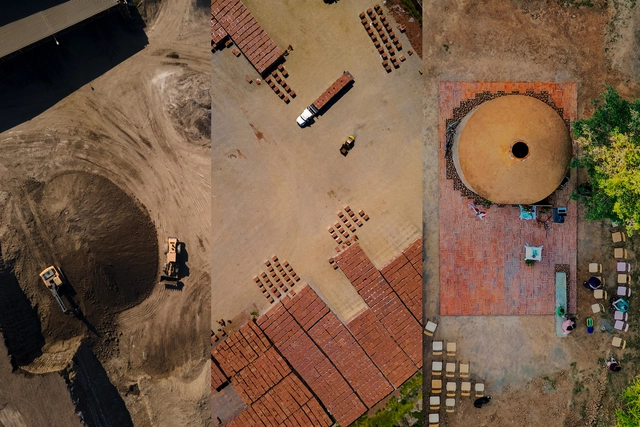
Among the range of existing materials, there is perhaps none as universal as brick. Its versatility and aesthetic honesty have made it a widely used resource in the construction of diverse spaces worldwide. Within Chilean architecture, the broad possibilities this material offers have been highlighted, having been exceptionally utilized by numerous architects. Furthermore, it has gained renewed relevance in architectural discourse, as exemplified by the book "Arcilla. Materia y Obra en Arquitectura." This is reflected throughout the history of Cerámica Santiago and its joint collaboration with the Faculty of Architecture and Art at UDD to promote the Brick Architecture Prize.
https://www.archdaily.com/1136376/matter-clay-and-construction-the-use-of-ceramic-brick-in-chilean-architectureEnrique Tovar
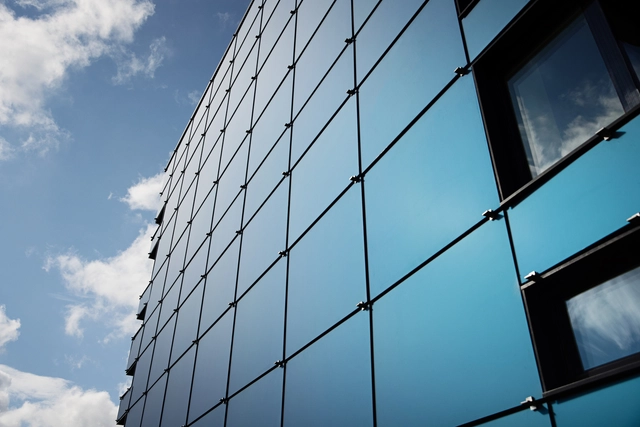
Solar Facades on Det Grønne Hus. Image Courtesy of SolarLab
Renovations involve design processes that transform, refurbish and enhance architectural elements. From gentle aesthetic changes to structural additions, building renovation can improve functionality, safety, and energy efficiency. By integrating new technologies, contemporary strategies are giving new life to existing buildings, propelling already-built projects into the future.
Through their energy-efficient, durable, and bespoke solutions, SolarLab leverages architectural heritage by introducing custom energy-producing facades to existing buildings. By seamlessly combining technologies with design freedom, these solar facades adapt to each project’s style while acting as rain screens with a long, maintenance-free service life. Moreover, by producing sustainable electricity, integrating this system into refurbishment projects contributes to the building’s day-to-day operations, effectively reducing its environmental impact.
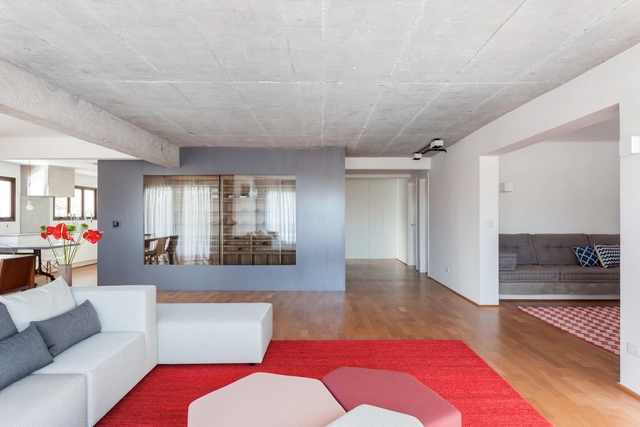
Choosing how to paint your apartment can significantly impact its atmosphere and visual appeal. While it may be tempting to stick with the comfort of white walls, considering different colors can enhance your everyday life and make your home more vibrant. To help you navigate the many possibilities, we've gathered some tips for creating a more colorful and personalized living space.