

-
Architects: en-route-architecture
- Area: 44 m²
- Year: 2019
-
Professionals: Stepsis ATE
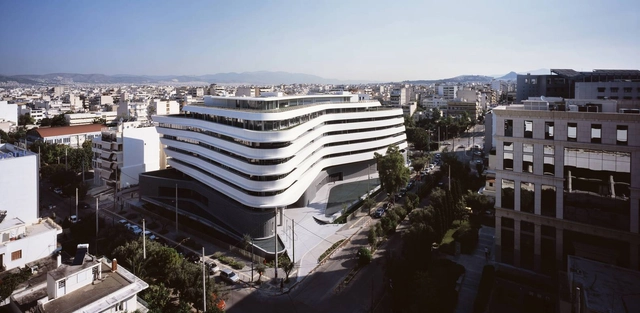
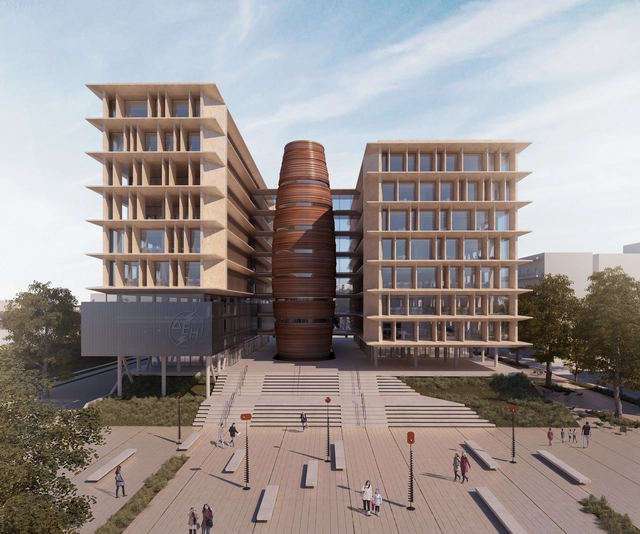
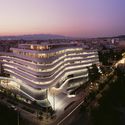
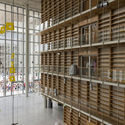
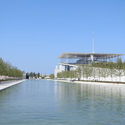
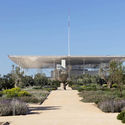
Micromega’s winning proposal for the new Public Power Corporation HQ in Athens seeks to define the company’s public character in creating an integrated urban park around and under the structure. The site which held the steam-powered station is to become a contemporary landmark for the city whilst establishing a dialogue with the historical complex and the existing old electricity factory.
Through Micromega’s design, PPC’s commitment to sustainable forms of energy will be established by three main “topoi” (spaces) that educate and express the company’s renewable sources – sun, wind, and water. In the creation of the new urban park, the architects hope to activate environmental awareness, reminding the public of the alternative clean sources available.
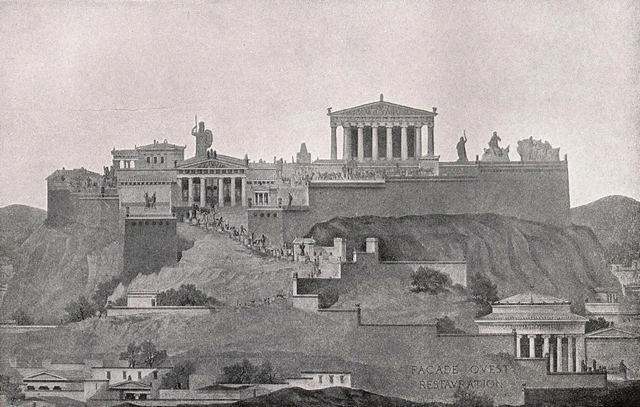
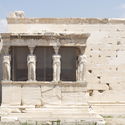
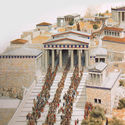
The Parthenon, perhaps the most celebrated example of Classical Greek architecture, was only the first of a series of remarkable buildings to be constructed atop the Athenian Acropolis in the wake of the Persian Wars. Led by the renowned statesman Pericles, the city-state embarked on an ambitious rebuilding program which replaced all that had been razed by the Persians. The new complex, while dedicated to the gods and the legends that surrounded the Acropolis, were as much a declaration of Athens’ glory as they were places of worship – monuments to a people who had risen from the ashes of a war to become the most powerful and prosperous state in the ancient world.
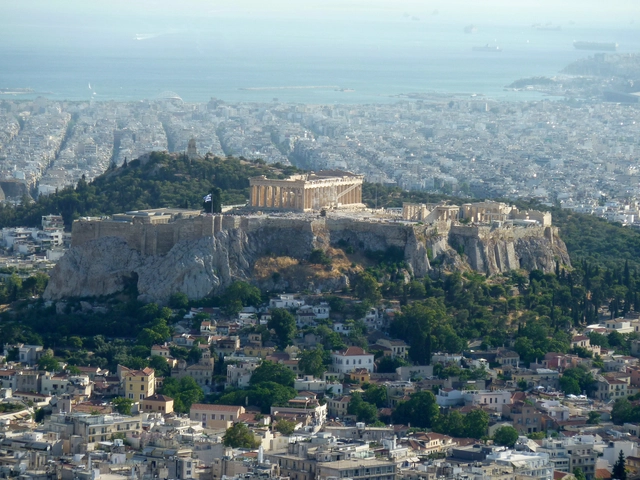
It is unsurprising that Athens, the city widely considered to be the cradle of Western civilization, would have made as celebrated a contribution to architecture as it has to countless other human pursuits. Built on a hilltop above the contemporary city, the weathered marble complex known as the Acropolis stands as a faded remnant from the former city-state’s ancient glory years, surrounded by the products of the centuries that followed. The greatest of these landmarks, the Parthenon, captures an age long past when Athens was the wealthiest and most powerful city-state in Greece and beyond.

Archstudies.gr and DeCorbuziers, in partnership with the School of Architecture of the National Technical University of Athens, have announced their international student competition to design a conceptual funerary monument for the death of Modernism.
With this year marking the 50th anniversary of Le Corbusier’s death, the team of organizations is seeking “contemporary interpretations concerning multidisciplinary approaches over Modernism and specifically over Le Corbusier’s work, while [exploring] possible themes and directions of the memorial representation” in present day. Designs should emphasize commentary, rather than a tribute to Le Corbusier.