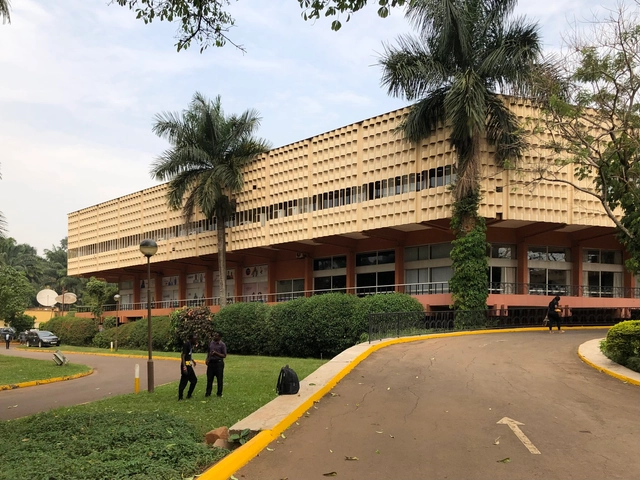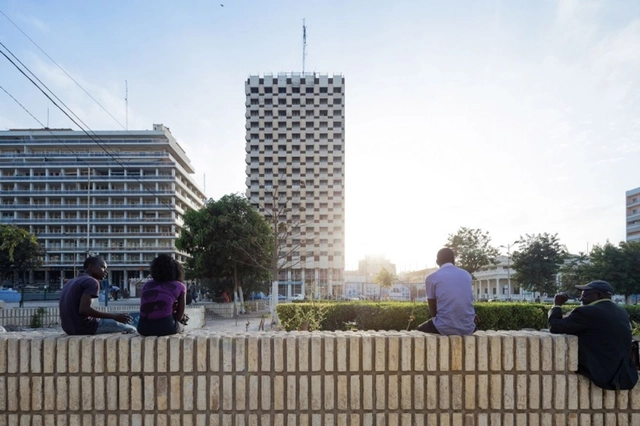
Mohieldin Gamal

Mohieldin is a Sudanese-British architect based in London, interested in cities, modern heritage, and Africa.

BROWSE ALL FROM THIS AUTHOR HERE
↓

Hannes Meyer: Exploring the Legacy of a Former Bauhaus Director

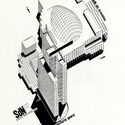
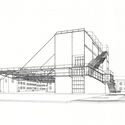
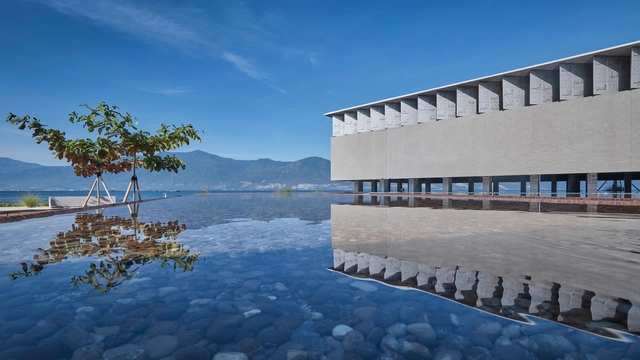
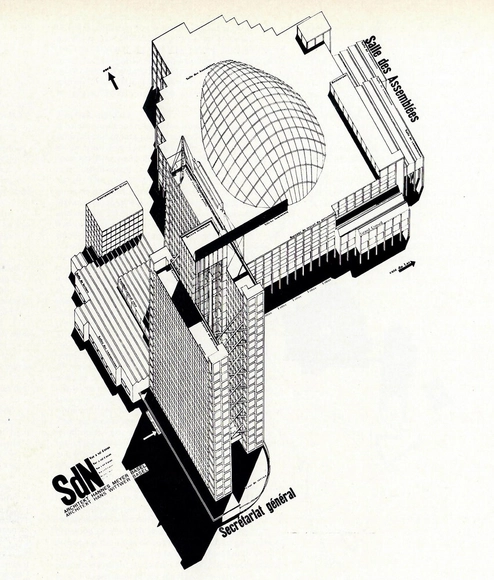
In March 2025, the actor Adrian Brody rose to the stage to collect his Academy Award for playing the role of László Toth in the acclaimed film, The Brutalist. The film is about a Bauhaus-educated architect who escaped Nazi Germany in the 1930s for the United States. Whilst the story is fictional, it reflects the lives of several émigré architects who left Central Europe in search of better working and intellectual conditions. These included the first three directors of Bauhaus, the renowned German school of design established in 1919. The first and third directors of the school, Walter Gropius and Mies van der Rohe respectively, ended up in the US where their careers in teaching and building both flourished. Lesser known is the second director, Hannes Meyer, who took a different path from his colleagues.

Hannes Meyer: Exploring the Legacy of a Former Bauhaus Director - Imagen 1 de 4Hannes Meyer: Exploring the Legacy of a Former Bauhaus Director - Imagen 2 de 4Hannes Meyer: Exploring the Legacy of a Former Bauhaus Director - Featured ImageHannes Meyer: Exploring the Legacy of a Former Bauhaus Director - Imagen 4 de 4Hannes Meyer: Exploring the Legacy of a Former Bauhaus Director - More Images+ 6

Subscriber Access

Independent Heritage Documentation: How Digital Tools and Photogrammetry Are Reshaping Preservation Efforts

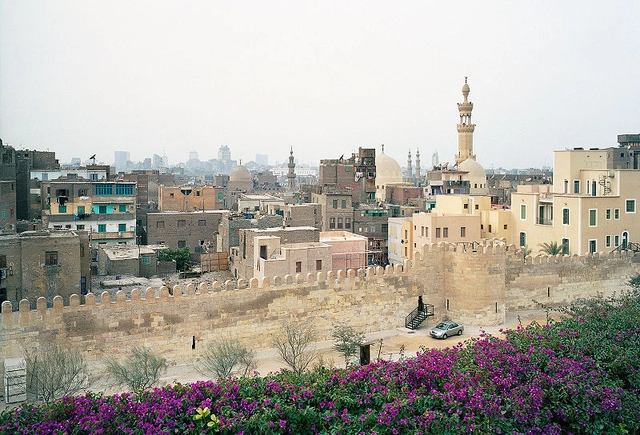
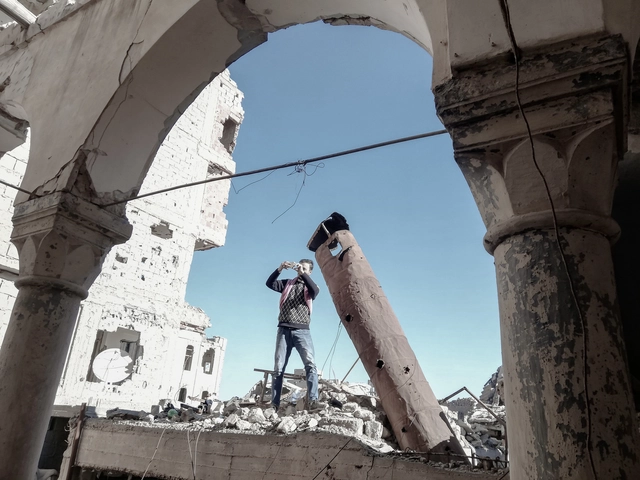
The use of technology has become vital in the documentation and conservation of heritage, especially in difficult or urgent circumstances. After many landmarks of the historic city of Palmyra were destroyed during Syria's war in 2015, conservators built three-dimensional digital models of the destroyed city to aid its future reconstruction. The destruction of the Buddhas of Bamiyan in Afghanistan in 2001 with very little prior documentation prompted action in the documentation of vulnerable monuments, such as the establishment of CyArk. More recently, detailed digital surveys and a heritage BIM model were essential in the restoration of Notre-Dame Cathedral in Paris after it was devastated by fire in 2019.

Independent Heritage Documentation: How Digital Tools and Photogrammetry Are Reshaping Preservation Efforts - Image 1 of 4Independent Heritage Documentation: How Digital Tools and Photogrammetry Are Reshaping Preservation Efforts - Image 2 of 4Independent Heritage Documentation: How Digital Tools and Photogrammetry Are Reshaping Preservation Efforts - Image 3 of 4Independent Heritage Documentation: How Digital Tools and Photogrammetry Are Reshaping Preservation Efforts - Image 4 of 4Independent Heritage Documentation: How Digital Tools and Photogrammetry Are Reshaping Preservation Efforts - More Images+ 10

Modernism in Africa: Shedding Light on Nigeria’s Rich Heritage of Education Buildings

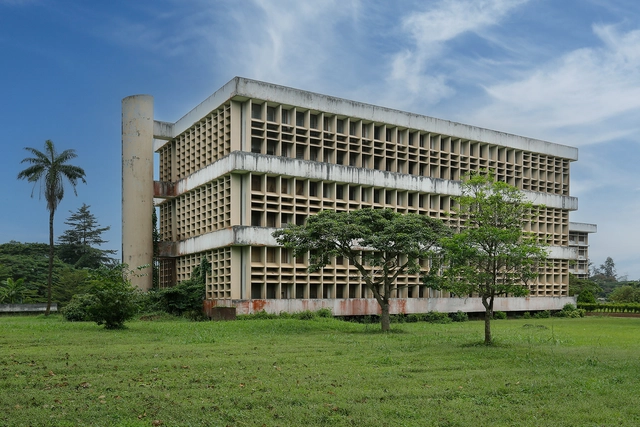
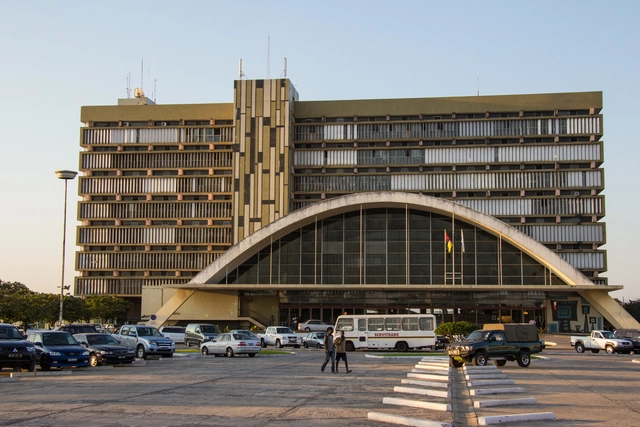
In late 2024, an important addition was made to the growing literature on Modern architecture in Africa. "Modernism in Africa: The Architecture of Angola, Ghana, Mozambique, Nigeria, Rwanda, South Africa, Sudan, Tanzania, Uganda" was published by Docomomo International and Birkhäuser, shedding light on multiple previously unpublished buildings. The book has a focus on education, although other building types are included. Amongst these are several university buildings in Nigeria which are explored here. Like other Modern buildings on the continent, they illustrate historical narratives of independence, decoloniality, international relations, and architectural education.

Modernism in Africa: Shedding Light on Nigeria’s Rich Heritage of Education Buildings - 1 的图像 4Modernism in Africa: Shedding Light on Nigeria’s Rich Heritage of Education Buildings - Featured ImageModernism in Africa: Shedding Light on Nigeria’s Rich Heritage of Education Buildings - 2 的图像 4Modernism in Africa: Shedding Light on Nigeria’s Rich Heritage of Education Buildings - 3 的图像 4Modernism in Africa: Shedding Light on Nigeria’s Rich Heritage of Education Buildings - More Images+ 10

Subscriber Access

Contemporary Mosques: Using Context as Driver over Symbolism

The configuration of the mosque, the worshipping place for Muslims, traces its history to the courtyard of the religion's founder. The first mosques were, therefore, simple open spaces marked for ritual prayer use. Over the years and centuries, they would gain multiple standard, functional features, such as the mihrab, a niche that indicates the direction of prayer, and the minbar, a pulpit for the preacher to give the sermon. Other elements also became common, such as domes and minarets, which were historically used for the call to prayer. These had the additional purpose of signifying the function of the building as a mosque and were used by rulers and benefactors to elevate its grandeur.

In contemporary times, mosques are not immune from architectural debate. Elements that have no religious function are questioned, as is the relationship between a mosque and its context. The discussion is especially stark in parts of the world with relatively new Muslim communities, where some theorists have advocated for the removal of symbolic elements on the basis that they are 'pastiche,' while others are nostalgic about the sentimentality associated with historical forms. Nonetheless, contemporary architects have been successfully elevating mosque architecture, fulfilling its functional requirements creatively, while allowing the building's context to drive the form.

Contemporary Mosques: Using Context as Driver over Symbolism - More Images+ 6

Subscriber Access

Heritage in Syria: Independent Groups Documenting the Country’s Historic Architecture

It is common for states to have legislation and institutions that protect their built heritage. It is also common for there to be gaps in the laws themselves or their implementation while certain circumstances may place a country's heritage under specific vulnerabilities. Thus, alongside state institutions, there are locally based architects and researchers establishing independent initiatives to document and conserve aspects of their built heritage. Syria is one example of a place with an extensive history of monuments and buildings of interest as well as active groups of independent conservators.

Heritage in Syria: Independent Groups Documenting the Country’s Historic Architecture - Image 3 of 4Heritage in Syria: Independent Groups Documenting the Country’s Historic Architecture - Image 1 of 4Heritage in Syria: Independent Groups Documenting the Country’s Historic Architecture - Image 11 of 4Heritage in Syria: Independent Groups Documenting the Country’s Historic Architecture - Image 5 of 4Heritage in Syria: Independent Groups Documenting the Country’s Historic Architecture - More Images+ 9

Rediscovering Modernism in Africa: From Nostalgia to Optimism

The mid-twentieth century marked a transformative period for Africa as 29 countries achieved independence between 1956 and 1964, signaling the dawn of the nation-state across the continent. This era resonated with a spirit of liberation and progress, paralleling the global movements of that time, such as the establishment of international organizations like the United Nations (1945) and the Organization of African Unity (1963). Within this context, Modernist architecture emerged as a powerful symbol of national identity, ambition, and the collective aspiration for a brighter future. As newly independent nations sought to define themselves apart from their colonial pasts, the adoption of Modern Movement principles facilitated the construction of key infrastructures, such as convention centers, parliament buildings, and hotels, as well as the development of architectural education, as native-trained architects begun to either replace or cooperate with foreign-born professionals.

This article inaugurates a new series titled Rediscovering Modernism in Africa, aiming to explore the architectural legacy of the Modern Movement in Africa, highlighting its role in nation-building and the evolution of architectural education, while shedding light on the architects and movements that shaped this transformative era.

Rediscovering Modernism in Africa: From Nostalgia to Optimism - Image 1 of 4Rediscovering Modernism in Africa: From Nostalgia to Optimism - Image 2 of 4Rediscovering Modernism in Africa: From Nostalgia to Optimism - Image 3 of 4Rediscovering Modernism in Africa: From Nostalgia to Optimism - Image 4 of 4Rediscovering Modernism in Africa: From Nostalgia to Optimism - More Images+ 13

Subscriber Access

Constructed Democracy: How African Countries Embraced Modernism with their National Assemblies

As, one by one, the African nations gained their independence in the middle of the twentieth century, building programs were central to the process of nation-building. In several of those countries, this included the construction of the state's institutions such as their respective national assembly. These buildings not only facilitate the legislative process but also symbolize the new nation's governance, identity, and aspirations. The period of independence movements also coincided with the introduction of the Modern Movement across the continent, which was associated with progress and a break from the colonial past. Across Africa, some national assemblies were constructed early and were part of the nationalization process that preceded independence, while some were constructed long after.

Constructed Democracy: How African Countries Embraced Modernism with their National Assemblies - Image 1 of 4Constructed Democracy: How African Countries Embraced Modernism with their National Assemblies - Image 2 of 4Constructed Democracy: How African Countries Embraced Modernism with their National Assemblies - Image 3 of 4Constructed Democracy: How African Countries Embraced Modernism with their National Assemblies - Image 4 of 4Constructed Democracy: How African Countries Embraced Modernism with their National Assemblies - More Images+ 3

Subscriber Access

Two African National Museums: National Identity Reflected in Modernist Design

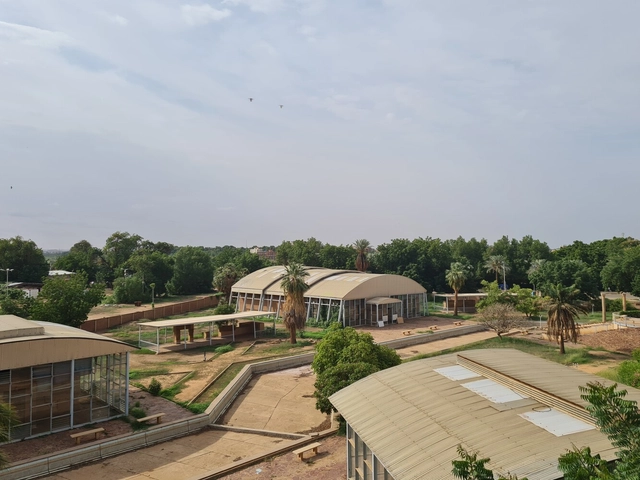
Two museums in Africa built in the mid-twentieth century carry the name 'National Museum.' They reflect the story of their respective nation's history and are tied to notions of national identity. Both are also examples of fine architecture built on the principles of Modernism, a movement associated with nation-building in Africa. However, their inception and purpose followed very different paths. This article explores the under-reported architecture of the National Museum of Ghana in Accra and the Sudan National Museum in Khartoum.

Two African National Museums: National Identity Reflected in Modernist Design - Imagem 1 de 4Two African National Museums: National Identity Reflected in Modernist Design - Imagem 2 de 4Two African National Museums: National Identity Reflected in Modernist Design - Imagem 3 de 4Two African National Museums: National Identity Reflected in Modernist Design - Imagem 4 de 4Two African National Museums: National Identity Reflected in Modernist Design - More Images+ 7

“Let’s Boldly Confront Our Shared History:” In Conversation with Kossy Nnachetta of Feilden Clegg Bradley Studios

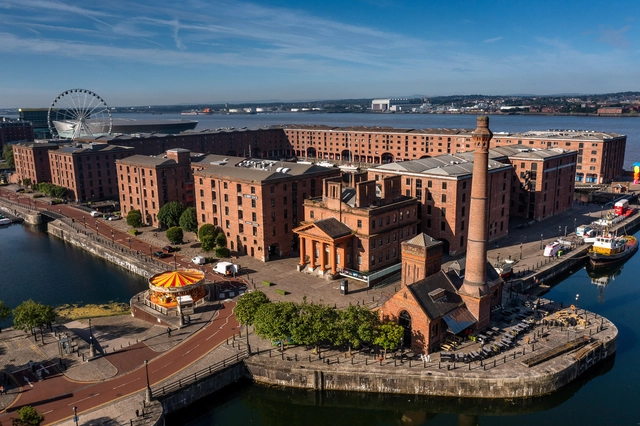
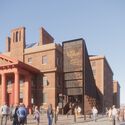
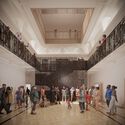
The redevelopment of the International Slavery Museum (ISM) and Maritime Museum in Liverpool, UK, achieved planning approval in Autumn 2024. On this occasion, ArchDaily's editor Mohieldin Gamal had the opportunity to engage in a conversation with Kossy Nnachetta, partner at Feilden Clegg Bradley Studios, the office in charge of the redevelopment. She discusses her architectural journey, key considerations of her practice, and the challenges and opportunities of designing the Maritime and International Slavery Museum, a joint project that had to address several sensitive and historically important issues. Kossy draws on her human-centered and community-driven design approach, describing how this development builds upon Feilden Clegg Bradley Studios' extensive portfolio of cultural projects, adaptive reuse, and historical restorations.
“Let’s Boldly Confront Our Shared History:” In Conversation with Kossy Nnachetta of Feilden Clegg Bradley Studios - Image 1 of 4“Let’s Boldly Confront Our Shared History:” In Conversation with Kossy Nnachetta of Feilden Clegg Bradley Studios - Image 2 of 4“Let’s Boldly Confront Our Shared History:” In Conversation with Kossy Nnachetta of Feilden Clegg Bradley Studios - Image 3 of 4“Let’s Boldly Confront Our Shared History:” In Conversation with Kossy Nnachetta of Feilden Clegg Bradley Studios - Image 4 of 4“Let’s Boldly Confront Our Shared History:” In Conversation with Kossy Nnachetta of Feilden Clegg Bradley Studios - More Images+ 17

Subscriber Access

Modernist Hotels in East Africa: A Reflection of National Identity

The middle of the Twentieth Century saw the independence of most countries on the African continent. Those euphoric times brought forward-looking sentiments and a wish to break with the past. As an architectural movement, Modernism was ideal for the day, and newly independent countries had extensive building programs to assert themselves as fully functioning nations.

Hotels are one type of building that illustrates the complex architectural and political history of the times. Some were built specifically to host international delegations, others to boost tourism, while some were built as strong leaders' wishes. Although a marginal building type, several hotels across Africa stand as physical records of important parts of their respective country's history. Following an exploration of the histories of West Africa's Modernist Hotels, this second article turns to East Africa to uncover the ways in which this understated typology relates to larger histories of independence and national identity.

Modernist Hotels in East Africa: A Reflection of National Identity - Image 1 of 4Modernist Hotels in East Africa: A Reflection of National Identity - Image 2 of 4Modernist Hotels in East Africa: A Reflection of National Identity - Image 3 of 4Modernist Hotels in East Africa: A Reflection of National Identity - Image 4 of 4Modernist Hotels in East Africa: A Reflection of National Identity - More Images+ 8

Subscriber Access

Welcoming the World: Modernist Hotels in West Africa

The middle of the Twentieth Century saw the independence of most countries on the African continent. Those euphoric times brought forward-looking sentiments and a wish to break with the past. Modernism, as an architectural movement, was ideal for the day, and newly independent countries had extensive building programs to assert themselves as fully functioning nations.

Hotels are one type of building that illustrates the complex architectural and political history of the times. Some were built specifically to host international delegations, others to boost tourism, while some were built as strong leaders' wishes. Although a marginal building type, several hotels across Africa stand as physical records of important parts of their respective country's history.

Welcoming the World: Modernist Hotels in West Africa - Image 3 of 4Welcoming the World: Modernist Hotels in West Africa - Image 1 of 4Welcoming the World: Modernist Hotels in West Africa - Image 2 of 4Welcoming the World: Modernist Hotels in West Africa - Image 4 of 4Welcoming the World: Modernist Hotels in West Africa - More Images+ 5

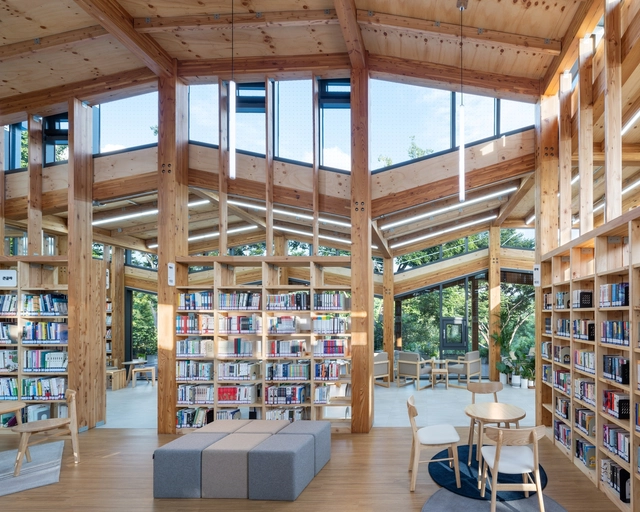
Revitalizing the Local Library: Diverse Functions to Drive Community Engagement

In the year 2000, the Royal Institute of British Architects (RIBA) awarded its prestigious Stirling Prize to Peckham Library, by architects Alsop and Stormer. Although it wasn't the first time for a library to win the prize, it was the first time a local library won it. It was an illustration of the times when public finances could conjure briefs with the intention to "create a building of architectural merit that will bring prestige to the borough." The library was commended for the public open space it created, its fun and colorful design, and its environmental credentials. It sits proudly in the heart of the community and it is interesting that its sign, projecting above the roof line, simply spells 'Library', an indication of the importance of this building's function to the area.

Revitalizing the Local Library: Diverse Functions to Drive Community Engagement - Image 1 of 4Revitalizing the Local Library: Diverse Functions to Drive Community Engagement - Image 2 of 4Revitalizing the Local Library: Diverse Functions to Drive Community Engagement - Image 3 of 4Revitalizing the Local Library: Diverse Functions to Drive Community Engagement - Image 4 of 4Revitalizing the Local Library: Diverse Functions to Drive Community Engagement - More Images+ 9

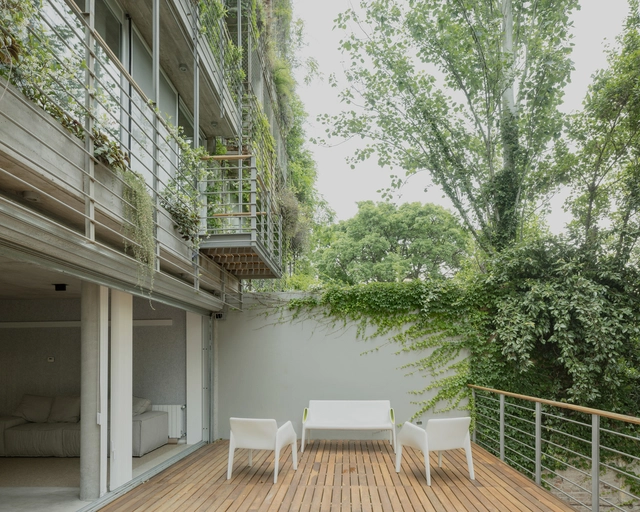
Balcony Design for Urban Living: A Comprehensive Guide

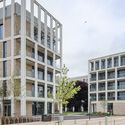
In dense urban living, the ability to connect with the outdoors for enjoyment and for wellbeing becomes starkly important. This became particularly apparent in the COVID-19 pandemic when millions of people across the globe had to be confined to their homes for long periods. Notwithstanding that, as the world increasingly urbanizes, good quality housing design is vital and this includes access to the outside. In a city like London, this need was recognized, and providing an outside space in every dwelling became mandatory around the year 2010. In multi-storey housing, providing outside space usually takes the form of a balcony. The design possibilities are endless, so what are the key considerations when incorporating balconies in an urban residential building?

Balcony Design for Urban Living: A Comprehensive Guide - Image 1 of 4Balcony Design for Urban Living: A Comprehensive Guide - Image 2 of 4Balcony Design for Urban Living: A Comprehensive Guide - Image 3 of 4Balcony Design for Urban Living: A Comprehensive Guide - Image 4 of 4Balcony Design for Urban Living: A Comprehensive Guide - More Images+ 18

Subscriber Access

From Kumasi to Khartoum: How Architectural Education in Africa Was Influenced by Modernism

There is a burgeoning, perhaps overdue, interest in mid-twentieth-century African architecture of the Modern Movement. This period saw independence movements and new self-ruling governments asserting their new nationhood with built projects, often in what was regarded as the International Style or Tropical Modernism, both offshoots of Modernism. These included monuments, convention centers, and hotels, with well-known examples such as the refined brutalism of the Kenyatta International Convention Center in Nairobi, Kenya, or the formal expressionism of the Dakar International Fair, Senegal.

From Kumasi to Khartoum: How Architectural Education in Africa Was Influenced by Modernism - Imagem 1 de 4From Kumasi to Khartoum: How Architectural Education in Africa Was Influenced by Modernism - Imagem 2 de 4From Kumasi to Khartoum: How Architectural Education in Africa Was Influenced by Modernism - Imagem 3 de 4From Kumasi to Khartoum: How Architectural Education in Africa Was Influenced by Modernism - Imagem 4 de 4From Kumasi to Khartoum: How Architectural Education in Africa Was Influenced by Modernism - More Images+ 9

Subscriber Access

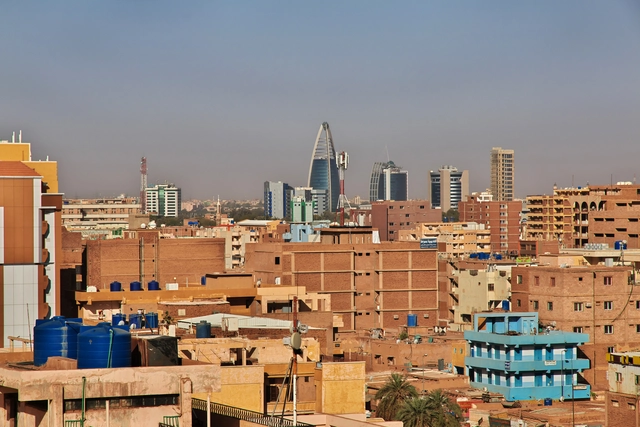
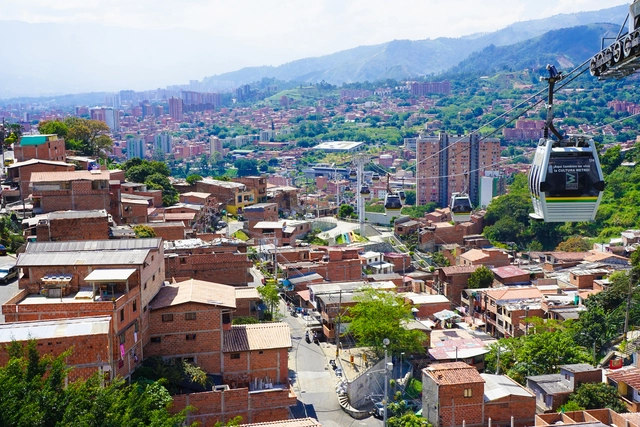
What Can African Cities Learn from South America?

Recent news headlines from the African continent show a variety of urgent issues affecting urban centers: severe flooding threatens Kenya's capital, Nairobi; the light rail system in Addis Ababa, Ethiopia, is faltering after a successful start. Meanwhile, in Egypt's capital, Cairo, new infrastructure and housing expenditures proved too steep and necessitated a government bailout. African cities face a plethora of problems but they also hold the potential to improve countless lives. As South America shares stark similarities in its history with that of Africa, it could provide both a point of reference and a positive example for tackling these concerns at an urban level.