B.S. in Architecture and Master of Architecture from Ohio State Knowlton School. Master of Science in Real Estate Development at Columbia University. Senior Contributor at ArchDaily. New York, NY. Interested in strategic development of cities at the intangible scale.
Fashion Street in Decentraland. Image Courtesy of Decentraland
Imagine if a few years ago you woke up to the news that someone paid more than one million dollars for three plots of digital land next to famed rapper Snoop Dogg’s digital mansion. You’d probably ask yourself, “What is digital real estate, and why would someone pay for that?” Over the past year, there’s been a rush to buy properties, art, and land- but all of it exists in a virtual world called the metaverse. Although this world existed long before the pandemic, lockdowns propelled the online world to a new level, catching the attention of private buyers and brokerages alike who began to funnel tier money into this augmented reality. But how did this world emerge, what does the future hold, and can anyone join the virtual world?
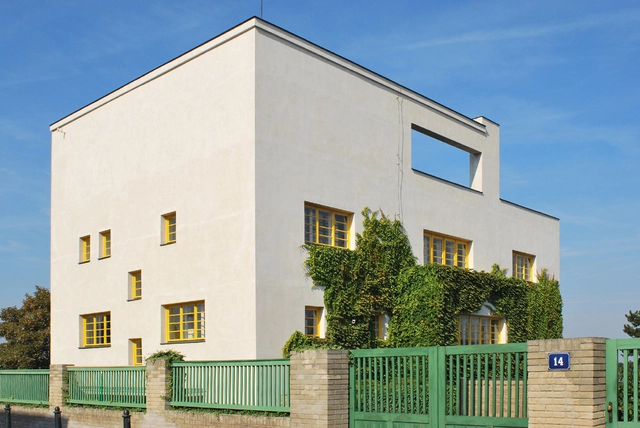
Throughout history, architectural styles, have experienced numerous movements throughout time, giving us various expressions of interior and exterior spaces. These movements are often created out of dissatisfaction with the status quo, shifts in religious ideologies, or the emergence of new building technology. Perhaps one of the most famous instances in history was the precedent set by Adolf Loos and his desire to break away from Viennese tradition with his strong dissent of ornament in architecture in favor of simplicity, and his literary discourse that lay the cornerstone for the modernist movement in architecture.
The hassle and stress that comes with home buying is something that everyone interested in purchasing a property dreads. The long process of negotiations between buyers and sellers, months of escrow, and expensive closing costs demand a more simple and convenient process of home transactions. Consumers today expect a quick turnaround on all services- including purchasing a home. Enter ‘iBuyers” who are removing the hurdles around this process and making home valuations and sales a more automated process.
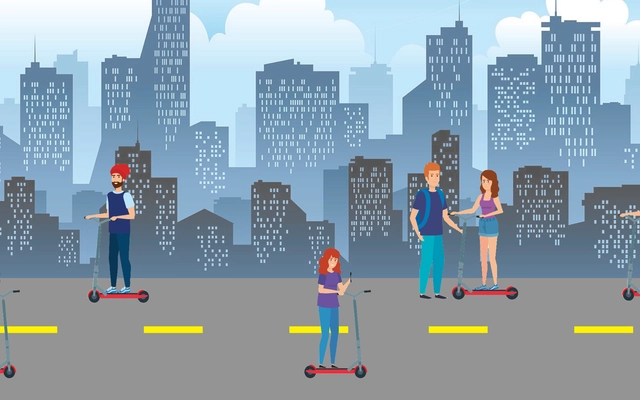
The rise of electric scooter fleets in cities around the globe happened almost overnight. By making transportation fun, they quickly took over a new market share and provided not only an easy way to travel but one that also prides itself in being sustainable. First becoming popular on the West Coast of the United States, scooters migrated eastward, eventually sweeping across Europe as well. Easy to maneuver and a convenient solution to get from place to place, we have to ask- can cities handle the accelerating rise of scooters and other forms of micromobility?
What is an architecture critic? And what makes a critic in the 21st century? Throughout history, critics were the select few who were chosen to describe and evaluate architecture while we waited for their rave reviews or disappointments before we validated our own opinions. Their thoughts and words became design canon and heavy-handedly shaped our profession. This mindset and culture only further contributed to the idea that architecture is an “elitist” practice where a few set the rules and the rest must learn them. While architecture will always have named critics, just as other forms of art and culture have theirs, there’s recently been a push for architecture to transform itself into a profession that designs for the masses and is equally critiqued by the masses.
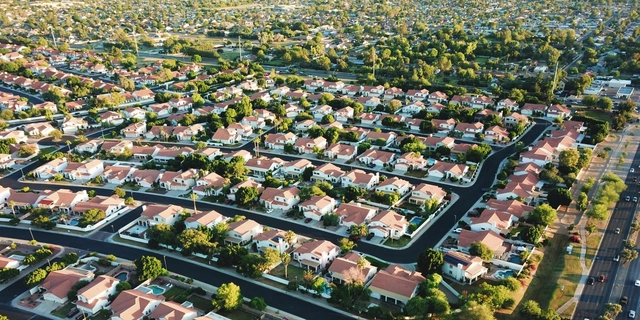
It is projected that by 2025, the world’s population will reach over 8.1 billion people- and a large majority of those people will be heavily concentrated in cities. While much of the focus has been on preparing and reconfiguring our already hyper-dense urban to absorb even more people, in the peripheral, smaller cities and towns around the globe have experienced significant expansion, and have defined themselves as “up-and-coming”. Places that were perhaps once overlooked are putting themselves on the map for their rapid growth, economic vitality, and affordability, among other characteristics.
Only 18 months ago, everyone around the globe had their life upended by the COVID-19 pandemic. Almost immediately, architects and designers began to speculate on how they could design for a better world that would be flexible, functional, and healthy. While the pandemic is far from over, with many scientific advancements and public health policies still needed to truly allow us to live out our “new normal”, perhaps its time to reflect on our predictions and examine what aspects of the pandemic were short-term reactions, and which aspects of life might be permanently reflected in how we think about the built environment.
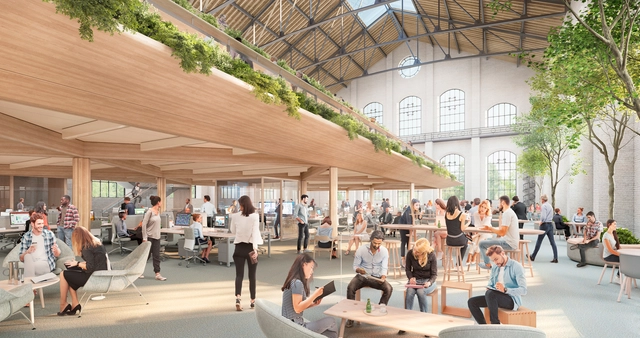
Office Building Conversion- Spain. Image via Foster + Partners
Cities around the globe have widely adopted the concept of adaptive reuse and the importance of investing in historic sites and bringing them into the present day. Instead of focusing on brand new, ground-up construction, many are seeing the value in repurposing structure for new programs. Old churches are becoming restaurants, factories are transformed into museums and apartments, and warehouses are designed to become iconic office spaces. But beyond individual buildings, some planners and preservationists are reimagining what it means to revitalize in a similar way, but at a city scale, and how we can determine the buildings that would benefit our neighborhoods if they are repurposed.
Planning cities and the way that we comfortably live in them is often a pull between many things. From creating affordable housing for all, enhancing community facilities and amenities, and designing walkable neighborhoods, all aspects of urban design have trade-offs, or do they? While there are many reasons why cities are becoming increasingly more expensive, dense, and less pedestrian-friendly, one of the key drivers behind the increase in unaffordability has to do with the way that outdated zoning codes drive the lack of available housing that they regulate.
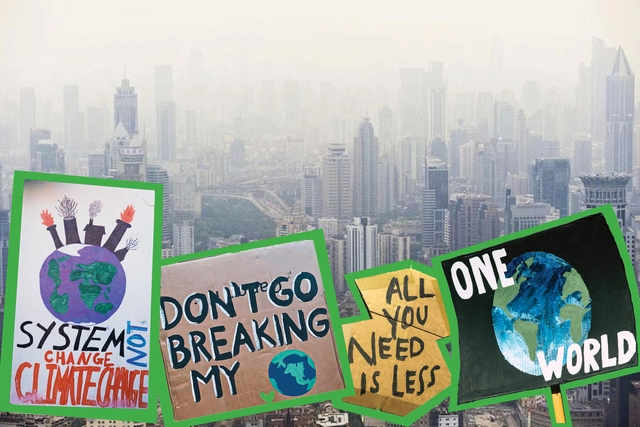
The impact that the climate crisis has had on the globe over the last decade is a critical influence on how architects and urban planners design future cities. It’s clear that both at an individual and corporate level, it’s important to take action and protect the earth before the negative impacts change our familiar environments forever- and time is running out fast. When it comes to creating ways to save our cities from “the next big one”, whether it be a hurricane, flood, snowstorm, or fire, the way that we design the preventative infrastructure neglects a significant number of people. Climate change doesn’t just impact the wealthiest places in the world, it actually has greater effects on the most impoverished.
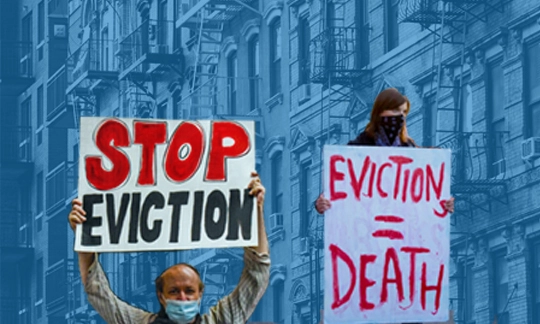
One of the big economic factors of the COVID-19 pandemic has been the issue of tenant evictions and rent moratoriums. As millions of people quickly lost their jobs, it meant that they began to struggle to pay their rents. Now, as the economy slowly begins to recover and some return to work, there’s been pushback on the moratoriums, with landlords and tenants being split on how to move forward with the future payments. Tenants still can’t pay their rent and landlords themselves are burdened by the lack of income. But what this tug of war really sheds light on is how out of reach the costs of living have become in some of the densest cities, and how housing in some ways has been seen as an amenity, not a necessity or a basic right- even in a global pandemic.
“Local” is a word that is broadly used to describe something particular about a place that makes it different from somewhere else. Across the globe, the “local-ness” of our cities is what makes them unique- in the way that people live, work, socialize, and especially in the way that they plan and construct cities and infrastructure. To someone living in a suburb, the way that they move from place to place might be through a car, while someone who lives in a dense metropolis might use a subway or bus system as part of their everyday lives.
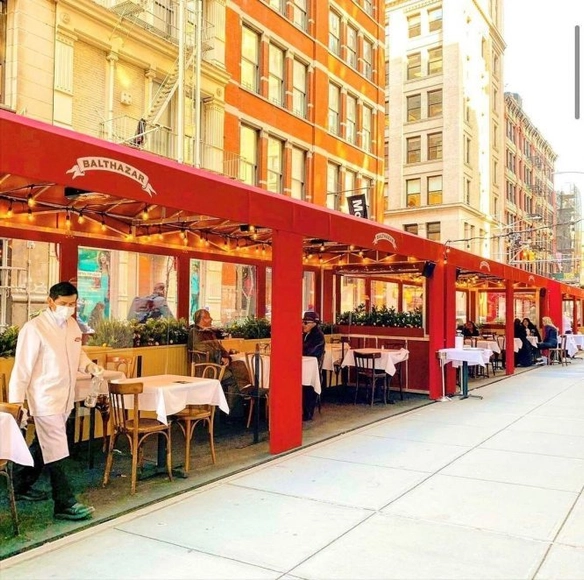
Over the last 18 months of the COVID-19 pandemic, restaurant owners around the globe have continuously suffered over the past year- especially small, independent establishments. If there’s one glimmer of hope that many of them have experienced, as public health guidelines continue to evolve, it’s that many cities have relaxed their policies and allowed restaurants to construct temporary shelters on sidewalks and in streets as a means to keep their businesses afloat. But in life after the pandemic, how should we address these setups? Should we turn them into something more permanent and allow outdoor dining to stay?
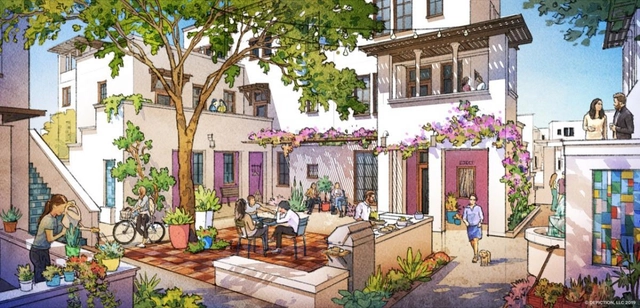
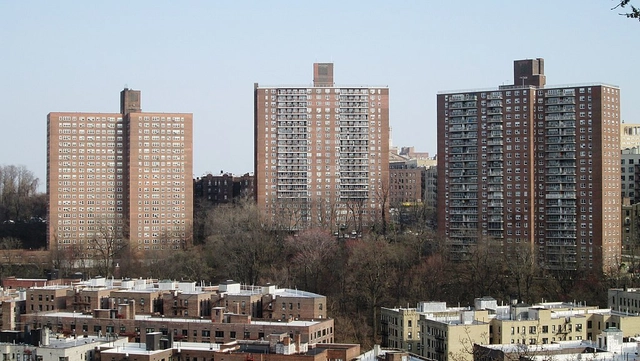
In the world of design and urban planning, aesthetics and functionality seem to take the spotlight, especially in how large-scale housing projects are developed. While this can be a good thing that continuously pushes the modern boundary of what we consider to be a dwelling, in some aspects, it has shined a negative light on how we perceive and stigmatize “bad design” in public and affordable housing, the socioeconomic factors that have created the need for it, and the types of residents who benefit most from these types of housing policies.
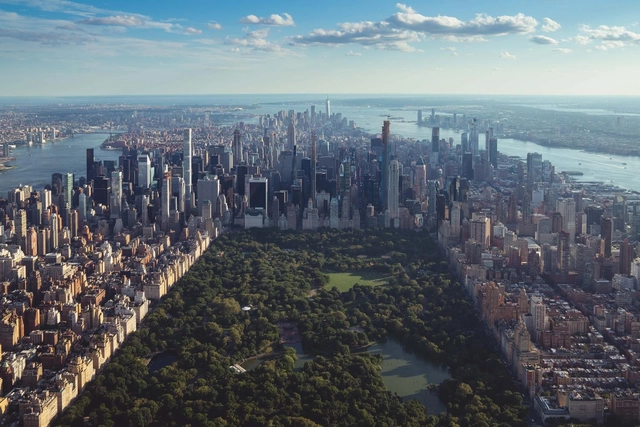
Around the world, the COVID-19 pandemic exposed the fact that some of the poorest people were hit the hardest by not only the impacts the virus had on public health but also the social and economic shockwaves that came as a result. And now, as we emerge on the other side yet also enter the second wave of restrictions around the globe, urban planners and government officials are beginning to realize that the pandemic has pulled back the curtains on another inequitable feature of cities- the proximity to public parks and spaces.
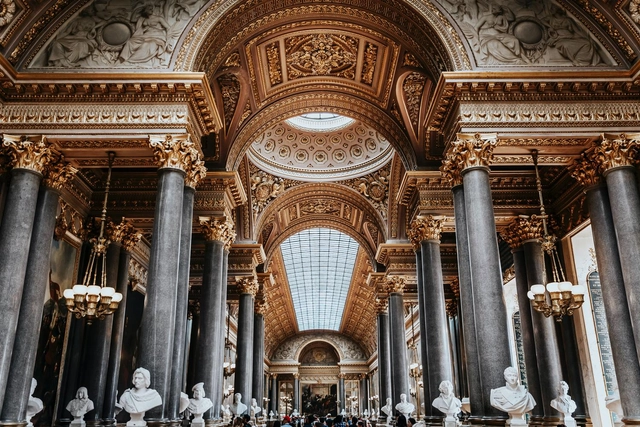
Architecture is perhaps the most expressive forms of culture, representing the zeitgeist of a particular location, and telling the story of how it evolved over time. It allows visitors to transport themselves back in history to understand the influences that shaped the world we once lived in. Baroque architecture, in particular, was one of the most ornamental and decorative architectural styles. Translating to “curious or strange” in French, it was once used as a derogatory word, meaning noisy, eccentric, and excessive- and Baroque architecture was truly just that.
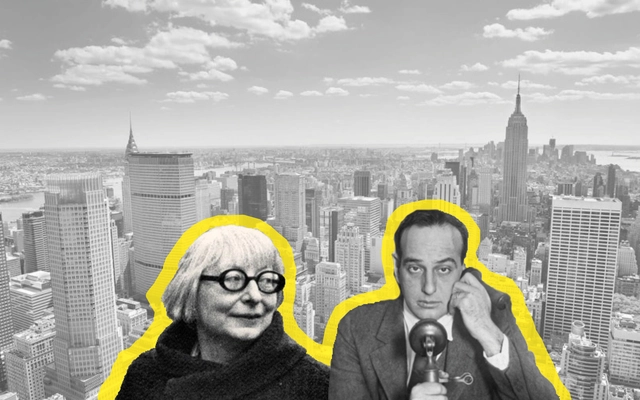
The development of cities has historically been a slow-moving process. In the everchanging urban landscape that faces the pushes and pulls of a variety of social, economic, and financial factors, it’s been hard to pinpoint just one main reason over another why each city has evolved over time into the way that we experience it today. And as designers and planners speculate about what the future of our cities should be, sometimes the reason that our cities look and operate in the way that they do has come down to a few famous battles between individuals with competing schools of thought.