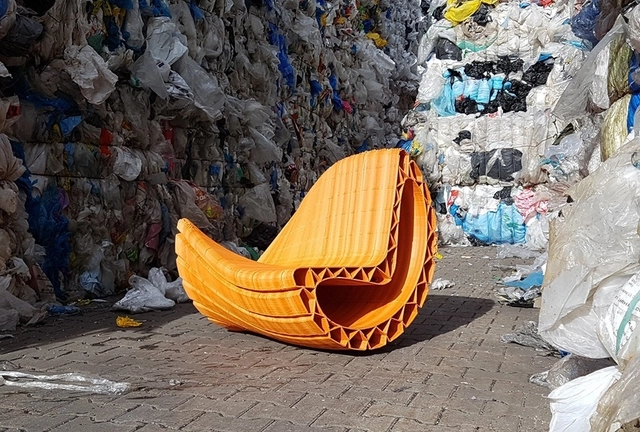
While not all plastics are being recycled, even the ones that display the recycling sign, the global plastic waste problem is nowhere close to being resolved. Recycling, generally determined by factors like demand, legislations, and economy, takes on arguably around 20% of the annual production of plastics, leaving a large quantity unattended, doomed to last forever in our environment. In addition, competing with newly-produced materials, recycled plastics need to meet standards of quality and price, and undergo a sustainable, efficient, and economically viable transformation.
ROGP or Rejects of Glass & Plastics Technology is an innovative approach that repurposes plastics, once labeled as non-recyclable materials due to technical complexity or economy-related issues.
Brick is one of the most popular materials for architects designing with a vintage or rustic aesthetic: exposed brick walls are often touted as highly desirable for apartments, restaurants, and stores, and exterior brick facades can make a building or home feel warmer and more inviting. However, the color and cut of the brick can greatly influence the atmosphere it emanates, with white brick lending itself to more minimalist design and tan brick tending to feel more rustic and earthy. In this article, we will explore some of the most popular brick colors, ways to artificially color brick, and recent projects that use brick facades or interior brick elements effectively.
https://www.archdaily.com/944493/the-colors-of-brickLilly Cao
This article is part of "Eastern Bloc Architecture: 50 Buildings that Defined an Era", a collaborative series by The Calvert Journal and ArchDaily highlighting iconic architecture that had shaped the Eastern world. Every week both publications will be releasing a listing rounding up five Eastern Bloc projects of certain typology. Read on for your weekly dose: Monumental Museums and Memorials.
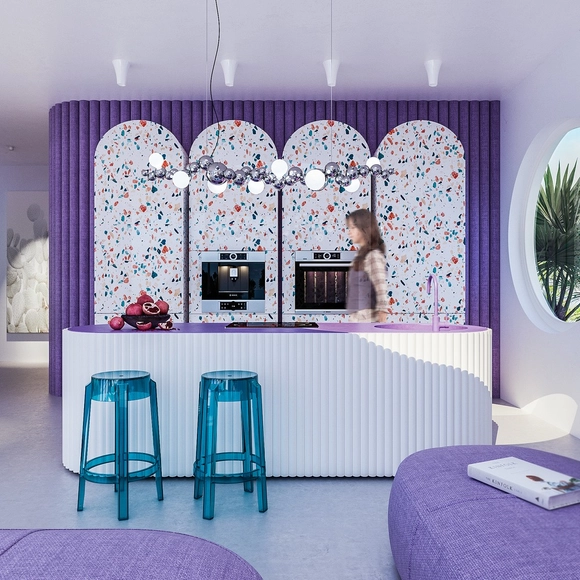
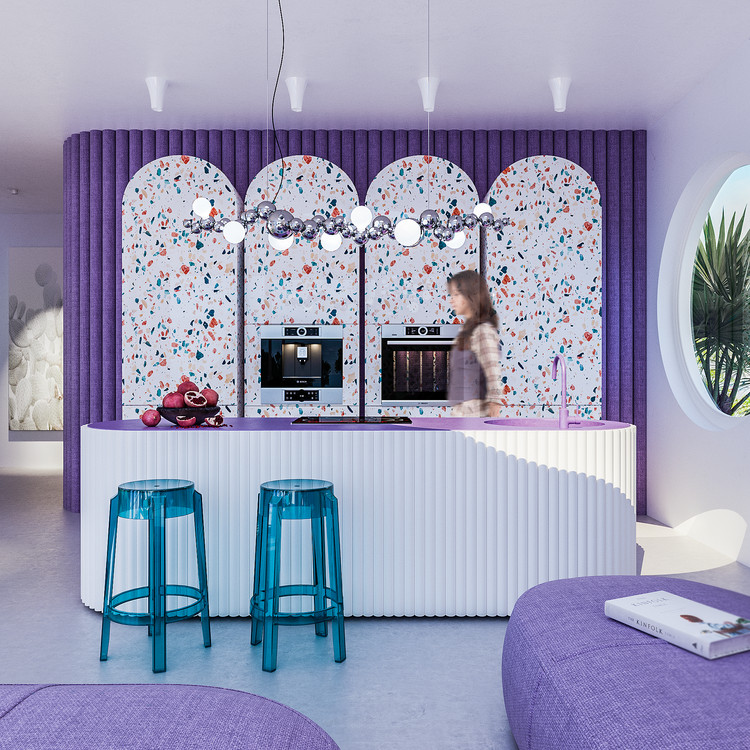
Text by Reutov Design. I was inspired to create this project by the nature of the island of Lanzarote in the Canary archipelago. Inspired by the extraterrestrial landscapes of this island combined with the bright colors of the nature of the island of Ibiza, we managed to create a light futuristic interior.
This essay is a summary of the book “The Multi-Skilled Designer: Cognitive Foundation for Inclusive Architectural Thinking.” Using the theory of multiple intelligences from cognitive psychology, and developments in psychometric research, the book advocates eight skills to incorporate skill diversity in design. Design problems of 21st Century vary far too greatly—in terms of their content, scale, and complexity, and demand a repertoire of skills. To consider multiple skillsets is to recognize the presence of individual differences, representations, and approaches in design. This allows a shift from formalist practices of architecture that emphasize graphical and formal logic skills, that tend to produce the same type of designers and privilege a narrow section of designer thinkers.
The concept of “decarbonization” has been in vogue recently in political speeches and global environmental events, but it has not yet gained enough attention in the field of architecture to profoundly change the way we design and construct the world of tomorrow. Buildings are currently responsible for 33% of global energy consumption and 39% of greenhouse gas emissions, indicating that architects must play a significant role if we are to stop or reverse climate change. With carbon acting as a universally agreed upon metric with which the greenhouse gas emissions of a building can be tracked [1], one of the most important ways through which this goal can be achieved is therefore the decarbonization of buildings.
https://www.archdaily.com/938866/urgent-issue-10-strategies-to-decarbonize-architectureLilly Cao
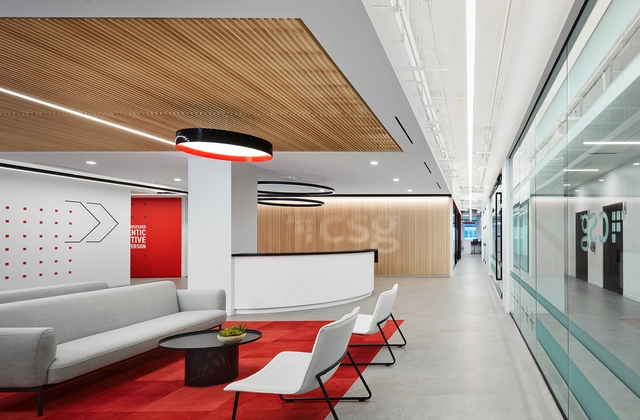
CSG. Image Courtesy of Eastlake Studio, Kendall McCaugherty, Hall + Merrick Photographers
In the last few decades, architecture and interior design have experienced a dramatic shift in the workflows that professionals consider standard. Hand-drafting is long gone; for many it’s nostalgic, and many more embrace the power incumbent to digital drafting tools. Some take it even further with BIM, embracing the process to lead their businesses into lasting success.
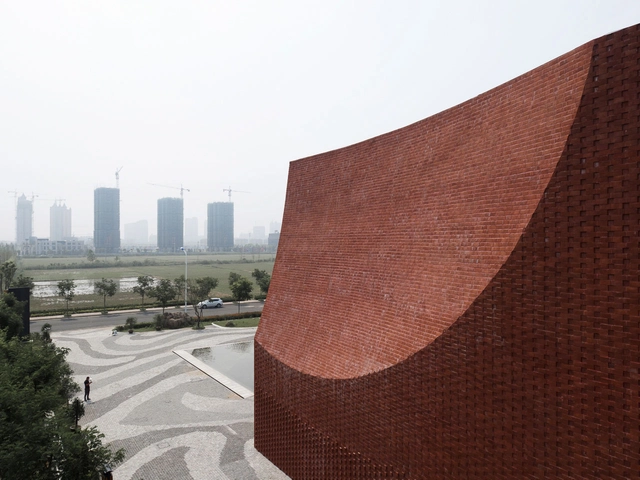
Constrained by a lack of transportation and resources, vernacular architecture has started adapting the distinct strategy of utilizing local materials. By analyzing projects which have successfully incorporated these features into their design, this article gives an overview of how traditional materials, such as tiles, metal, rocks, bamboo, wooden sticks, timber, rammed earth and bricks are being transformed through vernacular architecture in China.
God Bless America by Seward Johnson on view at Grounds for Sculpture in New Jersey. (sk/ Flickr)
As many Americans tentatively ease back into their museum- and park-going routines, numerous cultural institutions and public spaces are slowly coming back to life on a limited/adjusted basis after months of hibernation to greet them, with coronavirus precautions firmly in place. Meanwhile, large, indoor gallery-centered museums continue to plot their eventual returns. The Metropolitan Museum of Art in New York, for example, plans to reopen in late August while the Getty Center in Los Angeles has still not announced its phased re-opening dates.
In many locales, a trickle of small but positive re-openings has taken place in recent weeks and/or are slated for mid-to-late July. With an eye toward public landscapes, open-air museums, and multifaceted art spaces with room to spread out, here’s a small sampling of places across the country that have reopened or expanded public access or are due to allow visitors in the very near future.
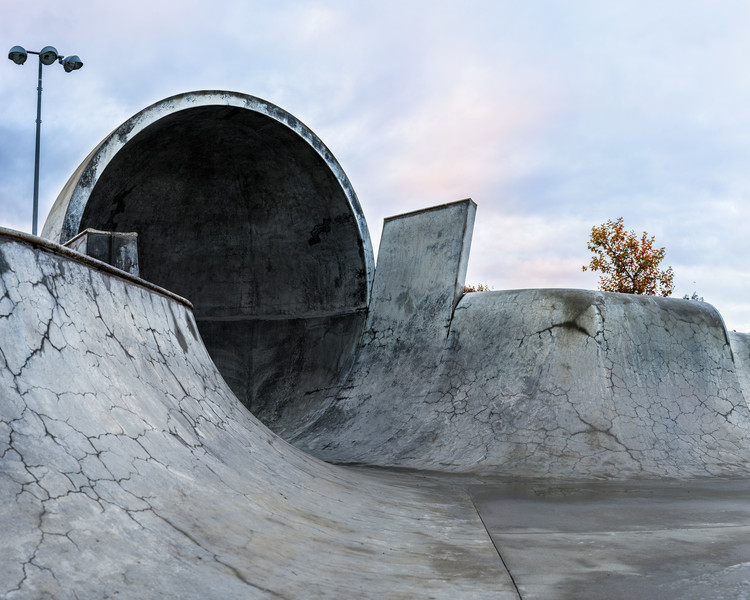
Skating took root as a sport in California during the 1960s and 70s, a time when extreme activities like surfing found their niche among the United States populace. Beginning as an urban adaptation of surfing, skateboarding became the pastime of choice for adolescents and, by the 1980s, acquired a worldwide following. Soon, city-scapes across the globe began transforming as spaces were created for people to engage in this uniquely urban sport.
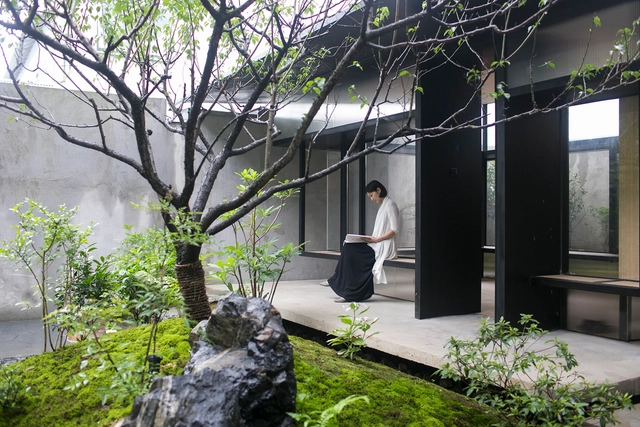
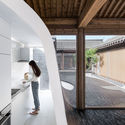
Chinese courtyard houses are one of the most common housing typologies spanning all the way from the northern capital of Beijing to the poetic southern cities Hangzhou and back to the picturesque regions of Yunnan. Typically referred as heyuan, these courtyards homes are simply a “yard enclosed on four sides."
The Midnight Charette is an explicit podcast about design, architecture, and the everyday. Hosted by architectural designers David Lee and Marina Bourderonnet, it features a variety of creative professionals in unscripted conversations that allow for thoughtful takes and personal discussions. A wide array of subjects are covered with honesty and humor: some episodes provide useful tips for designers, while others are project reviews, interviews, or explorations of everyday life and design. The Midnight Charette is also available on iTunes, Spotify, and YouTube.
https://www.archdaily.com/944221/tips-and-tactics-how-to-develop-a-design-conceptThe Second Studio Podcast
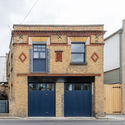
The use of brick plays a very important role in the architectural history of the United Kingdom. Construction techniques that involve brick and stone have been in constant progress. In fact, brick production improved over time, making the material the most popular one in the construction industry. From the 18th century onwards, brickwork was predominantly used in domestic and industrial architecture, but later on, it was introduced to the structure of warehouses and factories, as well as other various forms of infrastructure.
While many of these buildings are still operating to this day, it comes as no surprise. Refurbishment and reuse are highly recommended techniques, and in many cases, the only methods to maintain densely populated European cities. Therefore, the challenge lays in reusing these buildings and recycling the materials available, always trying to retain as much of the original structure as possible.
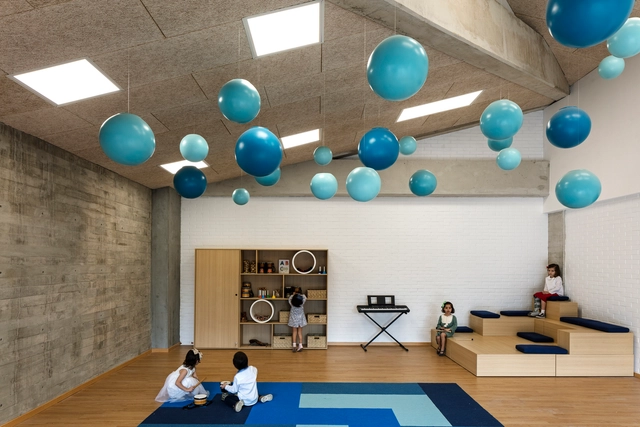
The Reggio Emilia Approach was created in the post-WWII period at the initiative of widowed mothers and under the coordination of journalist and educator Loris Malaguzzi. In a time of postwar urban reconstruction, the group's primary concern was the formation of new schools, where they wanted to create a peaceful, welcoming, and cheerful environment, with a domestic atmosphere where children could stay while their mothers worked. Understanding the children's interests and providing a suitable environment for exploration and experimentation is one of the focal points of this pedagogy. The creation of a safe and stimulating environment is so fundamental that, in much literature, it appears as a third teacher.
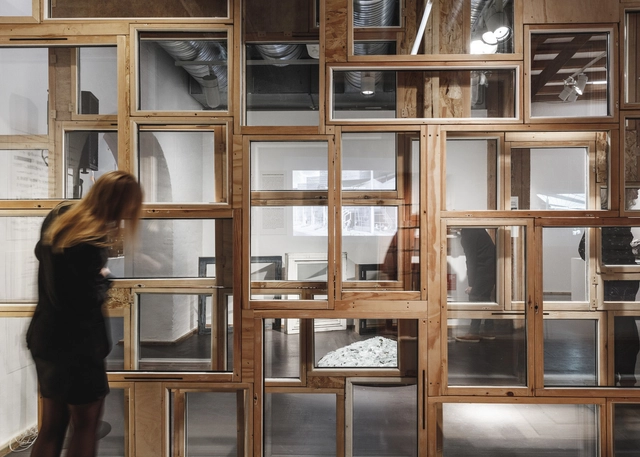
Making material recycling commonplace within the architectural field would require a top-down approach in adapting the industry’s processes and standards to create a suitable framework for the task. However, individual endeavours are bringing about change within the profession, pushing for a reconsideration of architecture’s relationship to waste. This article looks at some of the initiatives that are spearheading the transition towards a common practice of material recycling.
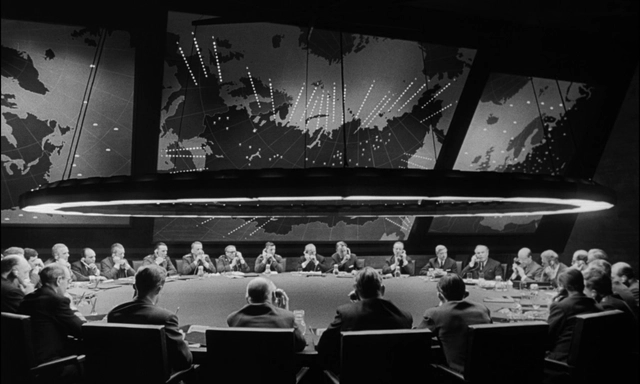
Dr. Strangelove or: How I Learned to Stop Worrying and Love the Bomb is one of those rare movies that not only gets better with time but also presents a new layer of meaning with each viewing. Recently I’ve come to believe that it’s the most important movie about environmentalism ever made, not only because of its warning about nuclear annihilation, which is obvious, but because of its sly critique of the idea of professionalism and the nature of work.
https://www.archdaily.com/944214/dr-strangeloves-strange-environmental-lesson-for-architectsChristopher L. Cosper
Architectural visualization company Brick Visual has been loading its most complex scenes into Chaos Group’s real-time 3D ray-traced engine, Project Lavina, since the private beta first launched. With the first public beta now available, Attila Cselovszki, CDO at Brick Visual, shares how adding Project Lavina to the architectural visualization (arch-viz) pipeline has revolutionized the way they work.
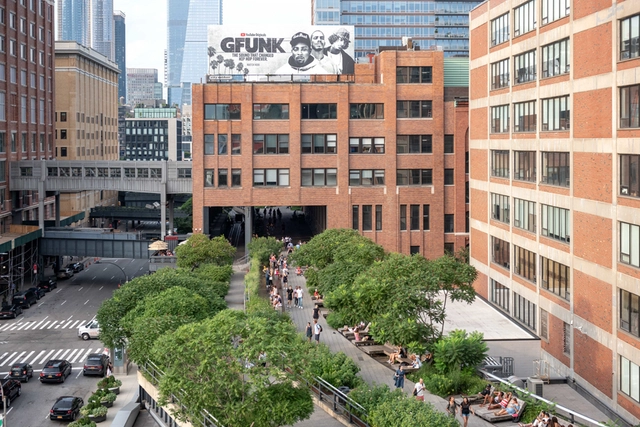
An aerial view of the High Line with Chelsea Market. The park plans to reopen, with certain restrictions, on July 16. Courtesy Timothy Schenck
Metropolis catches up with the High Line Network, a consortium of North American reuse projects that has been sharing notes and best practices through the pandemic.
Since the pandemic began, the High Line Network—a group of North American infrastructure reuse projects founded in 2017—has been conducting regular teleconference calls among its members, comparing notes on operations and sharing best practices and advice with fellow members. With many open or planning to reopen soon, and as the pandemic continues, many observers expect these projects will become even more popular among the public, since they provide outdoor space where visitors can walk, bicycle, and safely enjoy themselves—usually at an appropriate distance from one another. Especially now, the network believes its constituent projects can deliver tremendous and much-needed social, health, environmental, and economic benefits.
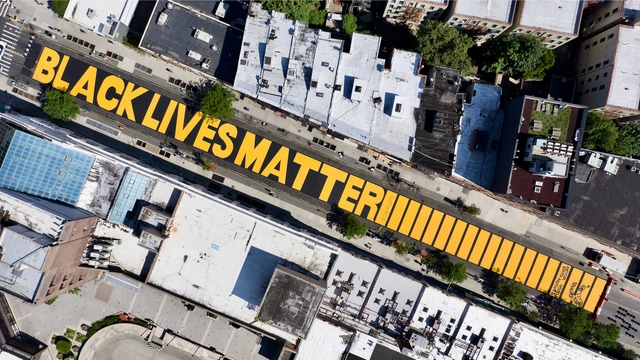
When urban spaces become the medium for expression, protest, criticism, and defiance, the audience is limitless. Pedestrians and bystanders of all ages and ideologies become spectators of demonstrations that walk the line between art and activism and transform the city's streets, walls, and sidewalks into canvases for diffusing ideas on a massive scale. Banksy once said that "a wall is a very big weapon. It's one of the nastiest things you can hit someone with." This call to arms has rung true for many as they take to the streets in a bid to make themselves heard.
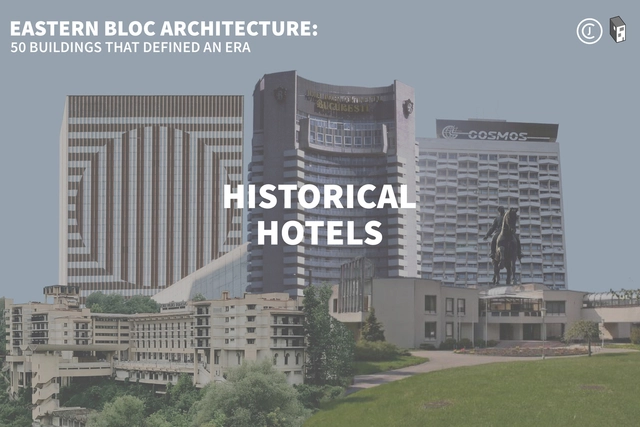
This article is part of "Eastern Bloc Architecture: 50 Buildings that Defined an Era", a collaborative series by The Calvert Journal and ArchDaily highlighting iconic architecture that had shaped the Eastern world. Every week both publications will be releasing a listing rounding up five Eastern Bloc projects of certain typology. Read on for your weekly dose: Historic Hotels.
https://www.archdaily.com/944207/eastern-bloc-architecture-historic-hotelsLucía de la Torre
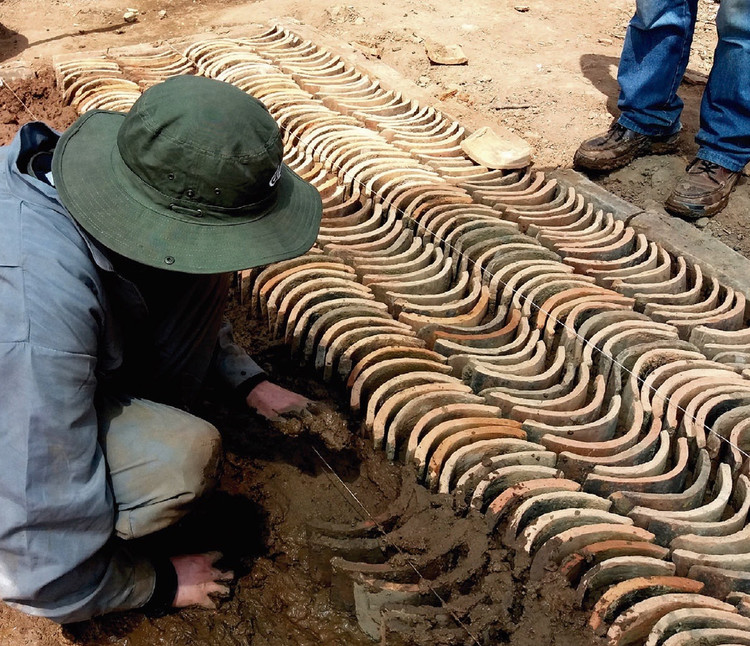
Whether you're looking for an upgrade or to replace broken pieces for floors or walls, tiles are always an effective and readily available option for any project that you have in mind. With their relatively low production cost, tiles are rarely reused or recycled and, if they are, it's usually for their original function.
Recycling has long been an entry point into sustainable design. It's personal, achieved at a micro scale where individuals can reduce waste and preserve energy. But between resource shortages, environmental habitat loss and the global climate crisis, there has been a shift in daily practices towards more circular thinking. Increasingly, the need to sustain life is part of a continuous process of production, resorption, and recycling where waste becomes the input for production.
New Generations is a European platform that analyses the most innovative emerging practices at the European level, providing a new space for the exchange of knowledge and confrontation, theory, and production. Since 2013, New Generations has involved more than 300 practices in a diverse program of cultural activities, such as festivals, exhibitions, open calls, video-interviews, workshops, and experimental formats.
New Generations launches a fresh new media platform, offering a unique space where emerging architects can meet, exchange ideas, get inspired, and collaborate. Recent projects, job opportunities, insights, news, and profiles will be published every day. The section ‘profiles’ provides a space to those who would like to join the network of emerging practices, and present themselves to the wide community of studios involved in the cultural agenda developed by New Generations.
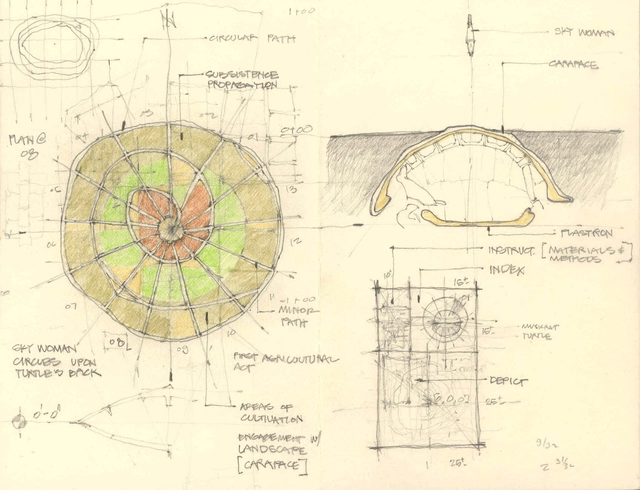
Earlier this month, Steven Holl Architects designed and created their project Obolin, a sculpture made locally from a single panel of cross-laminated timber, or CLT. It was made for and is now exhibited in the Art Omi Sculpture and Architecture Park, an art center that seeks to explore the intersection of architecture and art through the production of pavilions, installations, landscape interventions, and built environments designed by architects.


.jpg?1596025638 "© Charbel Tannous, courtesy of Development Inc.")









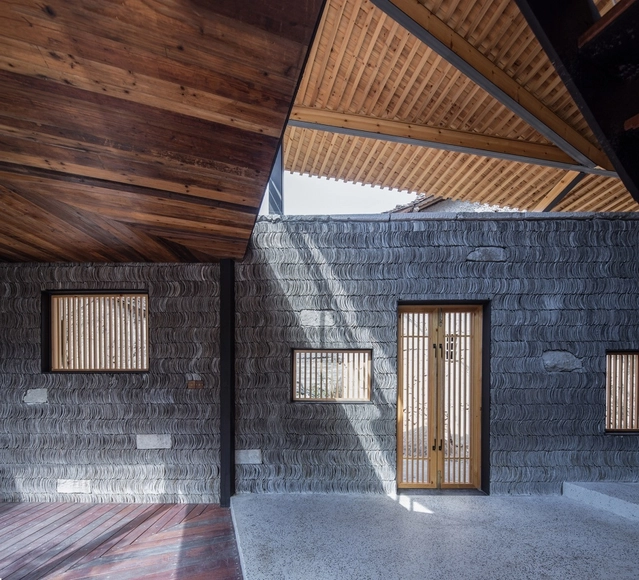




.jpg?1517237056 "Micro-Yuan’er / ZAO/standardarchitecture. Image © Mingming Zhang")



_johan_dehlin.jpg?1595351892&format=webp&width=640&height=580)
_Andrew_Meredith.jpg?1595351859 "© Andrew Meredith")
_Nigel_Rigden.jpg?1595352119 "© Nigel Rigden")
_Ben_Pipe.jpg?1595351948 "© Ben Pipe")
_johan_dehlin.jpg?1595351892)
.jpg?1594149242 "Redbridge School / ARX Portugal Arquitetos. Image © Fernando Guerra | FG+SG")
























_Photo_Credits_Xhuliano_Lacinaj_.jpg?1595246315 "ABACO - The Greek apartment, Paris (France) © Xhuliano Lacina")


.jpg?1595011758&format=webp&width=640&height=580)
.jpg?1595011817 "© Steven Holl Architects")
.jpg?1595011785 "© Steven Holl Architects")
.jpg?1595011840 "© Steven Holl Architects")
.jpg?1595011828 "© Steven Holl Architects")
.jpg?1595011758)