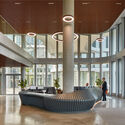
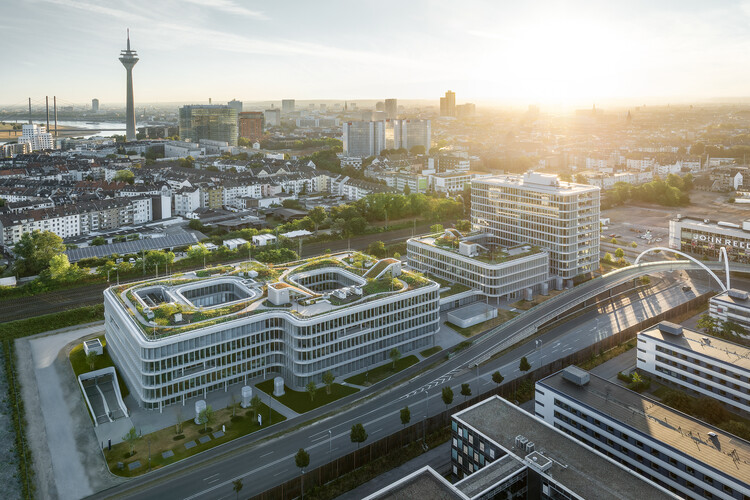
-
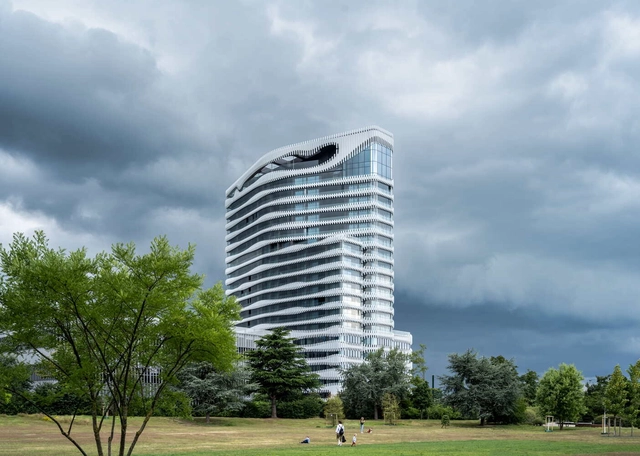
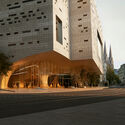
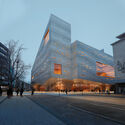
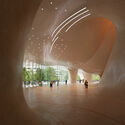
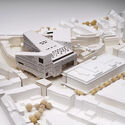
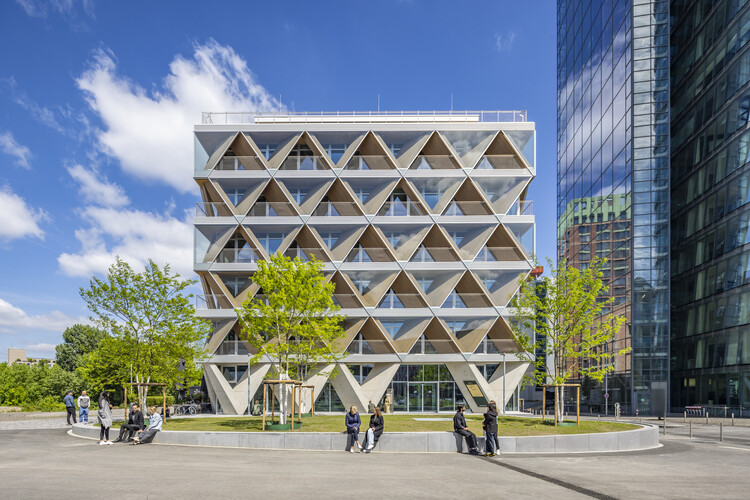
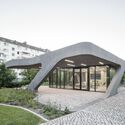
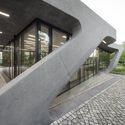
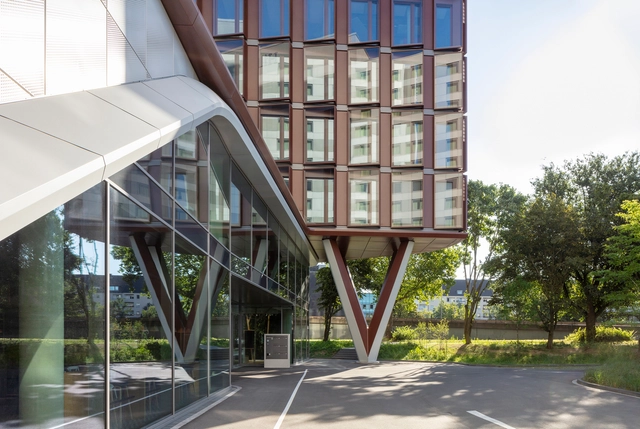
Architects: Eller + Eller Architekten GmbH
- Area: 52000 m²
- Year: 2023
-
Manufacturers: Josef Gartner GmbH, Gundelfingen

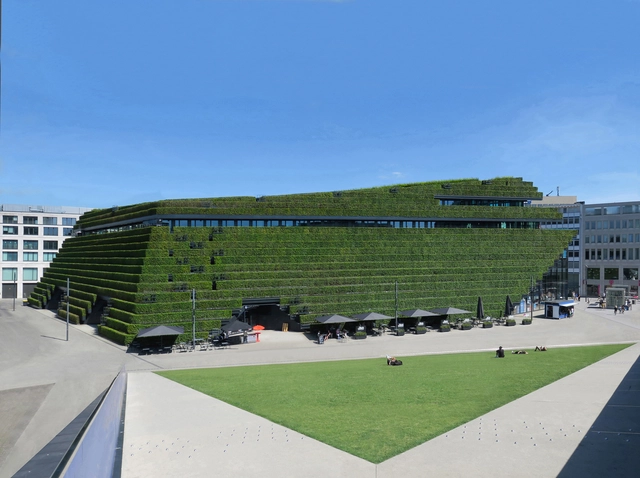
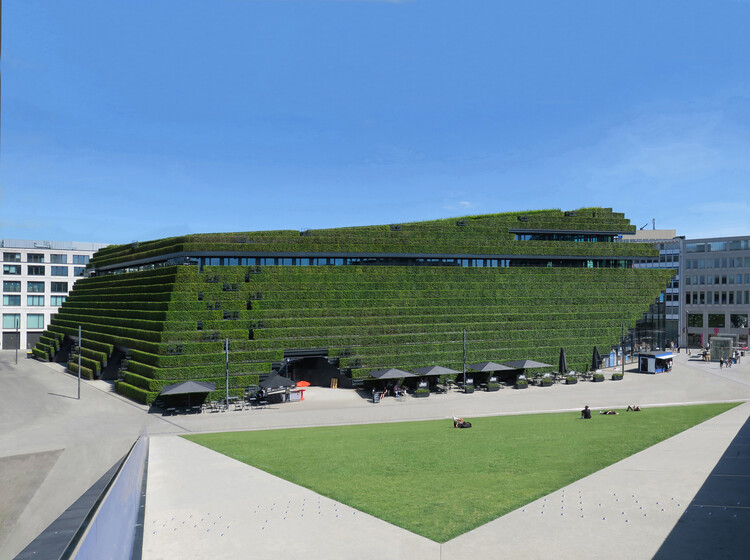
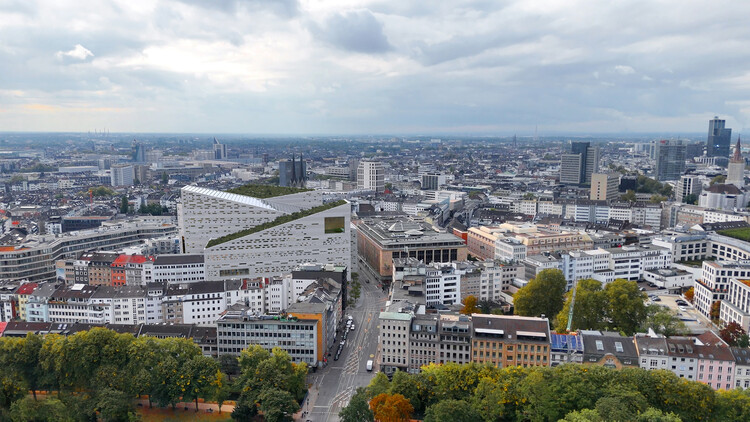
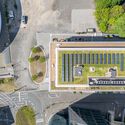
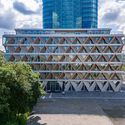
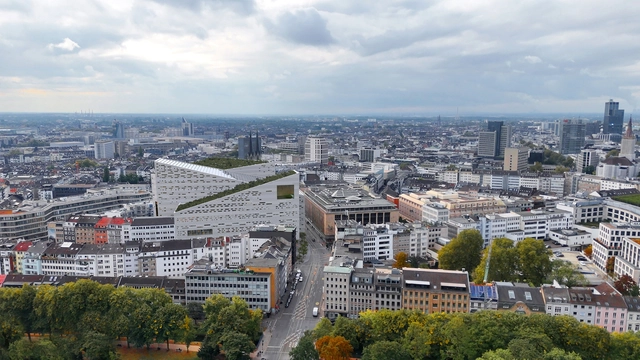
In early 2025, photographer Paul Clemence documented Kö-Bogen II, a commercial and office complex designed by ingenhoven architects in Düsseldorf, Germany. The photo series focuses on the building's signature feature: its vast green façade, considered one of the largest in Europe. Referred to as a "green heart" and an "urban mountain," the building has become a landmark in the city due to its sloping surfaces wrapped in over 30,000 hornbeam plants. For Clemence, this was an unforeseen encounter during his first visit to Düsseldorf, which he describes as an unexpected meeting with a "stunning green pyramid."

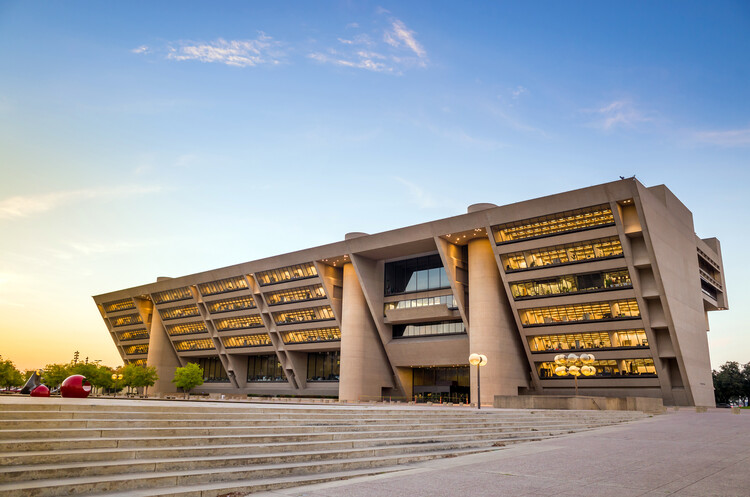
Across cultural districts and civic centers, this week's architectural developments highlight how institutions and city governments are reshaping their futures amid shifting environmental, social, and economic pressures. New museum and opera projects signal ongoing commitments to expanding public cultural infrastructure, while the debate surrounding Dallas' modernist City Hall illustrates the tensions that arise when questions of heritage meet rising maintenance demands and redevelopment pressures. At the same time, municipalities are advancing new regulatory tools to confront climate challenges, from electrification standards in Sydney and Boston to mobility restrictions and emerging forms of urban diplomacy. These developments reflect an increasingly complex landscape in which architectural environments evolve through a combination of cultural ambition, environmental targets, and shifting models of public decision-making.
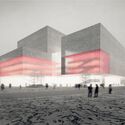
Snøhetta has revealed new images of their winning design for the new Düsseldorf Opera House. First launched in 2017, the "Opera House of the Future" competition experienced several interruptions over the years due to shifts in the planned construction site, extending the decision-making process for this significant cultural project. The new building is set to accommodate the Deutsche Oper am Rhein alongside the City of Düsseldorf's Music Library and the Clara Schumann Music School, forming a consolidated cultural venue. The proposal aims to establish a contemporary opera house that strengthens the city's cultural infrastructure and public life.
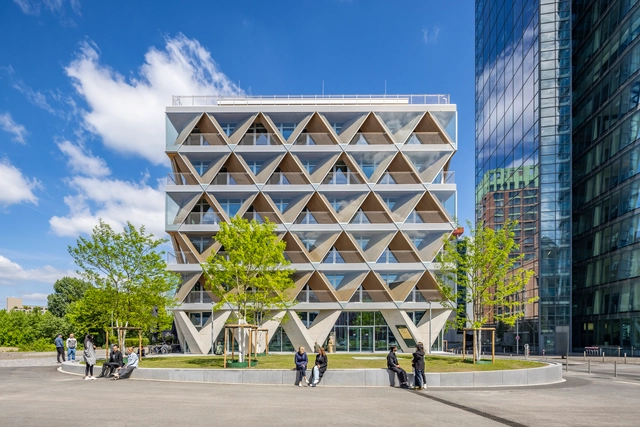
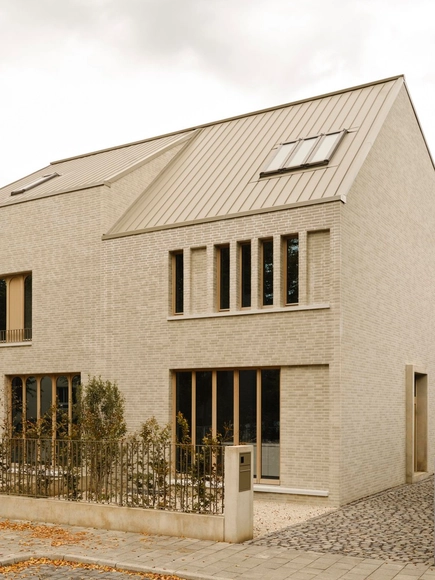

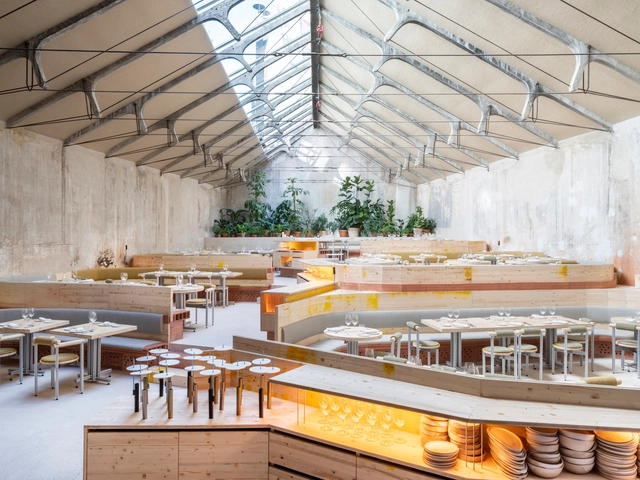
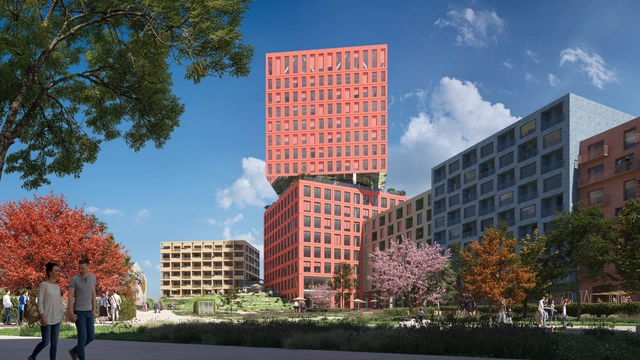
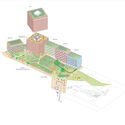
MVRDV and LOLA Landscape Architects have just revealed the new development of “Grüne Mitte” in Düsseldorf, Germany. Centered around open communication, negotiation, and compromise, the project aims to introduce 500 new apartments and community spaces to enhance the neighborhood. Approximately 50% of the scheme is designated as social or affordable housing, which was designed in participatory processes with the residents.
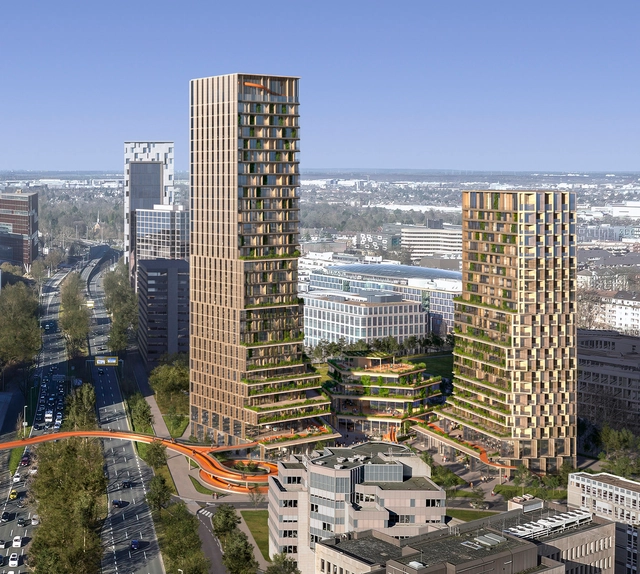
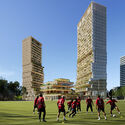
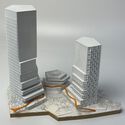
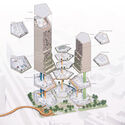
UNStudio has been selected as the winner of the international competition for the design of a mixed-use development in Düsseldorf, Germany, surpassing other internationally recognized participant offices, including 3XN, BIG, David Chipperfield Architect, and finalists Hadi Teherani Architects, HPP Architekten, and Ingenhoven. UNStudio’s proposal features two mixed-use towers measuring up to 120 meters, surrounded by a low-rise community pavilion. In addition to the office and residential spaces, the scheme also includes multifunctional uses and services such as sports, fitness, medical facilities, gastronomy spaces, a mobility hub, a daycare center, and opportunities for cultural events.
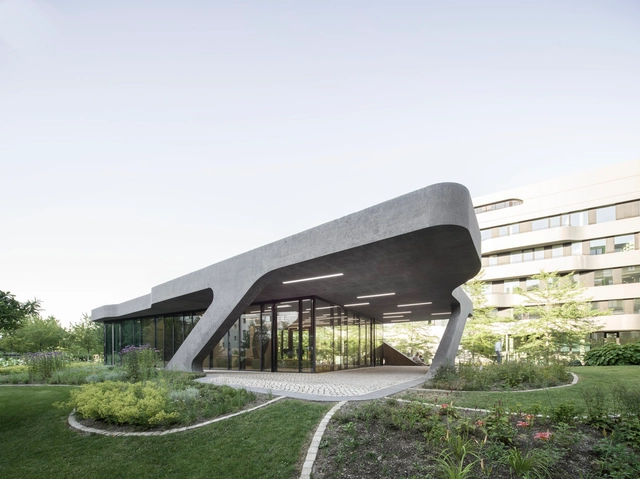
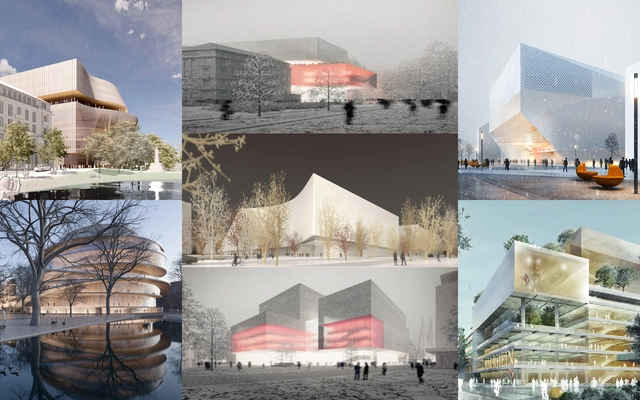
The finalists for the Opera of the Future competition have been announced. This urban planning competition, commissioned by the state capital of Düseldorf, was created to select a location for the new cultural institution. After an extensive examination of potential site locations, the two options for the competition proposals were: Heinrich-Heiene-Allee, where the current opera house is, and Am Wehrhahn.
Throughout the brief, firms were encouraged to figure out how this future project could become a lively and public space open to the entire city, offering a wide range of services. As a result, submissions were received for both prospective buildings, and the finalists for each location were announced.
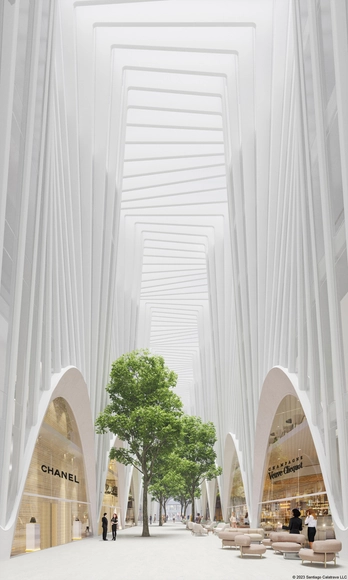
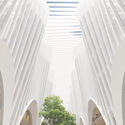
Spanish architect and engineer Santiago Calatrava has unveiled the design of the Calatrava Boulevard, a complex offering upmarket restaurants, retail, and office spaces in Düsseldorf, Germany. Located on a highly visible site between Königsallee boulevard, Königstrasse, and Steinstrasse, the new complex features a curved and vaulted 135-foot-tall roof and a flowing interior street, creating the appearance of a sculptural light-filled canyon. The project, done in collaboration with Uwe Reppegather, Founder and Managing Director of the CENTRUM Group, is set to be completed by 2028.