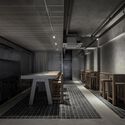
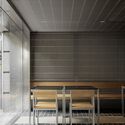
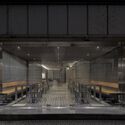
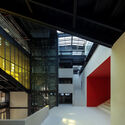
How to visualize architectural concepts in SketchUp using D5 Lite for faster design exploration.
How to visualize architectural concepts in SketchUp using D5 Lite for faster design exploration.

GAD Foundation is pleased to announce the launch of an international architecture competition that calls on young architects from around the world to envision a new natural environment based on living in a scenic and magical landscape. Re-Imagining Cappadocia as an Eco-District competition seeks to extend design insight into architecture embedded and in harmony with the Cappadocian landscape as the focus of Eco-District design.
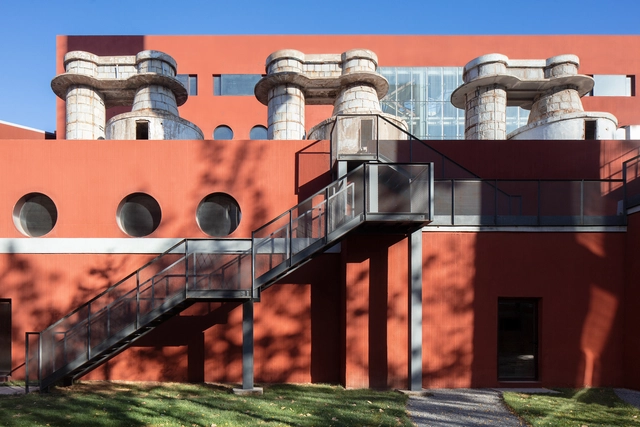
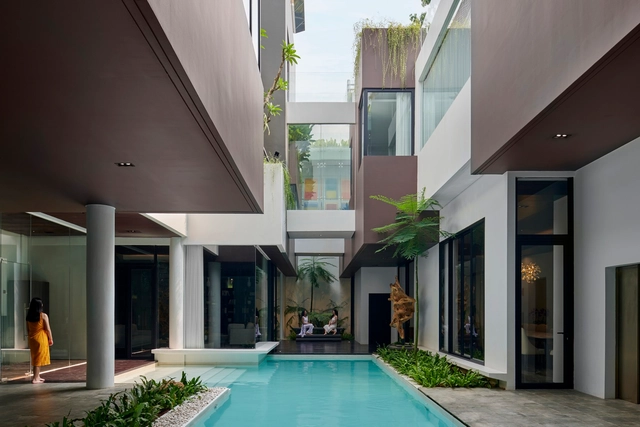

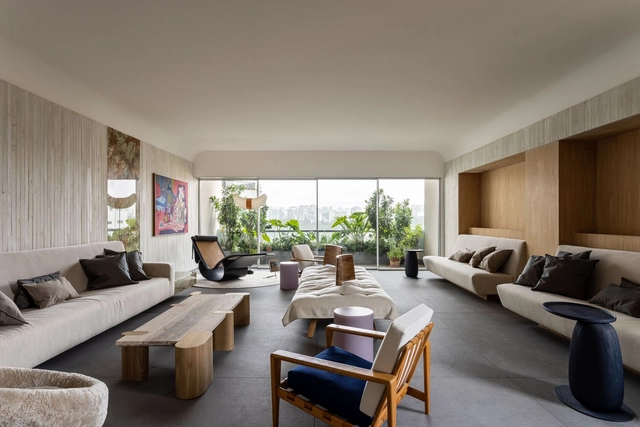

July 11th marks World Population Day, an annual event established by the United Nations Development Programme in 1990 to raise awareness of global demographic issues. This is a highly pressing issue today; not only is the global population projected to reach nearly 10 billion by 2050, but the latest UN-Habitat reports estimate that two-thirds of us will live in cities by then. Furthermore, this year is particularly notable because India has become the world's most populous country, reaching 1.4286 billion people—a milestone that naturally raises the question of what it means to build for billions.
World Population Review annually tracks urban growth and metropolitan populations to understand global development trends. Although the list of the 20 most populous cities in the world features familiar Asian hubs such as Tokyo in Japan, Delhi in India, and Shanghai in China, it also includes several Latin American giants. Among them are São Paulo, Mexico City and Buenos Aires, which recorded year-over-year growth rates of 0.85%, 0.89%, and 0.78%, respectively.
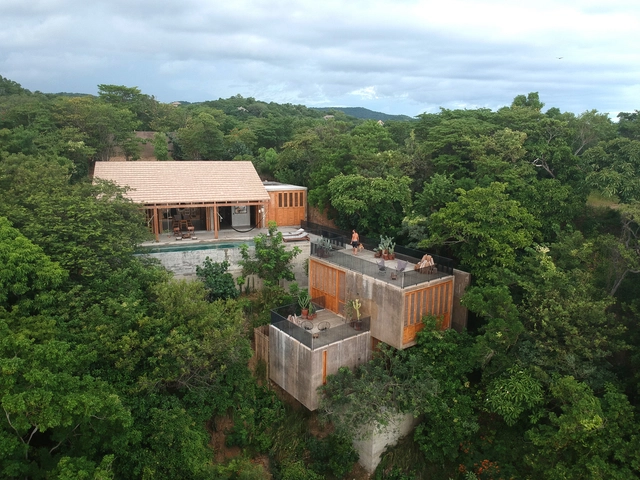
A popular saying goes, "Mexico is many Mexicos," a reality that manifests in various ways. The country's multiculturalism is highly pronounced; since pre-Columbian times, it has been clear that while there were commonalities linked to general human traits, material availability, and regional influence, architectural discourse and needs varied distinctly according to the geographical conditions of where it was built.

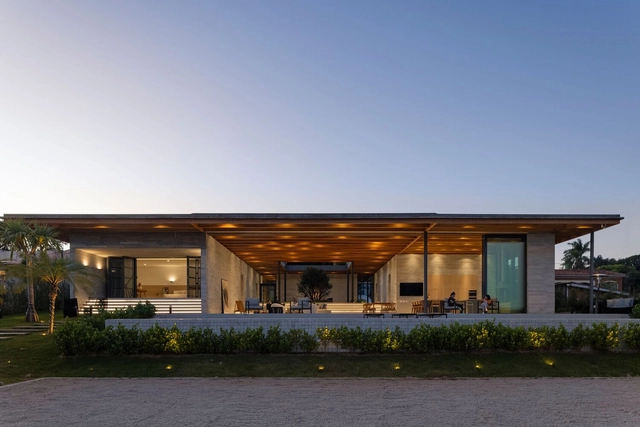

To respond to the unique opportunities of each client and site, Bates Masi + Architects has developed an approach rather than a devotion to a particular style. Careful study of the needs of the site and owners uncovers a guiding concept particular to each project. That concept is distilled to its essence so that it can inform the design at all scales, from massing to materials to details. The consistency of the concept is evident in the finished product. The result is an architecture that is cohesive, innovative, contextual, and full of details that delight.

The unprecedented growth faced by the Chinese cities in the last decades entailed seriousconsequences: economic and social disparities, environmental crises, and demographic imbalances between the rural and the urban areas. These issues, together with a growing awareness of the intrinsic unsustainability of Chinese economic model, has stimulat d debate on how redefining the approach to urban development.
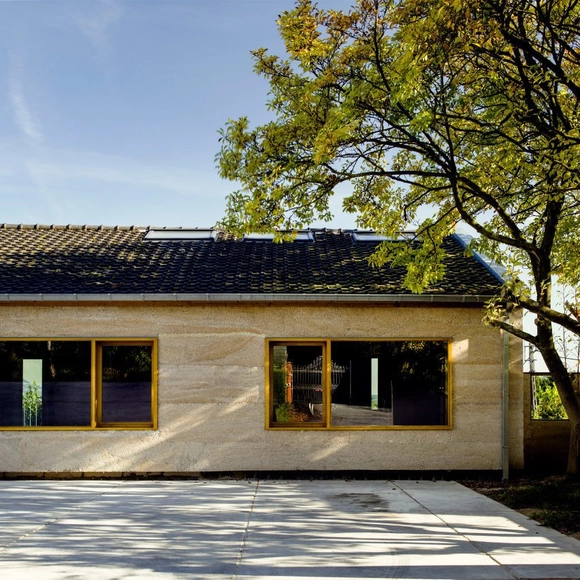
In recent years, the spotlight on sustainable, eco-friendly, and low-carbon materials has intensified across the architecture industry. Amid this interest, a renaissance of hemp architecture is gradually gaining momentum on a global scale. Hemp-based materials have emerged as a favorable alternative to traditional industrialized materials, presenting a multitude of benefits that could revolutionize the construction industry. Despite its vast promise, several hurdles obstruct the widespread adoption of hemp, inhibiting its transformative potential in the construction industry.



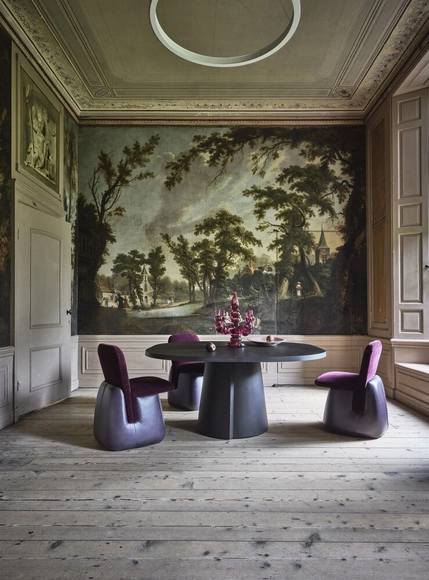
Curved design has a timeless appeal that has captivated designers throughout history, transcending mere functionality and aesthetics in interior furnishings. Incorporating curves adds captivating visual appeal, infusing spaces with intrigue and a sense of harmonious flow. Furthermore, curved furniture has the ability to transform the spatial dynamics of an environment, introducing fluidity and softness into a world often dominated by rigid, linear forms. While curves are sometimes associated with an old-fashioned look, contemporary curvilinear furniture presents a fresh and modern approach, combining elements of softness, comfort, and simplicity.