-
Architects: PASCAL FLAMMER
- Year: 2013
-
Manufacturers: Arwa, Novatop

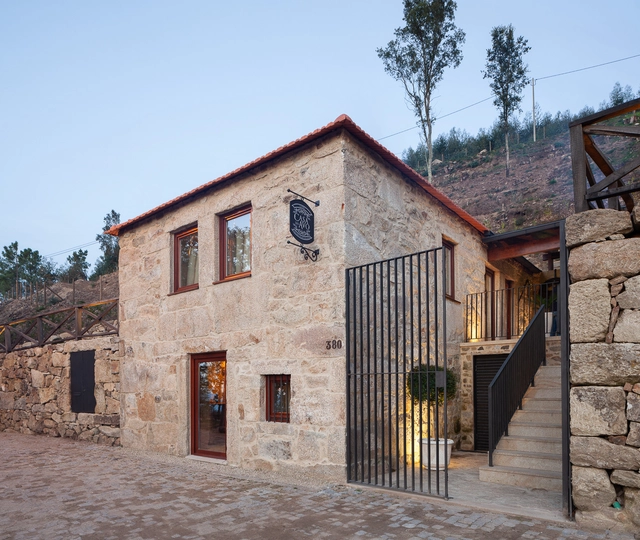
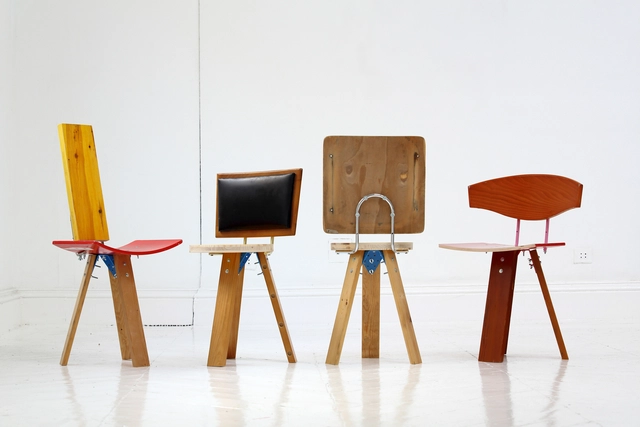
The need to substantially reduce our impact on the planet must be translated into a significant change to our lifestyle and habits. One of these is to consume responsibly and consider that waste does not exist, but that all material can be transformed into something useful again following a circular ecological system.
In his book Upcycling Wood, Reutilización creativa de la madera, the architect and artist Bruno Sève writes and edits a non-exhaustive guide of the uses and possibilities of recovered wood, as a framework for responsible reuse; from small scale, such as furniture or artists' canvases, to medium scale, with its use in interiors and facades. This book seeks to raise awareness among professionals and citizens in general through analysis of the life cycle, examples of uses and finishing processes, leading to an ecological and responsible framework. The book is illustrated by numerous design and architecture teams who follow the guidelines of ecological design with reclaimed wood.
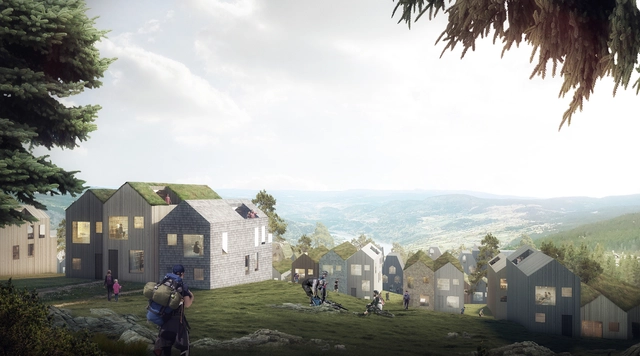
Reiulf Ramstad Arkitekter has unveiled details of their housing scheme in Hafjelltoppen, Norway. Designed to accommodate about 1000 people, Mosetertoppen is rooted in both tradition and innovation, with inspiration drawn from the cultural landscape and building art, and a rethinking in relation to sustainable architecture, and how to build in the Norwegian mountain landscape in the future.

The Estonian Academy of Arts (EKA) is welcoming applications for the international summer school — 2019 EKA Summer Academy of Art, Design and Architecture – Possible Futures! Application deadline: 26 May.
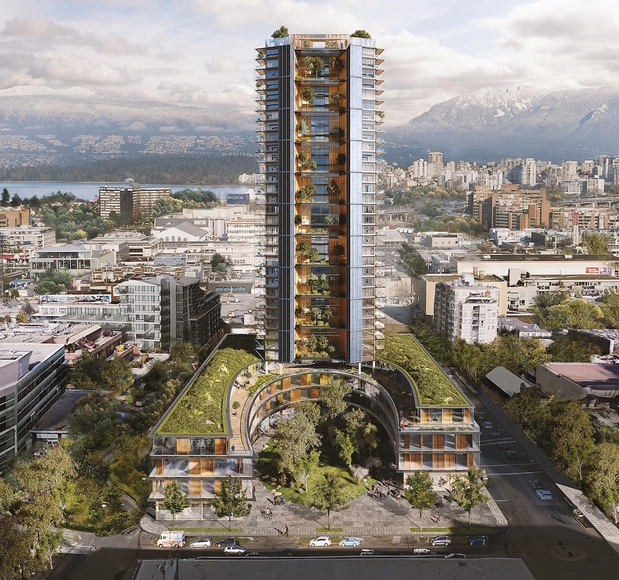
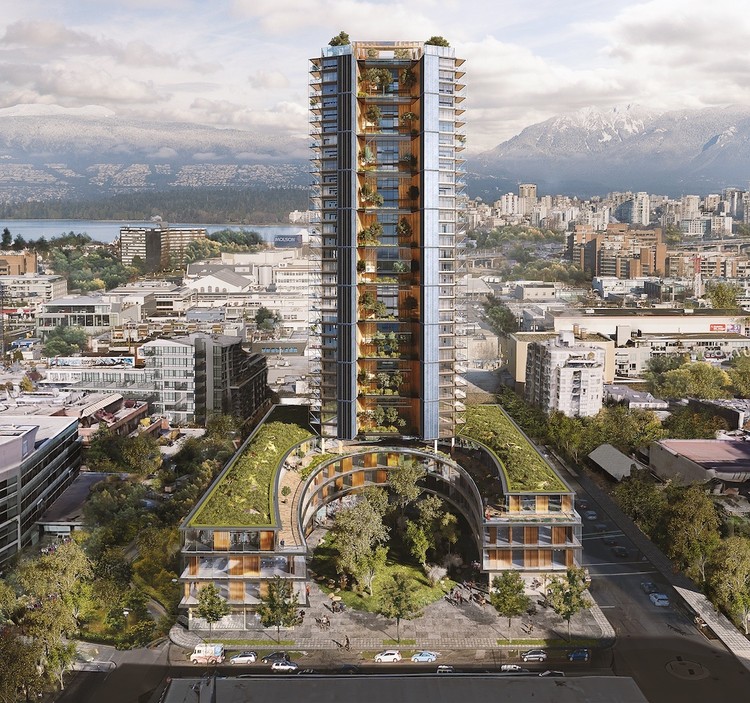
Perkins + Will have revealed a new design for the world’s tallest wooden skyscraper in Vancouver. Called Canada Earth Tower, the mass timber project is designed along the city’s Central Broadway corridor. Bruce Langereis, president of Delta Land Development, unveiled the company’s proposal to transform a 1.3-acre lot at 1745 West 8th Avenue with a project that could rise up to 40 floors. Canada Earth Tower aims to become a new precedent and benchmark for green building construction.

As we have seen throughout the history of architecture, ephemeral installations and pavilions are important tools for talking about specific moments in architecture in an almost immediate way. While it is true some pavilions have been so relevant that they broke with their ephemeral quality to become permanent, such as the German Pavilion in Barcelona, designed by Ludwig Mies van der Rohe and Lilly Reich, most are documented in photographs, plans and experiences to be rewritten in future projects.
.jpg?1548095744&format=webp&width=640&height=580)

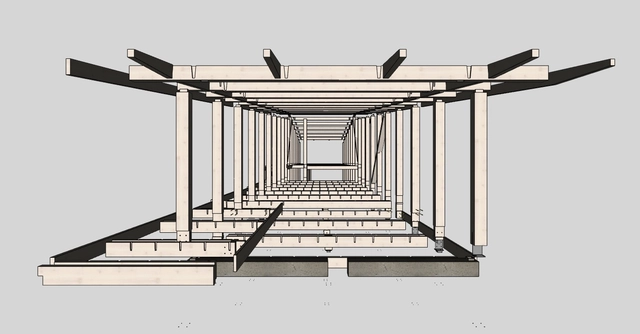
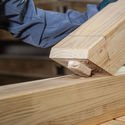
New technology in digital building, particularly Computer Numerical Control (CNC) systems, are changing the way that we design and build wooden structures. Their high level of precision allows us to design perfect assembles--without screws or visible metalwork--resulting in structures that are durable, easy-to-build, and extremely well-organized. We spoke with the experts at Timber to better understand the process of building a wooden structure and to compile a list of key tips in designing one.
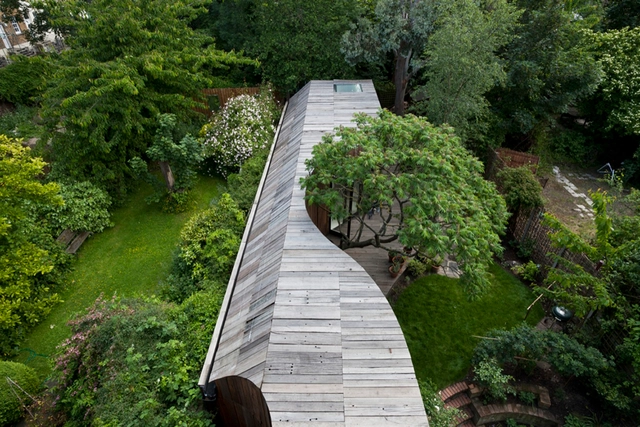
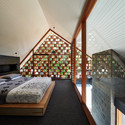

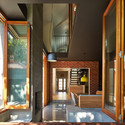
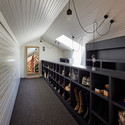

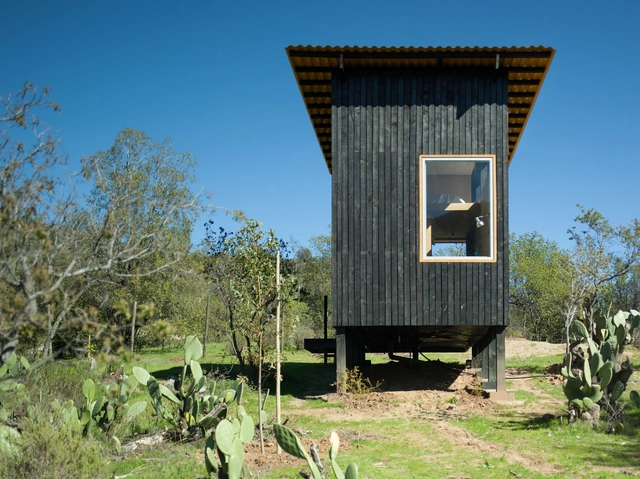


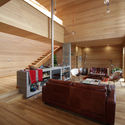
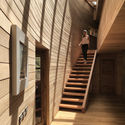
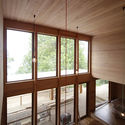


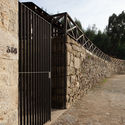
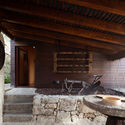
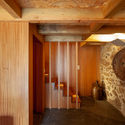








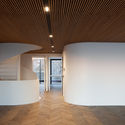


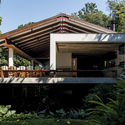
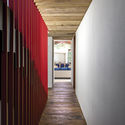
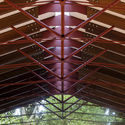

.jpg?1548094482 "© Jomar Bragança")
.jpg?1548094969 "© Jomar Bragança")
.jpg?1548094654 "© Jomar Bragança")
.jpg?1548095383 "© Jomar Bragança")
.jpg?1548095744)






.jpg?1554305368 "El Galeno Horse Stables and Warehouse / Peñafiel & Valdivieso Arquitectos. Image © Francisco Croxatto Viviani")