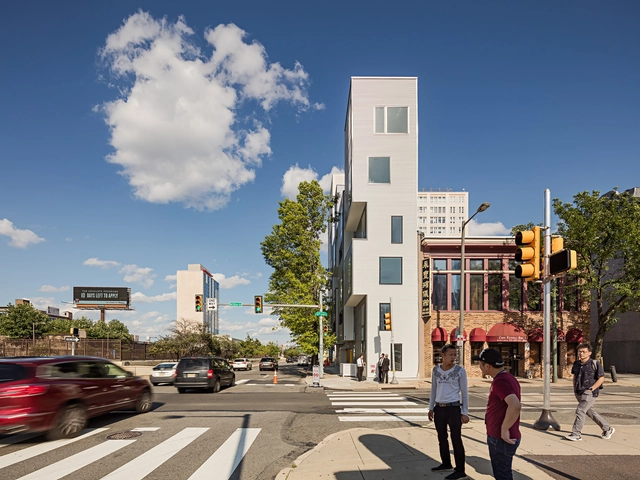
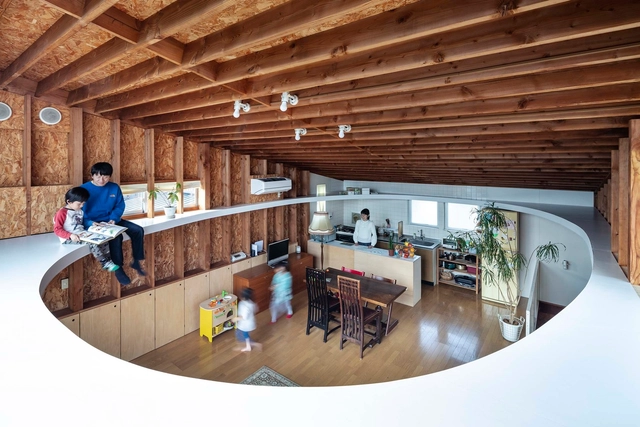
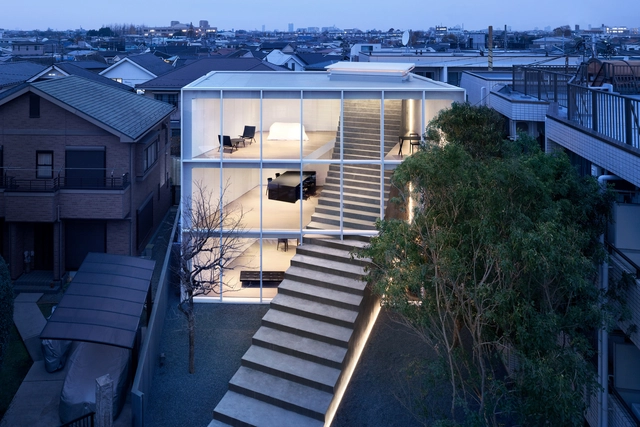
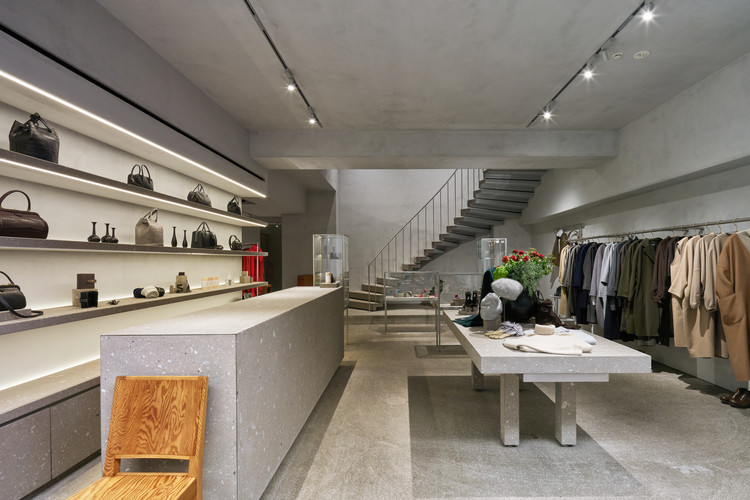
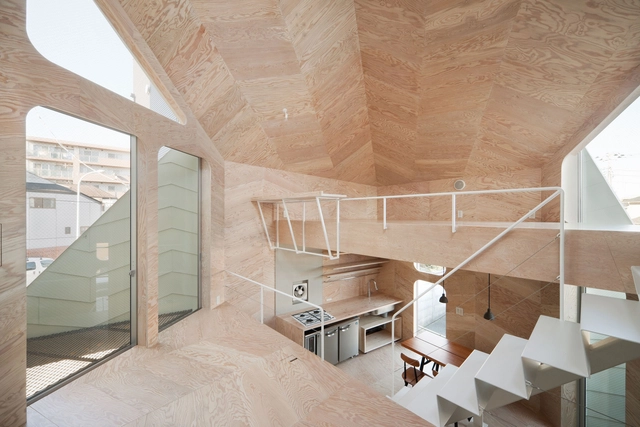
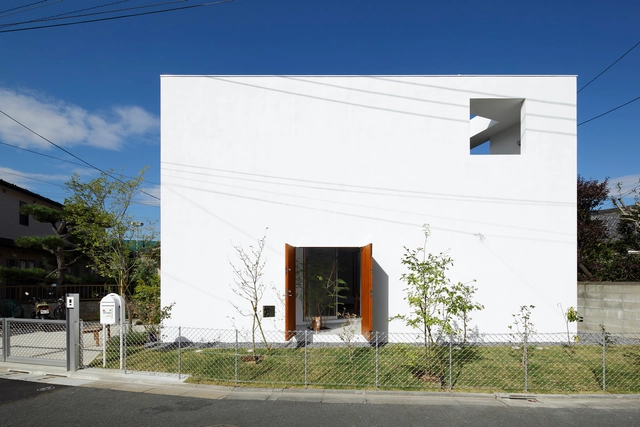
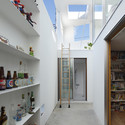
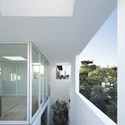
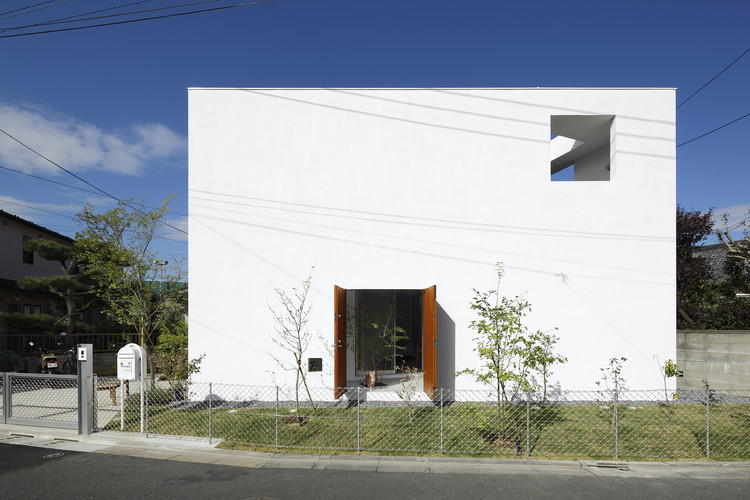
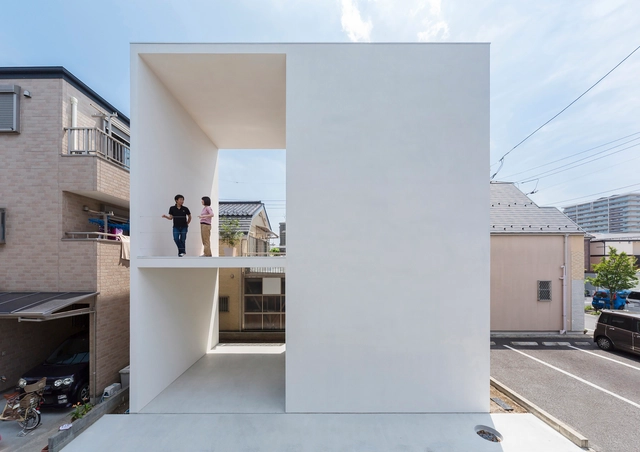
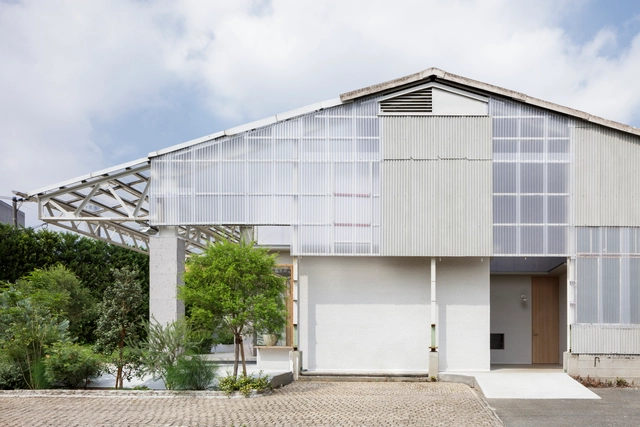
In all cities around the world, there are some forms of residual space, forgotten pieces of the urban fabric, remnants of overlapping layers of past development. This land whose conditions make it unsuitable for most types of conventional construction might be a fertile ground for architectural invention. Assigning a new value to vacant corner lots, dead-end alleys and strangely shaped plots opens up a new field of opportunities for inward urban development, expanding available living space and increasing amenities in densely populated cities. The following explores the potential for experiment and urban activation held by urban leftover space.
In this short video by Louisiana Channel, Junya Ishigami talks about Tokyo and what he sees as the defining traits of the vibrant and diverse metropole. Discussing what he likes about the city, the renowned Japanese architect underlines Tokyo’s polycentrism and explains how being made up of different small town allows the city to preserve its very local characteristics.
Goldman Sachs has released a report on the effects of climate change on cities across the world. The study explored the major changes that will transform the planet and highlighted several metropolises that will be at risk of flooding.
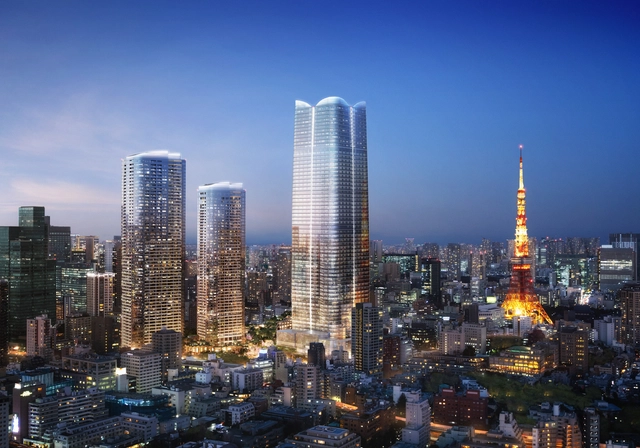
Towers of Pelli Clarke Pelli Architects . Image Courtesy of DBOX for Mori Building Co.
Pelli Clarke Pelli Architects generate for the first time in Japan, a high rise complex that holds the tallest building in the country, at the height of 330 meters. The U.S firm designed 3 towers for the district of Toranomon-Azabudai in Tokyo, part of a whole urban regeneration scheme for the central area of the capital.
East Entrance. Image Courtesy of DBOX for Mori Building Co.
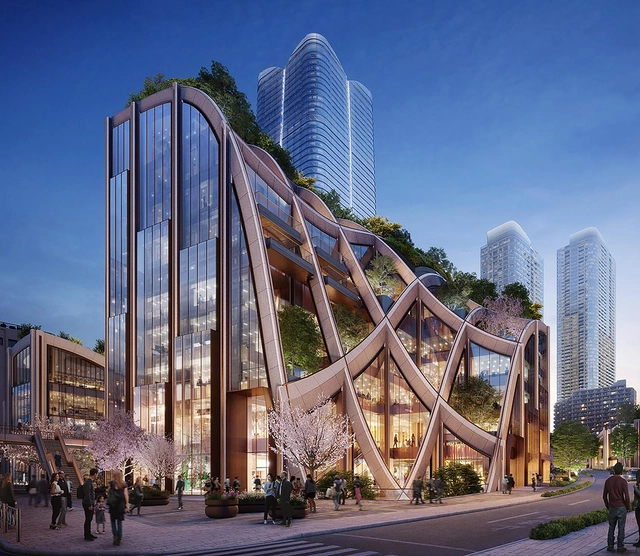
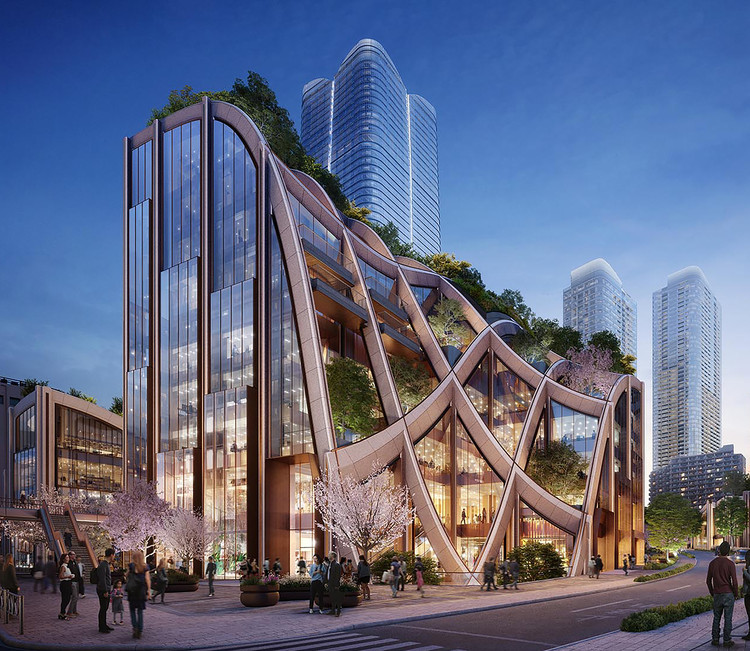
Heatherwick Studio’s first built venture in Japan is a huge planted pergola, put in place to create a new hub for the district of Toranomon-Azabudai in Tokyo, Japan. The project is due for completion in March 2023.
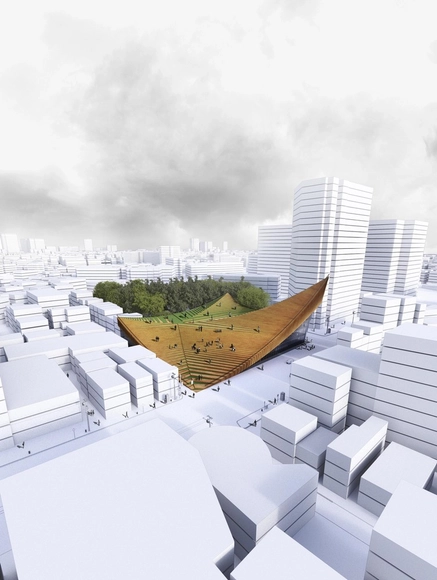
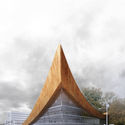
Although music halls generally appeal to groups of people with a specific interest, Persian architecture firm Hajizadeh & Associates developed a music hall that caters to all citizens of the city, and not just music lovers.
The "Tokyo Music Hall" is an award-winning design that transforms the music hall's roof into a space of contemplation and leisure, inspired by traditional Japanese architecture.
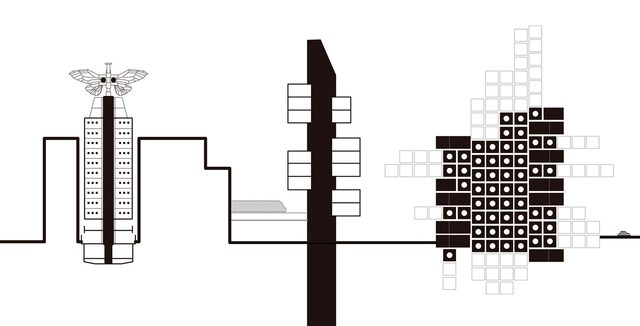
Montagem feita a partir dos desenhos cedidos pelos autores. . Image Cortesia de a+t architecture publishers
Traveling around Japan can be an impressive experience for a Western tourist - especially if they have some connection with architecture. In addition to the huge cultural differences, the country is known for its rich architectural production - eight of the 42 Pritzker Prize laureates are Japanese - which has maintained its consistency since the 1960s.