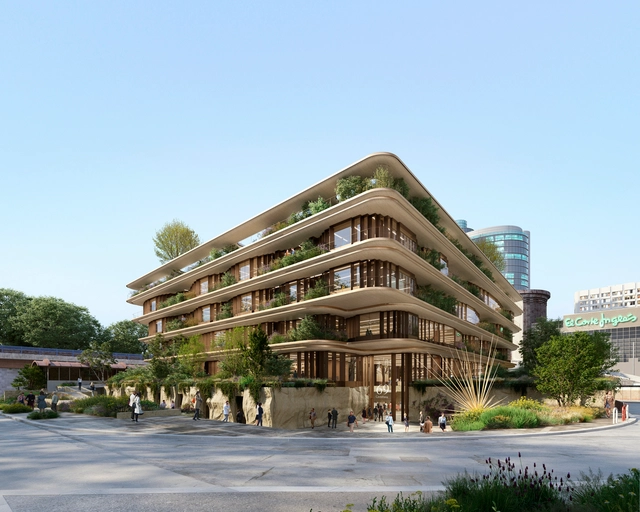
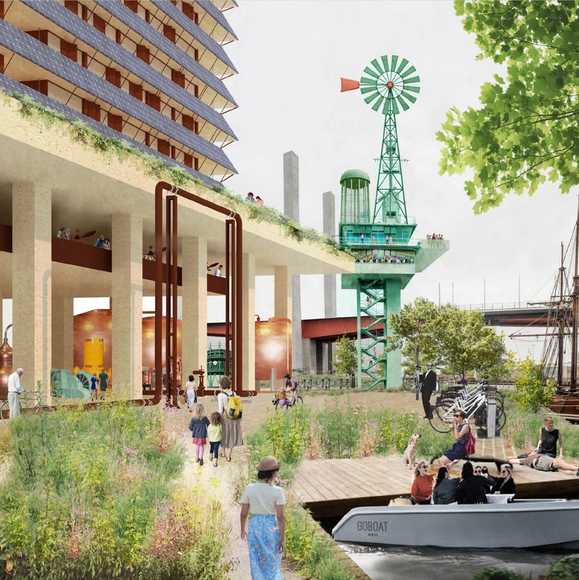
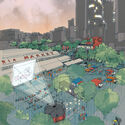
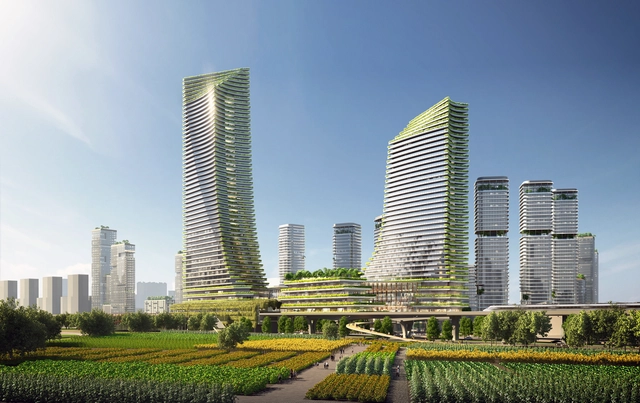
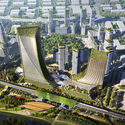
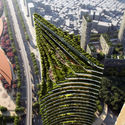
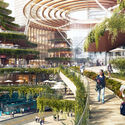
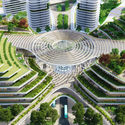
Heatherwick Studio has been selected to design an office building in Madrid for the Spanish department store chain El Corte Ingles. The studio's first project to be built in Spain, Castellana 69 embodies a comprehensive sustainability strategy while also promoting a new vision of the office space. Developed together with local practices CLK architects and BAC Engineering Consultancy Group, Castellana 69 features a green inner courtyard, taking advantage of a strong connection between indoor and outdoor spaces.
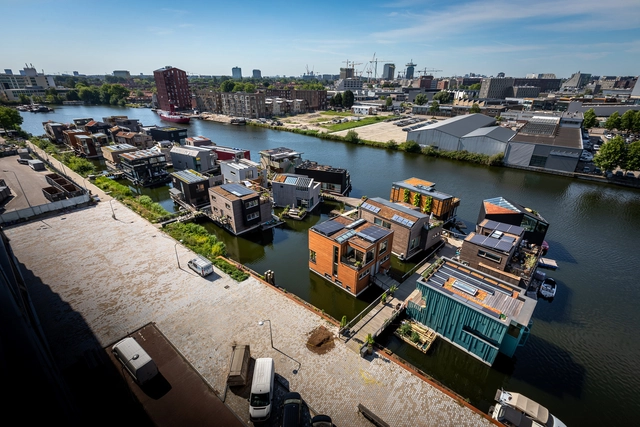
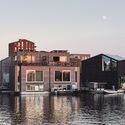
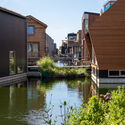
Schoonschip is Amsterdam’s innovative circular neighbourhood, a community-driven project set to become a prototype for floating urban developments. With a masterplan designed by Dutch architecture practice Space&Matter, the project comprises 46 dwellings across 30 water plots connected by a jetty and features decentralised and sustainable energy, water and waste systems. With the last of its buildings completed this year, the development showcases a valid adaptation strategy in the face of climate change and rising sea levels.
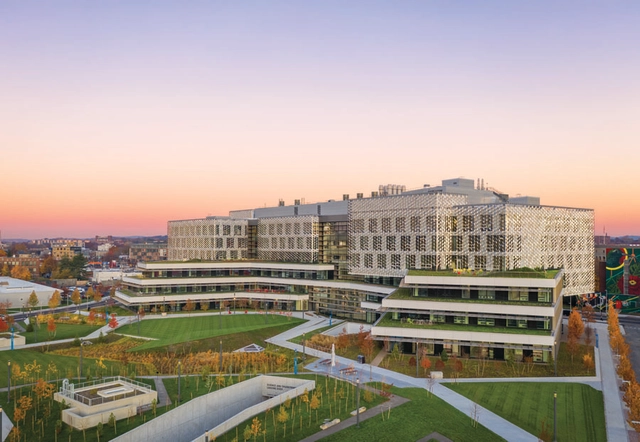
The massive new hub for lab research, by Behnisch Architekten, marks a new chapter of sustainable construction and campus planning. James McCown explores in his article originally published on Metropolis, Harvard's latest addition in the Boston campus, the new Science and Engineering Complex (SEC) designed by German-based firm Behnisch Architekten and centered on sustainability and well-being.
New Architecture by Kennedy Nolan. Image Courtesy of Finding Infinity
Australian research lab Finding Infinity has collaborated with architects, councils and investors to create a strategy that would turn Melbourne into a self-sufficient city by 2030. Building on exemplary case studies and scientific research, the initiative proposes a 10 step plan for the city’s transition from a consumer of resources to a zero-carbon urban environment.
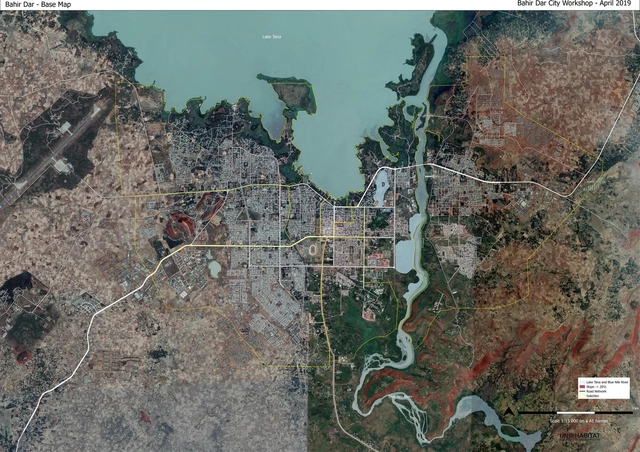
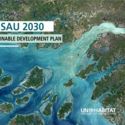
Satellite image of Bahir Dar (Ethiopia) Support of the Sustainable Structure Plan of Bahir Dar. Image Courtesy of UN-Habitat
The Un-Habitat or the United Nations agency for human settlements and sustainable urban development, whose primary focus is to deal with the challenges of rapid urbanization, has been developing innovative approaches in the urban design field, centered on the active participation of the community. ArchDaily has teamed up with UN-Habitat to bring you weekly news, article, and interviews that highlight this work, with content straight from the source, developed by our editors.
In order to support local governments in developing countries to implement the New Urban Agenda and the Sustainable Development Goals, UN-Habitat has created the Participatory Incremental Urban Planning Toolbox, “a step-by-step methodology to assess, design, operationalize and implement urban planning processes”. The guideline proposes a timeline of phases, blocks, and activities, helping city leaders, stakeholders, and the community to have a comprehensive and strategic overview of the whole strategy.
Establishing strong connections between urban and nature, tradition and innovation, and economy and culture, SOM has designed a master plan for the Central Area of Guangming District, Shenzhen, China. A new benchmark of ecologically integrated development, the project will lead the next generation of urban growth in the Greater Bay Area.
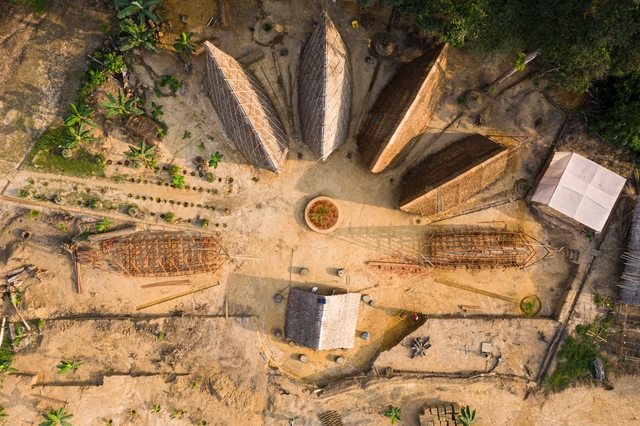
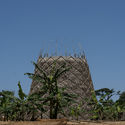
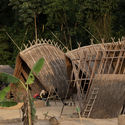
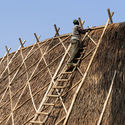
Under construction in the tropical rainforest of Cameroon, Warka Village is an integrated space for the Pygmy community, an isolated society located in the Mvoumagomi area. Constructed using only natural materials and ancient local construction techniques, the project, created by Warka Water and Italian architect Arturo Vittori, is currently operational, and expected to be completed in 2022.
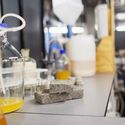
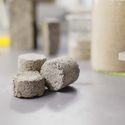
Some years ago, researchers in the United States previously tested the concept of using synthetic urine-based substances to fabricate building materials. However, new research conducted by Masters student Suzanne Lambert at the University of Cape Town, South Africa, puts forth a zero-waste process of producing urine-based bricks by using collected human urine for the first time.
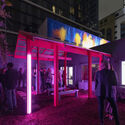
Cristopher Cichocki's Root Cycle combines installation art with existing architecture in an effort to spark a discussion regarding the relationship between design, both contemporary and historical, and environmental sustainability.
Cichocki partnered with Geoplast, a local Italian designer and manufacturer dedicated to producing innovative sustainable design products. The artist uses a particular Geoplast elevator product and Aloe Vera plants as the main components for the artwork.
UPDATE: This post originally stated that Villa Asserbo was 3D Printed, when in fact its pieces were printed using rapid prototyping technology (a subtractive, rather than additive process).
But today we heard a story about an alternative to 3D Printing‘s capabilities in the here and now - and its implications are pretty exciting.
In a small town outside of Copenhagen, Danish architects Eentileen joined forces with London-based digital fabrication and architecture specialists, Facit Homes, to create Villa Asserbo: a 1,250 square foot, sustainable home made from Nordic plywood fabricated via CNC miller and easily “snapped” together.
No heavy machinery, no cranes, no large labor force. Just a couple of guys, a few easily printed pieces, and six weeks.
Get more details about this sustainable, printed House, after the break…
This video, produced by Maike Acosta and Javier Cuevas of Florida International University (FIU), was awarded the Grand prize for the AIA Florida Committee on the Environment’s (COTE) 2011 Video-Arch Competition. The competition asked for short video clips that emphasize the architect’s primary role in designing sustainable and energy resourceful environments, leading the state of Florida and the nation their sustainable potentials. The theme of Architecture Controlling the Future of Sustainability was required to carry through to the video, intending to be a public service announcement touching on the subjects of the entrants’ choice: energy, water, public health, economics, or land use.