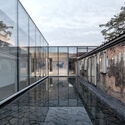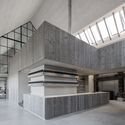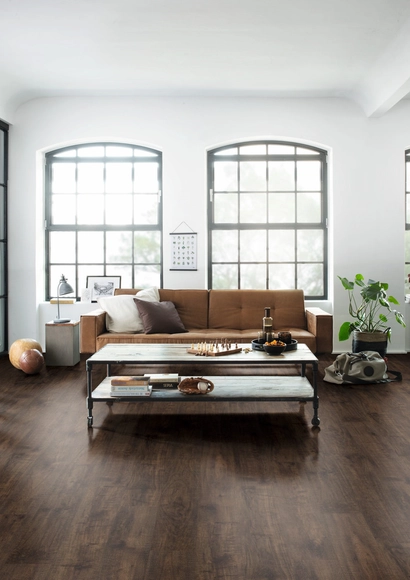
Wood-based materials manufacturer EGGER combines decor from furniture and interior design, as well as flooring, to create something entirely new.


Wood-based materials manufacturer EGGER combines decor from furniture and interior design, as well as flooring, to create something entirely new.
.jpg?1624055377&format=webp&width=640&height=580)
With global population on the rise, natural resources used to produce food are becoming increasingly threatened by climate change, and urban sprawls are continuing to out-compete farmland, with more creative solutions to growing, distributing, and consuming food urgently needed. One crucial group we’ll have to rely on to build a more food-secure future? Architects and urban designers.
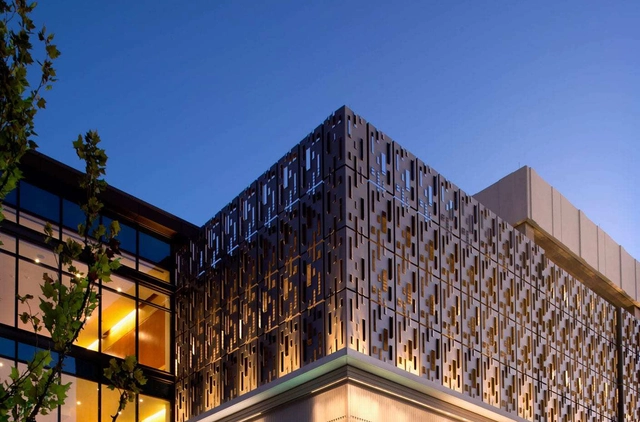
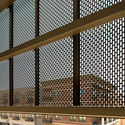
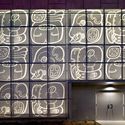
Perforated wall panels offer a variety of benefits: they can provide passive ventilation, shade, and unique aesthetics to any façade. In the case of companies like Dri-Design, which specializes in customizable and sustainable metal wall panels, perforated panels can be produced according to a wide variety of specifications, including different colors, materials, sizes, textures, shapes, and styles of perforation. Dri-Design’s perforated imaging series even allows architects to apply images onto their facades by varying the size, location, and density of the perforations.
Below, we examine three case studies of buildings using different perforated panels, considering each of their panel specifications and overall aesthetic effect on the buildings.
.jpg?1622514221&format=webp&width=640&height=580)
The 2021-2022 A' Design Awards are now open and accepting early entires. The A’ Design Award & Competition provides valuable feedback and experience to its contestants. The A’ Design Award winners will proudly display their award trophies and design excellence certificates which grant them a high level of exposure and recognition.
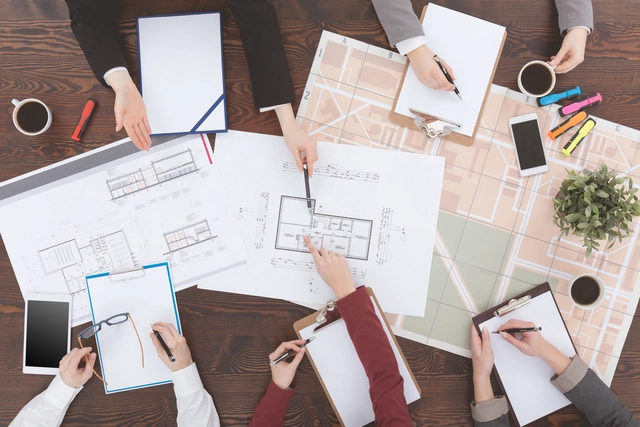
Energy codes around the world get stricter every year, architects need to prepare for various challenges ahead. The first step is to understand the key metrics needed to conduct early-stage analyses and collaborate across various teams. With buildings responsible for 39% of total carbon emissions, the design practice is evolving to bake in data-driven energy efficiency. This change is leading architects to quickly become building performance experts and create spaces that are high performance and healthy for occupants.
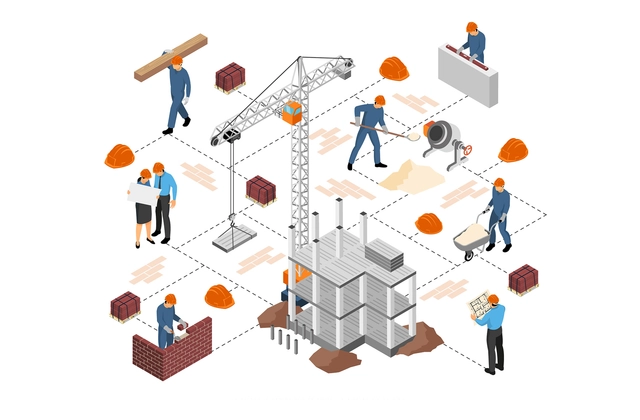
With 38% of projects over budget and 35% behind schedule, according to the 42nd Annual Deltek Clarity Report, architecture firms are focusing on the fundamentals. This includes tracking metrics and adopting new technology to keep a closer pulse on performance and profitability. Many architecture firms have a ways to go as only 25% currently see their business as digitally mature, but 76% of firms envision firm digital sophistication in five years, according to the report.
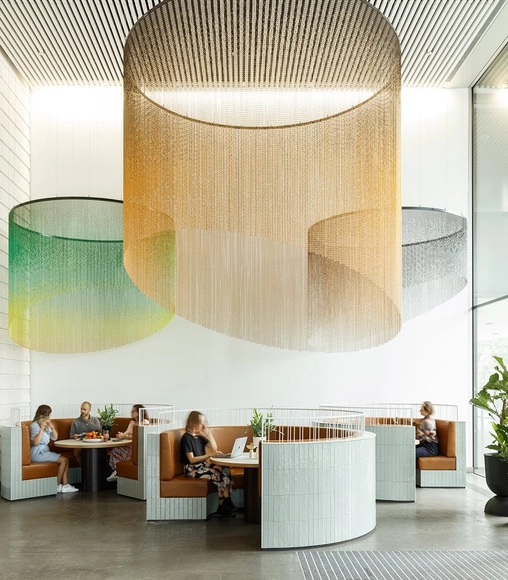
Turning an interior space from a standard room into an artistic product is no easy feat. Careful consideration must be paid to the textures, colors, and all other elements of design when striving to create a balance of visual intrigue and pleasurability.

Today, architects and builders have a multiplicity of options when it comes to specifying their cladding materials, having to balance their design vision with the user's requirements. In addition to the aesthetics and character of the chosen product, it is always important to verify its durability, low maintenance and long-term sustainability. The brick, widely used throughout the world, is not only recyclable and highly resistant to threats such as fire, wind and moisture, but also presents great ease of use, low cost, and high versatility in terms of sizes, shapes, colors and textures.
Showcasing the flexibility of the material, Heartland Brick has selected six notable and award-winning brick projects located in Texas, Kansas, and Illinois, ranging from its most classical use in arches and columns to its most modern and minimalist application, including an impressive mural of sculpted bricks. A lasting legacy for its designers and citizens, and an ongoing inspiration for the contractors and architects of the future.
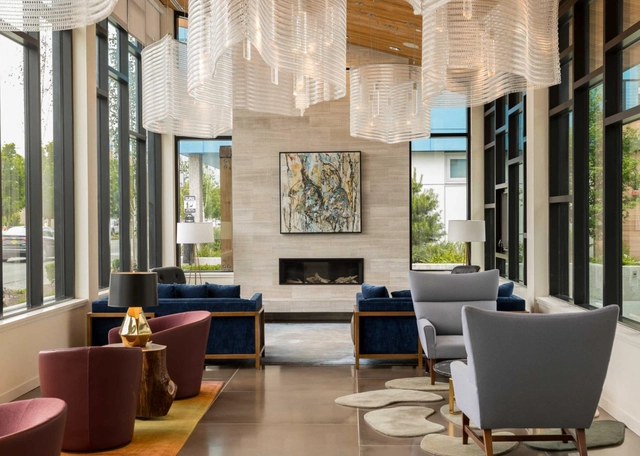
The ceiling – commonly referred to as "the fifth wall," – has the potential to transform an interior space from average into extraordinary. When it comes to design, the ceiling is often forgotten, and there are many missed opportunities to create moments of visual interest and delight.
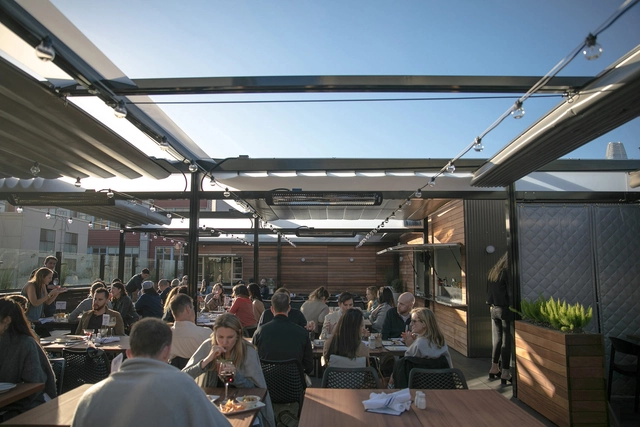
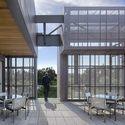
When it comes to dining, drinking, and entertaining, outdoor spaces have overtaken all other venues. In the wake of concerns about hygiene and social distancing over the past year, patio and rooftop areas have become a crucial part of the hospitality industry. Fortunately, there are many innovative ways to make patio spaces that are comfortable and outdoor-friendly, not just during the summer but in any season.
ShadeFX manufactures innovative and versatile retractable shade solutions. Fully customizable and at the heart of every project, the patented ‘Single Track’ systems provide unrestrictive coverage for some of the world’s premier commercial, residential, institutional, and municipal properties. Below are several examples of spaces that have been designed to create an optimal outdoor dining experience.
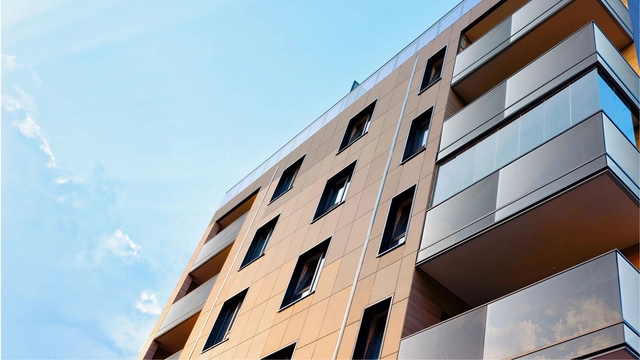
Climate change remains a foremost concern in global politics, economics, and scientific research, particularly as it pertains to the architecture and construction industries. This heightened culpability for the field of architecture stems from the fact that the construction industry contributes to 40% of global emissions, and the demand in the building sector is only projected to increase by 70% by 2050. Renewable energy is part of a 21st-century sustainability paradigm that responds to climate change and environmental degradation, strengthening the momentum for global energy transformation. Renewable energy production strategies are necessary to mitigate future energy security issues as traditional sources of fuel become increasingly scarce, and an indispensable part of designing for sustainability in architecture.
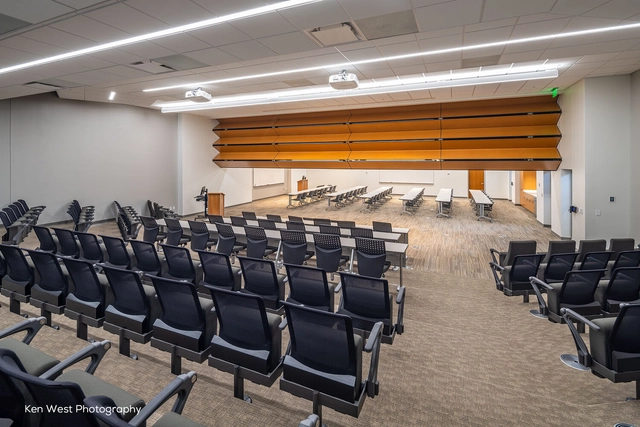
The ability to detach dividing walls from fixed structural frameworks has been one of the most notable contributions of modern architecture. The moment came when Le Corbusier's conceived the Dom-ino system, in 1914, and was brought to life in the Villa Savoye, where the structural lattice of pillars contrasted with an independent and even organic distribution of the interior partitions. The so-called open plan has been used and reinvented by architects since then for multiple scales and programs, with a flexibility that allows for the creation of large spaces with or without partitions. But one important nuisance that plagues the open plan it that is often difficult to create closed spaces when necessary, which can improve acoustic qualities and the possibility of natural light. Operable partitions serve this purpose through various mechanisms, such as sliding, folding, or wheeled panels, but they do not always facilitate the necessary conditions. Directly addressing these issues, Skyfold has developed the solution: operable walls that fold vertically and remain hidden when retracted.
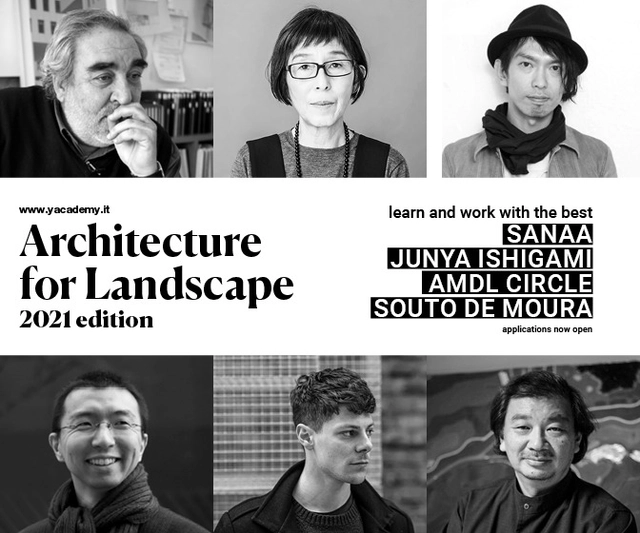
From Stonehenge to Greek temples, architecture is the signature of humankind on landscape, the artificial element that has always been connected to the natural environment. Architecture and landscape are linked by a fundamental continuity that is now starting to fade, damaging the quality of the space we inhabit.
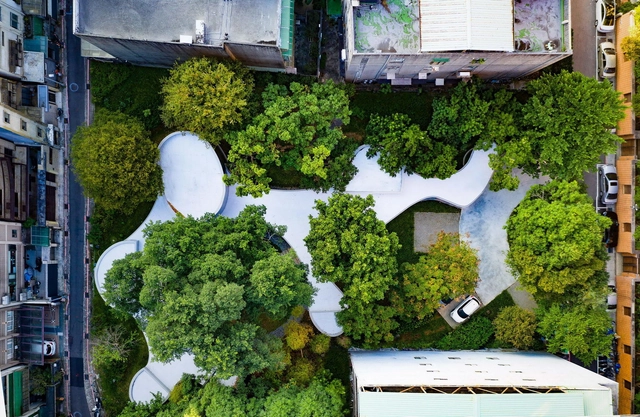
Architects from around the world are designing hotels that are sustainable and mindful of their ecological footprint, seeking to connect their guests more closely to nature. We are talking about a deep understanding that seeks to truly harmonize the environment of the place with the architecture to create a forgotten closeness to nature for urban guests.
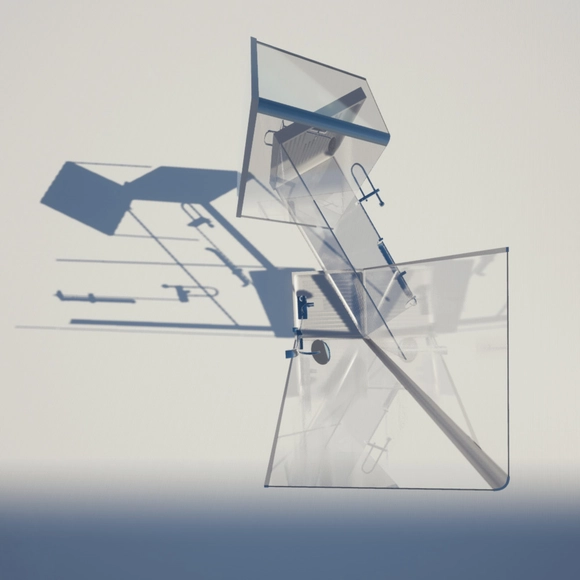
SCI-Arc's Making+Meaning is a career exploration and portfolio building program for college students, professionals, and students looking to apply to graduate architecture programs.
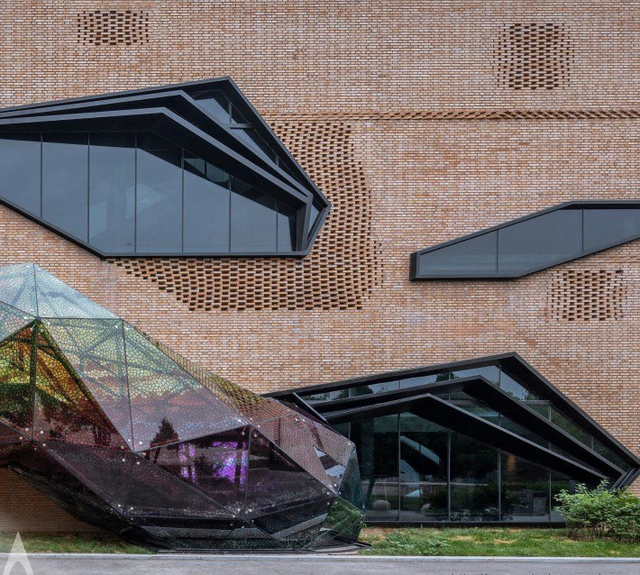
A' Design Award & Competition is the worlds' largest annual juried design competition that honors the best designers, architects, and design-oriented companies worldwide to provide them with publicity, and recognition. The A' Design Accolades are organized and awarded internationally in a variety of categories ranging from industrial design to architecture. Every year projects that focus on innovation, technology, design, and creativity are awarded the A' Award to push them further towards success.
The German Design Awards are celebrating their tenth anniversary this year. The awards are going to mark this occasion by looking at the role of design and at the decade’s highlights.

Pandemic, economic crisis, migration and climate change: every area –from the periphery of our metropolis to the most remote tropical village– can now be defined as an "emergency context". The United Nations –already before the pandemic cycle– estimated that the fragmentation of conflicts, combined with the effects of the economic and ecological crisis, was generating a humanitarian emergency greater than that caused by the Second World War.
In this context, the architect plays a fundamental role, because architecture responds to man's primary needs. Finding shelter, receiving education, living healthy are rights that require "containers" in the first place, and architecture –great architecture– would be very little if limited to contexts of well-being; since man is at the center of architecture, and man, in any context, in any condition, deserves dignity and beauty.