

-
Architects: Atelier Glow
- Area: 8621 m²
- Year: 2022
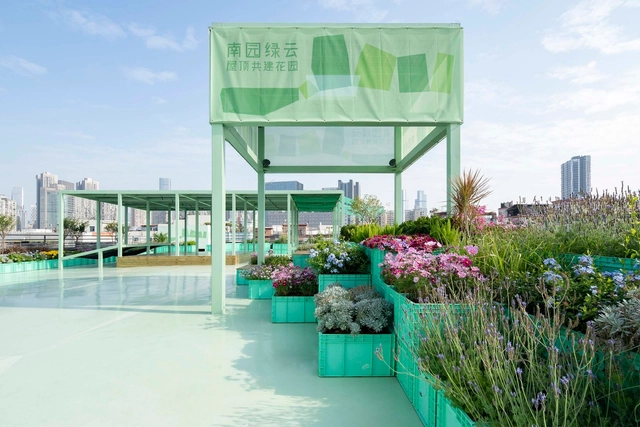
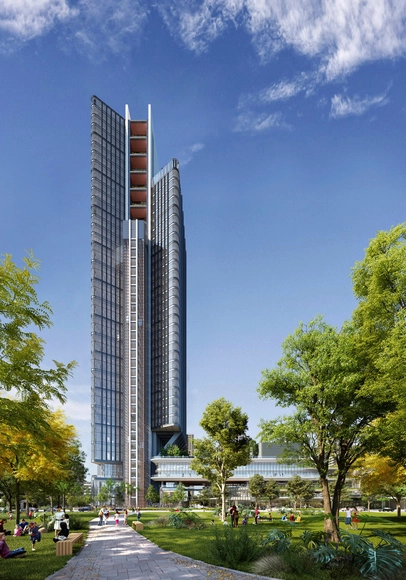
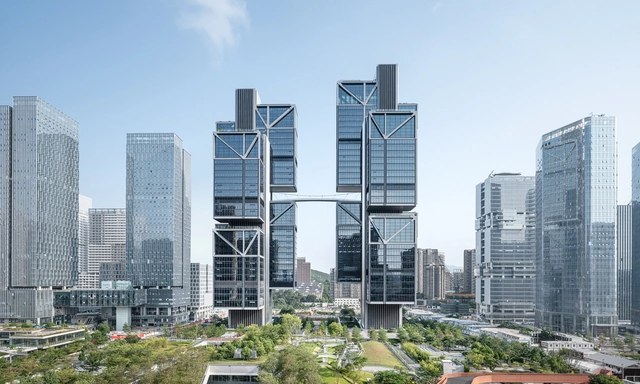
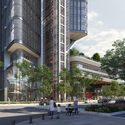
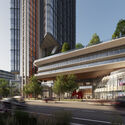
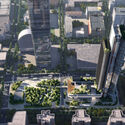
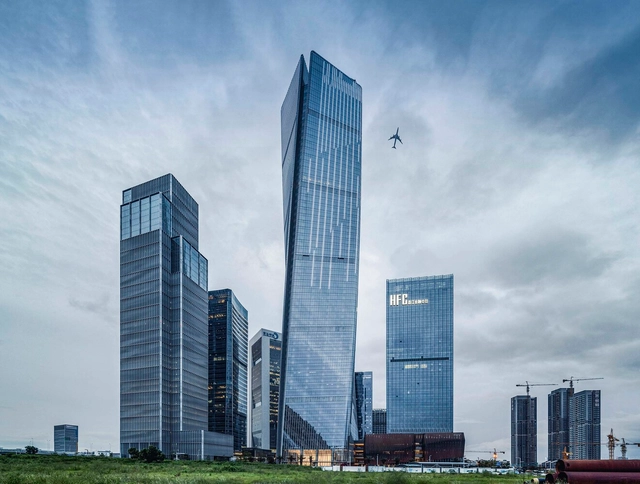
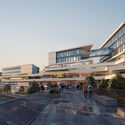
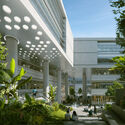
Architecture office RSHP has unveiled the design for the Shenzhen - Hong Kong Innovation Integrated Service Centre, a 45-storey tower in the Futian Free Trade Zone in south Shenzhen. The building features an integrated floating podium which provides spaces for retail, cultural events, and green roof gardens. It also connects to the existing metro station and articulates the street-level plaza. The design results from a negotiation between two distinct briefs asking for a tower and a mixed-use podium on neighboring plots. RSHP’s proposal was to merge the briefs by integrating the podium into the south side of the tower, thus creating a distinct identity and creating a better relationship with the surrounding public space.


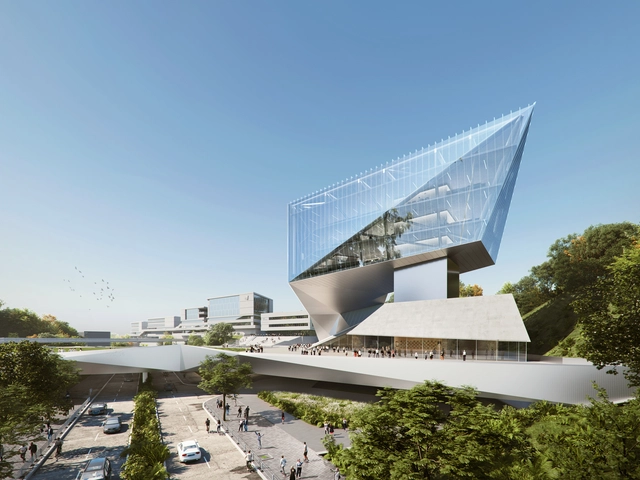
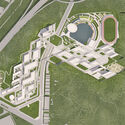
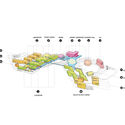
International architecture office HENN developed a 300,000m² master plan for the City University of Hong Kong in the province of Guangdong. The construction will be split into two phases: the central library is planned for 2023 and the academic amenities, including student residences, are scheduled for completion in 2025. As the City University of Hong Kong's third mainland site, "CityU Dongguan" will connect researchers and industry collaborators across the Greater Bay Area Technology Innovation Corridor and create a multifaceted university district in the Pearl River Delta region. Moreover, the complex will be home to the Faculty of Science, Engineering, Business, and Medicine.