_Tim_Griffith.jpg?1514957995&format=webp&width=640&height=580)
Shenzhen: The Latest Architecture and News
Ping An Finance Centre / KPF
_PAFC.jpg?1514958053 "© Tim Griffith")
_PAFC.jpg?1514958043 "© Tim Griffith")
_Tim_Griffith.jpg?1514958020 "© Tim Griffith")
_Tim_Griffith.jpg?1514958007 "© Tim Griffith")
_Tim_Griffith.jpg?1514957995)
https://www.archdaily.com/886473/ping-an-finance-centre-kpfDaniel Tapia
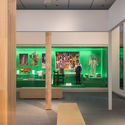
V&A Gallery / Values of Design




https://www.archdaily.com/885405/v-and-a-gallery-values-of-design-not-ready舒岳康 - SHU Yuekang
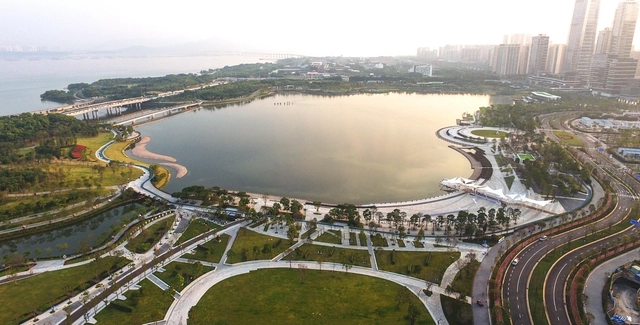
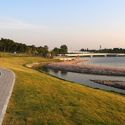
Shenzhen Talent Park / AUBE


https://www.archdaily.com/886026/shenzhen-talent-park-aube舒岳康 - SHU Yuekang
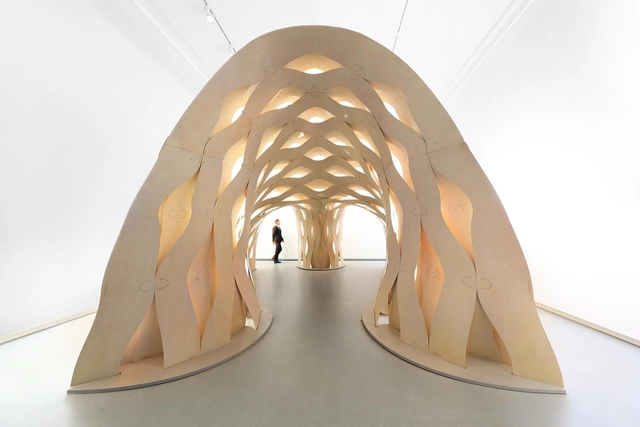
Sewn Timber Shell / ICD University of Stuttgart + DDRC Tongji University


-
Architects: DDRC Tongji University, ICD University of Stuttgart
- Area: 17 m²
- Year: 2017
-
Manufacturers: Groz Beckert, Guetemann, Kleiberit
https://www.archdaily.com/885905/icd-itke-research-pavilion-2017-18-icd-itke-university-of-stuttgartCristobal Rojas
Shenzhen Sea World Culture and Arts Center / Maki and Associates
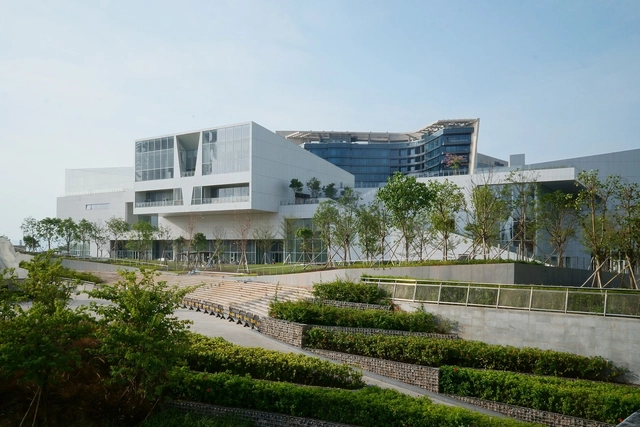
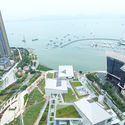
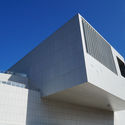
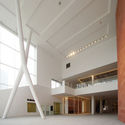
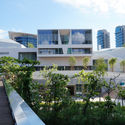

-
Architects: Maki and Associates
- Area: 73918 m²
- Year: 2017
-
Manufacturers: Guardian Glass
https://www.archdaily.com/885148/shenzhen-sea-world-culture-and-arts-center-maki-and-associates-not-ready舒岳康 - SHU Yuekang
The Results Are In: 2017 Was Another Record-Breaking Year for Skyscrapers

2017 was another banner year for skyscraper construction.
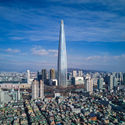
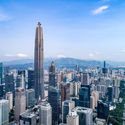
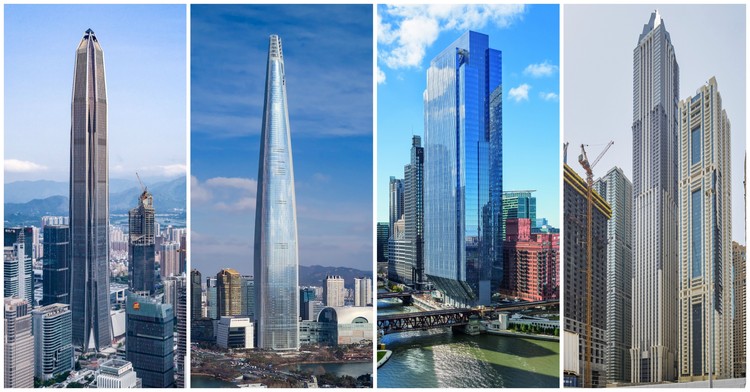
According to the 2017 Tall Building Year in Review, the annual web report from The Council on Tall Buildings and Urban Habitat (CTBUH), a record-breaking 144 buildings 200 meters tall (656 feet tall) or higher were completed in 2017, led by the 599-meter-tall Ping An Finance Center and 555-meter-tall Lotte World Tower.
In the report, CTBUH outlines this year’s trends in tall building design. Notably, 2017 proved to be the most geographically diverse year in history for tall buildings, with 69 cities across 23 countries completing new towers, an significant increase from 54 cities and 18 countries in 2016. Of those numbers, 28 cities and 8 countries completed their new tallest building.
Nick__Ulivieri__Photography.jpg?1513267321 "150 North Riverside / Goettsch Partners. Image © Nick Ulivieri Photography")
Hufton_Crow_025.jpg?1513272972 "Raffles City Hangzhou; Hangzhou, China / UN Studio. Image © Hufton+Crow")
https://www.archdaily.com/885486/the-results-are-in-2017-was-another-record-breaking-year-for-skyscrapersPatrick Lynch
Design Society Shenzhen / MVRDV

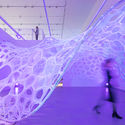
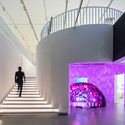


https://www.archdaily.com/885328/the-sea-world-culture-and-arts-center-gallery-mvrdvFernanda Castro
2017 Bi-City Biennale of Urbanism/Architecture Opens This Week in Shenzhen
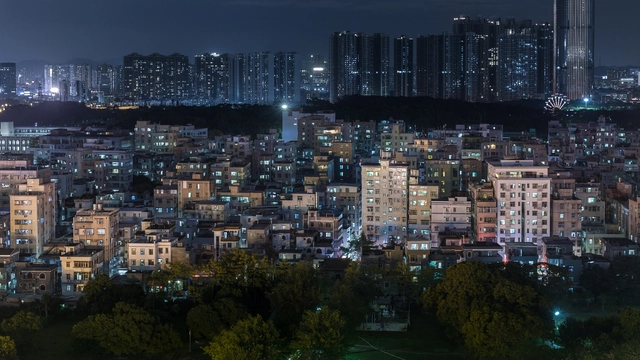
Text from the organizers Bi-City Biennale of Urbanism\Architecture (UABB). The Bi-City Biennale of Urbanism\Architecture (UABB), the only exhibition in the world to explore issues of urbanization and architectural development, will be opening for its 7th edition on December 15th, 2017. UABB will be held at Nantou Old Town in Nanshan district, an urban village that was once the administrative center of the Bao'An County. Hou Hanru, Liu Xiaodu, and Meng Yan (in alphabetic order) make up the curatorial team, all known for notable accomplishments in their respective fields. UABB is thrilled to host more than 200 award-winning exhibitors from 25 countries to share their perspectives on diversity and urban villages at this year’s biennale.
https://www.archdaily.com/884976/2017-bi-city-biennale-of-urbanism-architecture-opens-this-week-in-shenzhen韩爽
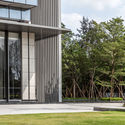
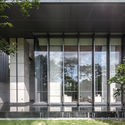
The New Swan Stone Castle of OCT / CUBE DESIGN

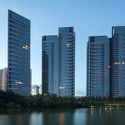


-
Architects: CUBE DESIGN
- Area: 314732 m²
- Year: 2017
-
Professionals: SCDA Architects Private Limited
https://www.archdaily.com/884926/the-new-swan-stone-castle-of-oct-cube-design舒岳康 - SHU Yuekang
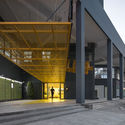
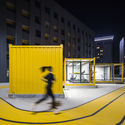
YOU+International Youth Community Shenzhen / officePROJECT

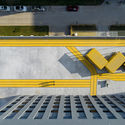
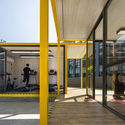
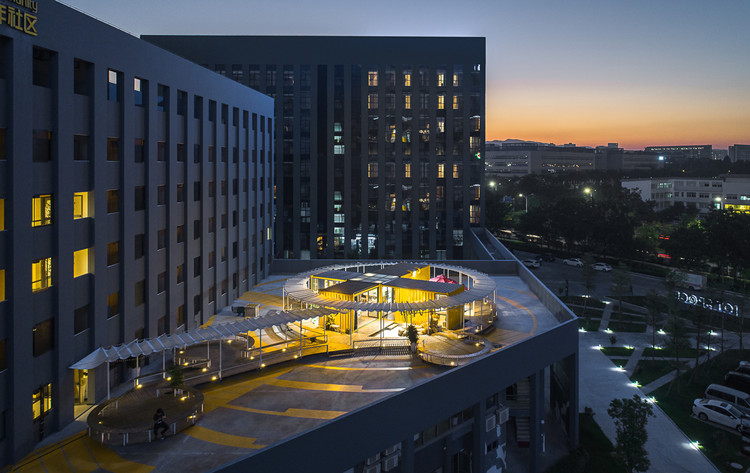
https://www.archdaily.com/884644/you-plus-international-youth-community-shenzhen-officeproject罗靖琳
China's First Dedicated Culture & Design Center, Design Society, Opens in Shenzhen
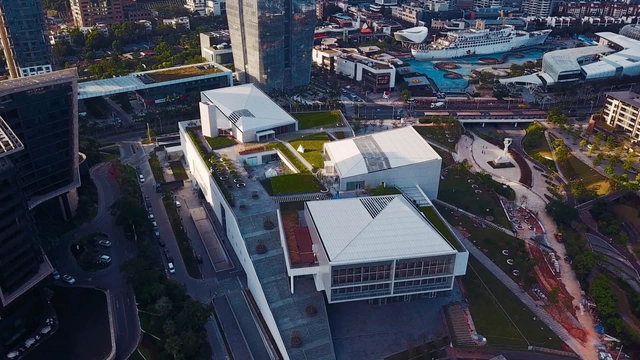
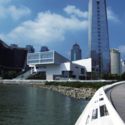
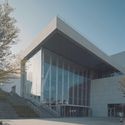
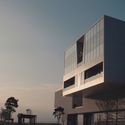
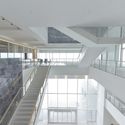
China’s first dedicated cultural design center, Design Society, has opened to the public in Shenzhen. Designed by legendary Japanese architect Fumihiko Maki, the center’s brand new building on the harborfront of Shekou will serve as a platform for the museum’s innovative program highlighting all realms of design while creating a “thought-provoking experience” for visitors.

https://www.archdaily.com/884849/chinas-first-dedicated-culture-and-design-center-design-society-opens-in-shenzhenPatrick Lynch
Seesaw Coffee Shenzhen MIXC / NOTA Architects

-
Architects: NOTA Architects
- Area: 243 m²
- Year: 2017
-
Manufacturers: Agglotech, FIDIVI Tessitura Vergnano S.p.A., HAY
-
Professionals: ChenYi Construction, Liang-Xing Wang's Team, TT FLOWERS
https://www.archdaily.com/884152/seesaw-coffee-shenzhen-mixc-nota-architects罗靖琳
Lingers Book Bar / Hejidesign


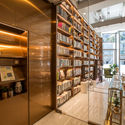

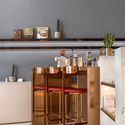
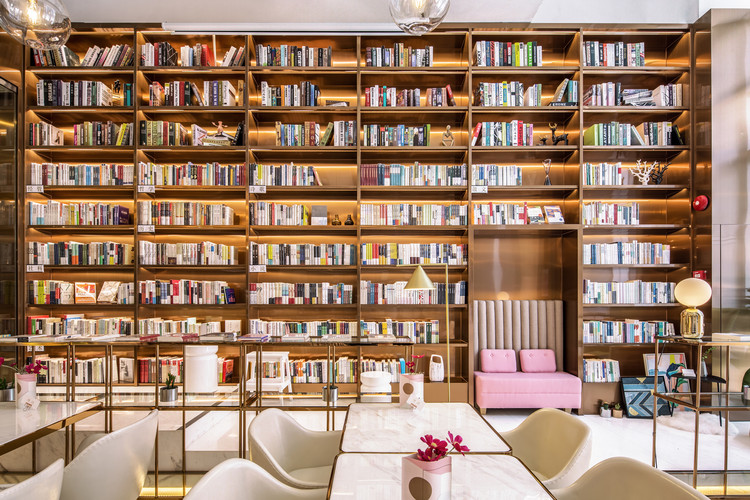
https://www.archdaily.com/882989/lingers-book-bar-hejidesign舒岳康 - SHU Yuekang
Ciao Amici Bar / Hejidesign Shenzhen
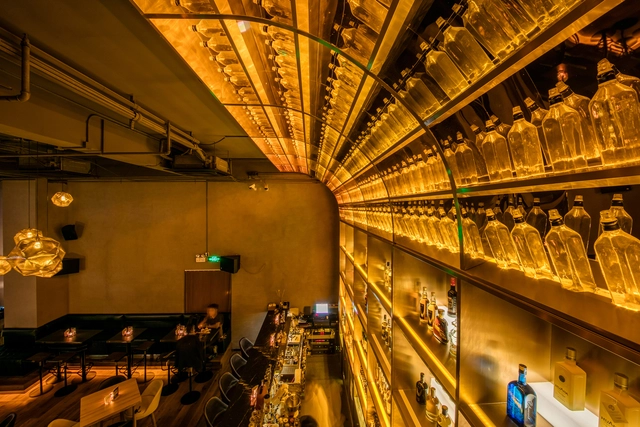

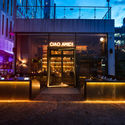
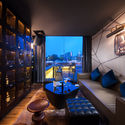


-
Architects: Hejidesign Shenzhen
- Area: 136 m²
- Year: 2017
https://www.archdaily.com/882016/ciao-amici-bar-hejidesign-shenzhen舒岳康 - SHU Yuekang
10.Creative Drink / CM Design
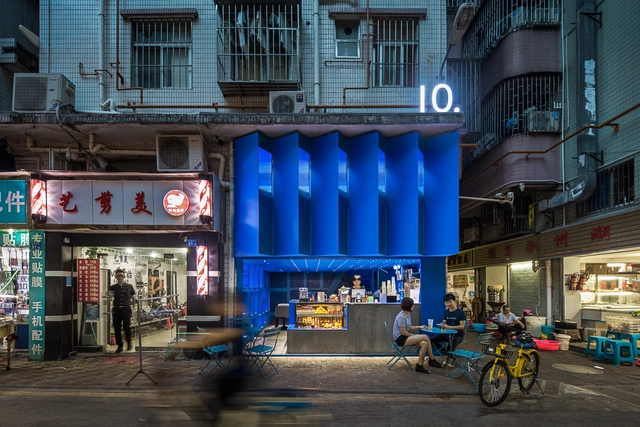
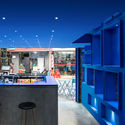
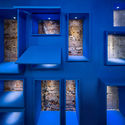
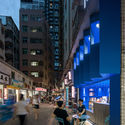
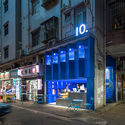

https://www.archdaily.com/882394/1reative-drink-cm-design舒岳康 - SHU Yuekang
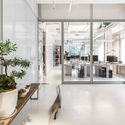
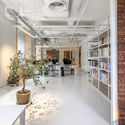
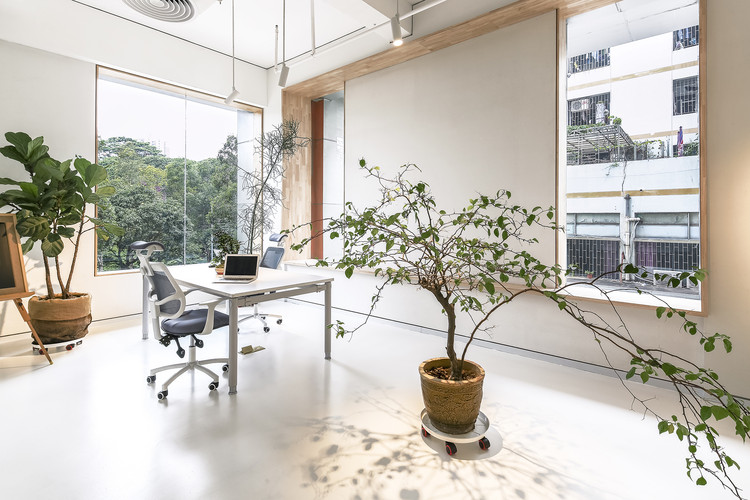
Bloom Design Studio / Bloom Design

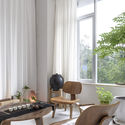

https://www.archdaily.com/877438/bloom-design-studio-bloomdesign罗靖琳
Atelier Global Wins Competition to Design 'Book City' in Shenzhen
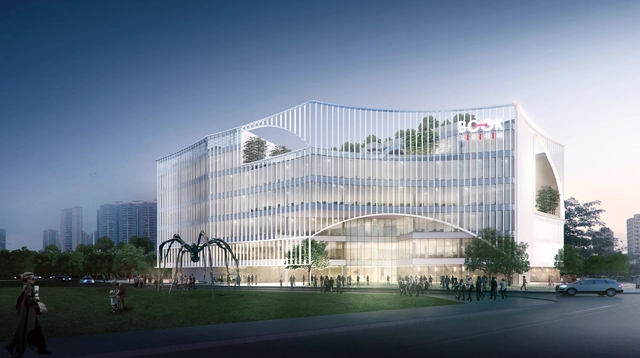
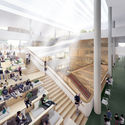
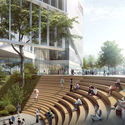
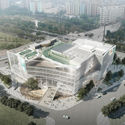
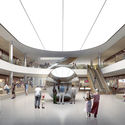
Atelier Global has been announced as the winners of a competition for the architectural and interior design of 'Shenzhen Book City,' a library and public gathering space located at the heart of the Long Hua arts district, becoming a part of the greater contemporary and historic fabric of art centers, public parks and urban typologies.

https://www.archdaily.com/877472/atelier-global-wins-competition-to-design-shenzhen-book-cityJoanna Wong
New Photographs Unveiled as China's First Design Museum Nears Completion in Shenzhen
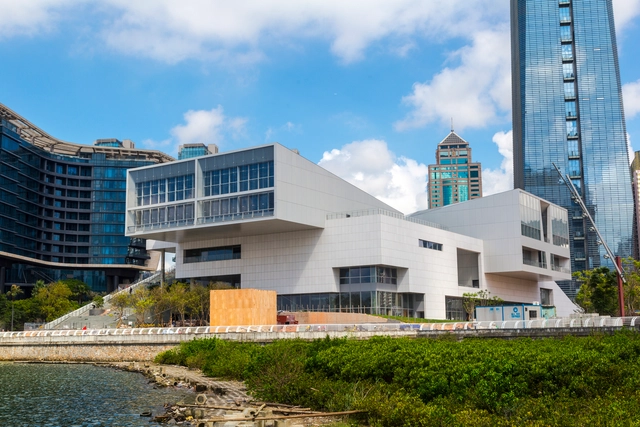
A series of new photographs of China’s “first major design museum” has been unveiled by Design Society, showing Pritzker Prize winner Fumihiko Maki’s design nearing completion in the Shekou district of Shenzhen. Commissioned by the duo of China Merchants Group (CMG) and the V&A Museum in London back in 2014, the project was envisioned as a catalyst for development in the city, given Shenzhen’s bustling creative sector of over 6,000 companies.
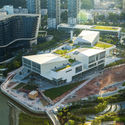
As the photos display, the building is formed through three separate cantilevering volumes, which sit atop a plinth overlooking the waterfront. An exterior corner staircase leads to a number of publicly accessible rooftop terraces, inviting the public to engage with the building at various levels. Finishing touches are being added to the construction with the envelope already complete, while interior spaces and the site landscaping are still undergoing further polish and are yet to be fully resolved. Check out all the photographs of the building below, which will be occupied by Design Society upon completion.

https://www.archdaily.com/875553/new-photographs-unveiled-as-chinas-first-design-museum-nears-completion-in-shenzhenOsman Bari