Courtesy of Seoul Biennale of Architecture and Urbanism
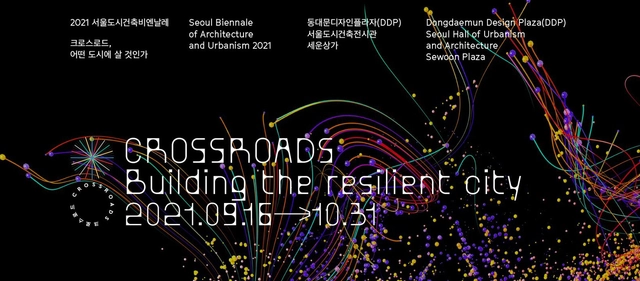
The 2021 Seoul Biennale of Architecture and Urbanism will debut on September 16th with a series of exhibitions, events and conferences that reflect on the future of urban environments and the architectural and planning strategies that foster resilience. Titled “CROSSROADS, Building the Resilient City”, the third edition of SBAU curated by architect Dominique Perrault attempts to assert the importance of interactions and “cross-fertilization of expertise and approaches” to respond to the complexities that shape the built environment, all read through the timely issue of resiliency.
Courtesy of Seoul Biennale of Architecture and Urbanism
Under the theme of "Crossroads: Building the Resilient City", the 2021 Seoul Biennale of Architecture and Urbanism explores cities through architecture, design, and urban planning by highlighting "the virtues and dialogue of crossroads of knowledge" through exhibitions, installations, and events, that tackle the city of tomorrow led by architect Dominique Perrault. With more than 100 participating cities across five continents and installations by world renowned architects and designers, the Seoul Biennale will take place at various locations across the city from September 16 until October 31st, 2021.
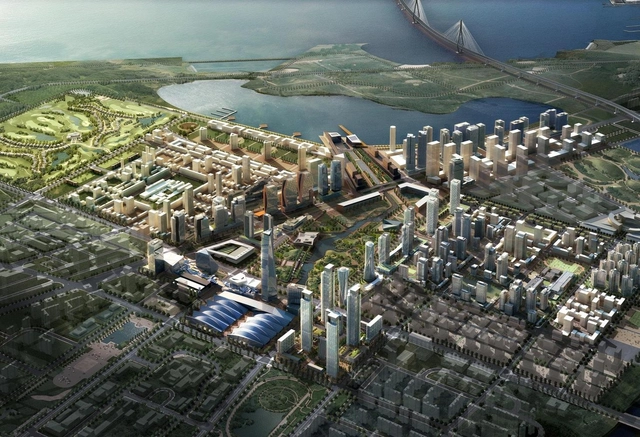
What does it take to build a smart city from nothing? Or maybe the better question is, what does it take to build a smart city from nothing and make it successful? For over a decade, architects and urban planners worked hand in hand to create Songdo, a brand new business district that sought to represent South Korean advancements in technology and infrastructure. Songdo was once a model for how we would live in cities of the future- but now, the reality of what this smart city quickly became has us rethinking how the combination of technology and community might have gone wrong.
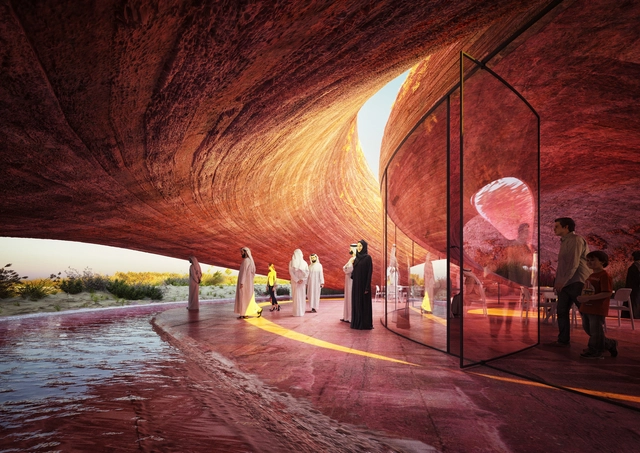
Abu Dhabi Flamingo Visitor Center. Image Courtesy of Mykhaylo Slyusar | SDAR
Cultural architecture is defined by shared values and exchange. It centers on humanity, civic life and a story of how societies evolve over time. Whether museums, libraries, visitor centers or monuments, these spaces tell stories about a region, culture and place. This week’s curated selection of the Best Unbuilt Architecture focuses on museums and cultural projects designed in both rural and urban settings. Drawn from all over the world, they represent proposals submitted by our readers.
Trading a diversity of typologies for a range of settings and contexts, these projects showcase many different ways to tell a story of culture. They each showcase diverse taxonomies, formal approaches and spatial organizations, from a tower in Shenzhen to a Mediterranean school in Corsica and an art center in New South Wales, Australia.
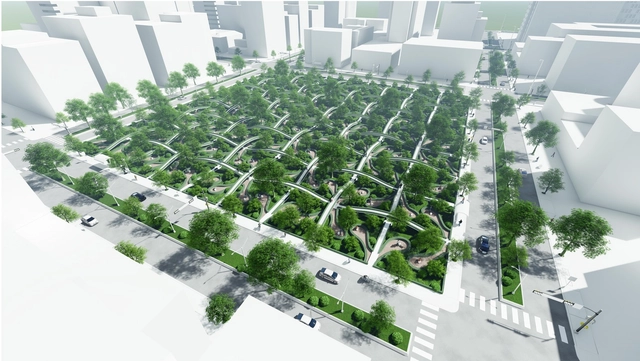
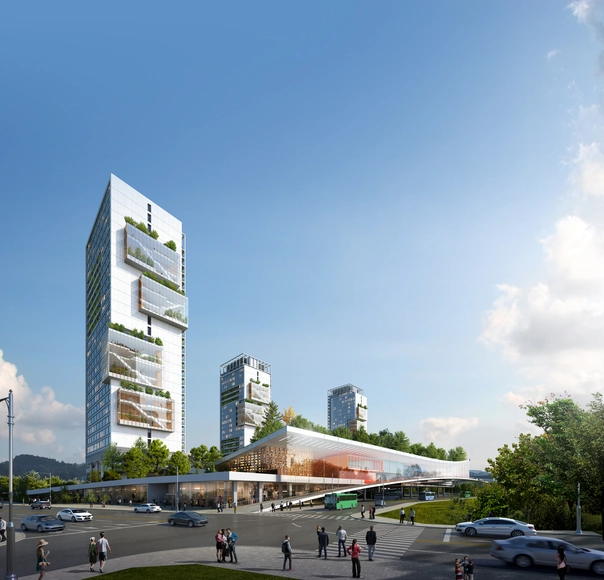
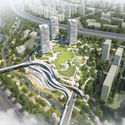
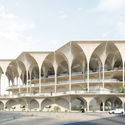
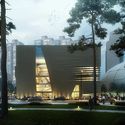
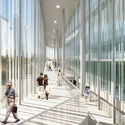
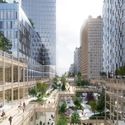
Henning Larsen’s proposal for Seoul Valley was selected as the winner of the Central Seoul Development Competition. Seeking to become a new home for the public in the center of the city, the mixed-use development “merges Seoul’s global commercial profile with an ecological return to downtown pedestrian life”. Other entries included schemes by MVRDV and SOM.
The Invisible Facemask. Image Courtesy of Seoul City Government
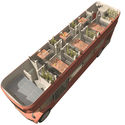
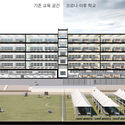
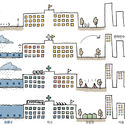
It is now of worldwide interest to re-think how our cities will adapt to a post-COVID-19 era, and take the necessary actions. Understanding that social distancing is of vital importance, our various daily-life spaces will face an inevitable change. Considering the current situation which calls for proper architectural solutions in response to the unprecedented pandemic, The Seoul Metropolitan Government is developing innovative concepts for new built environments, city spaces, and landscapes, able to adapt to this post-coronavirus era. Aligned with this approach, Seoul City has recently held an international Competition for Architectural Ideas in order to prepare for the post-COVID-19 world.
Gangil 1st position. Image Courtesy of M.A. Architects & Partners
The Seoul Compact City has held 3 different international design competitions, in 3 different neighborhoods in Seoul, South Korea, hosted by theSeoul Metropolitan Government and organized by Seoul Housing Corporation (SH Corporation). Aiming to create complex urban spaces in each of the interventions of the three-dimensional project, the contest selected visionary winning teams for each thematic, focusing on the introduction of public housing units and the enhancement of the infrastructure.
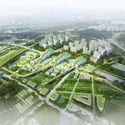
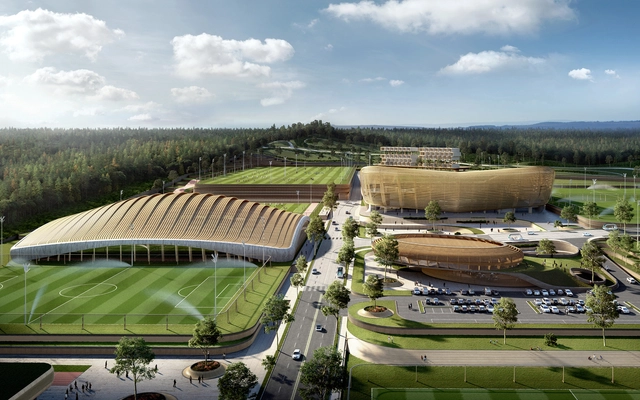
UNStudio in collaboration with Johan Cruijff ArenA designed a winning plan for the Korean National Football Centre in Seoul. Focusing on health, wellness, science, technology, education, and promoting a healthy lifestyle, the project was selected as the winning design in an international closed competition that took place in March this year.
Seoul is considered one of the most densely-populated and over-priced cities in the world, reaching a staggering $ 80,000 per square meter. The extreme conditions of the city have forced local architects to operate, design, and build framing the city's urban issues, traditions, and history. This approach by architects has created the theoretical basis of “The Condition of Seoul Architecture”, a publication by multidisciplinary practice TCA Think Tank which sees the point of view of 18 innovative South Korean architects.
In this interview, Pier Alessio Rizzardi, founder of the practice, talked to Cho Byoung-soo of BCHO Architects, discussing traditional Korean Architecture, the struggles of the contemporary Identity, and his sensitive approach to materiality, nature and time.






















Proloog_SeoulValleyAerial-1200px.jpg?1606728853&format=webp&width=640&height=580)
Proloog_InsideOutside-1200px.jpg?1606728842 "Courtesy of Proloog")
Proloog_websize-1200px.jpg?1606728874 "Courtesy of Proloog")
HenningLarsen_OfficeRooftopTerrace-1200px.jpg?1606728811 "Courtesy of Henning Larsen")
Proloog_SeoulValleyAerial-1200px.jpg?1606728853)