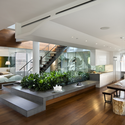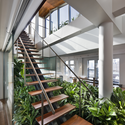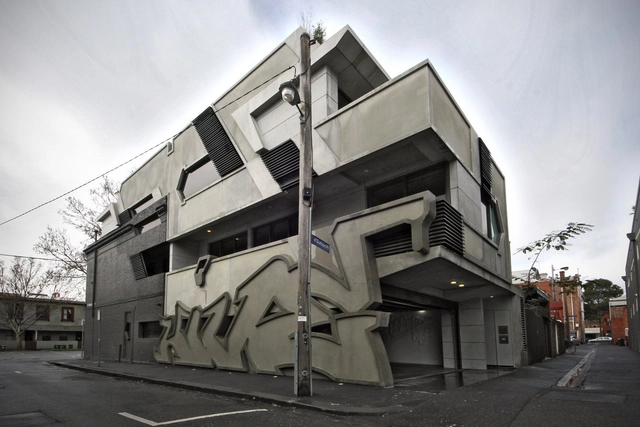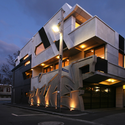

-
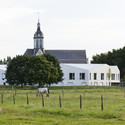
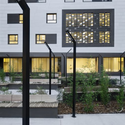
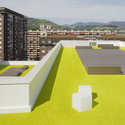
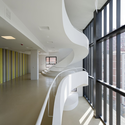
Architects: FARM Architect
- Year: 2011


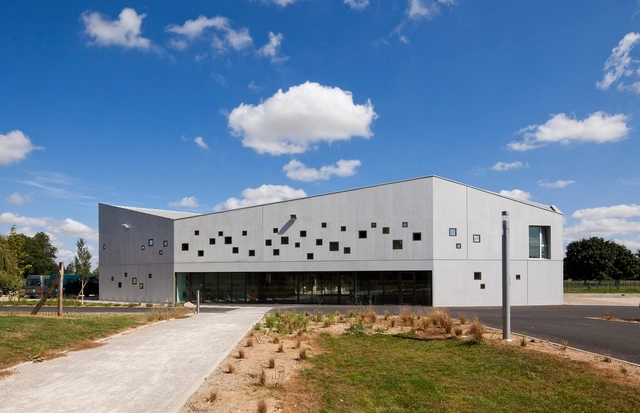

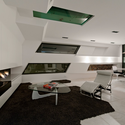
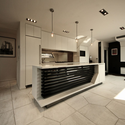
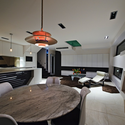
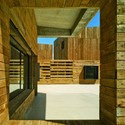
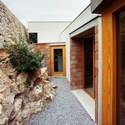
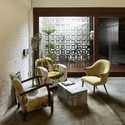
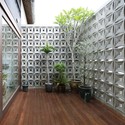
Designed by Tokamarch Architects, the XishuangbanNa Residence deals mainly with the relationship between the modern building and local natural environment. The traditional “Dai” village keeps a great balance with the natural environment in XiShuangBanNa. The boundary of every family is divided by bamboo fences or green plants. Luxuriant and multi-layered primitive woods have brought people a green and lively village, The relationship between the living space and the natural environment is in a harmonous compatible symbiosis. More images and architects’ description after the break.
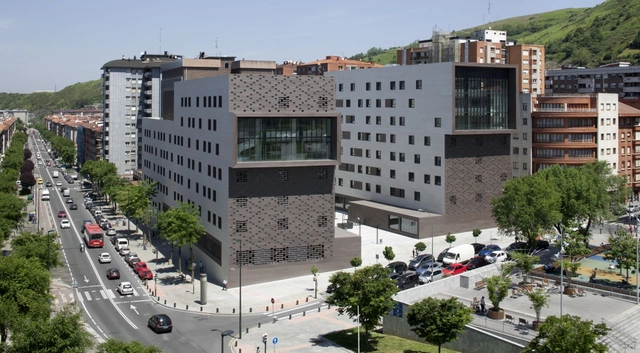

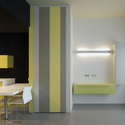
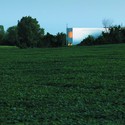
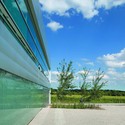
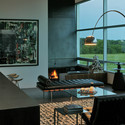
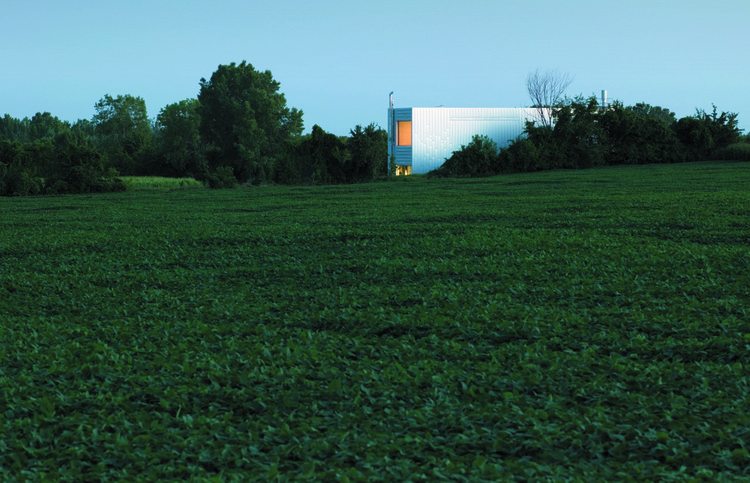
Architect: Wendell Burnette Architects Location: Ellington, Wisconsin Project Size: 5,000 square feet Photography: Bill Timmerman
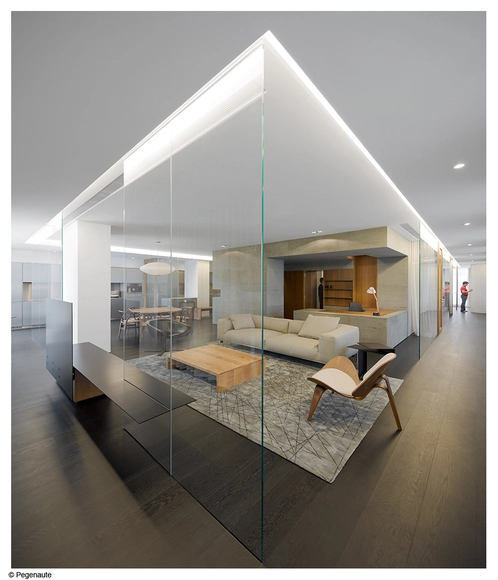

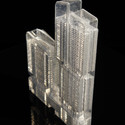
Recently, we shared ODA’s honorable mention proposal for the National Library of Israel which fosters an open haven for learning and activity. The New-York based firm is also working on projects a bit closer to home in Manhattan that approach zoning restrictions with an air of optimism. ODA explained, “We embrace those parameters (zoning ordinances) and use them as the DNA of our buildings. If carefully studied, NYC’s zoning allows for many interpretations that follows logical principals.”
More about the residences after the break.

Located in a land about 80 hectares in Tehran, the design for the Army Residential Complex by Hootanpei was chosen in an architectural competition. With the contractor’s demand of 28-30 towers with 20-30 floors, the most important factor of design was minimum interference between pathways and driving ways and also suitable green places to create comfort and welfare for residents. More images and architects’ description after the break.

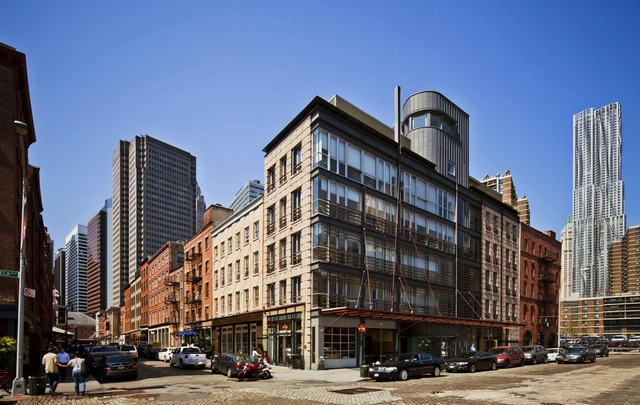

Anupama Kundoo‘s Wall House, originally built in Auroville, India in 2000, will be partially reconstructed at a 1:1 scale at the Venice Biennale this year for the theme of “Common Ground” by director David Chipperfield. This portion of the exhibition is supported by the University of Queensland, whose students and staff will assist with the construction of the replica alongside Indian craftspeople and Italian builders. The house has been described as a testing ground for spatial and technological innovation. In its debut at the Venice Biennale, it will afford Kundoo the opportunity to further explore these experiments.
Follow us after the break to see the innovations behind this widely acknowledged piece of architecture.

The Hegeman, designed by Cook + Fox Architects, is a residential community in Brownsville, Brooklyn that provides housing for low-income and formerly homeless individuals. Developed by Common Ground Community – an innovative non-profit whose mission is to end homelessness – the Hegeman Residence will also provide a range of on-site social services in a model known as supportive housing. For a little bit of context, Brownsville has the highest concentration of NYCHA (New York City Housing Authority) developments in New York City. A wave of arson in the 1970s destroyed most of the residential structures; Brownsville is just one of the many neighborhoods that were affected. The urban renewal that followed rebuilt many homes and designated them as low-income housing. The community has had many problems since associated with poverty, including crime and drug addiction, as well as low test scores and high truancy rates in the education system.
More after the break.

This year’s Venice Biennale will kick off on August 29th and run through November 25th and for the first time, the Institut Ramon Llull will be presenting an exhibition dedicated to Catalan and Balearic architecture entitled “Vogadors”, featuring nine projects from nine different architects that epitomize the contemporary and avant-garde works from the regions. The exhibition is inspired by the Mediterranean Sea, which is the main geographical feature of the regions, and by the words of Jorge Oteiza, “He who forges ahead creating something new does so like an oarsman, moving forward but back-paddling, looking behind him, towards the past, towards what exists, so as to be able to reinvent its underpinnings.”
Follow us after the break to see the projects to be featured at the exhibit.