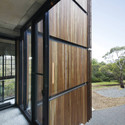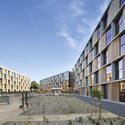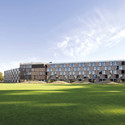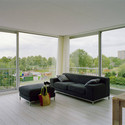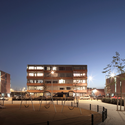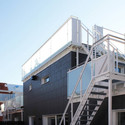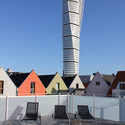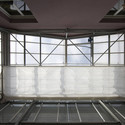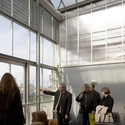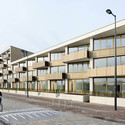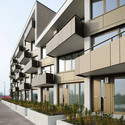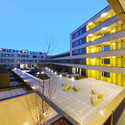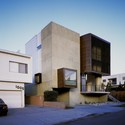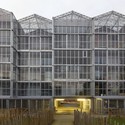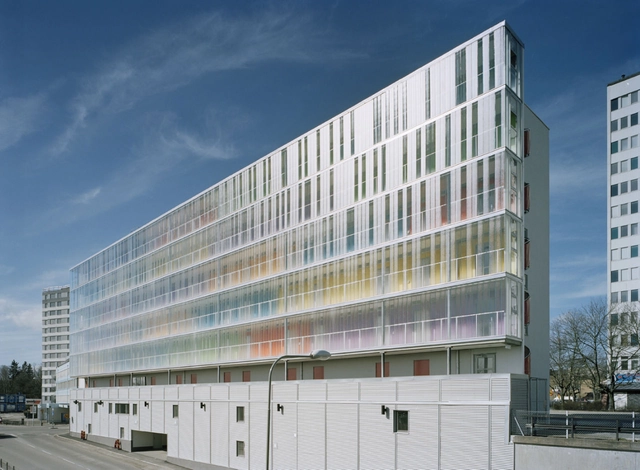


-
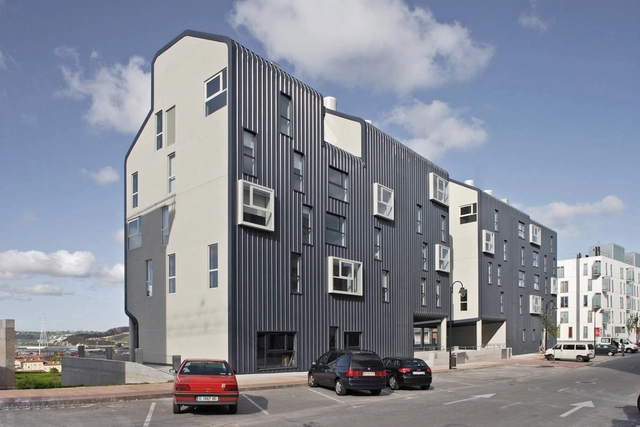
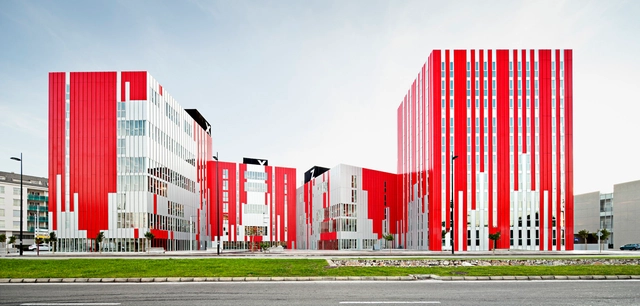
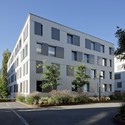
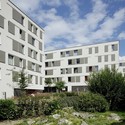
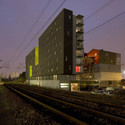
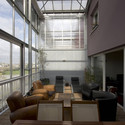
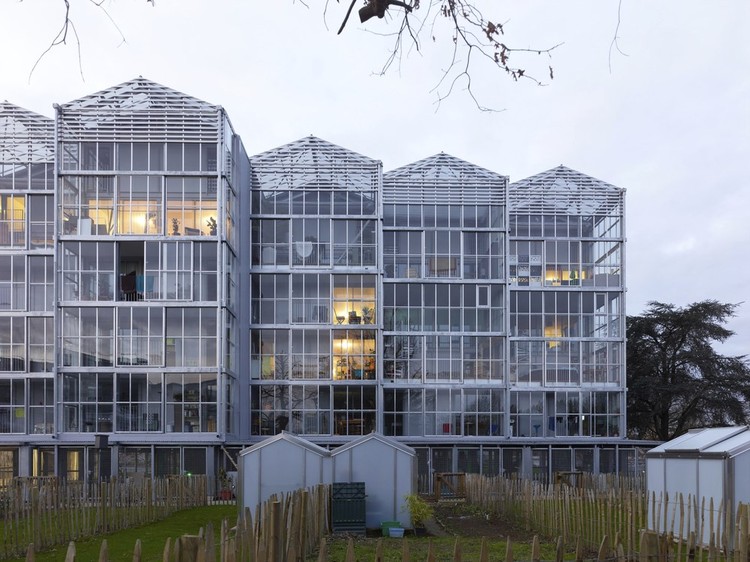
Architects: Gatun Arkitekter
- Area: 5100 m²



This Article is the second of a two-part series, “Saving Suburbia.” If you missed Part I, “Bursting the Bubble”, you can find it here.
Suburbia has a problem. We’ve known it for a while. We’ve chosen to ignore it.
Why? Because the suburbs are difficult. And just… not sexy. We have become so enamored with our cities, with their various complexities and potential for sustainability, that the suburbs, with their single-family home and deep carbon footprint, seem a backwards architectural wasteland.
But letting the suburbs die would be a tragic, missed opportunity. As I noted in “Bursting the Bubble,” Suburbia is not just the Myth it propagates (wealthy commuters and Soccer Moms in SUVs, carelessly polluting the environment and resistant to change), but a large, growing “other”: the suburban poor, stranded and imprisoned by sprawl.
To reverse Suburbia’s built hostility to its “other” and the very Earth itself, we must re-imagine the ‘burbs as nodes of density within a well-connected network. But to make this reality, we must get the Myth’s “chosen ones” on our side, which means versing ourselves in a tricky (and political) discourse.
We cannot just be Architects; we have to be part of a community-driven movement.


Contributing to the Vancouver skyline, the 490-foot-tall Beach and Howe mixed-use tower by BIG, Westbank, Dialog, Cobalt, PFS, Buro Happold, Glotman Simpson, and local architect James Cheng marks the entry point to downtown, forming a welcoming gateway to the city, while adding another unique structure. BIG’s proposal, named after its location on the corner of Howe & Beach next to the Granville Street Bridge in downtown Vancouver, calls for 600 residential units occupying the 49-story tower, which would become one of the city’s fourth tallest buildings. More images and architects’ description after the break.