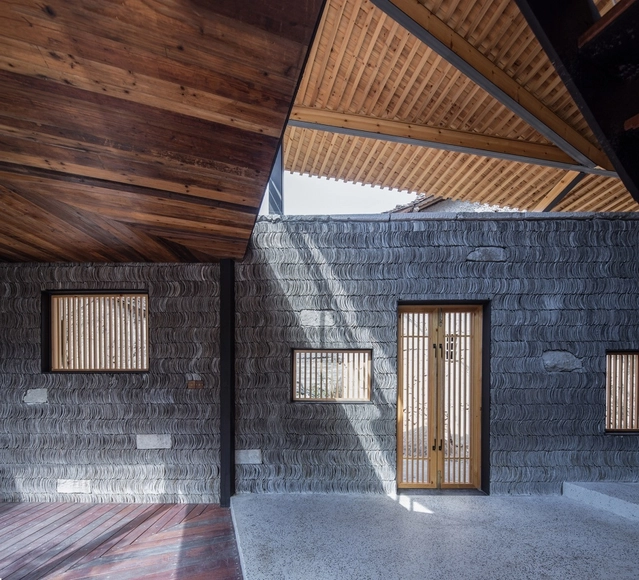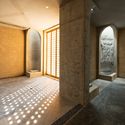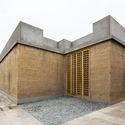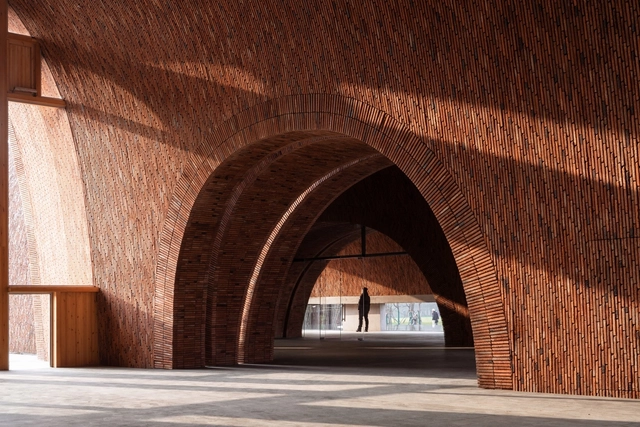
Jingdezhen Imperial Kiln Museum / Studio Zhu-Pei. Image Courtesy of Studio Zhu-Pei
Over the course of the last decade there has been a growing interest in the handcrafted buildings, as well as in the application of local and renewable materials in building construction. Under the concerns about the heavy environmental and economic expenses caused by construction, nowadays urban planners are embracing the concept of sustainability, which refers to “meeting our own needs without compromising the ability of future generations to meet their own needs”.
The Moroccan Pavilion at the 2020 Expo in Dubai explores traditional Moroccan architecture and how it can be reimagined in contemporary construction techniques and urban developments. The pavilion is designed by architects OUALALOU+CHOI, and will display a first-of-its-kind structure with a 4000 m² rammed earth facade, pushing the boundaries of the material and exploring its full potential.
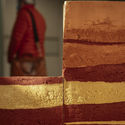
Ancestral, but overshadowed by other technologies that have emerged over time, the rammed-earth walls are again gaining prominence in Brazil for being a low-impact, sustainable and economical solution. Known in Portuguese as taipa, it is a rudimentary construction system that compresses the earth into wooden boxes until it reaches an ideal density that allows a resistant and long-lasting structure.
https://www.archdaily.com/957907/the-benefits-of-rammed-earth-in-brazilian-housesEquipe ArchDaily Brasil
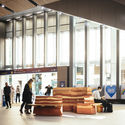
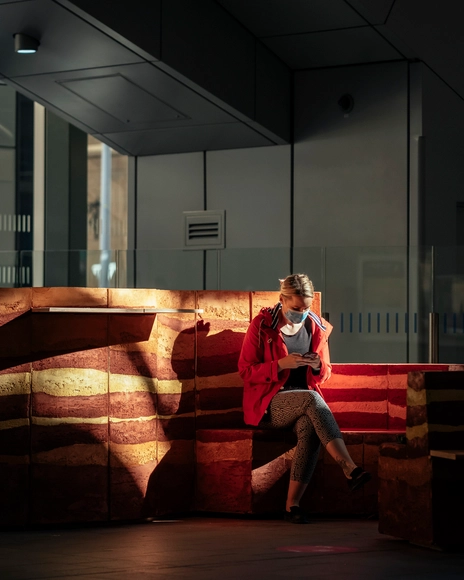
Local Collective has designed a seating made of clay for the London Festival of Architecture and Network Rail. Unveiled at London Bridge Station, the urban furniture is a result of a “competition organized by the LFA and Network Rail to create public installations that celebrate London’s shared spaces and connect people with playful encounters”.
OUTSIDER - a magazine that transcends boundaries has launched an architectural competition that encourages exploration of the significant potential of earth as a building material. The technique is one of the oldest known building methods. It carries a great potential in becoming a prevailing “novelty” of the future. The great environmental aspects, unique aesthetics, and energy efficiency are reasons enough to explore the topic forward.
Constrained by a lack of transportation and resources, vernacular architecture has started adapting the distinct strategy of utilizing local materials. By analyzing projects which have successfully incorporated these features into their design, this article gives an overview of how traditional materials, such as tiles, metal, rocks, bamboo, wooden sticks, timber, rammed earth and bricks are being transformed through vernacular architecture in China.
OUALALOU + CHOI has designed the MoroccoPavilion at the 2020 Expo in Dubai, showcasing traditional Moroccan design and construction techniques. The pavilion brings “rammed earth construction to new heights”.
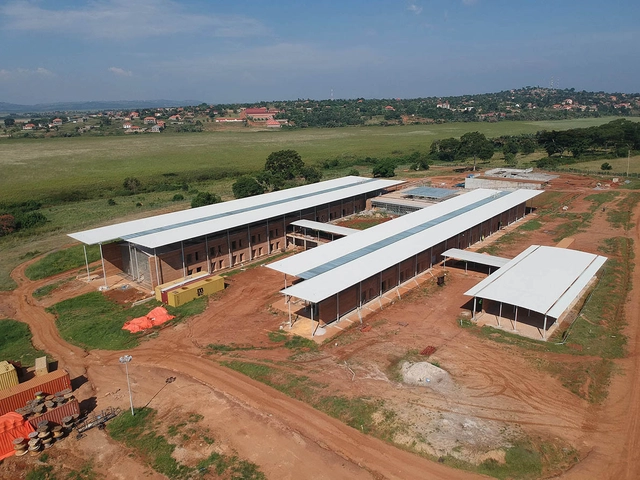
Renzo Piano Building Workshop has released an update of their Emergency Children’s Surgery Center in Uganda, as work progresses on the pediatric surgery hospital. Since its inception in 2013, the scheme has sought to merge the practical requirements of the healthcare industry with a “model piece of architecture that is rational, tangible, modern, beautiful, and firmly linked to tradition.”
https://www.archdaily.com/914606/renzo-piano-designs-emergency-hospital-in-uganda-with-rammed-earth-wallsNiall Patrick Walsh
We are inviting young architects / final year students, to build the First Children’s Nature Play Pavilion at Red Soil Nature Play. This is a blind fold jury competition; the selected top 3 entries will be given natural space of 1500 sq.ft at Red Soil Site. You are left to your own imagination with sensitivity towards young children and nature. We will grant/ fund the project. Each Pavilion (selected entries) will be built periodically (one by one) and will amaze the young children for 3-4 months at Red Soil Nature Play.
This article is part of our new "Material Focus" series, which asks architects to elaborate on the thought process behind their material choices and sheds light on the steps required to get buildings actually built.
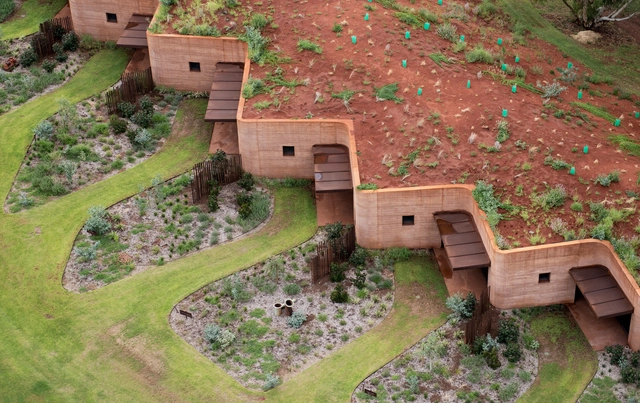
The Great Wall of WA, designed by the Australian firm Luigi Rosselli Architects, and selected as one of Archdaily’s Best Building of the Year 2016, provides a unique example of rammed earth construction. At 230 meters in length, the Great Wall of WA is the longest structure of its kind in Australia and possibly the South Hemisphere, according to its architects. Built in remote North Western Australia, the building is made from locally available materials whose thermal properties help it to endure a variable climate. We spoke with the architect Luigi Rosselli to learn more about his compelling choice of material and the determining role it played in his concept design.
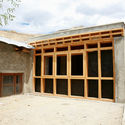
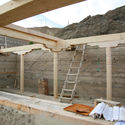
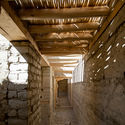
Located high in the Himalayan Mountains, the sparsely populated region of Ladakh is one of the more remote places on Earth. At over 3500 meters above sea level, the region includes terrain consisting of steep cliffs and wide valleys, and an extreme climate to match: temperatures often reach +30 degrees celsius in the summer months and drop to -30 degrees celsius in the winter. Severe weather patterns such as these typically require durable construction materials and technologies - yet with the region’s difficult-to-reach location and a construction season lasting only four to six months, importing materials becomes a costly, if not impossible task. Luckily, with help from Czech architecture firm Archide, residents were able to find that the best material for the job was one found right outside their doors: rammed earth.
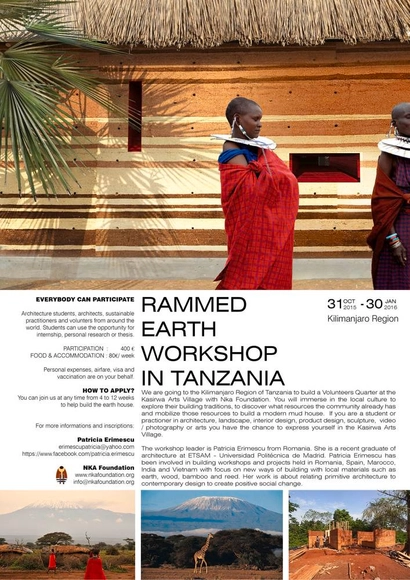
We are going to the Kilimanjaro Region of Tanzania to build a Volunteers Quarter at the Kasirwa Arts Village with Nka Foundation. We are looking to put together an interdisciplinary team for the build. We will immerse in the local environment to explore their building traditions, to discover what resources the community already has and mobilize those
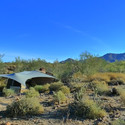
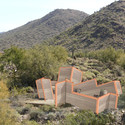
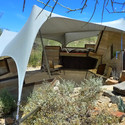
Brittlebush was developed as a design-build experience for Simón De Agüero, graduate student, designer, and project manager. The design is an experimental desert dwelling for winter residents at Taliesin, the Frank Lloyd Wright School of Architecture. Simón envisioned the design to be an open-air living space with protective roof and walls for the sleeping area.
Approximately 90% of the steel in the project was salvaged from the school scrap yard; 100% of the rammed earth for the walls was from the school property; 100% of the wood used for the formwork was salvaged from onsite renovation waste.
Follow the break for more images and information about Brittlebush.
Architect: Simon De Aguero Location: Scottsdale, Arizona, United States Assistant Project Manager: Erik Krautbauer Project Year: 2010 Photographs: Simon de Aguero & Saskia Jorda