Paris: The Latest Architecture and News
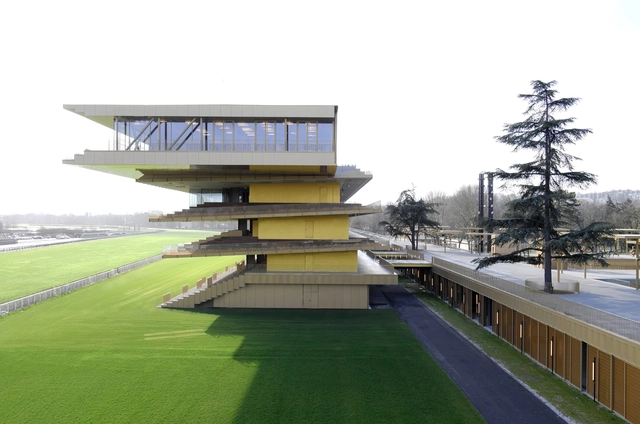
Paris Longchamp Racecourse / Dominique Perrault Architecte
.jpg?1525060540 "© Vincent Fillon")
.jpg?1525061390 "© Vincent Fillon")
.jpg?1525060920 "© Vincent Fillon")
.jpg?1525060633 "© Vincent Fillon")

https://www.archdaily.com/893510/paris-longchamp-racecourse-dominique-perrault-architecteRayen Sagredo
SCAU Architectes to Design Vegetated Stadium in Paris
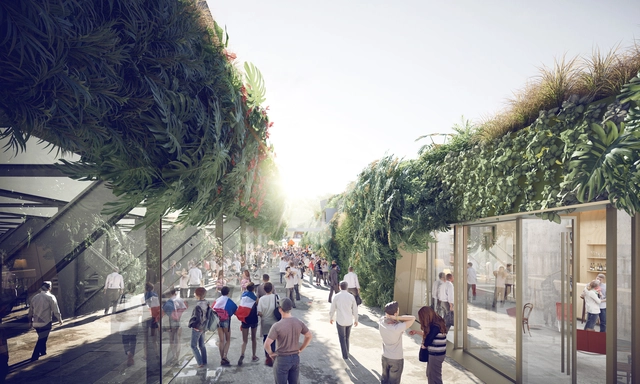
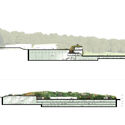
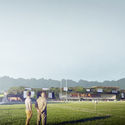
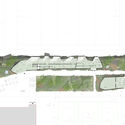
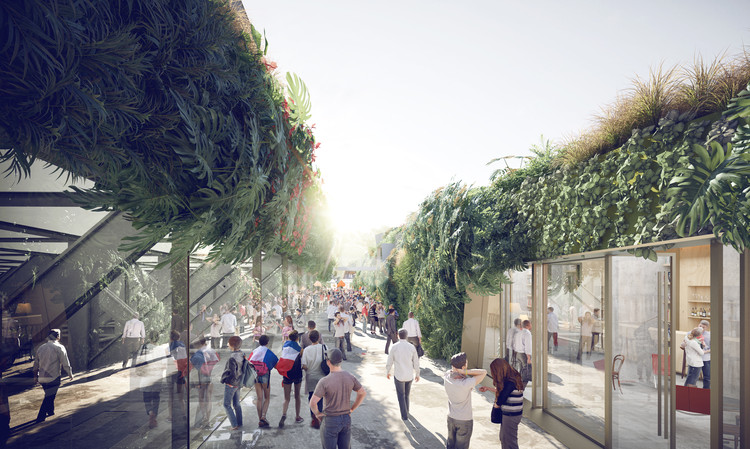
France-based SCAU Architectes has proposed their design for a new stadium project to be built on the outskirts of Paris. The site, which is located at the edge of a forest in Clamart, France, inspired the team to create a design that extends the forest by covering the stadium in a green mass of vegetation.
https://www.archdaily.com/892949/scau-architectes-to-design-vegetated-stadium-in-parisKaley Overstreet
What Makes a City Livable to You?

Mercer released their annual list of the Most Livable Cities in the World last month. The list ranks 231 cities based on factors such as crime rates, sanitation, education and health standards, with Vienna at #1 and Baghdad at #231. There’s always some furor over the results, as there ought to be when a city we love does not make the top 20, or when we see a city rank highly but remember that one time we visited and couldn’t wait to leave.
To be clear, Mercer is a global HR consultancy, and their rankings are meant to serve the multinational corporations that are their clients. The list helps with relocation packages and remuneration for their employees. But a company’s first choice on where to send their workers is not always the same place you’d choose to send yourself to.
And these rankings, calculated as they are, also vary depending on who’s calculating. Monocle publishes their own list, as does The Economist, so the editors at ArchDaily decided to throw our hat in as well. Here we discuss what we think makes cities livable, and what we’d hope to see more of in the future.
https://www.archdaily.com/893435/what-makes-a-city-livable-to-youKeshia Badalge
Bernard Tschumi Team Wins Competition for University Research Complex in Paris
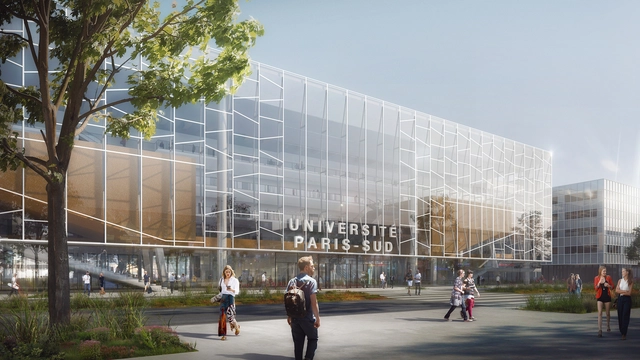
Bernard Tschumi Architects has been awarded one of the largest university commissions in France, with the design and build of a €283 million ($350 million) state-of-the-art educations and research center at the Université Paris-Sud in Saclay, just south of the French capital. The “METRO Center” will form part of the biology, pharmacy and chemistry wing of the university, comprising six buildings connected by flying bridges, featuring teaching facilities, research labs, offices, restaurants, and logistics areas.
Having won a competition against teams containing Herzog & De Meuron and MVRDV, Bernard Tschumi will work in collaboration with Bouygues Construction, Groupe-6 and Baumschlager Eberle Architekten for the scheme’s realization and operation.


https://www.archdaily.com/893304/bernard-tschumi-team-wins-competition-for-university-research-complex-in-parisNiall Patrick Walsh
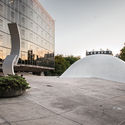
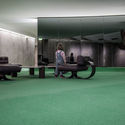
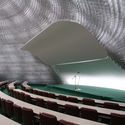
AD Classics: French Communist Party Headquarters / Oscar Niemeyer

In March 1972, an article in The Architectural Review proclaimed that this structure was “probably the best building in Paris since Le Corbusier’s Cité de Refuge for the Salvation Army.”[1] The article was, of course, referring to Brazilian architect Oscar Niemeyer’s first project in Europe: the French Communist Party Headquarters in Paris, France, built between 1967 and 1980. Having worked with Le Corbusier on the 1952 United Nations Building in New York and recently finished the National Congress as well as additional iconic government buildings in Brasilia, Niemeyer was no stranger to the intimate relationship between architecture and political power.[2]


https://www.archdaily.com/892597/ad-classics-french-communist-party-headquarters-oscar-niemeyerEvan Pavka
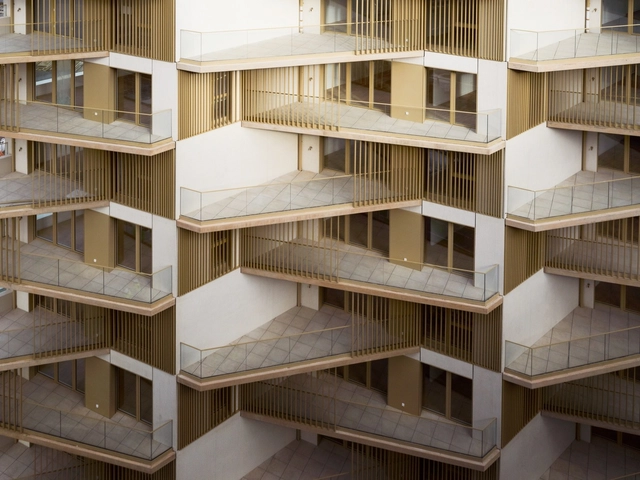
ALLURE - XXL origami / FRESH Architectures & ITAR architectures


-
Architects: FRESH Architectures
- Area: 8500 m²
- Year: 2018
-
Manufacturers: Wienerberger, AkzoNobel, Croso, Hanny, Jousselin
-
Professionals: Base, Elioth, Bollinger + Grohmann, Aïda, Elithis
https://www.archdaily.com/892893/allure-xxl-origami-fresh-architecturesDaniel Tapia
Sou Fujimoto, Nicolas Laisné and Dimitri Roussel to Build 28,000 sqm "Village Vertical" in Grand Paris

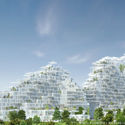
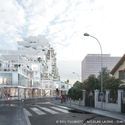
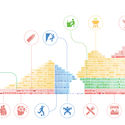
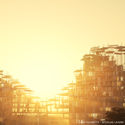
Sou Fujimoto, Nicolas Laisné and Dimitri Roussel will be building a new gateway to the city of Rosny-sous-Bois in Grand Paris. Their project, Village Vertical, has been chosen as the winning proposal for the "Inventons la Métropole du Grand Paris" competition. The team includes landscape and urban designers from Atelier Georges and urban developers from La Compagnie de Phalsbourg and REI Habitat.

https://www.archdaily.com/892748/sou-fujimoto-nicolas-laisne-and-dimitri-roussel-to-build-28000-sqm-village-vertical-in-grand-parisKeshia Badalge
Laurian Ghinitoiu Captures Dreamlike Nature of Junya Ishigami's Work at Fondation Cartier in Paris
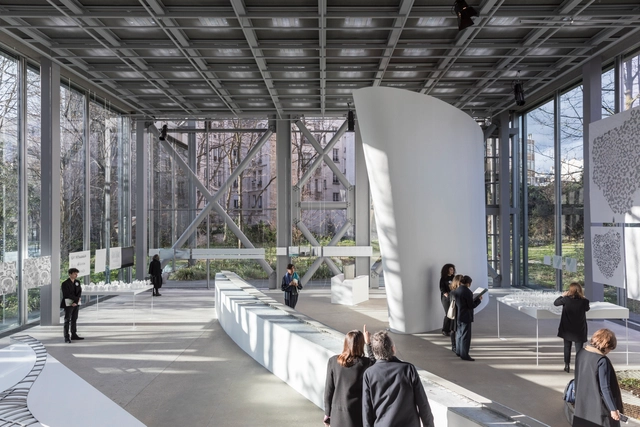
From March 30 to June 10, 2018, the Fondation Cartier pour l'art contemporain will host Junya Ishigami's exhibition, Freeing Architecture. This is the first major solo exhibition that the Fondation Cartier in Paris has devoted to an architect, and fitting that it would lend itself to an important and singular figure of Japan's young architecture scene.
Ishigami - winner of the Golden Lion award at the Venice Biennale in 2010 - has instilled this conceptual body of work with his trademark flair: calm, free fluidity, with bright tones and playful curves. The projects in the exhibition range from large scale models to films and drawings, and when placed in the context of the exhibition, they bring to life Jean Nouvel's iconic building as well.
Laurian Ghinitoiu gives us a glimpse inside the exhibition ahead of the opening day tomorrow. His photos reveal the lightness and ethereal quality of Ishigami's hand.


https://www.archdaily.com/891648/laurian-ghinitoiu-captures-dreamlike-nature-of-junya-ishigamis-work-at-fondation-cartier-in-parisKeshia Badalge
Modular Installation Provides Temporary Housing For Refugees Beneath Paris Bridge

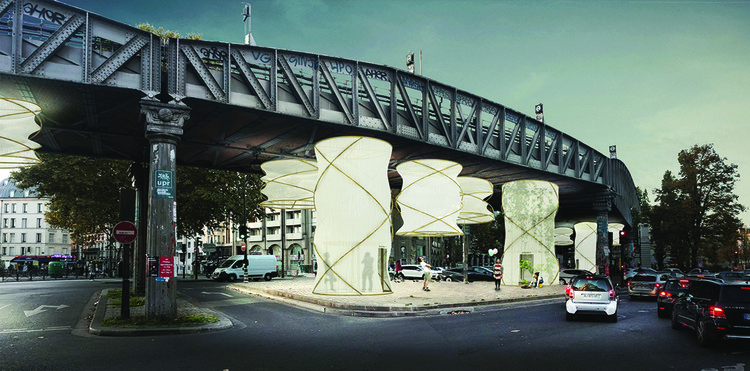
As hundreds of refugees continue to arrive in Paris, France, the city faces an ongoing struggle to find safe and suitable housing for the influx of migrants. As a result, many end up sleeping in underused urban spaces or on the side of the road with almost no access to water, sanitation, and food.
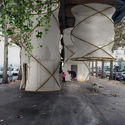
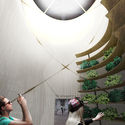
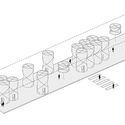
In response, Paris- and Santiago-based firm 1week1project in collaboration with Sophie Picoty unveil their design for a speculative public park titled “Illuminate Paris!” beneath an elevated railway bridge to provide additional support for organizations handling the influx of refugees. This modular “field of experiences” features a series of lantern-like environments forming a canopy along the underside of the bridge that allows for much-need space for migrants who are currently forced to sleep in encampments under similar infrastructure and in parks.

https://www.archdaily.com/890741/modular-installation-provides-temporary-housing-for-refugees-beneath-paris-bridgeEvan Pavka
Restaurant Yoshinori / Alia Bengana + Atelier BEPG
.jpg?1521431570&format=webp&width=640&height=580)
.jpg?1521431539 "© David Cousin-Marcy")
.jpg?1521431505 "© David Cousin-Marcy")
.jpg?1521431582 "© David Cousin-Marcy")
.jpg?1521431636 "© David Cousin-Marcy")
.jpg?1521431570)
-
Architects: Alia Bengana, Atelier BEPG
- Area: 70 m²
- Year: 2017
-
Manufacturers: Vibia, Punt Mobles, Flos, Modular Lighting Instruments, Moooi, +2
https://www.archdaily.com/890938/restaurant-yoshinori-alia-bengana-architecte-dplg-plus-atelier-bepg-sasu-darchitectureDaniel Tapia
An In-Depth Look at the Le Corbusier-Designed Barge Which Sank Last Month
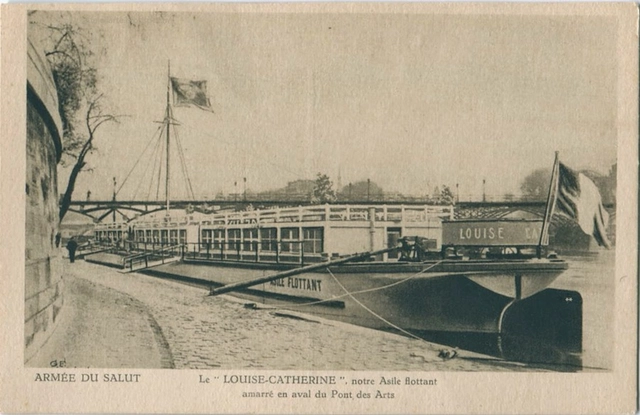
This article was originally published by Metropolis Magazine as "The Fascinating History of Le Corbusier’s Lost Barge."
This winter, France experienced some of the heaviest rains it has seen in 50 years. In Paris, the Seine flooded its banks, submerging parks, streets, and disrupting metro service. The deluge also claimed an architectural curiosity. On February 8th the Louise-Catherine, a concrete barge renovated by Le Corbusier, slipped below the murky waters of the Seine and came to rest on the bottom of the river by Quai D’Austerlitz on the east side of Paris.
As the floodwaters receded, the 100-year-old barge’s bow became stuck on the wharf, tipping it into the river, according to Le Parisien. Though firefighters were present and attempted to save the historic vessel, it filled with water and sank in a matter of minutes.

https://www.archdaily.com/890725/an-in-depth-look-at-the-le-corbusier-designed-barge-which-sank-last-monthEthan Tucker
SOM Selected to Design Green Masterplan for Eastern Paris

Chicago-based Skidmore, Owings and Merrill (SOM) have won an international competition for the design of an enhanced urban district in Charenton-Bercy, on the eastern edge of Paris. Working with a team of urbanists, landscape designers and community think tanks, SOM have proposed a highly connected urban landscape incorporating a 180-meter energy efficient tower, and contemporary rotunda serving as a virtual reality hub.
https://www.archdaily.com/890669/som-selected-to-design-green-masterplan-for-eastern-parisNiall Patrick Walsh
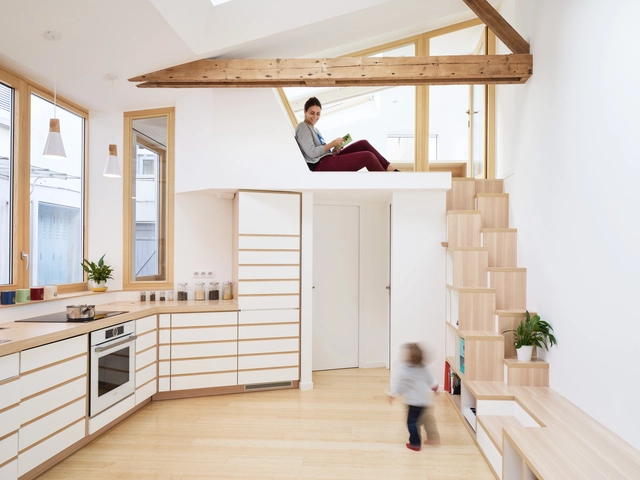
Atelier_142 / Atelier Wilda


-
Architects: Atelier Wilda
- Area: 45 m²
- Year: 2017
-
Manufacturers: Grohe, Saint-Gobain, Novoceream, Otelo Bamboo, Panaget
-
Professionals: ProARt
https://www.archdaily.com/890318/atelier-142-atelier-wildaRayen Sagredo
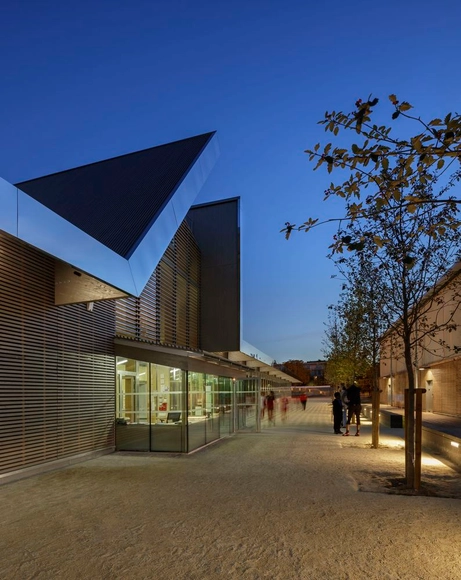
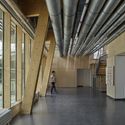
L’ATALANTE / KOZ architectes



-
Architects: KOZ architectes
- Area: 3545 m²
- Year: 2016
-
Manufacturers: Stora Enso, ADLER, Flagon & Efigreen, Knauf, Pyramide, +2
https://www.archdaily.com/889431/latalante-koz-architectesCristobal Rojas
École des Ponts ParisTech Tackles the Digital Innovation Shift of the Design and Construction Industry
| Sponsored Content
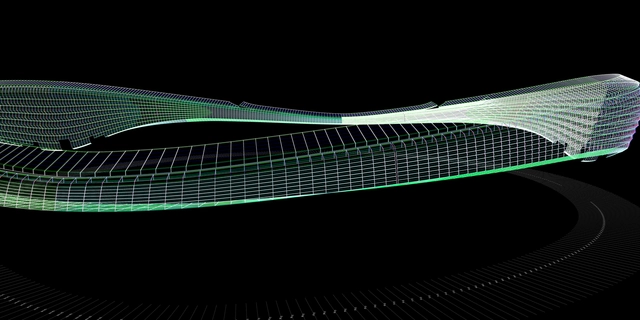
Applications are open for the third edition of the Design by Data Advanced Master® in Computational Design, Digital Manufacturing and Building Technologies opening in September 2018 in Paris.
https://www.archdaily.com/889316/ecole-des-ponts-paristech-tackle-the-digital-innovation-shift-of-the-design-and-construction-industryRene Submissions
Dominique Perrault - The Bibliothèque nationale de France: Portrait of a project 1988 - 1998

The Bibliothèque nationale de France has given its architect Dominique Perrault ‘carte blanche’ to develop an exhibition dedicated to the building he designed in 1989 : with an original ‘mise en abyme’, a large-scale scenography presents the story of the conception and construction of the BnF, one of the most important contemporary public buildings in France.
https://www.archdaily.com/889259/dominique-perrault-the-bibliotheque-nationale-de-france-portrait-of-a-project-1988-1998Rene Submissions
House of Ile-de-France / ANMA

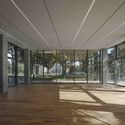
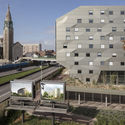
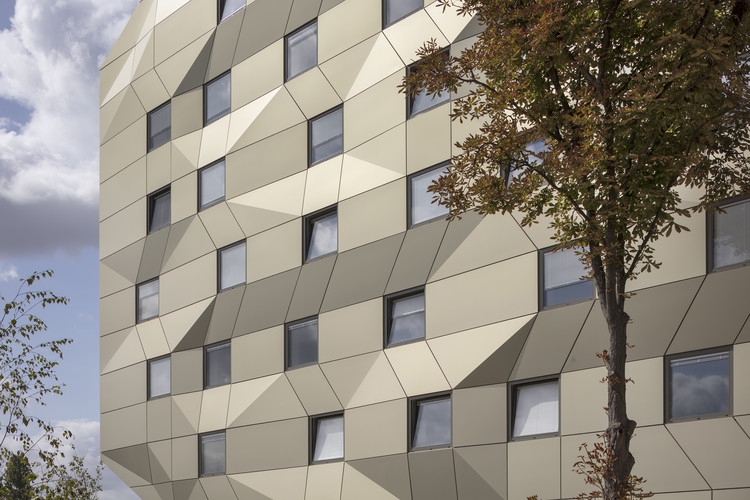
https://www.archdaily.com/887498/house-of-ile-de-france-anmaCristobal Rojas
City Hotel Paris / Hardel Le Bihan Architectes


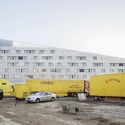

-
Architects: Hardel Le Bihan Architectes
- Area: 6581 m²
- Year: 2017
-
Manufacturers: Forbo Flooring Systems, Saloni, Ardex, EGE, Lamp Lighting, +2
-
Professionals: Legendre, EVP, Igrec Ingénierie, Lasa
https://www.archdaily.com/887668/city-hotel-paris-hardel-le-bihan-architectesCristobal Rojas