1. ArchDaily
  2. OPEN Architecture

OPEN Architecture: The Latest Architecture and News

The Best Chinese Architecture of 2017

Subscriber Access | 

2017 was a momentous year for Chinese architecture. From Tianjin Binhai Library taking the internet by storm with images of its terraced "sea of bookcases", to Alvar Aalto Medal recognizing Zhang Ke of standardarchitecture for his professional accomplishments. China has retained a remarkable presence in the global architecture scene.

So many of our readers around the world celebrate Chinese New Year and welcome fresh beginnings in the Year of the Dog, we would like to take a look back at 2017 and share with you the most visited projects from China. This is a collection of projects coming from world-famous practices such as MVRDV and MAD Architects, and also from the younger, local talents who have demonstrated great potential in bringing positive changes to China’s built environment.

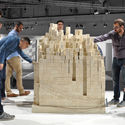
OPEN Architecture Creates “Disappearing” Stone Installation for Marmomac Festival

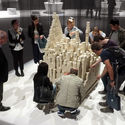
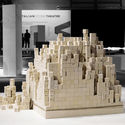
At international stone exhibition Marmomac 2017, Chinese firm OPEN Architecture has created a transient installation titled "The Eternal & The Ephemeral" that allows visitors to transform a cube of stone tiles into new, unplanned forms. The project responds directly to the theme of the event, "Soul of City," which asked designers from across the globe to collaborate with Italian stone manufacturers to create pieces built entirely from stone. OPEN's concept focused on the relationship between transience and heaviness in the material, prompting the installation to gradually "disappear" over the 4-day event.

OPEN Architecture Creates “Disappearing” Stone Installation for Marmomac Festival - Installation, TableOPEN Architecture Creates “Disappearing” Stone Installation for Marmomac Festival - Installation, Lighting, TableOPEN Architecture Creates “Disappearing” Stone Installation for Marmomac Festival - InstallationOPEN Architecture Creates “Disappearing” Stone Installation for Marmomac Festival - Installation, FacadeOPEN Architecture Creates “Disappearing” Stone Installation for Marmomac Festival - More Images+ 8

OPEN Architecture Reveals Art Spaces for the Coastal City of Qinhuangdao Inspired by Dunes and Sea

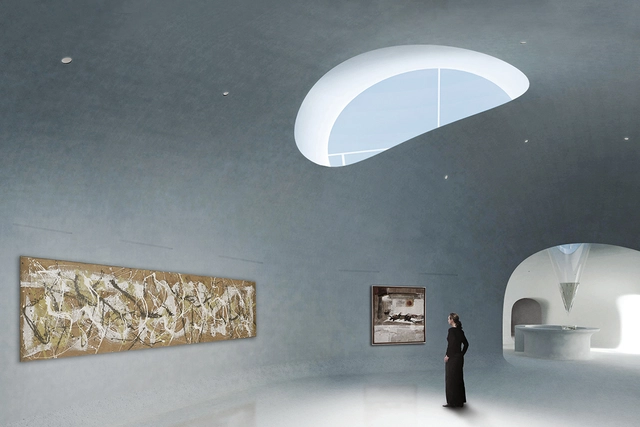
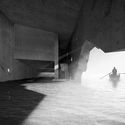
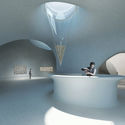
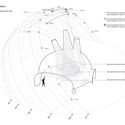
Text description provided by the architects. Chinese firm OPEN Architecture has revealed their latest project in progress, a museum located on the coast of Bohai Bay in northern China. Titled "Dialogue by the Sea," their project comprises two complementary art spaces: a cave-inspired space hidden within the beach's sand dunes, and a second space that rises from the sea "like a solitary piece of rock." Both projects are currently under construction, with a timeline yet to be released.

OPEN Architecture Reveals Art Spaces for the Coastal City of Qinhuangdao Inspired by Dunes and Sea - Gallery, FacadeOPEN Architecture Reveals Art Spaces for the Coastal City of Qinhuangdao Inspired by Dunes and Sea - GalleryOPEN Architecture Reveals Art Spaces for the Coastal City of Qinhuangdao Inspired by Dunes and Sea - Gallery, Arch, LightingOPEN Architecture Reveals Art Spaces for the Coastal City of Qinhuangdao Inspired by Dunes and Sea - GalleryOPEN Architecture Reveals Art Spaces for the Coastal City of Qinhuangdao Inspired by Dunes and Sea - More Images+ 30

Tsinghua Ocean Center / OPEN Architecture

Tsinghua Ocean Center / OPEN Architecture - OfficesTsinghua Ocean Center / OPEN Architecture - Offices, Facade, StairsTsinghua Ocean Center / OPEN Architecture - Offices, FacadeTsinghua Ocean Center / OPEN Architecture - Offices, Stairs, Facade, HandrailTsinghua Ocean Center / OPEN Architecture - More Images+ 39

OPEN's Competition Entry for New Shenzhen Art Museum and Library

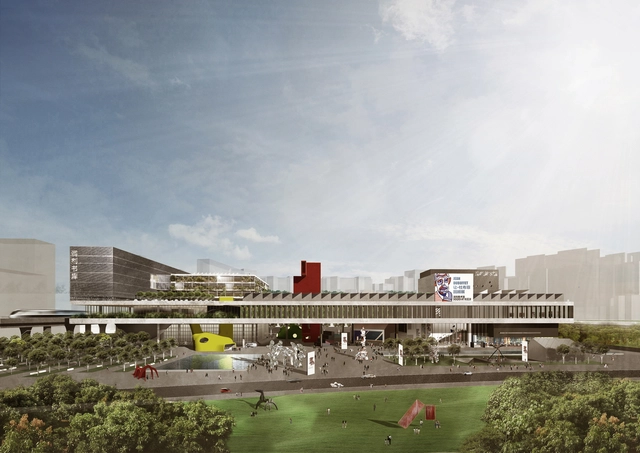
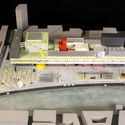
In May 2015, Shenzhen Art Museum and Shenzhen Library organized an international design competition for their new homes in Longhua District. 134 firms submitted concept proposals for the first stage, eight firms were selected to enter the second phase competition in July, among them OMA, Steven Holl, Mecanoo, OPEN, KSP, and others. Below is OPEN’s competition entry for the second phase.

OPEN's Competition Entry for New Shenzhen Art Museum and Library - LibraryOPEN's Competition Entry for New Shenzhen Art Museum and Library - LibraryOPEN's Competition Entry for New Shenzhen Art Museum and Library - LibraryOPEN's Competition Entry for New Shenzhen Art Museum and Library - LibraryOPEN's Competition Entry for New Shenzhen Art Museum and Library - More Images+ 17

Video: Garden School / OPEN Architecture

Subscriber Access | 

"A counteraction to what is happening today in China," OPEN Architecture's Garden School in Beijing seeks to reconnect its students with nature. Located in a new town that, as founding partner Li Hu says, was built "too fast," the school serves as one of the few spaces students can interact with nature. The school is designed like a garden, from its sloping "floor zero" to rooftop gardens, offering unconventional spaces for teaching and inviting public areas that encourage social interaction.

“What is problematic is that these new towns are designed too fast, without much thinking about how the spaces are going to be used, and what kind of space they are going to create. I think it is a problem for human psychology. Living in a new town with not enough good green space, good social space, we’ll become very problematic urban animals,” Hu told Spirit of Space.

Read on for a conversation with the architects. 

Garden School / OPEN Architecture

Subscriber Access | 
Garden School / OPEN Architecture - Image 18 of 4
Courtesy of OPEN Architecture

OPEN Architecture recently created a new kind of school system that provides a balanced and joyful learning environment integrated with farms and gardens. Drawing inspiration from the ancient Chinese philosophy which had always centered on the harmony between people and nature, the architects feel it is urgent to bring the ancient philosophy back to the core of our education, and put it in the context of new challenges ahead. If there is one thing that we have to put above all other issues for the 21st century, it is probably the vulnerability of nature, especially in the decades to come, and amidst all the looming environmental crisis. More images and architects’ description after the break.