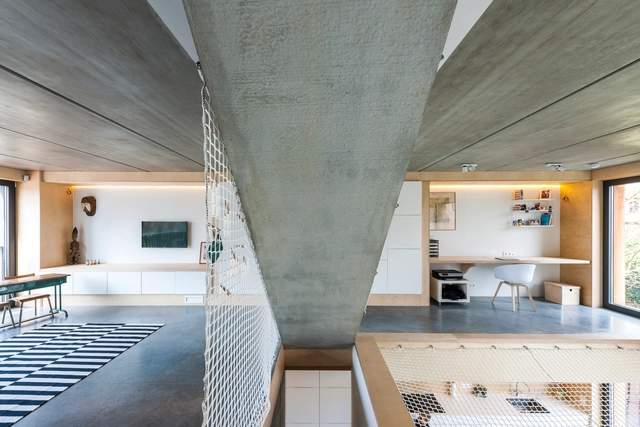
One Room Tower / Phorm architecture + design + Silvia Micheli & Antony Moulis

One Room Tower is a small addition to the architecture of the City. It is intended as both an urban artifact and utility, designed as a robust and adaptable set of subspaces within an independent singular volume. One Room Tower has presented a counter position to the current local default of raising and infilling under Queenslanders or the various acts of extending character houses. Instead of presenting a model (type) for greater density by offering a genuine opportunity for diversity of occupation within existing lots within the texture of the inner-city suburbs of Brisbane.
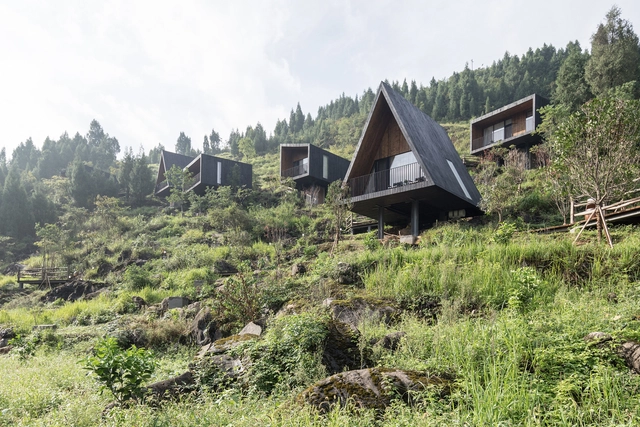
Woodhouse Hotel / ZJJZ

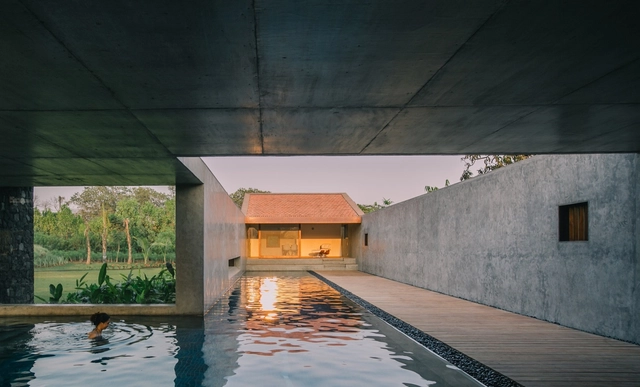
Located in the remote village of Tuanjie, the Woodhouse Hotel is one of the first projects of a new government policy to help ameliorate rural poverty through the introduction of agricultural tourism. Unlike other rural areas, the village of Tuanjie has little traditional architecture to hold on to. Instead, the striking landscapes and pollution-free farmlands are the village’s greatest assets. Therefore, our design goal was set to capture the beauty of nature with tranquil forms that harmonize with the surrounding environment.

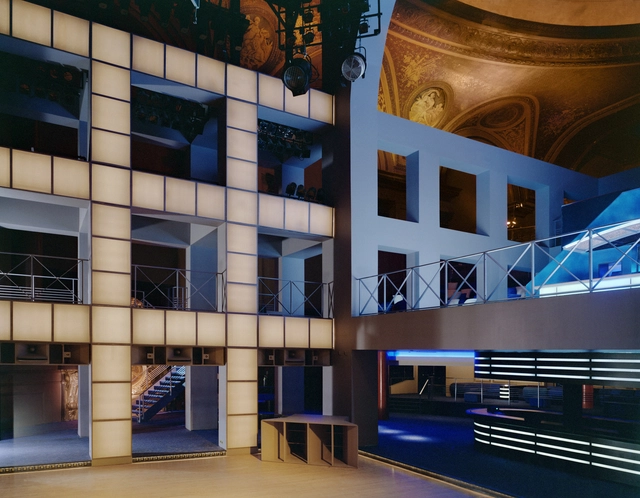
Arata Isozaki's Palladium Nightclub Through the Lens of Timothy Hursley

Subscriber Access | 

In May 1985, an old theater and concert hall opened its doors to the public for the opening of a brand new nightclub in New York City. Located on 126 East 14th Street, the project was commissioned by entrepreneurs Steve Rubell and Ian Schrager, owners of the also famous club Studio 54, and was conceived as a vibrant and luminous independent structure arranged inside a rather classic shell, which appears as a beautiful backdrop behind the clean geometry of Isozaki.

Library House / Atelier Branco Arquitetura

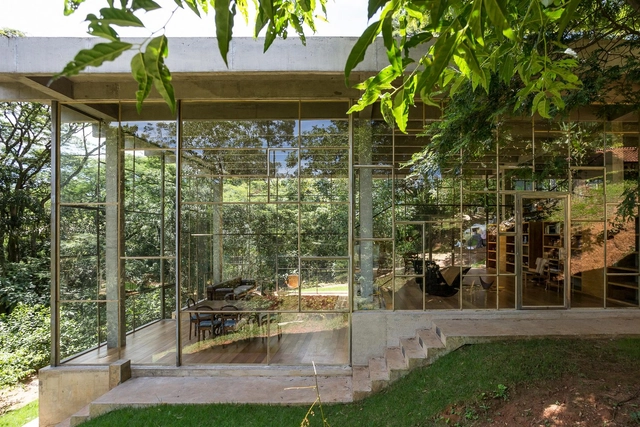
When in the summer of 2014, founding members of Atelier Branco, Matteo Arnone and Pep Pons were approached to design a leisurely retreat in the small town of Vinhedo, the brief posited that the house be able to accommodate at least two kind of needs: the need for a place to read, immersed within the site’s vibrant vegetation; the need for a place to think, reposed under the placidness of the area’s boundless subtropical skies. The client, a left block activist against Brazil’s military dictatorship in his youth and now renowned scholar of the history of political thought, had conceived of the house as a temporary haven between São Paulo and Campinas, at which the State University he held teaching posts since the beginning of the nineteen eighties. It was thus neither to be a permanent place of residence nor a holiday home as conventionally understood, but a place of reverie and contemplation, occasionally of work, away from the bustle of Brazil’s hectic metropolitan life.

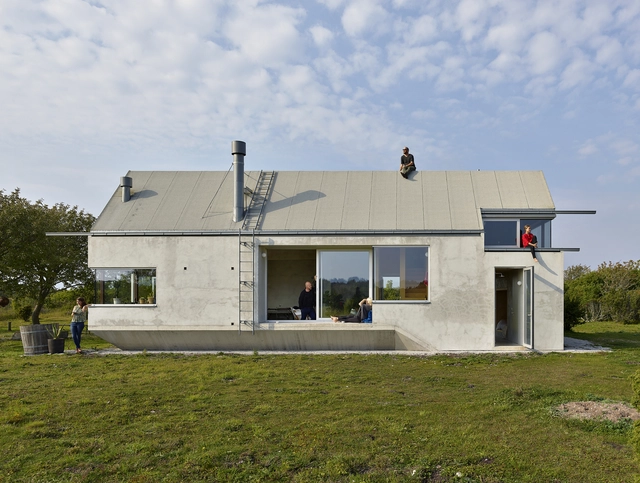
The Mill House / Wingårdh Arkitektkontor

Wingårdhs converted a large old farm in the countryside in southern Sweden into a vacation house for a family from the nearby city of Malmö. He transformed the original farm buildings – cowshed, stables, hay loft and barn – into sleeping quarters, kitchen and a gym, among other rooms, and added a new freestanding wing to the late 19th -century house. This little annex is a refuge, a quiet place to escape to or a private domain for guests to inhabit. Throughout the project, the client demonstrated unwavering faith in the architect, giving him great latitude in designing the little fifty-square-meter cottage.

NUS School of Design & Environment / Serie Architects + Multiply Architects + Surbana Jurong

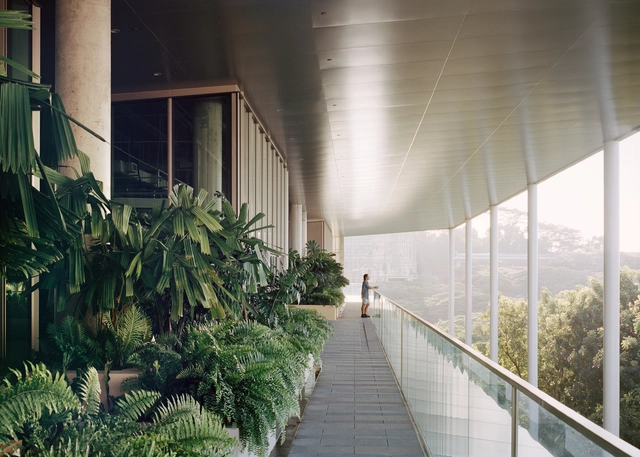
January 2019 marks the opening of SDE4, an inventive educational architecture developed by the School of Design and Environment at the National University of Singapore, the institutional organization that promotes design, sustainability and education in South East Asia. SDE4 is the first new-build net-zero energy building in Singapore and it is designed as a 8,500-square-metre, six-storey, multi-disciplinary space by Serie + Multiply Architects with Surbana Jurong.

Architecture and Embroidery: Discover the Art of Elin Petronella and Charles Henry

Subscriber Access | 

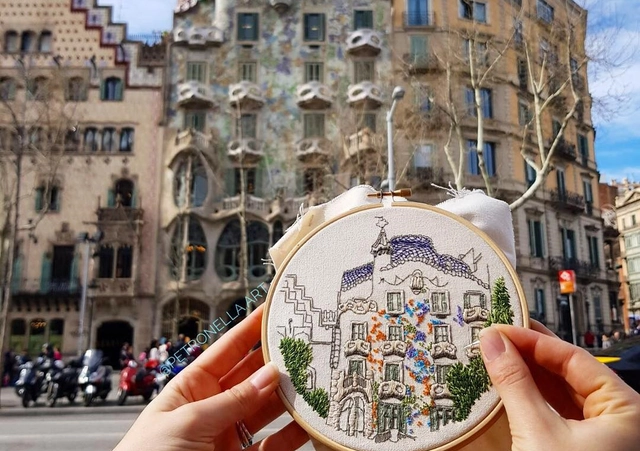
Elin Petronella and Charles Henry record the architecture and urban landscapes of European cities on vibrant, colorful, and even monochromatic embroideries. Classical Danish buildings, the bohemian streets of Paris, Lisbon's cable cars, and even the iconic Casa Batlló de Gaudí in Barcelona are some of the locations illustrated in the duo's work. See more of the textile artists/couple's work on Instagram: @petronella.art and @_charleshenry_.

El Cortijo House / Felipe Assadi Arquitectos

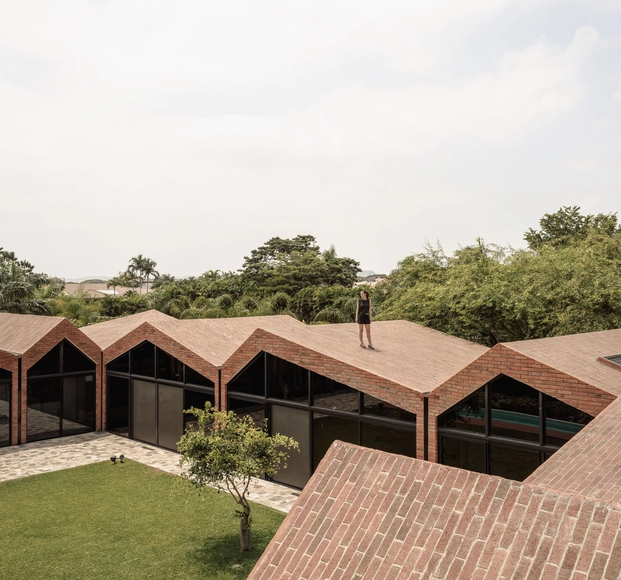
The Project is located on a condominium development of a 5,000-square-meters lot. Nevertheless, the typology reflects the configuration of a different scale, of a typical city block in central Guayaquil, with back-to-back constructions occupying the perimeter and generating patios on the interior. If we were to remove the divisions, we would have a single continuous building with a large inner patio.

Miravalle House / Colectivo 720

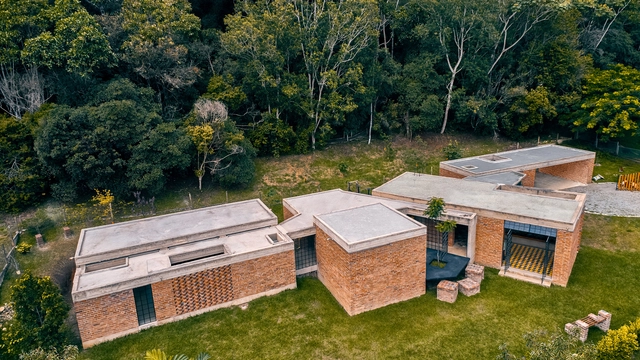
Context: The house is located in the foothills of the western mountain range at 1025 m.s.n.m, in the municipality of Jamundí approximately 10km south of Santiago de Cali. The place of implantation is on the foot of mountain of a tropical dry forest that adjoins on the western side of the house with the incidence of katabatic winds coming from the high of the hills.

Cariló House / Luciano Kruk

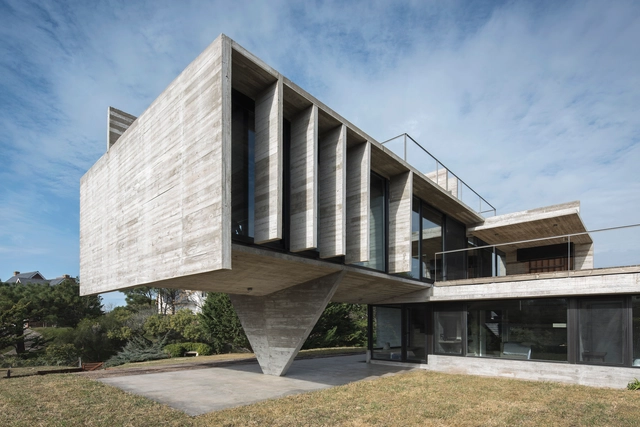
Cariló is an Argentine town in Pinamar, a district in Buenos Aires Province. It withholds a natural pine forest reserve, dunes and extensive beaches which led Cariló become one of the most important touristic centers and an ideal place to live, 360km away from the City of Buenos Aires.

Three Court House / RMA Architects

The Three Court House is conceived as a series of similar but varied modules that could be constructed incrementally. The use of discrete modules allows the form of the house to conform to, and take advantage of, the unique shape of the site. By restricting the height to one floor, the house is able to blend in with its humble surroundings. The incremental nature of the plan breaks down the scale and mass of the house to relate to the adjacent village. This is contrary to most weekend homes in the area that consolidate space in a large 'villa-like' form. The approach of disaggregating form is a model that could be used for middle class families whose economic condition forces incremental investments in their homes. A small outbuilding at the entry of the site, constructed with the same formal and material palette as the house, contains a clinic - as the owner of the home is a well-known medical practitioner. Adjacent to the clinic are staff residences, and together these two programs create a social interface and soft threshold with the village.

Pyeong Chang Dong Brick House / June Architects

A Home for Both the Young Parents and their Children
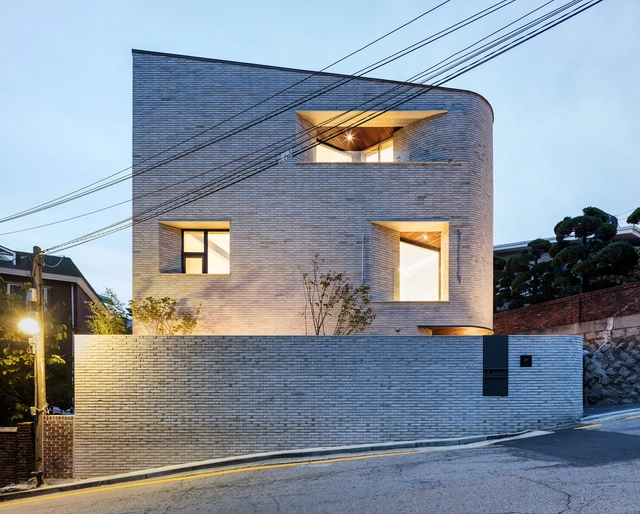
There is an image that comes to mind when we talk of a house where children live and a house in Pyeongchang-dong. We built a home that transcends both stereotypes. We tried to conceive a place that simultaneously offers sample room for adults to live and spaces as well as circulations children can like, play, and grow; a home where children can bear witness to their parents’ happiness and later mirror that happiness in their adulthood; a dignified and comfortable home for adults with kind gestures toward children (Low windows and basins, spacious bathtubs, interesting circulations, varying distances between the ceiling and the floor etc.) spread across the premises.

Patio House / OOAK Architects

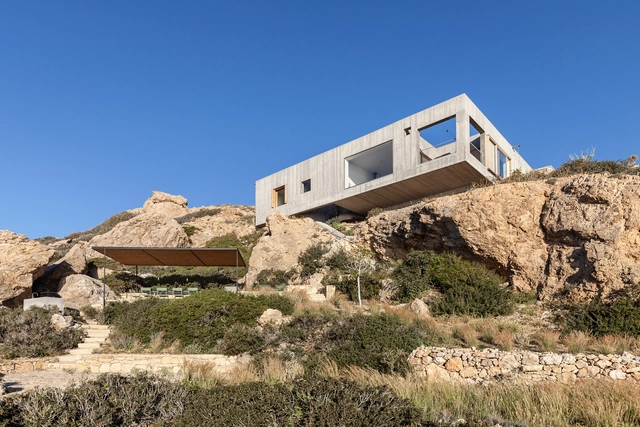
After having travelled to Greece for many years to windsurf, a Paris-based French-Swedish couple finally found their dream spot on the windy island of Karpathos. The search for the perfect site was long, but the minute they saw this amazing property they knew that they had found their place: a dramatic plot of land with open views of the Aegean Sea and direct views of the windsurfers on the beach of Afiarti.

The Beauty in the Imperfections of Ruins in Architecture

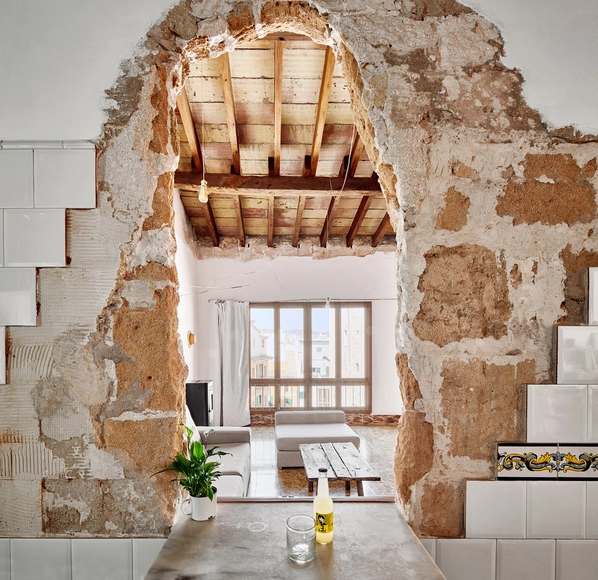
If walls could speak, they would have the most stories to tell - stories of antiquity, war, scandal, and reconciliation. Approaches to preservation are as varied as the architects behind them, but many take on the challenge with flair and restraint in equal measure. It is common to see preservation that combines ancient structure with contemporary features, creating beautiful combinations of old and new.

Tiny Tower / ISA- Interface Studio Architects

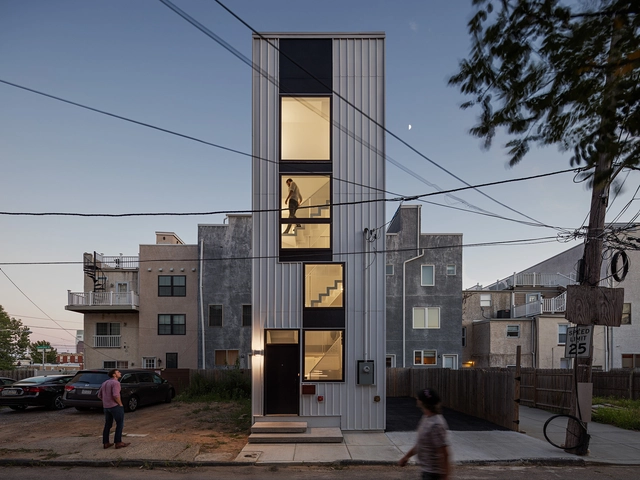
Tiny Tower places a 1250 SF home on a 12’ by 29’ lot, whose similarly scaled neighbors are currently used as single-car parking and rear yards for the adjacent houses. An expanded section that maximizes height under the zoning code, as well as depth of foundation, creates six levels of usable space. The design promotes vertical living for both indoor and outdoor space, occupying the entire footprint of the site in the required setbacks with a lower level window garden, a second level walk out terrace, and a roof deck. 

Loft Library / Arboreal Architecture

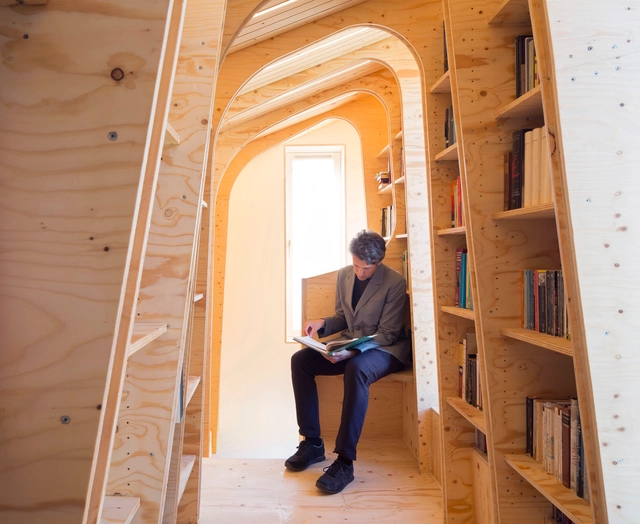
Loft Library is an ingenious conversion of a trussed rafter roof through the insertion of plywood arches to form integrated structure and shelving for a large collection of books.

Passive Rowhouse SMETVANDERVEKEN / denc!-studio

Initially, the clients Ken & Wendy didn’t have any plans to build a new house. But when Wendy and her brother each inherited a construction site, Wendy and her husband changed their minds. Both working, Wendy and Ken wished to come home to an open and spacious architecture, filled with loads of natural daylight where human interactions are set central.

Hamra / Collectif Encore

Collectif Encore’s Hamra studio residence nominated for the Kasper Salin award 2018. The Hamra project by France-based Collectif Encore - architect Anna Chavepayre, is one of four projects selected by the Swedish Architects' Association for this award considered the most prestigious Swedish architectural distinction and the first time such a modest scale project has been nominated since its creation in 1962.