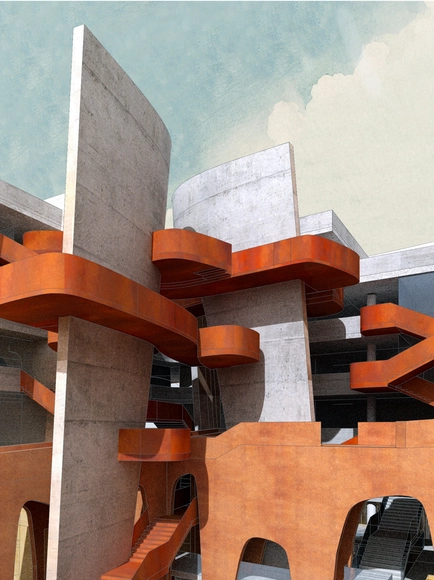
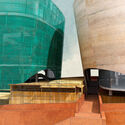
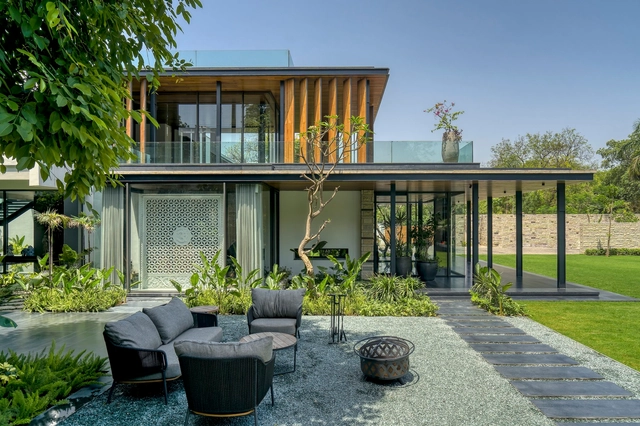
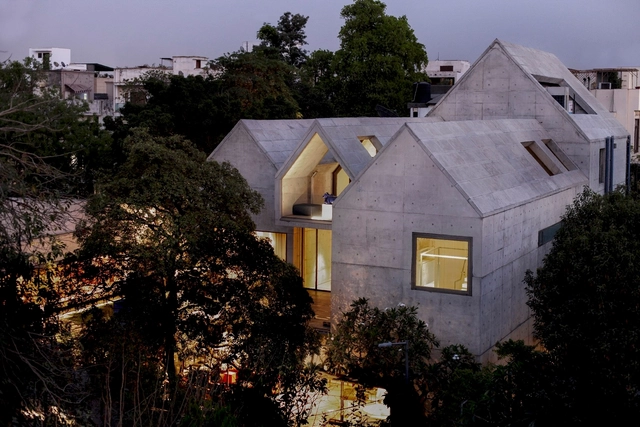
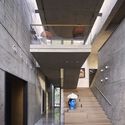
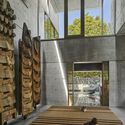
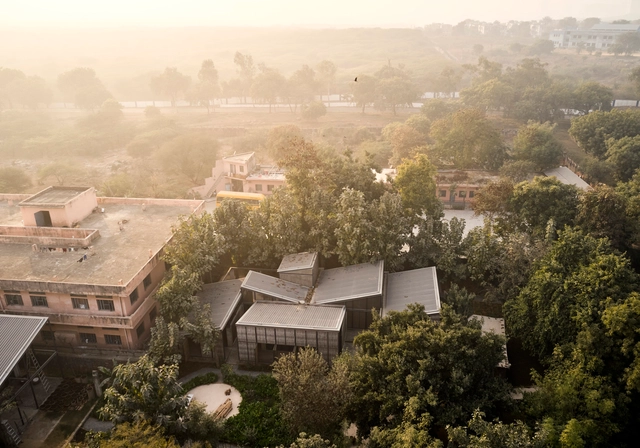
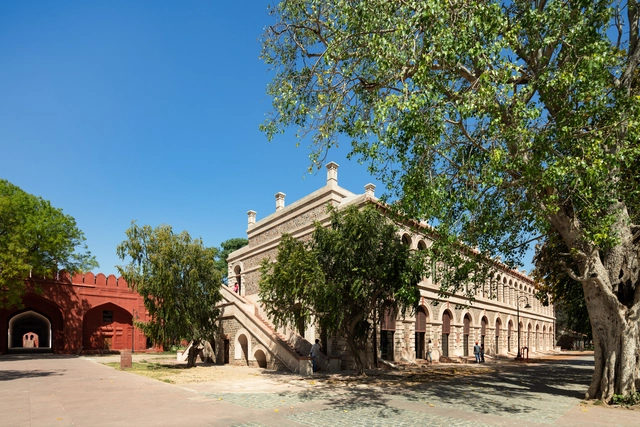
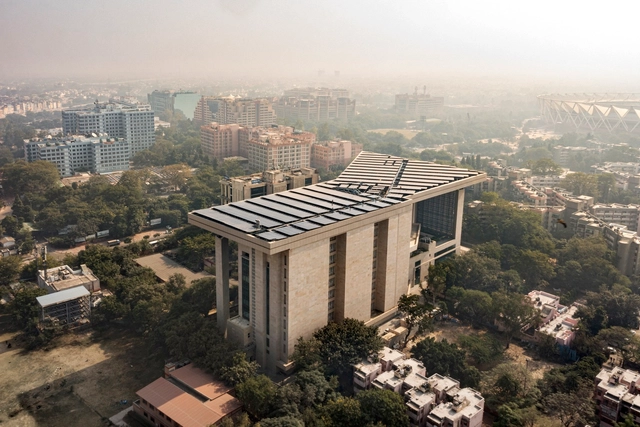
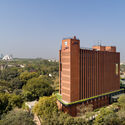
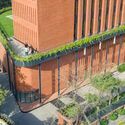
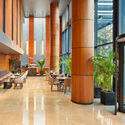
Sir Peter Cook and Gavin Robotham’s CRAB Studio has unveiled the design for a new cultural center to be constructed in New Delhi, India. Located on the site of a former quartzite quarry, the BRIJ offers facilities for the visual, performing, literary, and culinary arts as well as a new arts academy. The scheme, aiming to promote interactions between artists and audiences via an immersive environment, is designed by CRAB Studio, now led by Gavin Robotham, and CP Kukreja Architects (CPKA) as Executive Architect.
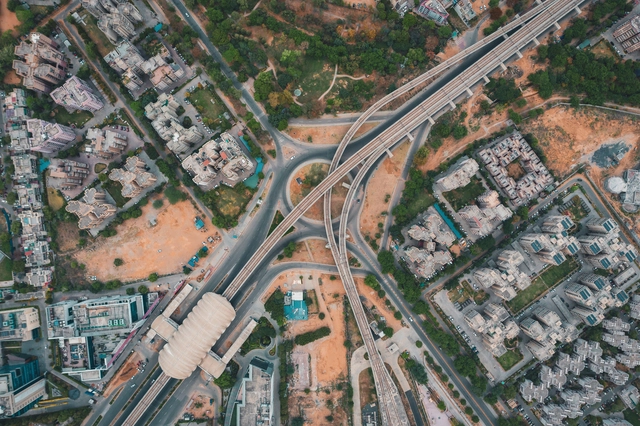
India has witnessed a surge in urbanization and population growth. As a result of natural population growth and migration, the megacities of India have experienced a continual increase in their residents. Standing as the most populous country in the world, India is at a critical junction, grappling with opportunities and challenges in molding its built environment. Population boom, however, is not a recent predicament but a persistent one that has spanned over a century. How have Indian cities dealt with population growth and the complexities it brings?
Residential architecture in India is a direct reflection of the ethnic practices and lifestyles led by its diverse citizens. The earliest houses were developed as units of larger community-centric settlements. The architecture of Indian residences is deeply enmeshed with cultural values - usually centering on the ideas of family and community relationships. A single home often shelters a large joint family and meets the needs of various age groups under one roof. Multigenerational living demands a unique spatial syntax to foster connections.