Videos
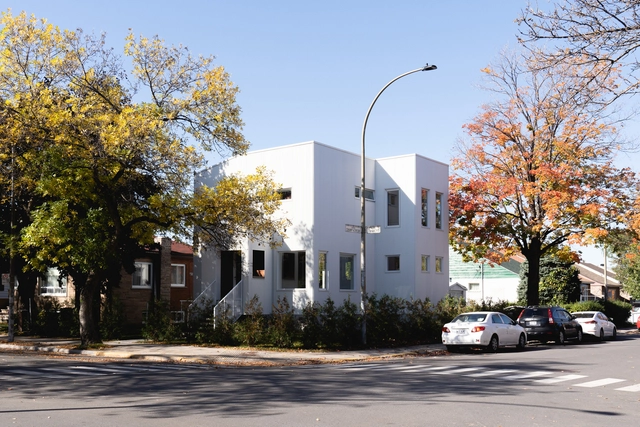
Toronto's Dundas and Ossington intersection, re-imagined as 1962 Baltimore by special effects studio MR. X for the film The Shape of Water. Image Courtesy of The Canadian Pavilion
Canada’s contribution to the 17th Venice Architecture Biennale explores Canadian cities’ established “career” in cinema as stand-ins for the world’s metropoles, raising questions of authenticity, architectural identity and the collective understanding of the built environment. Curated by David Theodore of McGill University and realized by Montréal architecture and design practice T B A / Thomas Balaban Architect, the exhibition Impostor Citieshighlights the diversity and versatility of Canada’s cityscapes as portrayed on film.
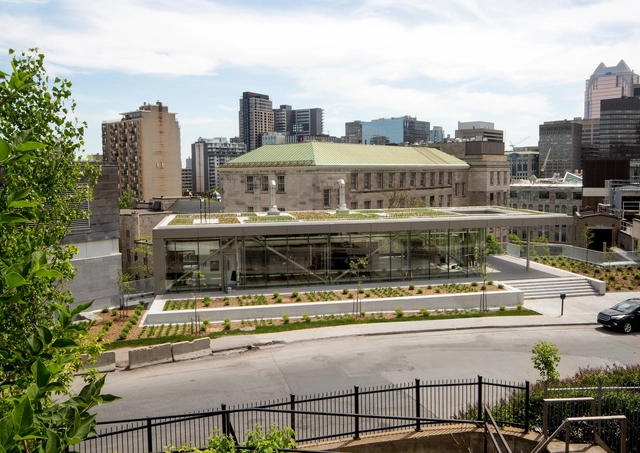
Few cities combine architecture and culture like Montréal. Canada’s second largest metropolis, the City of Saints has become a leading center for design, technology, and international events. With close ties to its natural context, the island city was named after the triple-peaked hill located at its heart, Mount Royal. Today, contemporary designs continue to emerge, new structures that are transforming the cityscape and its urban fabric.