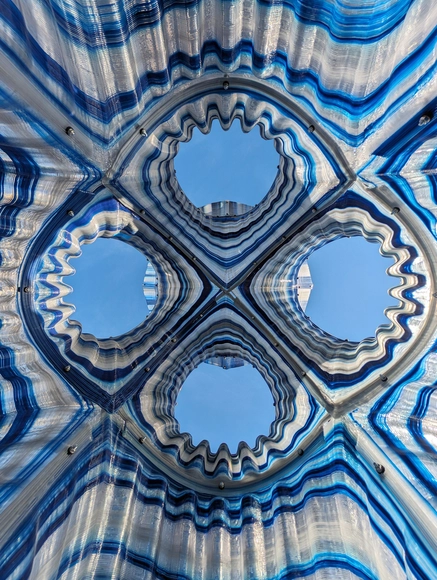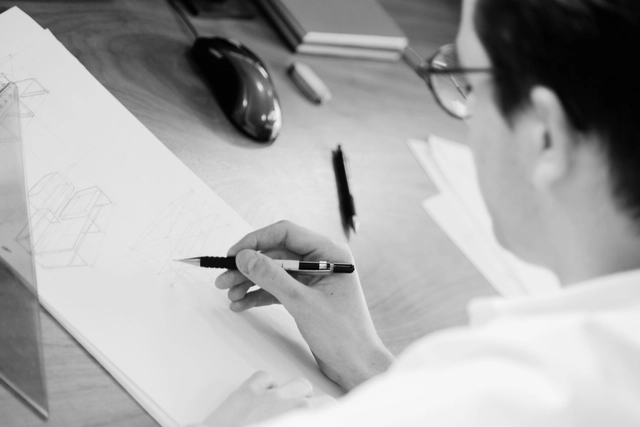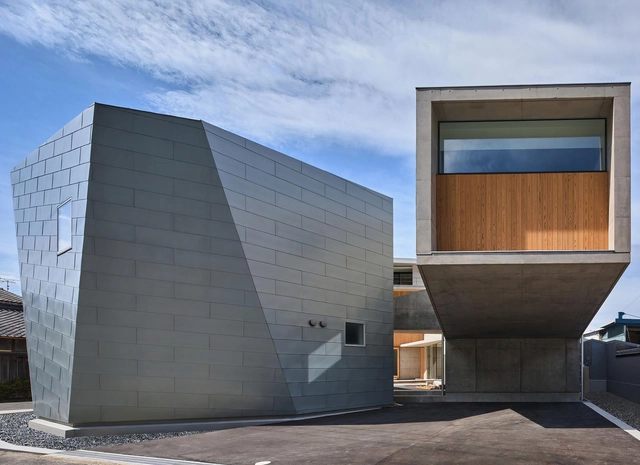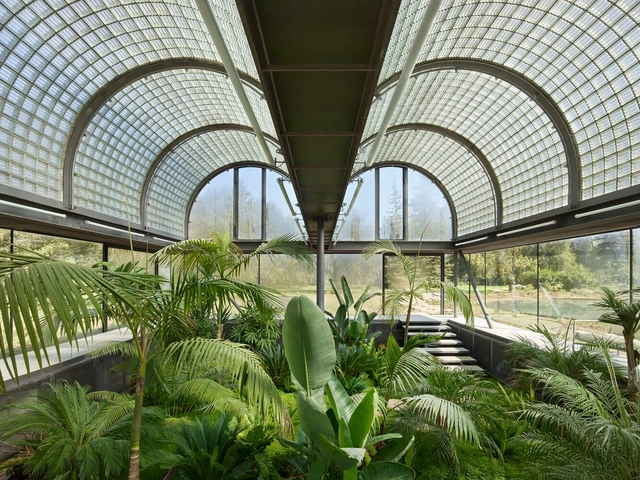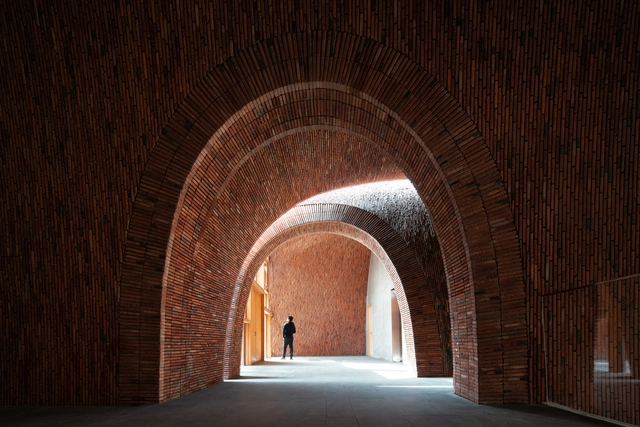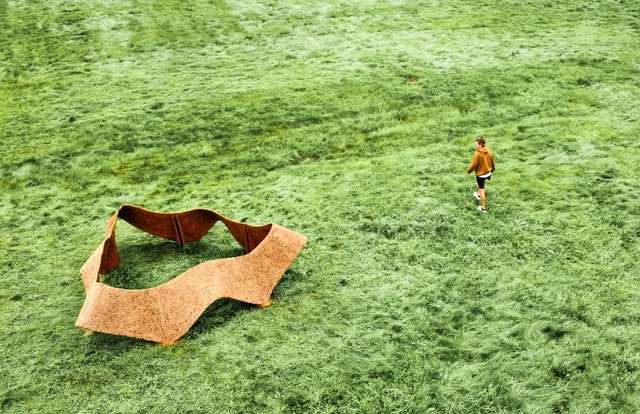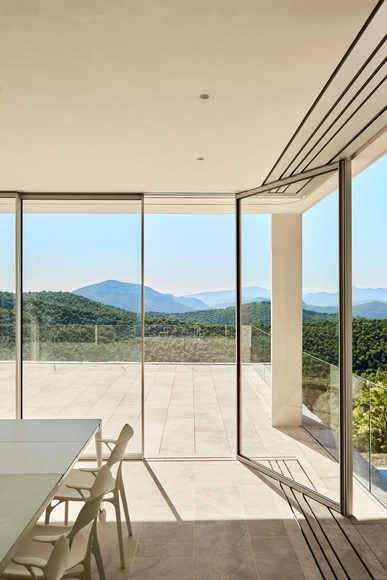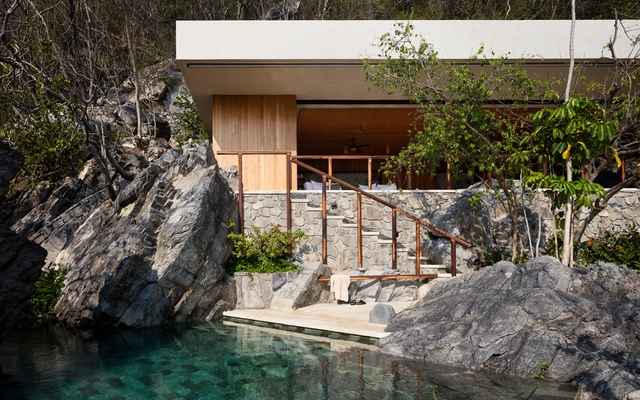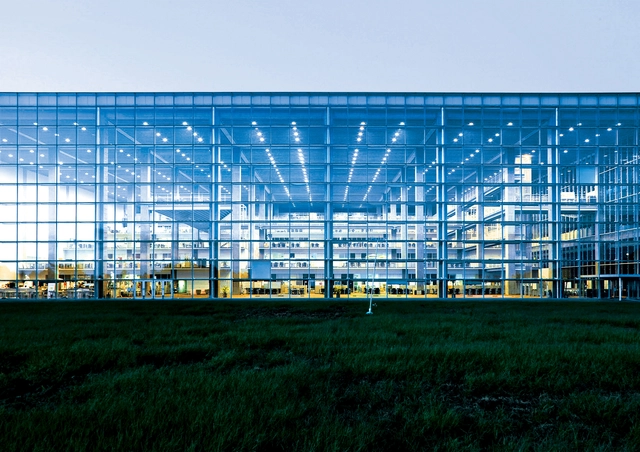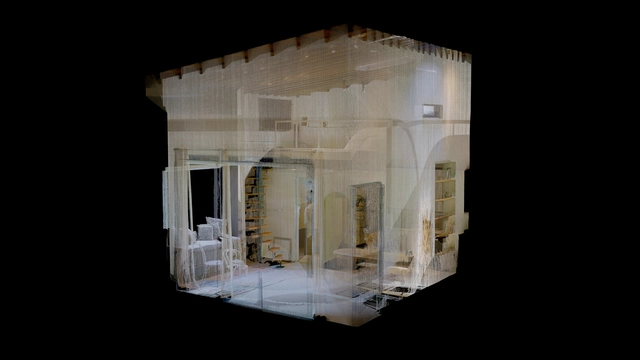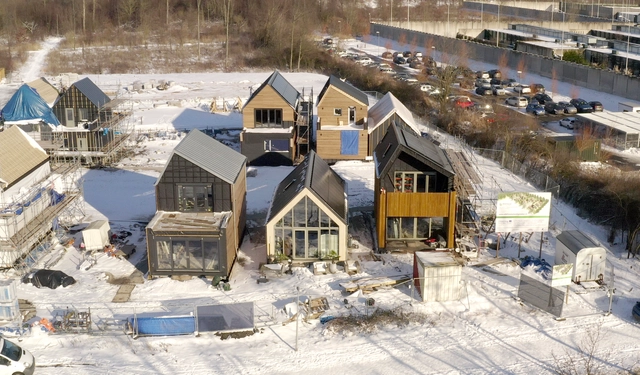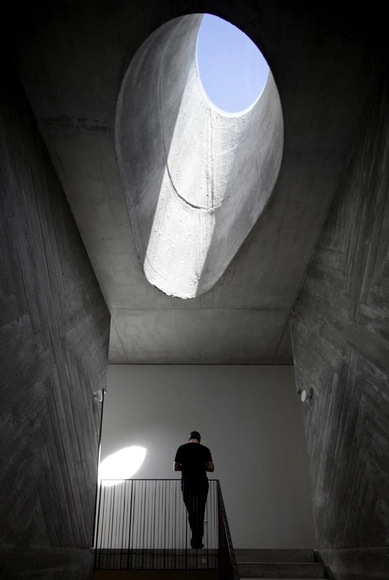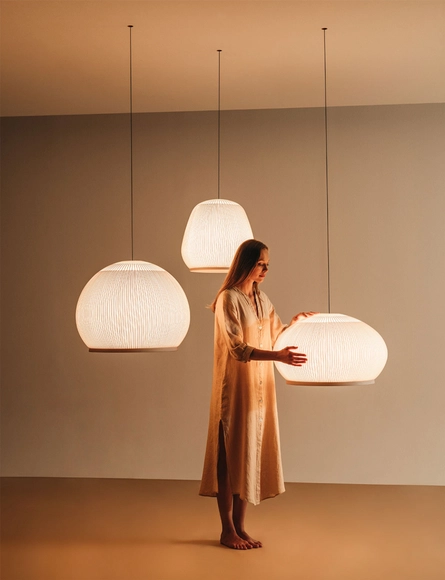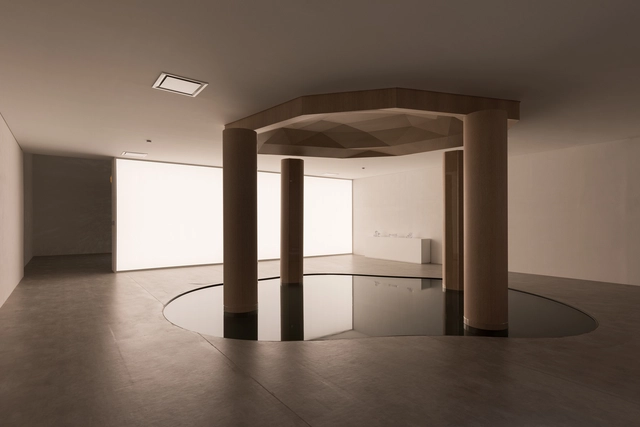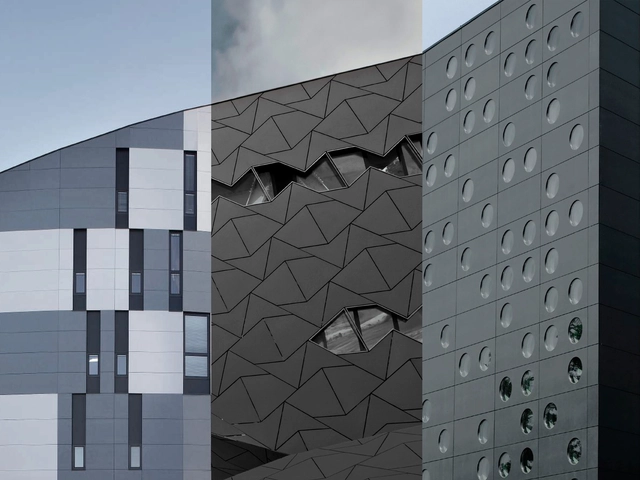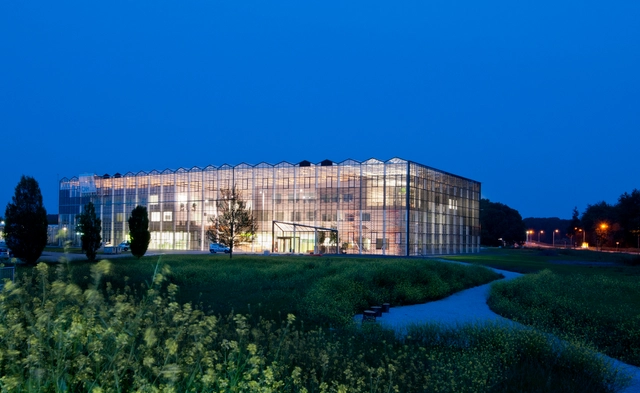
Whether through small samples of materials or a digital collage, a moodboard is a valuable project tool for architects and designers; an inspiration board with colors and elements to guide choices. The objective is to use this as an inspirational tool for upcoming projects, in order to define backgrounds, predominant textures, and standout details. To this end, surfaces play a fundamental role in defining a space and setting the tone of the space, just like a piece of music, where all the other elements may or may not match the harmony of the chosen palette.
Initially conceived as a way to use fragments from marble construction waste, terrazzo is a material widely used around the world, with its modern roots dating back centuries to Venice, Italy. Its aesthetic is unmistakable, characterized by mottled patterns and a wide range of colors poured onto the floor. It is not surprising that this material is widely appreciated by architects in various types of projects due to its unique appearance. A notable example of the use of terrazzo is the Guggenheim Museum in New York, designed by Frank Lloyd Wright. Upon discovering it during one of his trips, Wright recognized that thanks to its aesthetic appeal and versatility, it would endure as the museum's interior finish.
https://www.archdaily.com/1009577/mottled-and-timeless-why-do-architects-and-designers-specify-epoxy-terrazzoEnrique Tovar
Videos
Phoenix Project. Image Cortesia de Autodesk
"In just one generation, we have gone from the pencil to AI.” This quote by Knut Ramstad from the Nordic Office of Architecture encapsulates the seismic changes we have witnessed in the development of architecture projects over the last few decades. By bringing forth increased efficiency and visualization possibilities, the express analysis and deeper understanding of project variables have become much easier. Architectures have become more complex, with more variables, numerous new demands and pressures, and with deadlines not getting any shorter. In this ever-evolving landscape of the architecture, engineering, and construction (AEC) industry, technological advancements have sparked a radical shift in professionals' approach to conceptualizing, planning, and executing projects, expanding a wide array of opportunities and highlighting the transformative power of data as an essential resource. This transformation could catalyze the industry's efficiency and sustainability, with a crucial focus on reducing its carbon footprint and minimizing waste generation.
Solar Facades on Det Grønne Hus. Image Courtesy of SolarLab
Renovations involve design processes that transform, refurbish and enhance architectural elements. From gentle aesthetic changes to structural additions, building renovation can improve functionality, safety, and energy efficiency. By integrating new technologies, contemporary strategies are giving new life to existing buildings, propelling already-built projects into the future.
Some of the most memorable and moving exhibitions are the ones that simplify their staging, illuminating objects and narratives while pulling focus from everything else. A stark but meticulous –and above all modern– presentation is the goal of the museum curator. The process of installation shouldn’t be laborious. The fingerprint of the architect shouldn’t be visible. The eye of the visitor wants to see unbroken silhouettes of couture garments, archaeological treasures, and sculptures. Exhibitions tell stories, and the design of each show is the medium. The presentation must be crisp, clear, and light. A sense of perfection elevates the uniqueness of a collection of objects; barely apparent joins, lines and an overall feeling of transparency make that achievable.
https://www.archdaily.com/1009976/elevating-contemporary-exhibition-design-with-sliding-glass-panel-systemsMark C. O'Flaherty
In the global context, the first factories emerged in the latter part of the 16th century, primarily housing typographic workshops. Over time, their purposes expanded to include carpentry, tapestry, and porcelain workshops. However, the recognizable form of industrial buildings we see today only took shape in the 18th century, closely tied to the transformations brought about by the Industrial Revolution. The shift from human labor to machinery fundamentally altered the scale of these structures, turning them into expansive warehouses.
In his Robie House, Frank Lloyd Wright created an ingenious arrangement of public and private spaces that slowly moving away from the street through a series of horizontal planes. Pronounced eaves made the interior space expand toward the outside. Considered the first phase of the American architect's career, the so-called Prairie Houses had marked horizontality, mainly due to the enormous plans created by slightly inclined eaves. Eaves are ubiquitous in most traditional architecture, and in addition to their aesthetic role, they serve several important functions, the primary one being to keep rainwater away from the building's walls and structure. But for some time now, we have seen plenty of projects with sloping roofs without eaves, forming pure and unornamented volumes. This brings us to the question: in these projects, how are practical issues such as draining rainwater?
Shortly before the First World War, Harry Brearley (1871-1948), who had been working as a metalworker since he was 12 years old, developed the first stainless steel. Seeking to solve the problem of wear on the inner walls of British army weapons, he ended up obtaining a corrosion resistant metal alloy, and added chrome to the cast iron. The invention found applications in almost all industrial sectors including for the production of cutlery, health equipment, kitchens, automotive parts, and more, replacing traditional materials such as carbon steel, copper, and even aluminum. In civil construction, this was no different, and stainless steel was soon incorporated into buildings.
The term brick is often used as a synonym for common clay solid blocks, but there's more to it. Bricks are perhaps the most elementary of building materials and can be used to design modular, optimized, and most importantly, versatile buildings. This article explores the most popular types of bricks according to their use in construction.
When we conceive an architectural project, it is crucial to transcend mere aesthetics and consider all aspects of our material decisions. The spaces where we live, work, and interact should not only be visually pleasing but also contribute to our safety and comfort. What if, in addition, they could improve air quality and reduce the amount of pathogens on surfaces? This is why the selection of materials plays a fundamental role, and architects and specifiers need to strive to acquire as much knowledge as possible about the materials and systems they incorporate into their projects.
Within the shifts in architectural movements and styles, furniture design has also evolved throughout the years, transitioning from elaborate curvy lines and opulent materials to simple and functional layouts, and back again, in constant movement. As it continues to evolve, contemporary furniture design is often influenced by technological advances, exploring digital fabrication and user-centered design, while also responding to sustainable strategies. These innovations have elevated custom furniture design, crafting unique pieces tailored to individual needs, preferences, and space specifications.
With an air of simplicity and wisdom, engineer Julio Vargas Neumann welcomes us. His two dogs accompany us as we descend after the necessary ascent to enter, and we are also accompanied by the stone walls defining the lot. We sit down and begin - or continue - the interview and conversation regarding the value of 'shicras', local materials, and earth construction. We also discuss criticisms of cement, aluminum, and steel, as well as perspectives on the future of materials in Peru and the world. Likewise, we delve into the long-neglected and recurrent rural problem in South America, discussing the inexorable need to change paradigms and priorities.
https://www.archdaily.com/1009638/julio-vargas-neumann-on-the-future-of-materials-todays-reinforced-concrete-will-disappearDiego Vivas
Humans have always been fascinated by reflections. Although they are no more than light bouncing back after striking a surface, there will always be something mystical and fascinating about them –whether it be a lake mirroring a beautiful landscape or a small hand mirror reflecting our face. This explains why some ancient cultures considered mirrors to be sacred objects with magical powers, while others associated them with portals leading to an unknown world. Since then, mirrors have evolved to adopt many valuable functions that are indispensable in everyday life, being found in cars, medical equipment and, of course, in countless architectural applications, especially in interiors. Experimenting with the reflection and perception of space has become an easy way for architects, designers and homeowners to transform any room. And when looking to maximize this impact, the power of exceptionally large mirrors is unparalleled. After all, the bigger the mirror, the bigger the impact.
Bradbury Works / [Y/N] Studio. Image Courtesy of [Y/N] Studio
In the contemporary context, global warming has marked a turning point in the way we think about architecture. We are witnessing record temperatures on our planet and a challenging panorama in many large cities, characterized by heatwaves and, in some cases, more severe winters. These circumstances have triggered a cycle in which the demand for heating and cooling systems increases, which, in turn, translates into higher energy and operating costs for buildings.
https://www.archdaily.com/1009134/ecological-lightweight-and-slender-energy-efficient-architecture-with-translucent-polycarbonateEnrique Tovar
Representing a fusion of innovation and convenience, a smart home can be defined as an environment in which one or more devices are connected and can be controlled remotely, either through a smartphone or voice commands. Automation, or home automation, is an advanced technology that has become increasingly accessible and popular. It enables tasks ranging from efficiently controlling lighting and room temperature to managing security devices, entertainment systems, and voice-activated personal assistants. Smart homes empower residents with continuous and user-friendly control over their environment. This dynamic synergy of automation and connectivity not only promotes efficiency and resource conservation but also opens new horizons in customization and comfort, envisioning a future where homes adapt to the needs and preferences of their occupants, making life simpler and more enjoyable. However, these systems often require the installation of new cables and wiring to build the necessary infrastructure, as well as the hiring of highly specialized labor, which can often make their implementation impractical.
Pink Floyd's song “Another brick in the wall” criticizes an alienating and demotivating educational system. People, or children, are portrayed as bricks due to their homogeneity, whether in the way of living or thinking in a society that is not very fond of opposition. Bricks work very well in this comparison, having changed very little throughout history and around the world in their rectangular shapes. But that's not true of their colors. Although we tend to think of red when we talk about bricks, there are infinite possibilities of shades, depending on the composition and manufacturing process of the pieces.
Image created using AI under the prompt: An emotive and detailed illustration of the texture of various types of architectural insulation. Image via DALL.E 2
Although more related to evolutionary aspects than to architecture itself, the inherent physical fragility of human beings has required, since prehistoric times, that we protect our bodies and our buildings from external elements. As an example, beginning with the primitive huts used in the earliest forms of domestic architecture, furs were employed as an exterior covering to restrict the flow of air and, consequently, regulate the interior environment.
https://www.archdaily.com/1008656/a-glimpse-into-the-evolution-of-insulation-materials-in-architectureEnrique Tovar
Frank Lloyd Wright first came up with the concept of the open-plan office in 1906, in the Larkin Building in Buffalo, New York, United States. The innovative nature of this approach, at the beginning of the 20th century, contrasted with the norm of closed offices and probably stunned those who first used it. Fast-forwarding to the 1950s, the concept of an open-plan office –Bürolandschaft or Office landscape– originated in Germany, with the objective of eliminating spatial hierarchy through shared spaces. The architects strategically designed the office layout to improve communication and teamwork, removing solid barriers and replacing rows of desks with work areas that were organized based on functions and workflows, with a mentality aligned with the precepts of the time, especially related to the European post-war reconstruction effort.