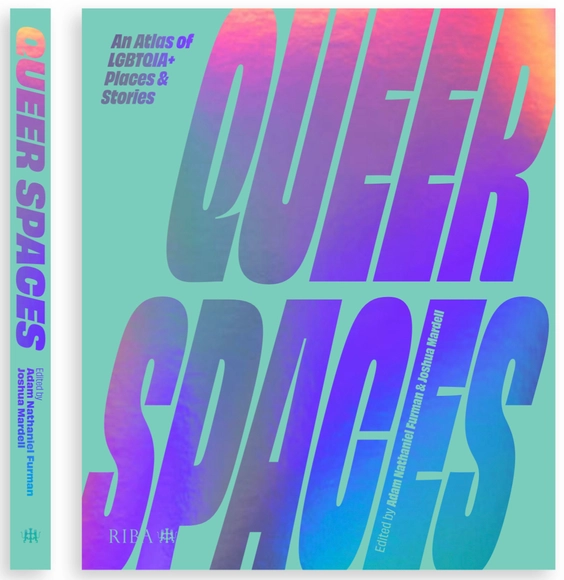
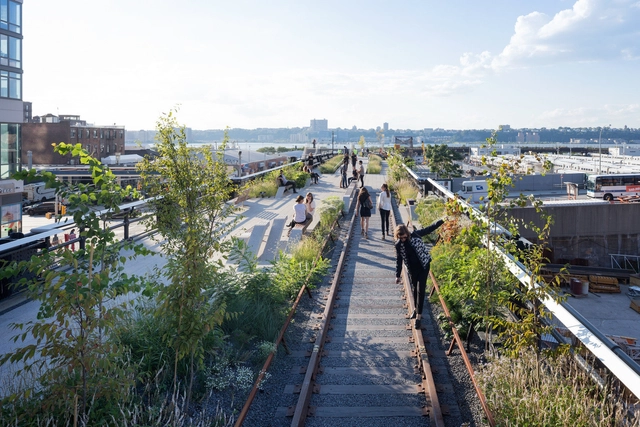
A queer independent bookshop in Glasgow; an ice cream parlour in Cuba, where strawberry is the queerest choice; a cathedral in ruins in Nicaragua, occupied by the underground LGBTQIA+ community. Queer people have always found ways to exist, gather and celebrate and will always continue to. Therefore, there will always be a need for queer spaces.
Videos
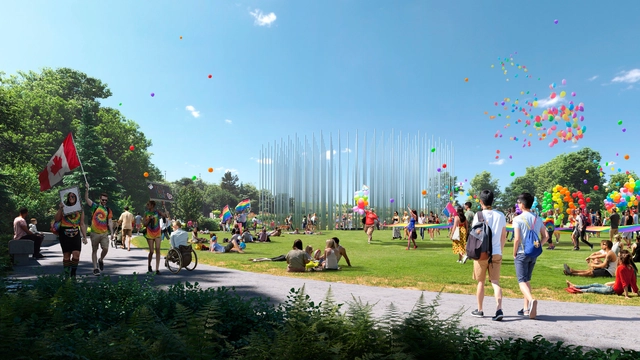
Thunderhead by Team Wreford. Image via Canadian Heritage
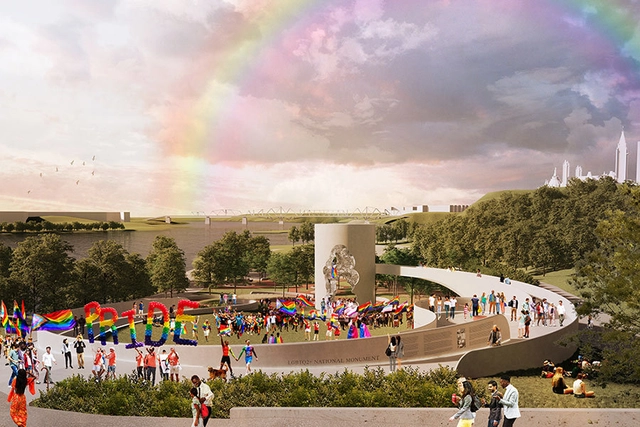
Canada’s Department of National Heritage, along with the Minister of Canadian Heritage Pablo Rodriguez, Minister for Women and Gender Equality and Youth Marci Ien, as well as the LGBT Purge Fund have unveiled “Thunderhead” as the winning concept of Ottowa's LGBTQ2+ National Monument competition. The winning design symbolizes a thunderhead cloud, which embodies the "strength, activism and hope of LGBTQ2+ communities, and will be a lasting testimony to the courage and humanity of those who were harmed by the LGBT Purge, homophobic, and transphobic laws and norms".
Ethical practice spans all parts of architecture. From intersectionality and labor to the climate crisis, a designer must work with a range of conditions and contexts that inform the built environment and the process of its creation. Across cultures, policies and climates, architecture is as much functional and aesthetic as it is political, social, economic, and ecological. By addressing the ethics of practice, designers can reimagine the discipline's impact and who it serves.
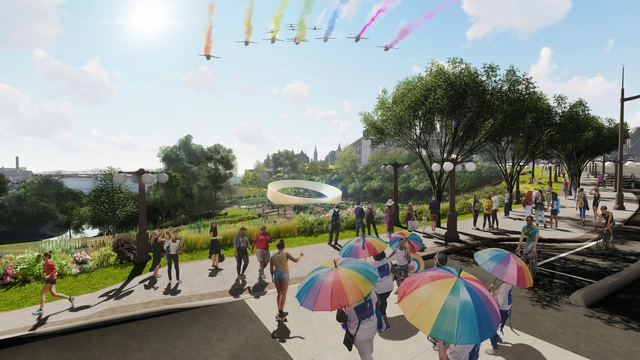
Canada's Department of National Heritage has announced the five finalists for the LGBTQ2+ National Monument competition, a project meant to honour the community and recall its oppression during the LGBT Purge period. Among the shortlisted designs is SOM's proposal, consisting of an array of flagpoles stripped of their flags, symbolising the trauma, deprivation of culture and concealment of identity that the LGBTQ2+ community was experienced. Designed in collaboration with Rebecca Belmore, Noam Gonick, and HTFC Planning & Design, the design titled Bapiiwin, meaning survival /overcoming in native Ojibwe, seeks to provide a space of remembrance while serving as a symbol of resilience.
Canada’s Department of National Heritage has announced the five finalists for the LGBTQ2+ National Monument competition, a project meant to tell the story of generations of people who have been persecuted, specifically during the LGBT Purge period. Among the shortlisted designs is The Lens, a proposal that turns a symbol of oppression into an identity element and uses the landscape to express the community’s reverberation into society. Designed by a team comprising Canadian office Fathom studio, MVRDV and Two Row Architect, the proposal seeks to express resiliency, creating a space for memorialization and education while providing an inclusive space for the 2SLGBTQQIA+ community.
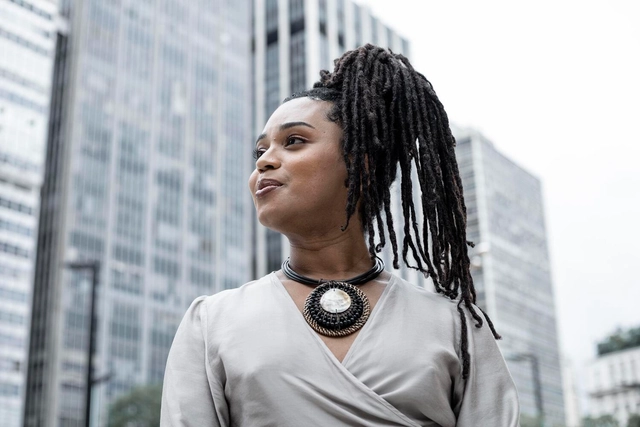
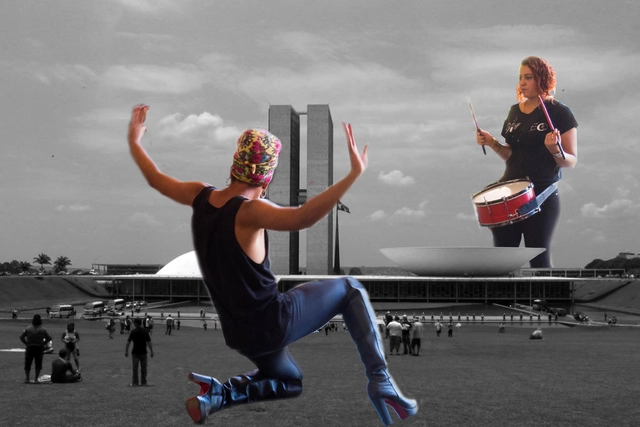
When crossing a space, a body carries within it many meanings. The reading that translates into this person-architecture dialogue, and the sensations that arise from it, demonstrate much of the social inequality and violent structures intrinsic to the Western imagination, which privileges the same standard: the white man. Finding a place of rebalancing in which it is possible to create an alternation of power —in race and gender - is a commitment by Erica Malunguinho.
This year both organizations have defined themes related to improving the quality of life and reducing the effects of the climate crisis by taking action in the built environment. While the International Union of Architects' 2021 World Architecture Day theme is "Clean Environment for a Healthy World", UN-Habitat's World Habitat Day has announced "Accelerating Urban Action for a Carbon-Free World" as their topic.
By defining sexuality as one of several sexual technologies, Michel Foucault has expanded our understanding of sex. This way, the relationship between architecture and the body is shaped not only by the built object, with its various spatial mechanisms for the production of bodies, but also by thinking, in the form of academic discourse. And vice versa, since gender and sexuality also impact architectural theory. One way or another, these relationships are very rich and capable of expanding our knowledge about architecture and the creation of generic sexed bodies.
Videos
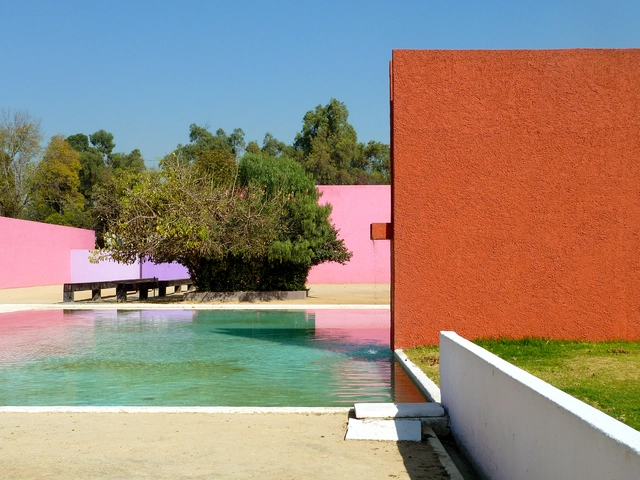
Los Clubes - Cuadra San Cristóbal and Fuente de los Amantes / Luis Barragán. Photo: pov_steve on VisualHunt
How many LGBTQIA+ architects do you know? Surely you went to school with someone but probably never heard a professor mention one of them. Bringing up these names is key to understanding the fundamental role this population plays in the field of architectural theory and practice. This reveals their experiences more clearly, how they incorporate their identities into design and debates about architecture and urban planning. This is key for any person who identifies as LGBTQIA+ to feel comfortable expressing their individuality and their abilities in the profession.
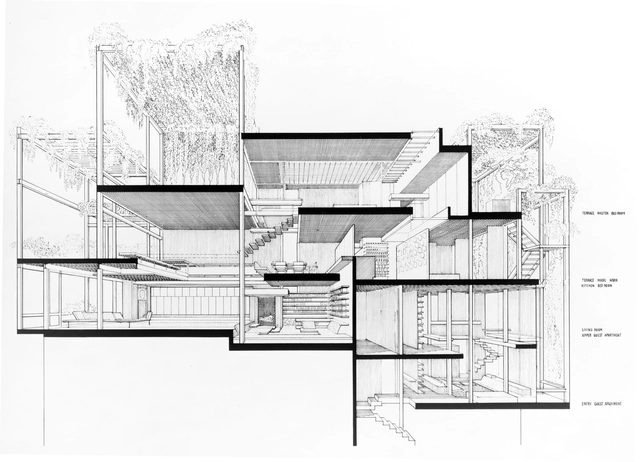
Paul Rudolph, Rudolph Apartment at 23 Beekman Place, New York (1977-1997). Perspective Section, 1997. Digitized drawing | 4732 x 3416 px. The Paul Rudolph Archive, Library of Congress, Print and Photograph Division, LC-USZ62-123771. The cut shows the complexity of the space that Timothy Rohan describes as exemplary of Rudolph's approach to the private domain.
A growing number of theorists and practitioners have been discussing the impact of gender and race on the profession and theory of architecture. Issues linked to the relationship between the built environment, sexual orientation, and gender identity, however, remain particularly understudied, perhaps because of their relative invisibility and less clearly identifiable discriminatory consequences. Moreover, they are also completely neglected by design theory in the Francophone world. This article partially remedies the situation.
Architecture can be many things, also queer. Alongside many other transgressing words that carry different meanings and perspectives, this term triggers new insights into society and questions how we create architecture and urban planning projects, including their programs and activities. If there is any statement about how architecture should be done, if there is any conviction about what it represents, we wish here to avoid knowing what it is and be able to question its traditions to broaden the profession, its meanings, and social representation.
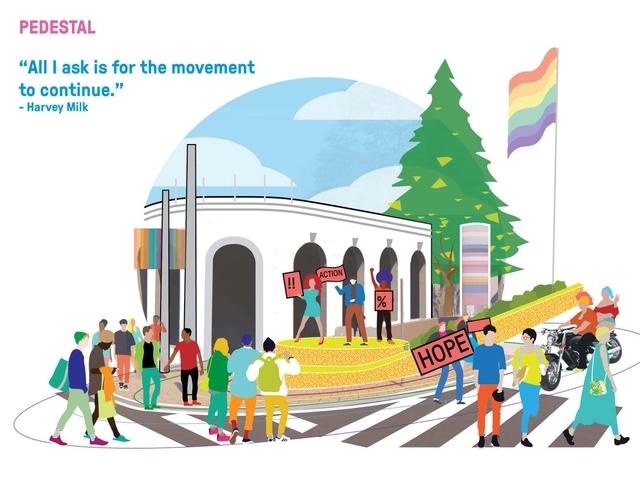
Courtesy of Friends of Harvey Milk Plaza & SWA Group
Matt Hickman reports on San Francisco's latest inclusive memorial, for the Architect's Newspaper, designed by SWA, a firm that operates two Bay Area studios (San Francisco and Sausalito) as well as offices in Texas, Southern California, New York City, and Shanghai. Selected by FHMP from a shortlist of four firms that submitted proposals, out of 17 invited offices, SWA shared their winning conceptual design for the memorial at Harvey Milk Plaza.
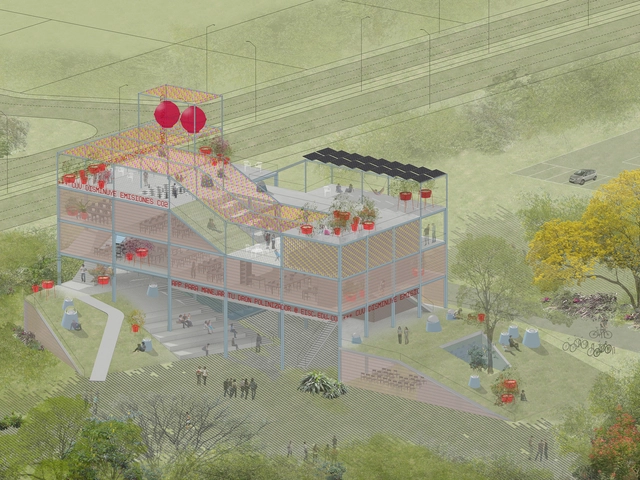
Prototype for an Ecosocial Campus Building. Competition for the design of a computer science building at the Universidad del Valle. Cali, Colombia (2014). Image Courtesy of Husos
Husos Architects' work advances in an ongoing dialogue between design and research. Founded in 2003 between Spain and Colombia, the architecture and urban planning office stands out for addressing different scales, from the micro to the global, responding to the requirements of specific users but weaving deep contextual networks with the environment and beyond. How do they effectively approach this complexity, in turn promoting social transformation? We spoke with Diego Barajas and Camilo García Barona about their processes of approaching users and other agents involved –not only humans–, about how they address the colonization of the biosphere that has caused climate change, and about their inquiry into activism from a series of battlefields habitually neglected in traditional discourses of architecture.
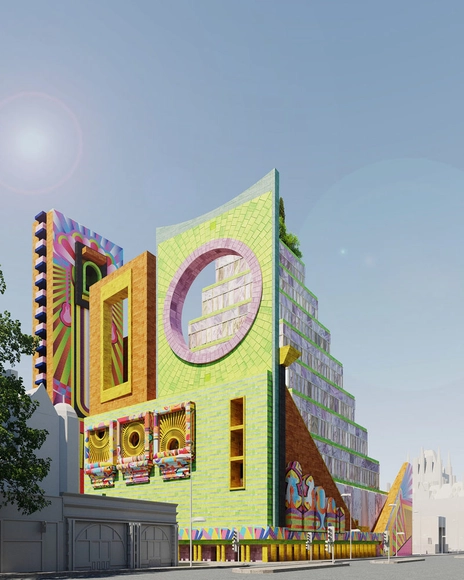
The Liberal Archive (2020). A proposal for an open repository of digital and material culture, located next to the British Library in London. Image Courtesy of Adam Nathaniel Furman
This article was originally published on Common Edge as "Presenting Architecture as Progressive, but Practicing Through Exclusion."
For a profession that likes to congratulate itself about how well-meaning it is, and sees itself as liberal, diverse, open, and progressive, British architecture has a serious problem with diversity of pretty much every kind. It is dominated by people from well-off backgrounds. It trains a lot of brilliant female architects but doesn’t pay them as much as men, and loses many of them after 30 when they are not supported in balancing work and family life. Its ethnic makeup is very, very white, considering that it’s 2020. A supposed beacon of success is the acceptance of the LGBTQ community within the field, but as with women and those from and religious and ethnic minorities, stories of unprofessional comments, inappropriate jokes, and insidious forms of jovially “innocent” othering and the diminution of identity-specific concerns abound.
Every company across the country is talking about “diversity” and “inclusion”—but what actions are actually being taken to address the issues? In May, following the death of George Floyd and the rise of the Black Lives Matter movement, conversations were had, statements issued, and boxes checked. But achieving diversity and inclusion will involve addressing long-term, systemic issues that cannot be solved with a black square on Instagram or a carefully crafted statement from a PR department.
The first step toward diversity and inclusion is recognizing that talking about it is not enough, and the path to real change is going to be a process.
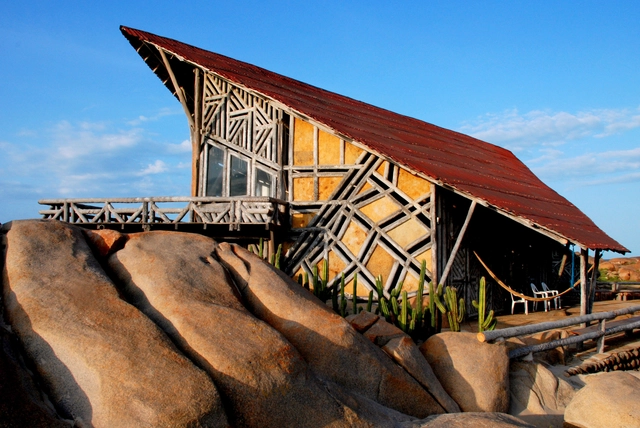
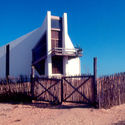
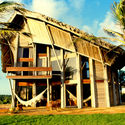
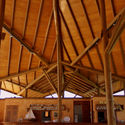
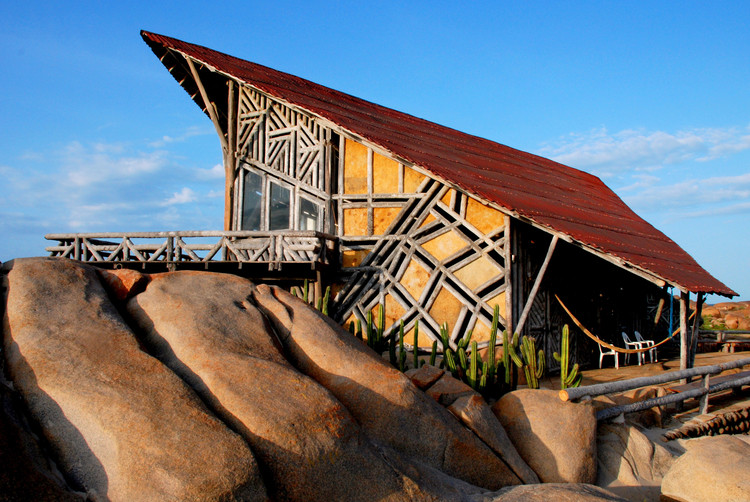
Gerson Castelo Branco is a self-taught architect from the state of Piauí in Brazil. His architecture is a collection of references and experiences that he describes as "an expression of freedom," the Paraqueira.
Collage made with photos of Matias Romero and Raquel Aviani/Secom UnB. (licensed under the Creative Commons Attribution-Share Alike 2.0 Generic license and Creative Commons Attribution 2.0 Generic license) via Wikimedia Commons
What would all the built environments be without its users? This question may make it easier to understand that not only do architecture and urbanism sustain themselves as physical spaces, but they also gain meaning mainly through the human and non-human movements and bonds, that - together with the architectural or spontaneous traces that make up the urban landscape - provoke the sensations that each individual feels in a unique way.
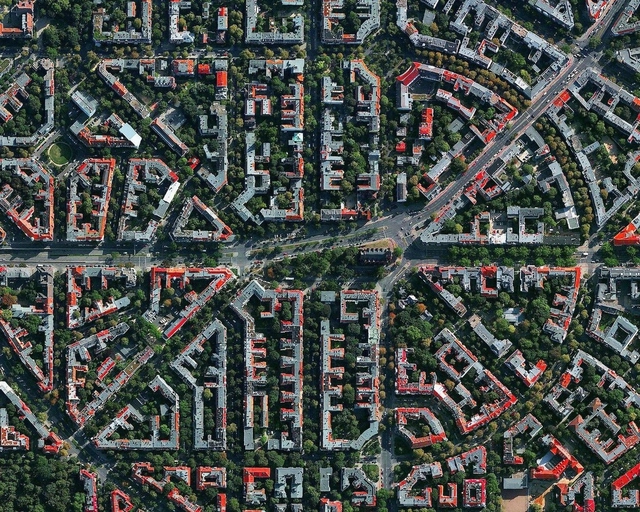
Feeling free and safe in the city. How many times have we felt fully free when walking through our neighbourhood, when returning home, when sitting in the park? Some urban spaces give us more autonomy than others. Some areas seem more comfortable and calm. But, to keep that calm, to what extent do we express ourselves and to what extent do we hold back? What safeguards do we take to feel as good as possible when inhabiting our environment?
https://www.archdaily.com/942508/cities-should-allow-people-to-shineMaría Gonzalez & José Tomás Franco