-
Architects: ASA Studio
- Area: 835 m²
- Year: 2026
-
Manufacturers: Clay bricks

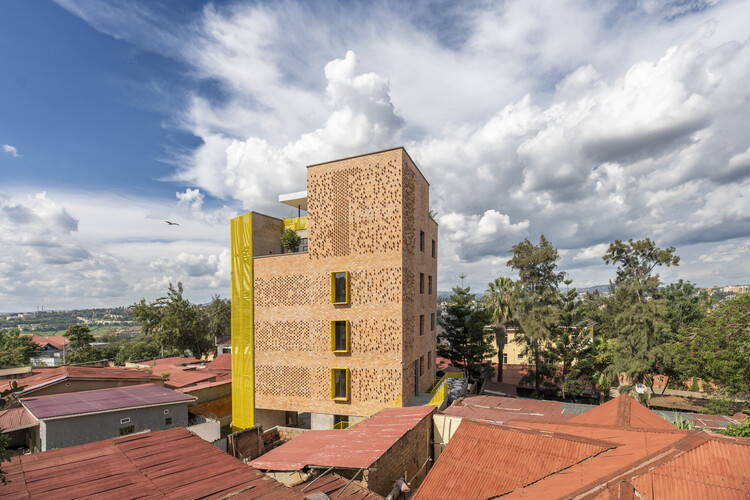
At the time of writing, an article by Martyn Evans asked 'Is Architecture in Crisis?' In the same year, Reinier de Graaf published the book 'Architecture Against Architecture,' where he set out fourteen problems with the profession and discipline. The question of a crisis in architecture is a perennial one. Referring to architecture as a profession, it rears its head especially when economic downturns are expected or in full swing. Simultaneously, there are ongoing questions regarding the effectiveness of architecture at dealing with the pressing matters of the globe and society—housing, climate change, and human development. One venture that attempts to address these questions is MASS, established in Rwanda not long after the 2008 financial crisis. The clue is in the name, which stands for Model of Architecture Serving Society. MASS was created as a different way of practicing architecture.
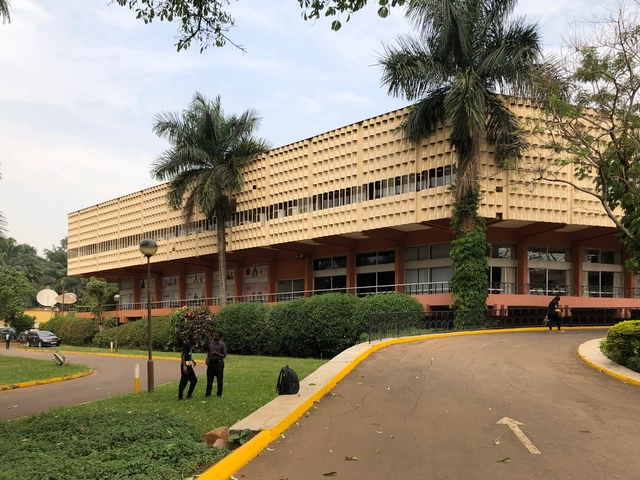
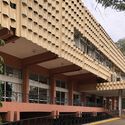
The middle of the Twentieth Century saw the independence of most countries on the African continent. Those euphoric times brought forward-looking sentiments and a wish to break with the past. As an architectural movement, Modernism was ideal for the day, and newly independent countries had extensive building programs to assert themselves as fully functioning nations.
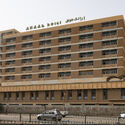
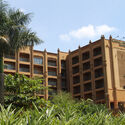
Hotels are one type of building that illustrates the complex architectural and political history of the times. Some were built specifically to host international delegations, others to boost tourism, while some were built as strong leaders' wishes. Although a marginal building type, several hotels across Africa stand as physical records of important parts of their respective country's history. Following an exploration of the histories of West Africa's Modernist Hotels, this second article turns to East Africa to uncover the ways in which this understated typology relates to larger histories of independence and national identity.
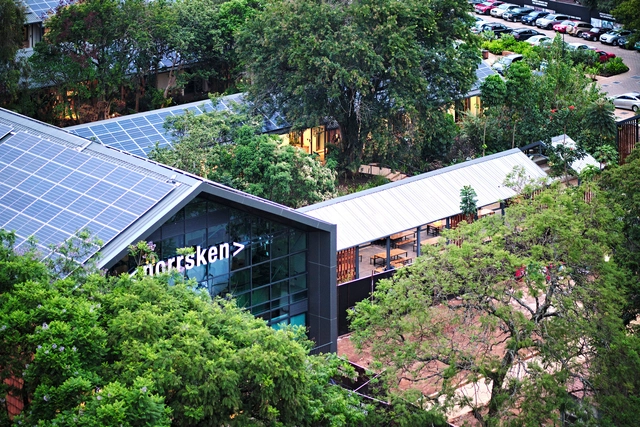
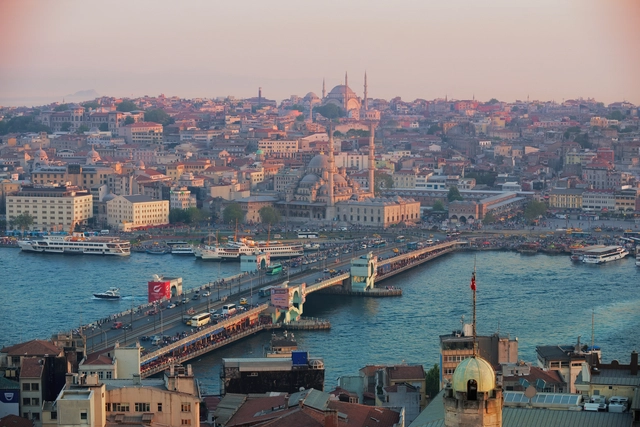
Bloomberg Philanthropies has announced the 15 winning innovations of its 2021-2022 Global Mayors Challenge. Hailing from six continents, the chosen projects "seek improvements in the areas of economic recovery and inclusive growth, health and well-being, climate and environment, and gender and equality". The winning cities include Istanbul, Rotterdam, Butuan, and Wellington, and will all receive $1 million and external support to develop their programs.
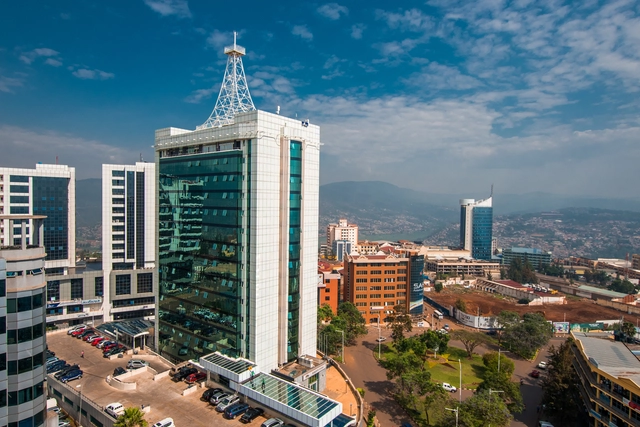
The urban metropolises of our planet are home to an abundance of stories. They are home to stories of wealth, of innovation, and of architectural marvels. They are home, too, to stories of inequality, inequity and of urban divides – places where one’s income determines the quality of the spatial environment around them. Within these stories has developed an increasing advocation for making cities “smarter”, the goal being to use data and digital technology to build more efficient and convenient urban environments.
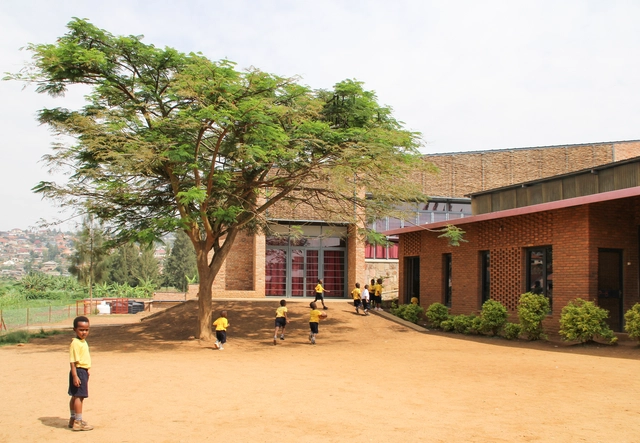
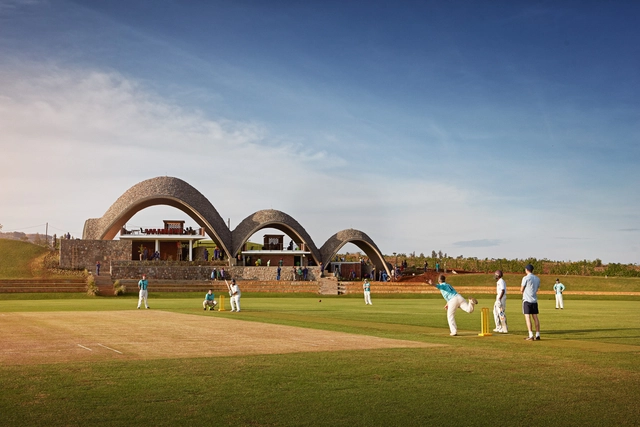
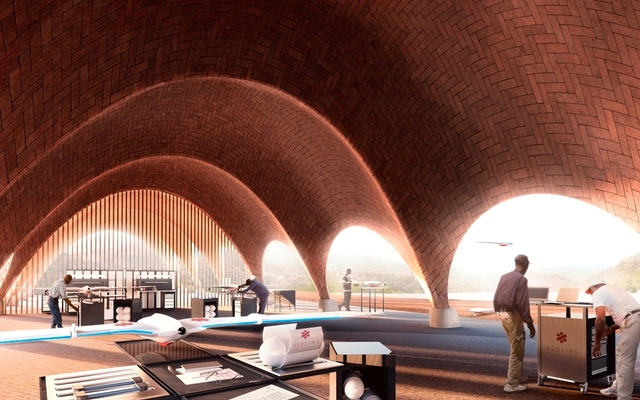
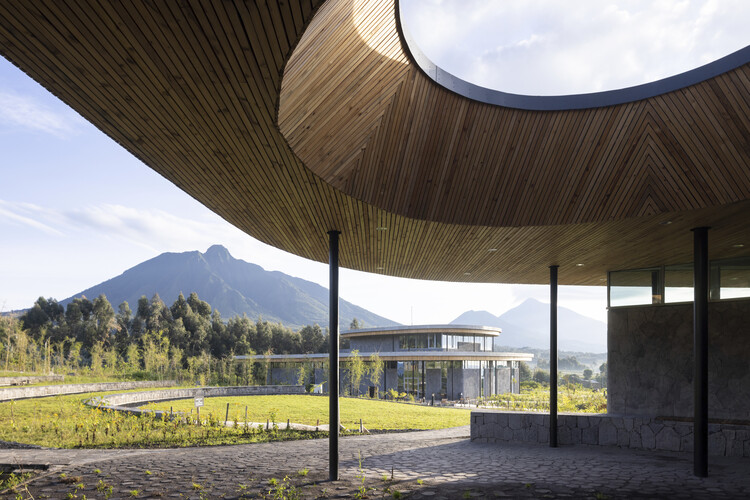
Rwanda is writing a new global story for itself. Over two decades after the end of the country’s civil war and the 1994 genocide, a series of progressive visions have been the catalyst for transformation throughout Rwanda. These economic and structural reforms have redefined the built environment, and in turn, are shaping contemporary architecture across the country.
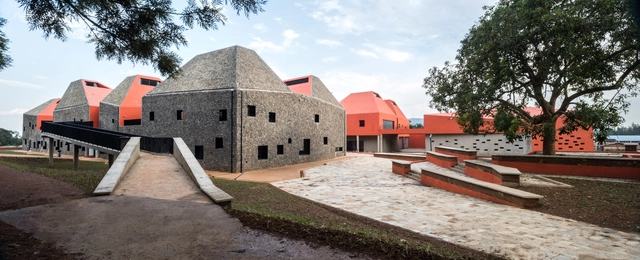

Adjaye Associates have unveiled their design for the Eugene Gasana Jr. Foundation Paediatric Cancer Centre in Kigali, Rwanda. Located on a four-hectare site, the centre will include a 100-bed hospital, lodging for outpatients and residential housing for hospital staff. The design is inspired by the region’s vernacular architecture, and by the local Imigongo art form, which often includes black, white and red geometric patterns.
Read on to learn more about the project.


Architects: Architectural Field Office with Architecture for Humanity Location: Kimisagara, Kigali, Rwanda Project Year: 2009 Project Area: 200.0 sqm Photographs: Killian Doherty
Architecture for Humanity’s Kimisagra Football for Hope Center in Kigali, Rwanda has broken ground. This video by Killian Doherty and music by Sophie Nzayisenga features the site location, renderings, and most importantly the communities excitement for the new center.





.jpg?1643280352 "The World’s First Fully Accessible Art Depot Museum is Opening to the Public. Image © Ossip van Duivenbode / MVRDV")









2.jpg?1522934986 "© Jules Toulet")