Berkeley-based TLS Landscape Architecture has won the Lion Mountain Park Design competition in Suzhou, China, corresponding to the Chinese government's new Urban Work Guidelines. The guidelines prioritize ecological and urban development, as well as rejuvenation of local character in public spaces. Lion Mountain Park will be the first large-scale public project to be constructed according to these values, envisioned as the core of a new urban ecosystem complex.
Interviews: The Latest Architecture and News
Urban Ecosystem Design Named Winner of Lion Mountain Park Competition


https://www.archdaily.com/796782/urban-ecosystem-design-named-winner-of-lion-mountain-park-competitionAlyssa Wu
4000 Shades of Green: Transborder Studio's Redesign Proposal for the "Grey Belt" in St. Petersburg
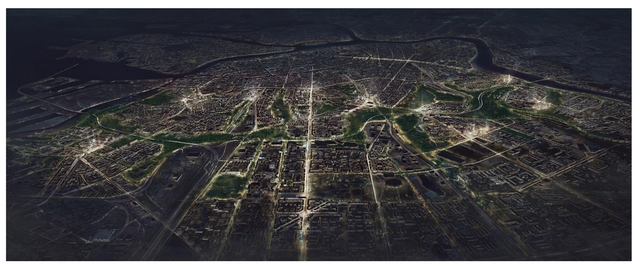
Oslo-based Transborder Studios is one of nine international firms competing to transform St. Petersburg’s “Grey Belt,” a 4,000-hectare territory of inactive industrial buildings and open spaces. The firm, which just won a competition for the development of Oslo’s new “Agricultural District,” is proposing a green rejuvenation with four multi-performing landscapes, a productive buffer, and development hubs.


https://www.archdaily.com/796678/4000-shades-of-green-transborder-studios-redesign-proposal-for-the-grey-belt-in-st-petersburgNatalina Lopez
Hamonic+Masson & Associés Envisions a New Casablanca When Redesigning its Financial District
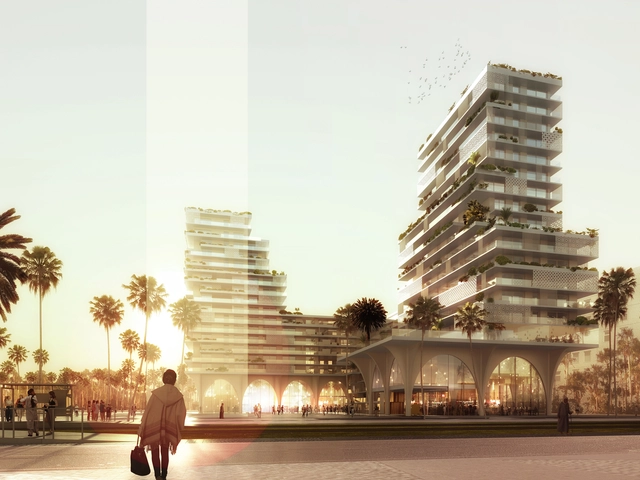
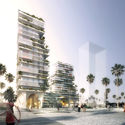
Hamonic+Masson & Associés is envisioning a new Casablanca via the redesign of its financial district, Casa Anfa. The Paris-based firm, which just won a city-sponsored competition to pioneer a transformation of the area, has unveiled big plans for Lot 65-2. The plans respond to questions on the urban scale as well as preservation and sustainability.
"Form and urbanity” underscore the project’s drive for reimagining the links between high-rise entities in the Moroccan city.

https://www.archdaily.com/796470/hamonic-masson-envisions-a-new-casablanca-when-redesigning-its-financial-districtNatalina Lopez
Eindhoven University of Technology Building to Become World's Most Sustainable University Building
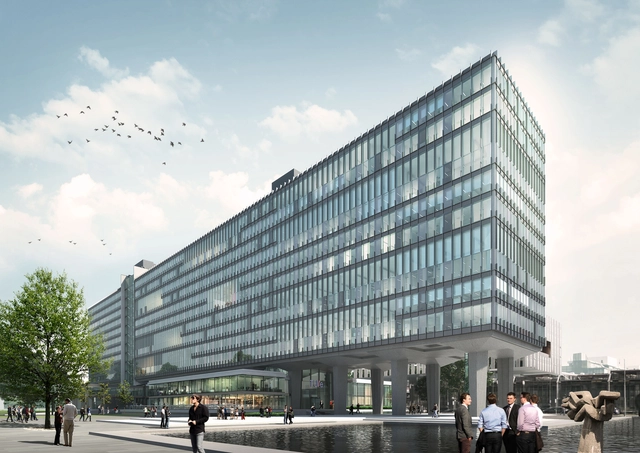
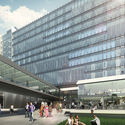
Total Engineer Team RSVP has unveiled the renovation design for the Main Building of the Eindhoven University of Technology in the Netherlands, which, once completed, will be the most sustainable university building in the world. On September 27, the design was awarded as BREEAM Outstanding under the BREEAM-NL sustainability label of the Netherlands, with a score of 93.86%.
The university building, which will be called Atlas upon completion, was designed by a multidisciplinary team consisting of Team V (architect), Van Rossum (construction engineer), Valstar Simonis (building installations engineer), and Peutz (building physics engineer and sustainability expert).


https://www.archdaily.com/796414/eindhoven-university-of-technology-building-to-become-worlds-most-sustainable-university-buildingSabrina Santos
Froscen Architects Unveils Sustainable Micro-Houses to be Built on WWII Phone Bunker
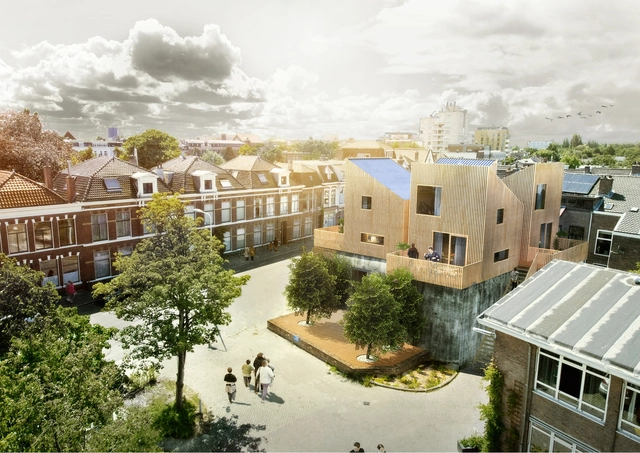
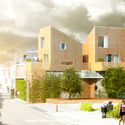
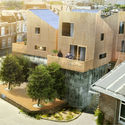
Dutch firm Froscen Architects has unveiled FOON HOUSE(S), a tiny house concept in Leiden, the Netherlands. To be built on a former communications bunker from World War II in the middle of the city, the design focuses on the adaptive reuse of a small concrete complex overgrown with ivy.
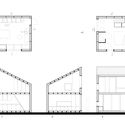
The project will consist of four separate micro-houses on top of the bunker, each with a floor space of about 38 square meters, and equipped with necessary facilities.

https://www.archdaily.com/795537/froscen-architects-unveils-sustainable-micro-houses-to-be-built-on-wwii-phone-bunkerSabrina Santos

Erik Giudice Architecture Releases Proposal for Sustainable Transit Station Inspired by Matchsticks
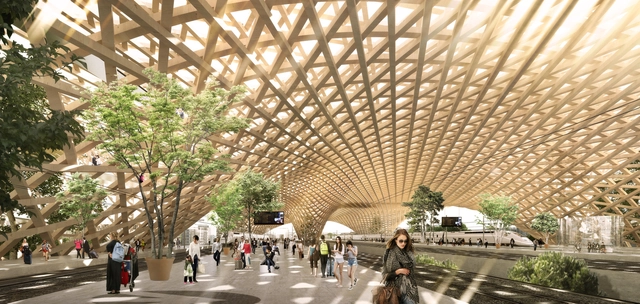
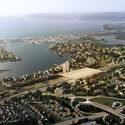
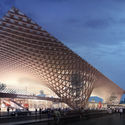
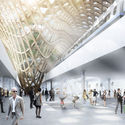
Erik Giudice Architecture has released its proposal for a transit station at Södra Munksjön, in Jönköping, Sweden, a design that was created as an entry for the station area ideas competition, which recruited four firms to create a new station as a part of the area’s larger expansion plan.
Based on the idea of connecting the city and its surrounding nature, the station proposal utilizes light and a playful wooden canopy structure to create a portal from Jönköping to Munksjön, a lake on its opposite side. The “matchstick” structure of the station additionally pays homage to the city’s past as Tändsticksstaden, a famous matchstick capital of Sweden.
.jpg?1474339556 "Courtesy of Erik Giudice Architecture")

https://www.archdaily.com/795601/erik-giudice-architecture-releases-proposal-for-sustainable-transit-station-inspired-by-matchsticksSabrina Santos
AIA Study Finds Health Impacts Becoming A Design Priority for Architects & Owners
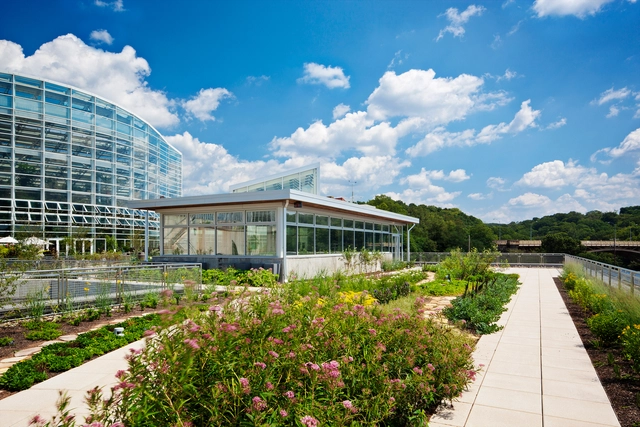
A recent study conducted by Dodge Data & Analytics with the American Institute of Architects (AIA) has found that architects and building owners are beginning to place higher priority of the impacts of design decisions on human health. Nearly 75% of architects and 67% of owners responded that health considerations now play a role in how their buildings are designed, indicating that healthy environments have become an important tool in marketing to tenants and consumers.
https://www.archdaily.com/795467/aia-study-finds-health-impacts-becoming-a-design-priority-for-architects-and-ownersPatrick Lynch
Studio LOKAL Wins Copenhagen Residential Competition With Hanging Gardens Tower
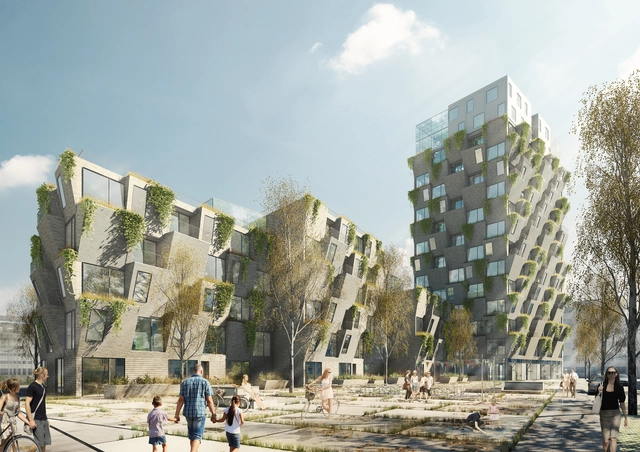
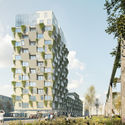
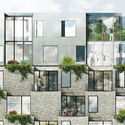
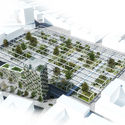
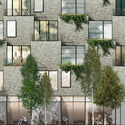
Denmark-based Studio LOKAL has won the competition for the design of a residential tower in Copenhagen, with The Hanging Gardens, its proposal for a merger of the historic brick buildings of Carlsberg with the concept of a personal garden for each resident.
Located on the site of a former vegetable market, the proposal aims to return to these homegrown roots by encouraging residents to grow their own produce in one of the tower’s gardens. Furthermore, the ground floor of the building will house a farmers market where residents can trade their own produce.

https://www.archdaily.com/795374/studio-lokal-wins-copenhagen-residential-competition-with-hanging-gardens-towerSabrina Santos
This Onsite Pop-up Plant Turns Excavation Waste into Building Material
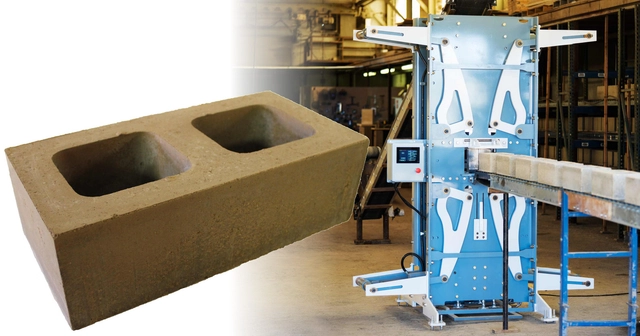
Excavation is usually a bane for real estate developers. To make way for new buildings, truckloads of excavated waste are removed from site in a noisy, time-consuming and gas-guzzling process. Exploring a more sustainable solution, the California-based company Watershed Materials have developed an onsite pop-up plant which repurposes excavated material right at the job site to create concrete masonry units (CMUs) used in the development. By eliminating truck traffic, reusing waste and reducing imported materials, the result is a win for the environment.
https://www.archdaily.com/795273/this-onsite-pop-up-plant-turns-excavation-waste-into-building-materialSharon Lam
As.Architecture-Studio and VHA Architects Unveil Green University Campus Plan in Vietnam
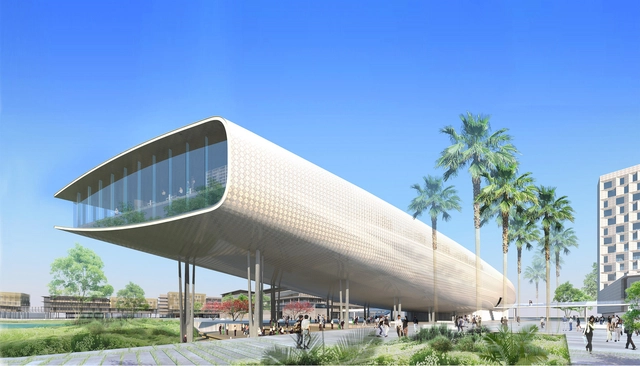
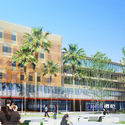
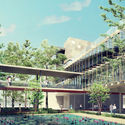
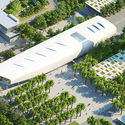
As.Architecture-Studio and VHA Architects have unveiled their plans for the urban design and architecture of a new campus at the University of Science and Technology of Hanoi (USTH) in Vietnam. Located 30 kilometers east of Hanoi City, the new campus is designed to be a “New Model University,” and will feature facilities for administration, teaching, research, housing, student activities, services, and infrastructure.
Through its position around and across existing lakes, the project aims to offer researchers and students a living area structured by landscape. “The presence of water, along with the tropical architecture of the buildings and their specific technologies, will embody the unique character of the USTH being a Vietnamese University leading in sustainability and renewable energy.”


https://www.archdaily.com/794842/architecture-studio-and-vha-architects-unveil-green-university-campus-plan-in-vietnamSabrina Santos
Form4 Architecture Breaks Ground on Sustainable Technology Park with Sweeping Curves
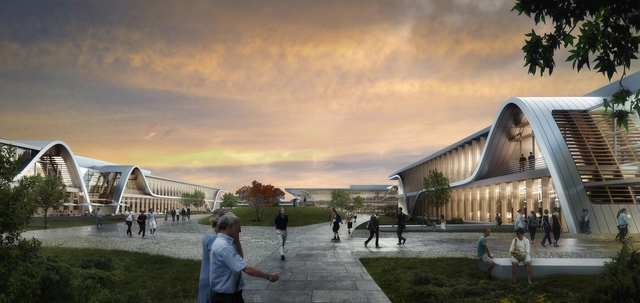
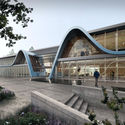
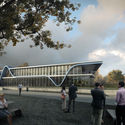
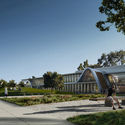
Form4 Architecture’s project, Innovation Curve Technology Park, has been honored by the Green Good Design Awards presented by The European Centre for Architecture, Art, Design, and Urban Studies, in collaboration with The Chicago Athenaeum’s Museum for Architecture and Design.
The project, which recently broke ground in Palo Alto, California, “celebrates the creative process of invention” through its sweeping metal curves, which represent the highs and lows of exploratory research and development. The tall, two-story curves “rise to represent the crescendo of the creative spark and pragmatic analysis of ideas, and descend to transition into long, horizontal bands symbolizing the implementation phase of invention.”


https://www.archdaily.com/794833/form4-architecture-breaks-ground-on-sustainable-technology-park-with-sweeping-curvesSabrina Santos
Inspired by the Concept of Blooming Flowers MOB Architects' Residential Project is Shortlisted for the 2016 WAF

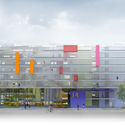
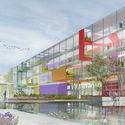
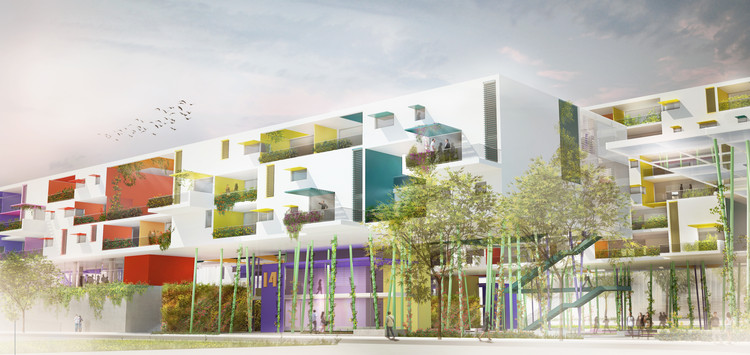
MOB Architects’ project Liaisons has been shortlisted for the 2016 World Architecture Festival in the Future Projects \ Residential category and has won the Residential category for the 2016 AR MIPIM Future Projects Awards.
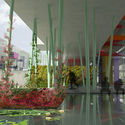
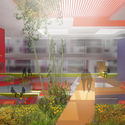
Designed for the MOLEWA (Mount Lu World of Architecture) competition, Liaisons is a residential project in Ruichang, China near the “Flower Ocean Garden,” one of the world’s largest flower theme parks.
Inspired by the concept of blooming, the project centers on introducing a flourishing essence to the neighborhood by analyzing floral and vegetal properties in pixels and converting them into patterns, which are applied in arrangements and spatial organization principles.
https://www.archdaily.com/794451/inspired-by-the-concept-of-blooming-flowers-mob-architects-residential-project-is-shortlisted-for-the-2016-wafSabrina Santos
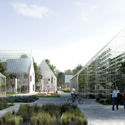
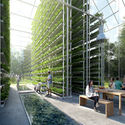
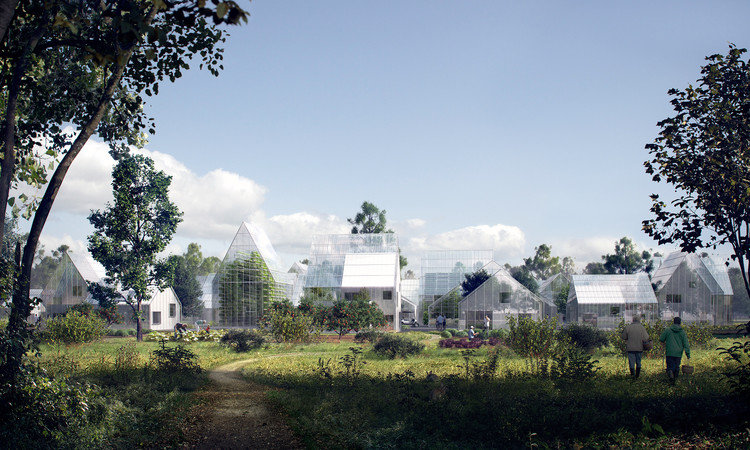
Innovative Self-Sustaining Village Model Could Be the Future of Semi-Urban Living

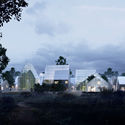
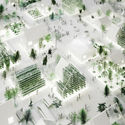
An innovative new housing model dubbed ReGen Villages (short for regenerative) has been developed in response to some of the world's most pressing environmental, social and economic issues. Helmed by Dutch holding firm ReGen Villages B.V. and Copenhagen-based architecture firm EFFEKT, the new model facilitates off-the-grid, self-sustaining communal neighborhoods that can be deployed across the globe. The first project site will be in Almere, the Netherlands, with work starting this year.
https://www.archdaily.com/794167/innovative-self-sustaining-village-model-could-be-the-future-of-semi-urban-livingLauren Crockett
Form4 Architecture's Sustainable "Sea Song" Wins Multiple Awards
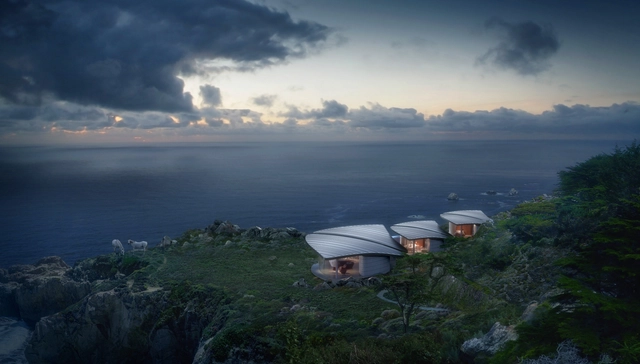
Form4 Architecture has won first place at the International Design Awards for its project, Sea Song, which additionally was honored by the Green Good Design Awards presented by The European Centre for Architecture, Art, Design, and Urban Studies, in collaboration with The Chicago Athenaeum’s Museum for Architecture and Design.
https://www.archdaily.com/794091/form4-architectures-sustainable-sea-song-wins-multiple-awardsSabrina Santos