1. ArchDaily
  2. Hamburg

Hamburg: The Latest Architecture and News

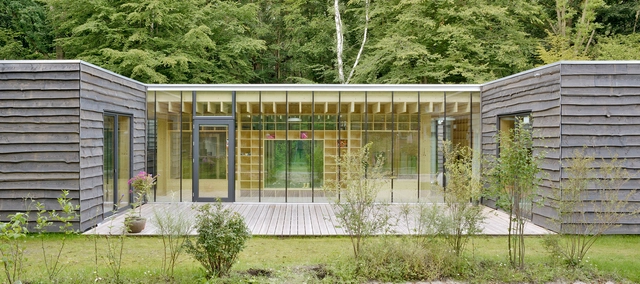
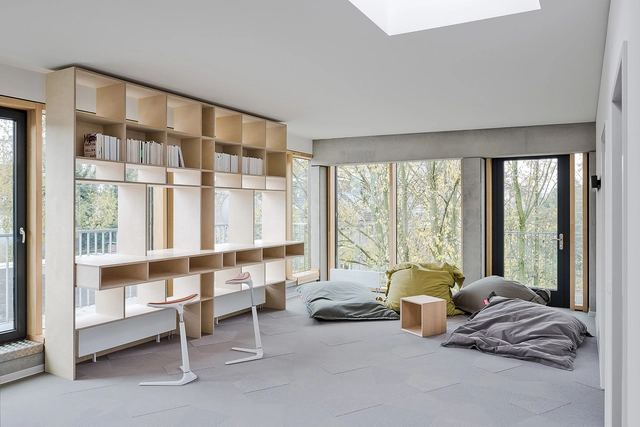
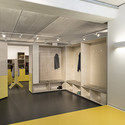
Kinderkrippe Nursery School / KRAUS SCHÖNBERG ARCHITEKTEN

Kinderkrippe Nursery School / KRAUS SCHÖNBERG ARCHITEKTEN - Day Care, FacadeKinderkrippe Nursery School / KRAUS SCHÖNBERG ARCHITEKTEN - Day Care, Garden, Door, ForestKinderkrippe Nursery School / KRAUS SCHÖNBERG ARCHITEKTEN - Day Care, FacadeKinderkrippe Nursery School / KRAUS SCHÖNBERG ARCHITEKTEN - Day Care, Beam, Facade, Door, Handrail, ColumnKinderkrippe Nursery School / KRAUS SCHÖNBERG ARCHITEKTEN - More Images+ 14

Hamburg, Germany

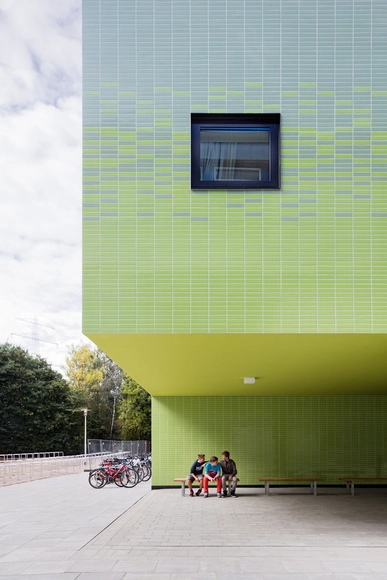
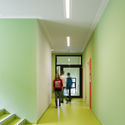
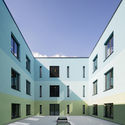
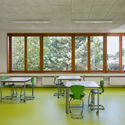
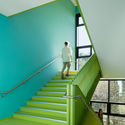
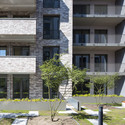
District School in Bergedorf / blrm Architekt*innen

District School in Bergedorf / blrm Architekt*innen - Schools District School in Bergedorf / blrm Architekt*innen - Schools District School in Bergedorf / blrm Architekt*innen - Schools District School in Bergedorf / blrm Architekt*innen - Schools District School in Bergedorf / blrm Architekt*innen - More Images+ 11

Hamburg, Germany
  • Area Area of this architecture project Area:  4543
  • Year Completion year of this architecture project Year:  2015
  • Manufacturers Brands with products used in this architecture project
    Manufacturers:  Sto, Sto ltd

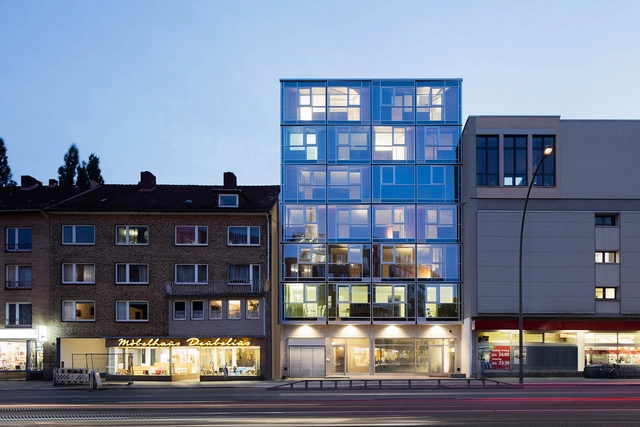
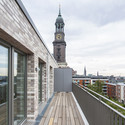
Residential and Office Building / blrm Architekt*innen

Residential and Office Building / blrm Architekt*innen - Office BuildingsResidential and Office Building / blrm Architekt*innen - Office BuildingsResidential and Office Building / blrm Architekt*innen - Office BuildingsResidential and Office Building / blrm Architekt*innen - Office BuildingsResidential and Office Building / blrm Architekt*innen - More Images+ 15

  • Area Area of this architecture project Area:  2123
  • Year Completion year of this architecture project Year:  2015

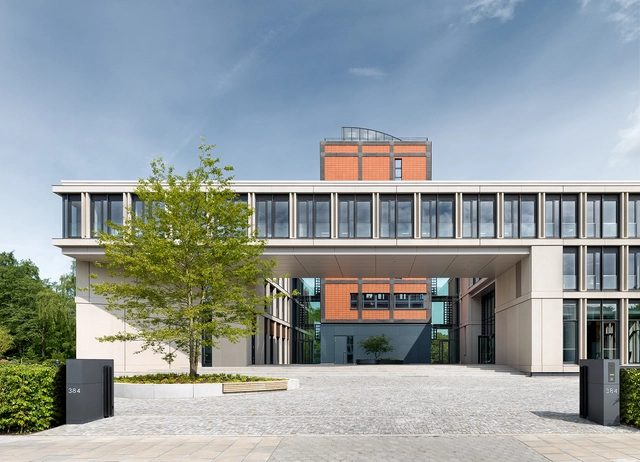
Center for Free-Electron Laser Science CFEL / Hammeskrause Architects

Center for Free-Electron Laser Science CFEL / Hammeskrause Architects - Institutional Buildings, Facade
© Werner Huthmacher

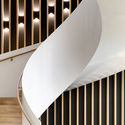
Center for Free-Electron Laser Science CFEL / Hammeskrause Architects - Institutional Buildings, FacadeCenter for Free-Electron Laser Science CFEL / Hammeskrause Architects - Institutional Buildings, Table, ChairCenter for Free-Electron Laser Science CFEL / Hammeskrause Architects - Institutional Buildings, Stairs, HandrailCenter for Free-Electron Laser Science CFEL / Hammeskrause Architects - Institutional Buildings, Facade, Stairs, ChairCenter for Free-Electron Laser Science CFEL / Hammeskrause Architects - More Images+ 7

Hamburg Hybrid Housing Competition Announces Winners

Ctrl+Space has announced the winners of their Hamburg Hybrid Housing Competition, which prompted participants to design a mixed-use residential building in the St. Pauli neighbourhood of Hamburg, Germany. Entries were expected to reflect on the typology of the mixed-use building, exploring the set of relationships present with the city, the public, the time of day and the different programmatic areas. See the three winners after the break.
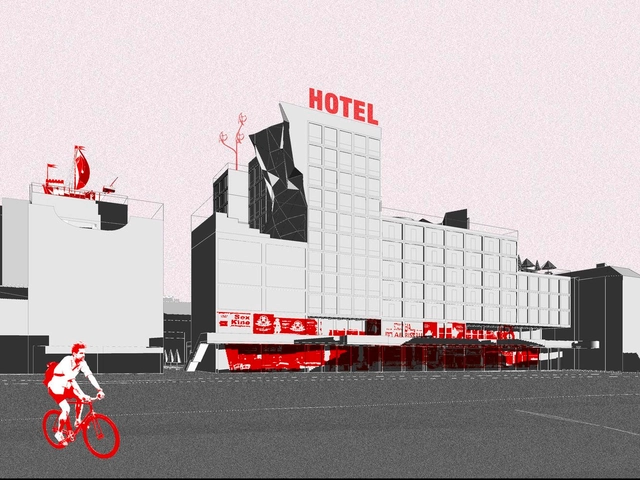
Why NL Architects + BeL's Winning Proposal for Hamburg's St. Pauli Won't Win You Over With Glossy Renders

After the Bolsheviks secured power in Russia in the late 1910s and eventually created the Soviet Union in 1922, one of the first orders of business was a new campaign, Novyi bit (new everyday life), which sought to advance many of the most hallowed causes of their newly minted socialism. The initiative’s great success came from the bold designs of Constructivist artists such as Alexander Rodchenko, Vladimir Mayakovsky, and Lyubov Popova. Using a high-contrast visual language and a combination of words and symbols, the graphics were arresting and comprehensible in a post-tsarist country that was largely illiterate, and became some of the most recognizable examples of twentieth century graphics and political propaganda.

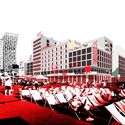
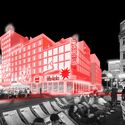
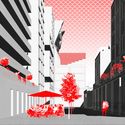
It's hard not to see the connection between the styles of the Constructivists and the unusual graphics created by NL Architects in association with BeL (Bernhardt und Leeser) Sozietät für Architektur BDA for their competition-winning proposal for Hamburg’s St. Pauli neighborhood, consisting of an urban plan of housing and other amenities at the former site of Esso Häuser on the Spielbudenplatz. And, while this stylistic connection may not have been intentionally drawn by the architects - the inspiration for the graphics is not mentioned in the four-page project description - it is oddly appropriate for this particular development.
Why NL Architects + BeL's Winning Proposal for Hamburg's St. Pauli Won't Win You Over With Glossy Renders - TableWhy NL Architects + BeL's Winning Proposal for Hamburg's St. Pauli Won't Win You Over With Glossy Renders - Facade, CityscapeWhy NL Architects + BeL's Winning Proposal for Hamburg's St. Pauli Won't Win You Over With Glossy Renders - Facade, CityscapeWhy NL Architects + BeL's Winning Proposal for Hamburg's St. Pauli Won't Win You Over With Glossy Renders - Facade, CityscapeWhy NL Architects + BeL's Winning Proposal for Hamburg's St. Pauli Won't Win You Over With Glossy Renders - More Images+ 16

Architecture Pavilion / gmp Architects

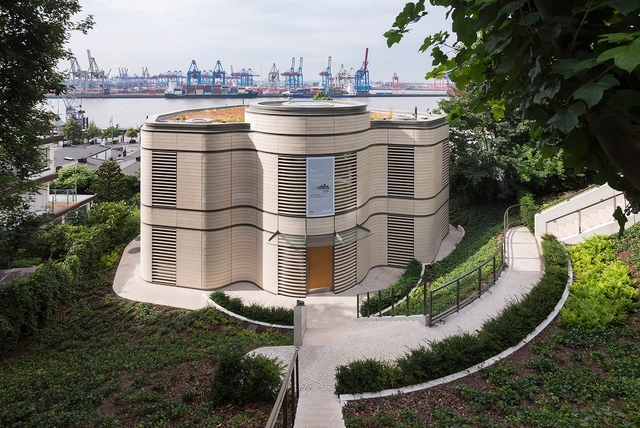
Architecture Pavilion / gmp Architects - Gallery, Deck, Table, ChairArchitecture Pavilion / gmp Architects - Gallery, Door, FacadeArchitecture Pavilion / gmp Architects - Gallery, Coast, CityscapeArchitecture Pavilion / gmp Architects - Gallery, FacadeArchitecture Pavilion / gmp Architects - More Images+ 8

  • Architects: gmp Architects
  • Year Completion year of this architecture project Year:  2015
  • Manufacturers Brands with products used in this architecture project
    Manufacturers:  MAGNA Glaskeramik

Monocle 24 Take a Trip to Rio de Janeiro's Near-Complete Olympic Village

For this week's edition of Section D, Monocle 24's weekly review of design, architecture and craft, the Monocle team take a trip to the near-complete Olympic Village in Rio de Janeiro, plus take a look at the history of the US Embassy in Havanna. The latest edition of The Urbanist explores etiquette and politeness in the metropolis, examining the unspoken rules of conduct that make our cities tick and delve into the psychology of 'urban etiquette'.

Listen to both episodes after the break.

Monocle 24 Take a Trip to Rio de Janeiro's Near-Complete Olympic Village - Image 2 of 4

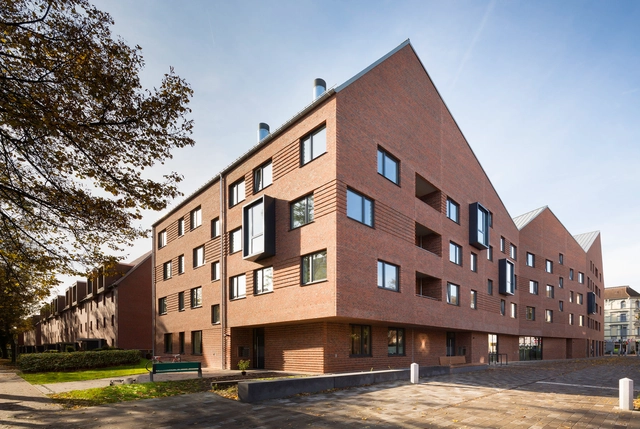
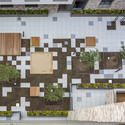
Quarter of Nations / Gerber Architekten

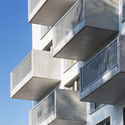
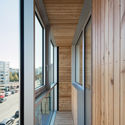
Quarter of Nations / Gerber Architekten - Apartments, FacadeQuarter of Nations / Gerber Architekten - Apartments, Facade, HandrailQuarter of Nations / Gerber Architekten - Apartments, Facade, DoorQuarter of Nations / Gerber Architekten - Apartments, Courtyard, FacadeQuarter of Nations / Gerber Architekten - More Images+ 14

Office Mindmatters / PARAT

Office Mindmatters  / PARAT - Interior DesignOffice Mindmatters  / PARAT - Interior DesignOffice Mindmatters  / PARAT - Interior DesignOffice Mindmatters  / PARAT - Interior DesignOffice Mindmatters  / PARAT - More Images+ 6

  • Architects: PARAT
  • Area Area of this architecture project Area:  360
  • Year Completion year of this architecture project Year:  2014

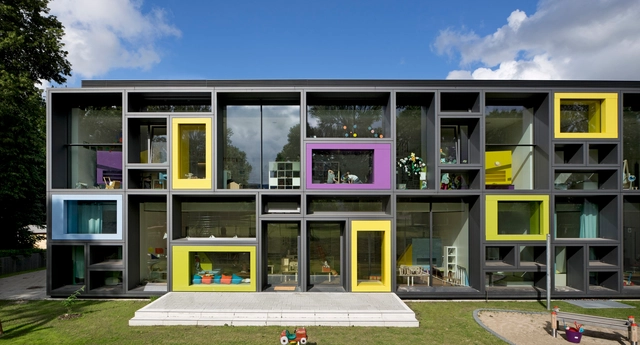
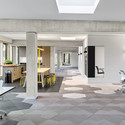
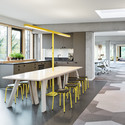
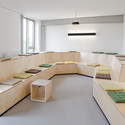
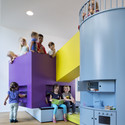
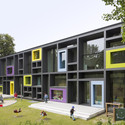
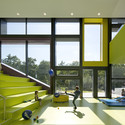
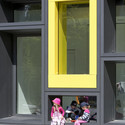
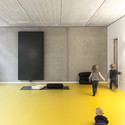
Beiersdorf Children’s Day Care Centre / Kadawittfeldarchitektur

Beiersdorf Children’s Day Care Centre / Kadawittfeldarchitektur - Day CareBeiersdorf Children’s Day Care Centre / Kadawittfeldarchitektur - Day Care, Facade, BenchBeiersdorf Children’s Day Care Centre / Kadawittfeldarchitektur - Day Care, Facade, Stairs, Handrail, Chair, TableBeiersdorf Children’s Day Care Centre / Kadawittfeldarchitektur - Day Care, Facade, Door, BenchBeiersdorf Children’s Day Care Centre / Kadawittfeldarchitektur - More Images+ 11

Hamburg, Germany
  • Architects: Kadawittfeldarchitektur
  • Area Area of this architecture project Area:  1750
  • Year Completion year of this architecture project Year:  2013

Video: Jan Wurm and Lukas Verlage Discuss Arup’s “Solarleaf”

In this video from Zumtobel Group, Jan Wurm of Arup Deutschland GmbH and Lukas Verlage, CEO of Colt International GmbH, discuss the unique technological developments in “Solarleaf,” which recently won first prize in the Zumtobel Group Award’s Applied Innovations category. In addition to functioning as an effective shading system, this façade system uses solar panels to produce energy from algae to provide a new source of sustainable energy.

Video: Jan Wurm and Lukas Verlage Discuss Arup’s “Solarleaf”  - Image 1 of 4

Kleinerdrei / PARAT

Kleinerdrei / PARAT - Interior Photography, StoreKleinerdrei / PARAT - StoreKleinerdrei / PARAT - Interior Photography, Store, ChairKleinerdrei / PARAT - StoreKleinerdrei / PARAT - More Images+ 9

Hamburg, Germany
  • Architects: PARAT
  • Area Area of this architecture project Area:  200
  • Year Completion year of this architecture project Year:  2014
  • Manufacturers Brands with products used in this architecture project
    Manufacturers:  Koskisen

Arup's Latest Solar Panels Produce Energy From Algae

Arup's Latest Solar Panels Produce Energy From Algae - Image 1 of 4
A view behind the BIQ House Solarleaf panels. Image via GOOD. Image

Architects have been experimenting with the potential of building envelopes for years. Now, Arup has an interesting, Zumtobel Group Award-nominated proposal: the Solarleaf bioreactor. Developed in collaboration with SSC Strategic Science Consult GmbH and Colt International GmbH, this thin, 2.5 x .07 meter panel, when attached to the exterior of a building, is capable of generating biofuel - in the form of algae - for the production of hot water. More efficient than electricity and more sustainable than wood, algae is ideal kindling for producing heat, especially since it can be grown on-site. Moreover, the water in which the algae grows also collects solar energy, providing an additional supply of heat. More details on this sustainable innovation, after the break.

Gerstäckerstreet / KBNK

Gerstäckerstreet / KBNK - Apartments, Facade
© Carsten Brügmann
Hamburg, Germany
  • Architects: KBNK
  • Area Area of this architecture project Area:  6450
  • Year Completion year of this architecture project Year:  2012

Gerstäckerstreet / KBNK - Apartments, FacadeGerstäckerstreet / KBNK - Apartments, Courtyard, FacadeGerstäckerstreet / KBNK - Apartments, Facade, Handrail, Fence, Door, Balcony, CityscapeGerstäckerstreet / KBNK - Apartments, FacadeGerstäckerstreet / KBNK - More Images+ 5

Superbude 2 / Dreimeta

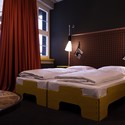
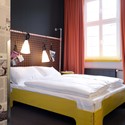
Superbude 2 / Dreimeta - Interior DesignSuperbude 2 / Dreimeta - Interior DesignSuperbude 2 / Dreimeta - Interior Design, Bedroom, Lighting, Bed, TableSuperbude 2 / Dreimeta - Interior Design, Bedroom, BedSuperbude 2 / Dreimeta - More Images+ 20

  • Architects: Dreimeta
  • Year Completion year of this architecture project Year:  2012

Case Studies in Coastal Vulnerability: Boston, Seoul, Hamburg, Bangladesh & New York

Subscriber Access | 

This article originally appeared in the latest issue of ArchitectureBoston as “Troubled Waters."

The challenges of sea-level rise cross boundaries of all sorts: geographic, political, social, economic. Proposed mitigation strategies will also necessarily shift and overlap. Here, we present five case studies from across the globe that offer intriguing ways—some operational, some philosophical—to address the threats associated with climate change. Drawing on a research initiative focused on vulnerabilities in Boston, a team at Sasaki Associates developed these additional design-strategy icons to illustrate the layered approaches. They are adaptable, the better to meet the unique demands of each coastal community.

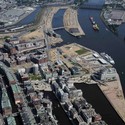
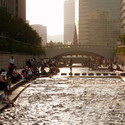
Case Studies in Coastal Vulnerability: Boston, Seoul, Hamburg, Bangladesh & New York - Image 1 of 4Case Studies in Coastal Vulnerability: Boston, Seoul, Hamburg, Bangladesh & New York - Image 2 of 4Case Studies in Coastal Vulnerability: Boston, Seoul, Hamburg, Bangladesh & New York - Image 3 of 4Case Studies in Coastal Vulnerability: Boston, Seoul, Hamburg, Bangladesh & New York - Image 4 of 4Case Studies in Coastal Vulnerability: Boston, Seoul, Hamburg, Bangladesh & New York - More Images+ 6

Hamburg's Plan to Eliminate Cars in 20 Years

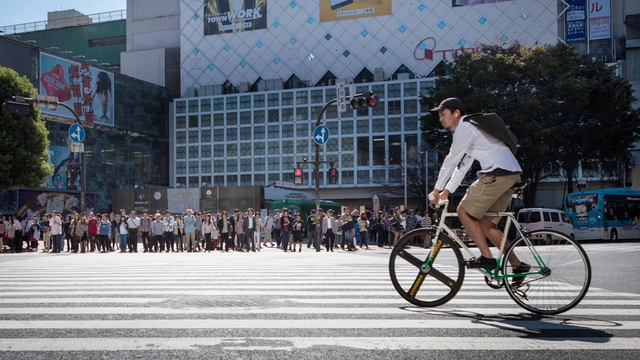
About 40% of the area of Hamburg, the second largest city in Germany, is made up of green areas, cemeteries, sports facilities, gardens, parks and squares. For the first time ever, the city has decided to unite them together via pedestrian and cycle routes. It's all part of the "Green Network Plan," which aims to eliminate the need for vehicles in Hamburg over the next 20 years.
According to city spokeswoman Angelika Fritsch, the project will help to turn the city into a one-of-a-kind, integrated system: "Other cities, including London, have green rings, but the green network will be unique in covering an area from the outskirts to the city centre. In 15 to 20 years you'll be able to explore the city exclusively on bike and foot."

More details, after the break.