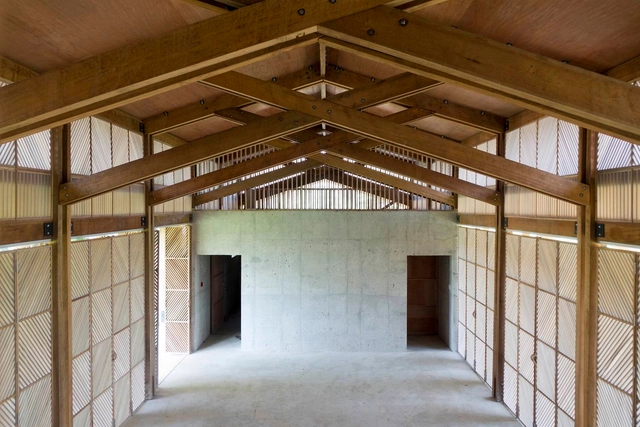
Emergencies include a variety of contemporary scenarios ranging from natural disasters to extreme poverty or isolation due to social and political conflicts. In all cases, the disruption of normality and the requirement of basic needs for maintaining a decent quality of life become the basis for finding quick and efficient alternatives to respond to this type of urgency.
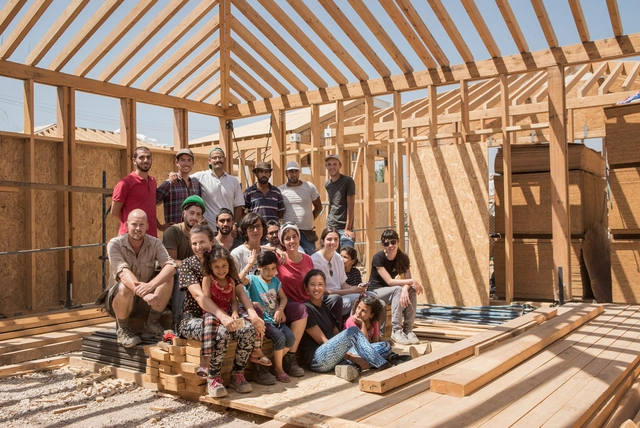
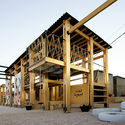
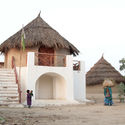
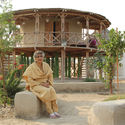
Architecture can be a tool for social change, and the belief in this statement is what motivates the work of many architectural NGOs who strive to address the lack of adequate shelter, generate social and economic change and build resilience in communities. These NGOs operate in two major areas, disaster relief and community development, with many organisations pursuing both types of actions. This article rounds-up several architecture-related foundations that act in emergencies, covering their expertise, past involvement in humanitarian crises, as well as the means to join them in their efforts.
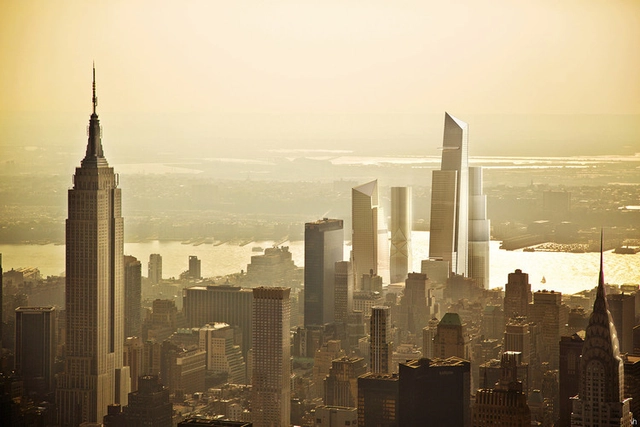
New York City is the pinnacle hybrid between the vibrant and granular neighborhoods that Jane Jacobs once envisioned and the sweeping urban innovations of Robert Moses. However, its diverse population has experienced hardship over the last twenty years, forcing the city into a recursive wave of self-reflection to reevaluate the urban strategies, design trends, and global transportation methods that it had grown so accustomed to. After the September 11th and Hurricane Sandy tragedies, the delicate balance between promoting a sense of individual culture and the strength in unity that New Yorkers are so often known for served as the lifeblood for revitalization. New York City has consistently handled adversity, by always rethinking, redesigning, and rebuilding this city for a better future.
Architecture can ground both healing and wellness. Whether mitigating and reducing the transmission of disease, or simply providing a tranquil space for solace, the buildings of our daily lives directly shape our experience. In the case of emergency architecture, spaces are built to address issues of health and shelter. As architects continue to rethink designs for housing and basic human needs, they've also extended their focus to mental, physical and spiritual well-being.
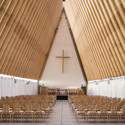
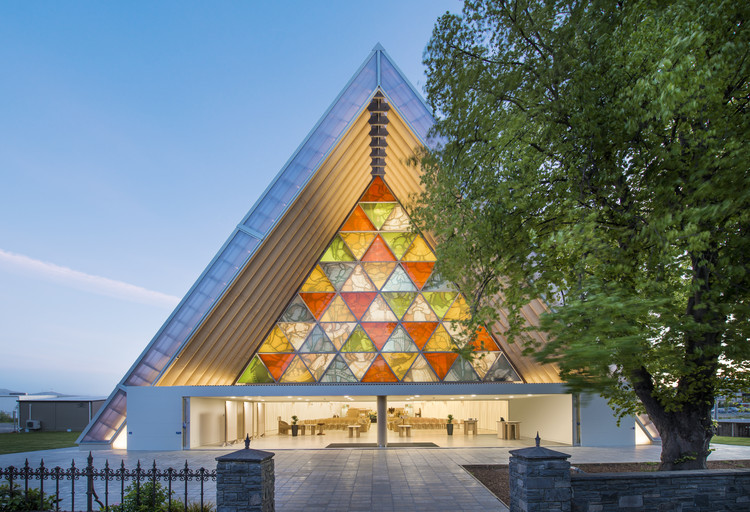
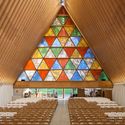
2014 Pritzker Laureate Shigeru Ban may be as well known for his innovative use of materials as for his compassionate approach to design. For a little over three decades, Ban, the founder of the Voluntary Architects Network, has applied his extensive knowledge of recyclable materials, particularly paper and cardboard, to constructing high-quality, low-cost shelters for victims of disaster across the world —from Rwanda to Haiti, to Turkey, Japan, and more. We've rounded up 10 projects of his humanitarian work, explained by Shigeru Ban Architects themselves.
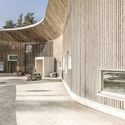
Jarahieh Refugee School. Image Courtesy of CatalyticAction
For the past few months, the architecture community has been trying to bring its contribution to the fight against the pandemic. The global spread of this crisis might have triggered a coordinated, and thus a more visible effort, but this isn’t the first time professionals step up in crises. Over the years, natural disasters and emergencies have determined several architects to get involved in disaster relief initiatives, as well as a wide range of humanitarian actions. In this article, we take a look at different occasions various architects and practices made a significant contribution to, helping affected communities overcome hardship.


.jpg?1588864578)