1. ArchDaily
  2. Composite Fibre

Composite Fibre: The Latest Architecture and News

Lighter and Stronger, Composites Are Changing How We Build

 | In Collaboration

The practice of combining materials to achieve better performance has accompanied humanity since the earliest constructions. One of the first known examples emerged over five thousand years ago, when civilizations in Mesopotamia and Egypt mixed mud and straw to mold sun-dried adobe bricks. Light and fibrous, straw prevented cracking and increased strength, while mud acted as a binder and protection. This simple yet ingenious invention can be considered the first composite in history, illustrating the ancestral intuition that distinct materials, when combined, can become something stronger and better.
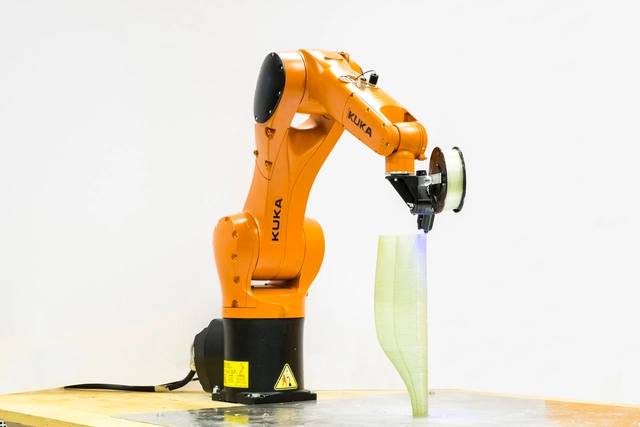
This 6-Axis Robot Arm Can 3D Print Fiberglass Composites

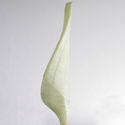
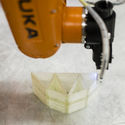
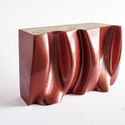
A team of architects and engineers at the Politecnico di Milano in Italy have unveiled Atropos, a six-axis robotic arm capable of printing continuous fiber composites. The one of a kind robot was developed by +Lab, the 3D printing laboratory at the Politecnico, who have taken inspiration from fibres found in the natural world. Through a technology known as Continuous Fiber Composites Smart Manufacturing, Atropos has the potential to create large, complex structures to aid the design and construction process.

This 6-Axis Robot Arm Can 3D Print Fiberglass Composites - Image 1 of 4This 6-Axis Robot Arm Can 3D Print Fiberglass Composites - Image 2 of 4This 6-Axis Robot Arm Can 3D Print Fiberglass Composites - Image 3 of 4This 6-Axis Robot Arm Can 3D Print Fiberglass Composites - Image 4 of 4This 6-Axis Robot Arm Can 3D Print Fiberglass Composites - More Images+ 11

Six Essential Materials & The Architects That Love Them

Subscriber Access | 

In case you missed it, we’re re-publishing this popular post for your material pleasure. Enjoy!

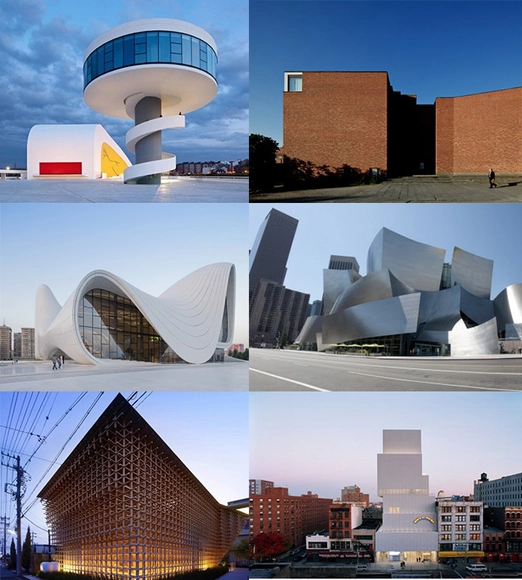
To celebrate the recent launch of our US product catalog, ArchDaily Materials, we've coupled six iconic architects with what we deem to be their favourite or most frequently used material. From Oscar Neimeyer's sinuous use of concrete to Kengo Kuma's innovative use of wood, which materials define some of the world's best known architects?