
Colombes: The Latest Architecture and News
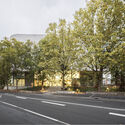
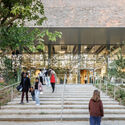
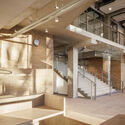
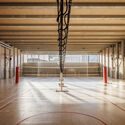
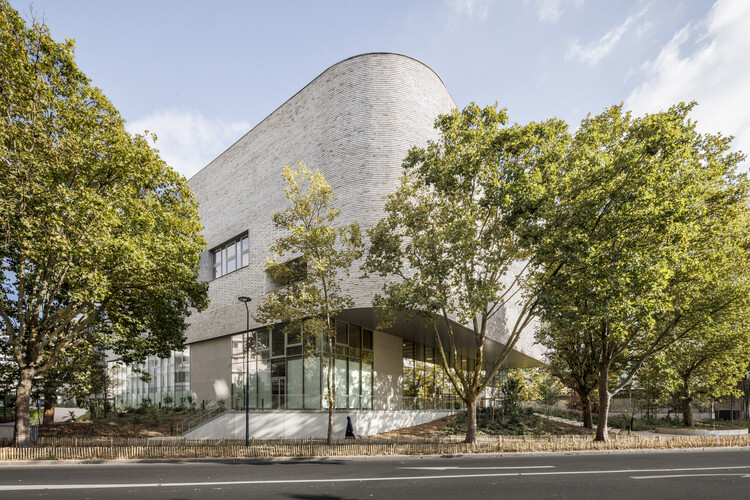
Marie-José Pérec Sports Complex / ANMA
https://www.archdaily.com/1039093/marie-jose-perec-sports-complex-anmaHadir Al Koshta
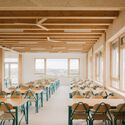
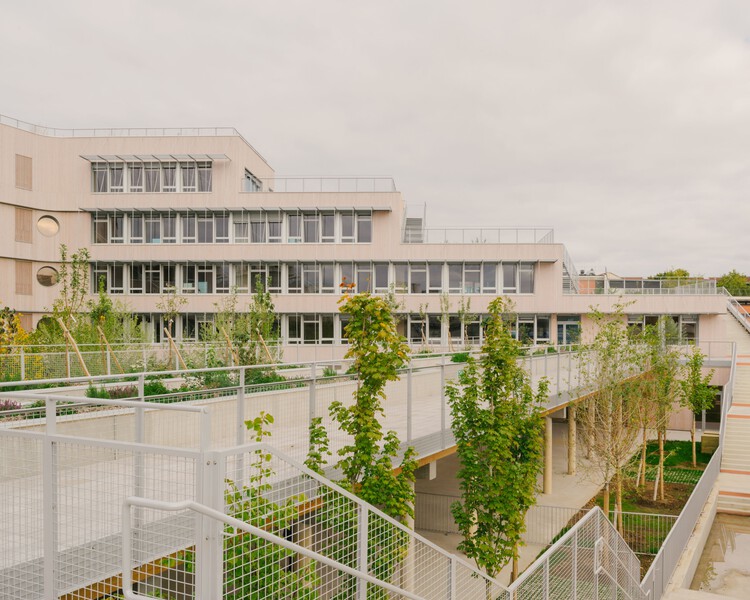
Dominique Frelaut School Group / Tectoniques

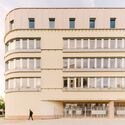
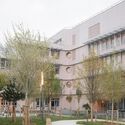
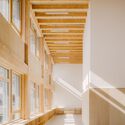
-
Architects: Tectoniques
- Area: 5180 m²
- Year: 2025
-
Professionals: Eco Urbain for the city of Colombes, Altitude 35, Biodiversita, Tectoniques Ingénieurs, eEgenie, +4
https://www.archdaily.com/1038206/dominique-frelaut-school-group-tectoniquesPilar Caballero
Over 100 Years of Olympic Heritage: What Became of the 1924 Paris Olympic Venues?
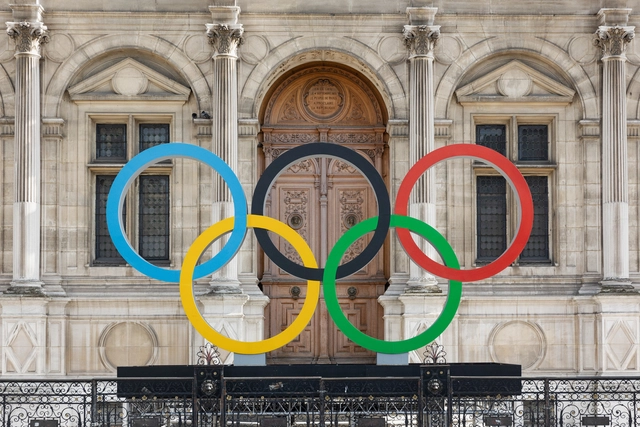
The recent history of the city of Paris is entangled with that of the Olympic Games. In 1900, Paris hosted the second edition of the Games, starting a journey of urban adaptations and architectural developments that prepared the city for the event. Among the most important changes was the introduction of Line 1 of the metro, inaugurated in 1900 to link the locations of the Universal Exhibition with those of the Olympic Games in Vincennes. Just 24 years later, the city hosted one of the most influential editions of the Olympic Games. The event, the first to be broadcasted on the airwaves, contributed to a substantial rise in the popularity of the Games. It was also during this edition that the concept of the Olympic Village was born. Several of the infrastructures and venues built over a century ago are still in use in Paris, with some of them returning now as hosts of Olympic events.


https://www.archdaily.com/1017665/over-100-years-of-olympic-heritage-what-became-of-the-1924-paris-olympic-venuesMaria-Cristina Florian
Yves du Manoir Stadium / OLGGA architectes


https://www.archdaily.com/1015909/yves-du-manoir-stadium-olgga-architectesPaula Pintos
Beautiful, Functional, and Romantic: Spiral Staircases in Paris
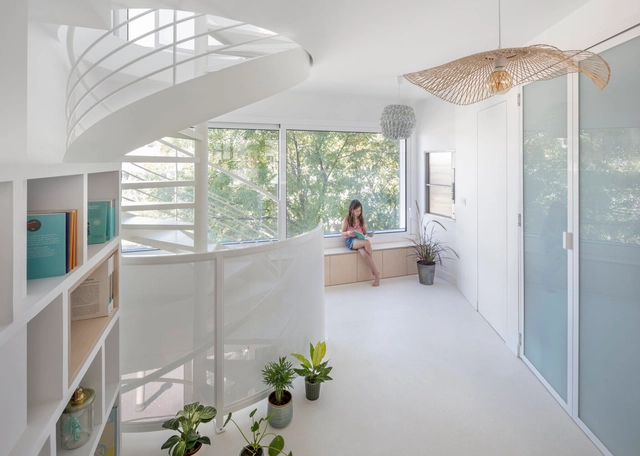
Whether rising to the highest room of the tallest tower in a Disney-esque castle, giving an admirer the chance to confess their love on an apartment building fire escape, or connecting a basement or attic room with a decorative period feature, there’s something unavoidably romantic about spiral staircases. But there’s more function behind these coiling forms than just their good looks.
One common-held theory is that spiral staircases were first installed in historic castles as vertical baffles, tiring out enemy infiltrators before they could make it to the top. This is why – it is said – many are set to turn clockwise on the ascent, so attackers have a smaller arc for swinging weapons (mostly held in right hands) than defenders making their descent.


https://www.archdaily.com/1015600/beautiful-functional-and-romantic-spiral-staircases-in-parisJames Wormald
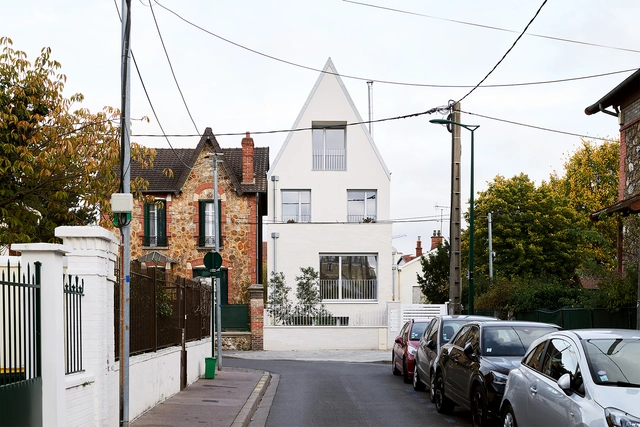
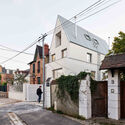
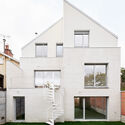
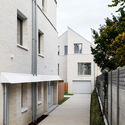
3 Houses / NOVO architectures


-
Architects: NOVO architectures
- Area: 400 m²
- Year: 2022
-
Manufacturers: Wienerberger
https://www.archdaily.com/999839/3-houses-novo-architecturesAndreas Luco
Media Library in Colombes / Brenac & Gonzalez & Associés


-
Architects: Brenac & Gonzalez & Associés
- Area: 3060 m²
- Year: 2020
https://www.archdaily.com/958905/media-library-in-colombes-brenac-and-gonzalez-and-associesValeria Silva
Courbes Residential Building / Christophe Rousselle Architecte
_Fernando_Guerra_006.jpg?1585858178&format=webp&width=640&height=580)
_Takuji_Shimmura_24.jpg?1585855053 "© Takuji Shimmura")
_Takuji_Shimmura_26.jpg?1585855190 "© Takuji Shimmura")
_Takuji_Shimmura_22.jpg?1585854824 "© Takuji Shimmura")
_Takuji_Shimmura_18.jpg?1585854638 "© Takuji Shimmura")
_Fernando_Guerra_006.jpg?1585858178)
-
Architects: Christophe Rousselle Architecte
- Area: 9071 m²
- Year: 2019
https://www.archdaily.com/936864/courbes-residential-building-christophe-rousselle-architecteAndreas Luco
3 Pavilions Along the Seine River / h2o architectes

-
Architects: h2o architectes
- Area: 120 m²
- Year: 2017
https://www.archdaily.com/897296/3-pavilions-along-the-seine-river-h2o-architectesRayen Sagredo
Simone Veil’s group of schools in Colombes / Dominique Coulon & associés
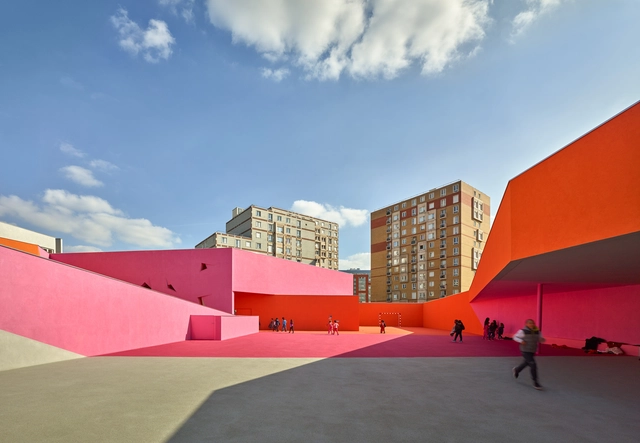

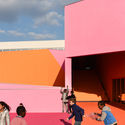

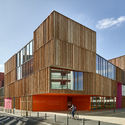

-
Architects: Dominique Coulon & associés
- Area: 7600 m²
- Year: 2015
-
Manufacturers: Hunsinger, Millet, PRODESIGN, REZZA, SEE SIMEONI, +2
-
Professionals: Batiserf, BET G.Jost, E3 Economie, Euro Sound Project, Defacto, +2
https://www.archdaily.com/792502/simone-veil-group-of-schools-in-colombes-dominique-coulon-and-associesDaniela Cardenas