



-
Architects: Boyd Architects
- Area: 2300 ft²
- Year: 2025
-
Manufacturers: Fisher & Paykel, Emtek, Phylrich
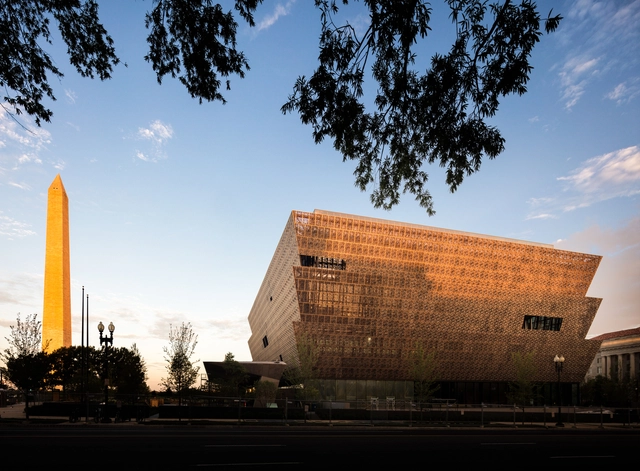
Juneteenth, observed annually on June 19th, commemorates the emancipation of enslaved African Americans in the United States, marking a moment of liberation and reflection on a complex and often overlooked history. Originally celebrated in Texas, Juneteenth has grown to symbolize broader themes of freedom, resilience, and cultural identity, fostering conversations about justice and representation. This day also presents an opportunity to highlight the ways in which architecture can serve as a medium for preserving and presenting African American history and cultural values.
Architecture, beyond its functional and aesthetic qualities, can reflect and collect narratives, values, and hidden histories, giving a tangible and visual presence to communities often underrepresented in cityscapes. Buildings dedicated to African American history and culture become physical landmarks that anchor these stories within the daily life of cities. They serve as places of learning, reflection, and celebration, creating meaningful spaces that engage the public and foster a sense of communal identity.

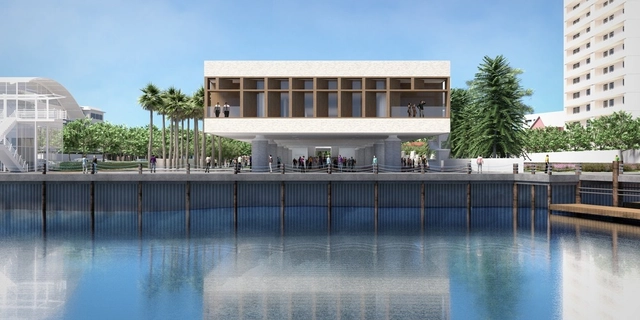
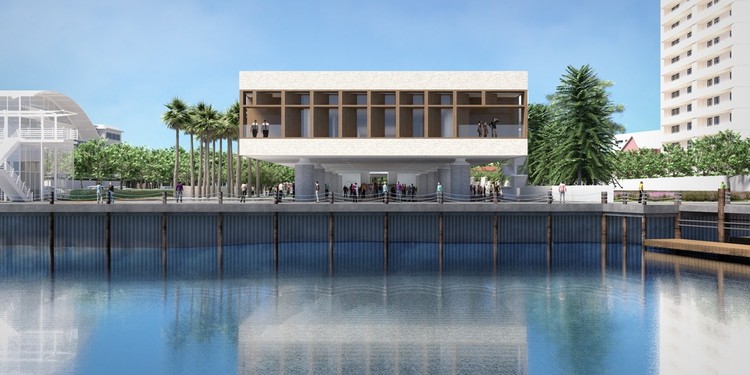
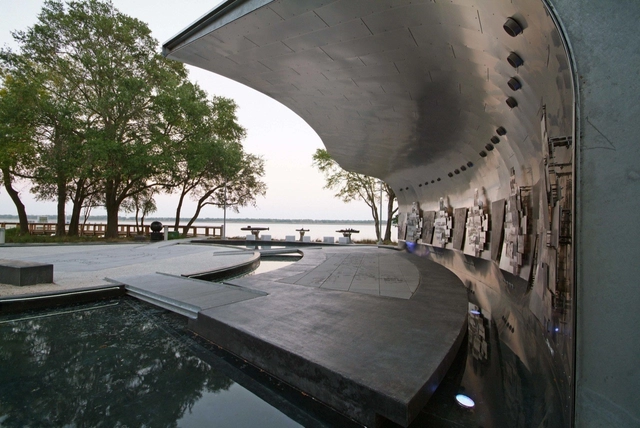
After 20 years in the planning, the International African American Museum is now under construction in Charleston, United States. Designed by Pei Cobb Freed & Partners, IAAM aims to honor the site where enslaved Africans passed away, by sharing narratives, previously overlooked by historians.
“What makes a livable city is the place where the resident—the occupant—feels in charge. So, for a child, a neighborhood that’s child-friendly. Or for citizens, a place that is physically beautiful, and handsome, and nourishing, and inspirational—a place where there is [a] substantial [amount] of public realm.”
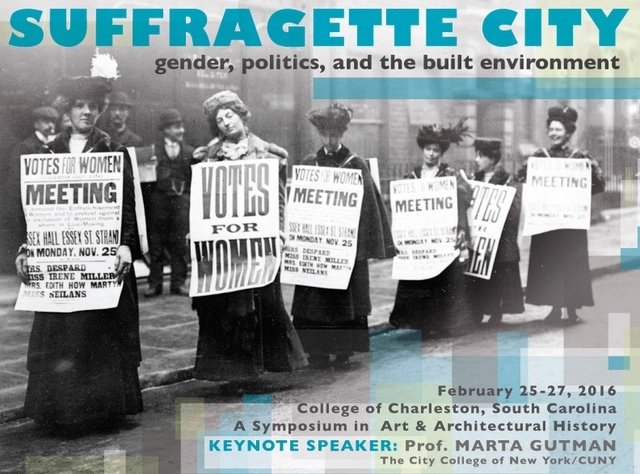
The College of Charleston is now accepting abstracts for its upcoming symposium Suffragette City: Gender, Politics, and the Built Environment. Exploring the convergence of these topics throughout history, the interdisciplinary event aims to inspire new research that examines how both past and present efforts have challenged customary gender roles and impacted the physical, social, and conceptual identities of cities. The deadline for paper proposals, which must be 300 words or fewer, is July 1, 2015. For more information or to submit a topic, visit arthistory.cofc.edu.