In cities across the United States, an address is more than just a street name or a building number- but a brand that translates directly into a symbol of wealth and prestige. Take the tallest residential tower in the country, 432 Park Avenue in New York City, which doesn't actually sit quite on park avenue. Instead, it’s neighboring lot to the east sits on Park Avenue, and this mega structure actually faces 56th avenue- a significantly less iconic street. However, this inflated valuation doesn’t happen everywhere. Cities in other countries don't place the same weight on an address and refer to buildings or locations as landmarks or by their appearances, which doesn't force a high monetary value based on an address or a marketing scheme alone. How do places in the world differ in how they brand buildings and streets in cities, and what does that tell us about their urban culture?
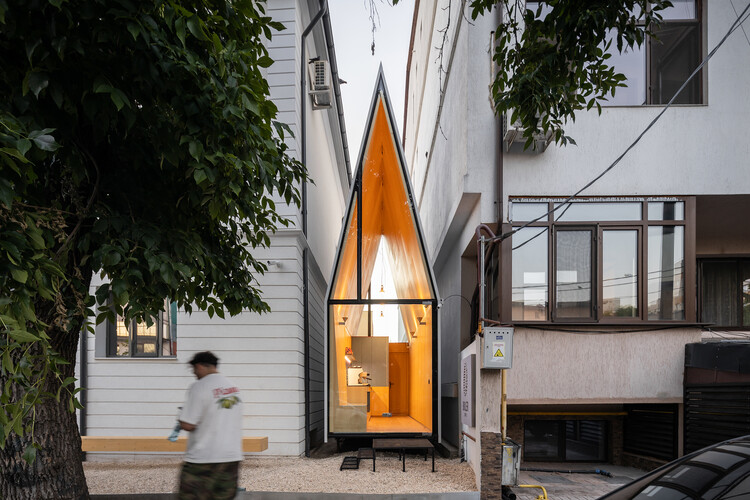
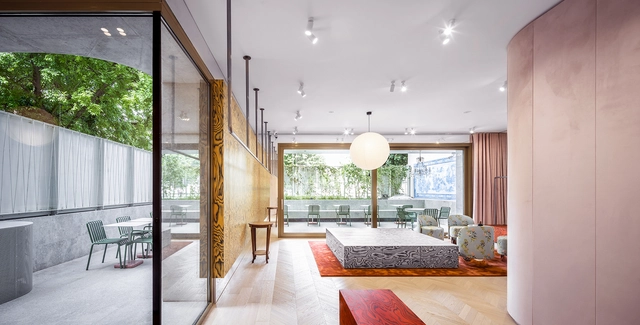
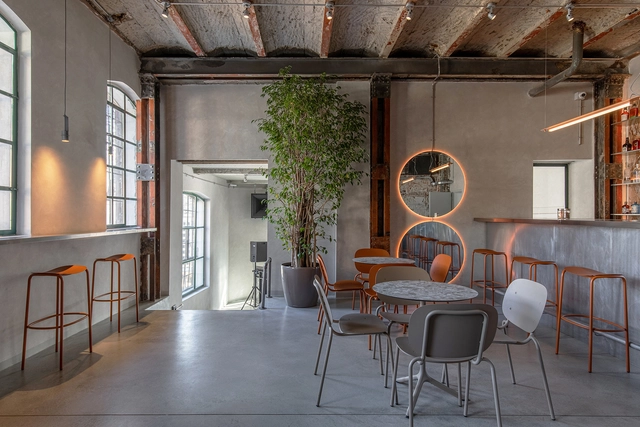
Romania's modern architecture merges global perspectives with local traditions. From pre-modern styles to post-revolution work that began in the early 90s, the country's built environment is incredibly diverse. From cities like Bucharest to Cluj-Napoca and Timișoara, modern projects are being designed between historic structures.
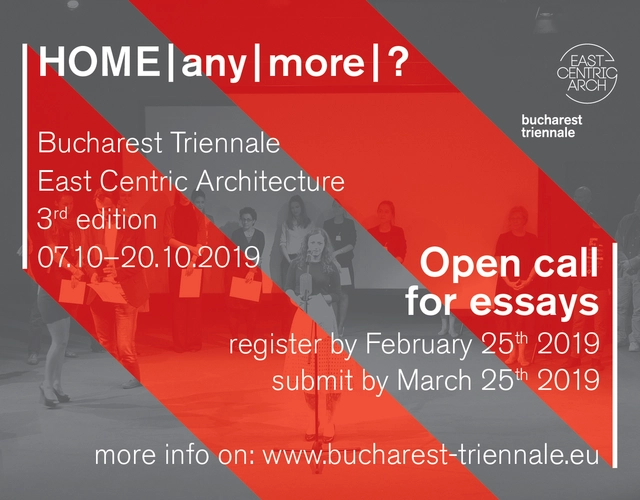
For more than 20 years, The Arhitext Design Foundation has been developing editorial and cultural projects that raise awareness of the national and international state of architecture, urbanism, design and visual arts. The most important projects of the Foundation are the Arhitext Magazine and the Bucharest Triennale, dedicated to the Central and Eastern European region. In October 2019, the Foundation, in partnership with the Romanian Order of Architects and the "Ion Mincu" University of Architecture and Urbanism will organize the third edition of the Bucharest Triennale East Centric Architecture. The main topic of this edition, HOME|any|more|?, proposes an interrogative approach
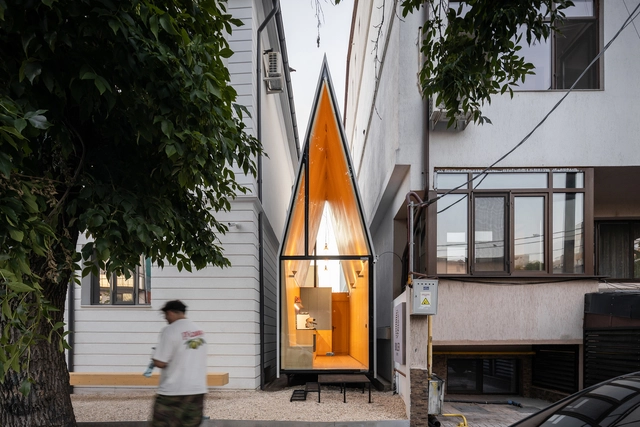
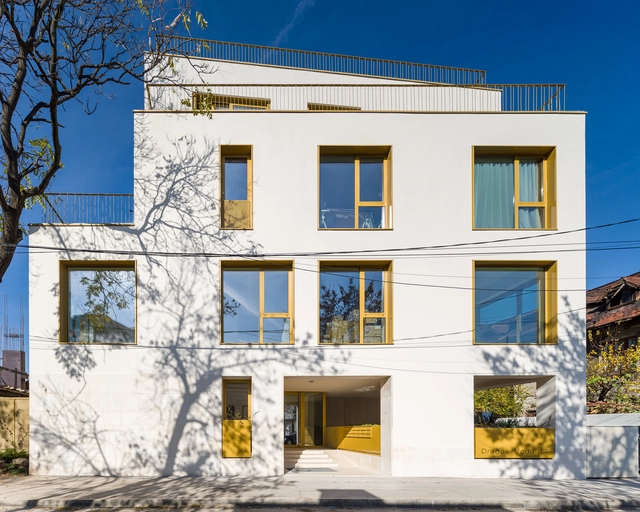
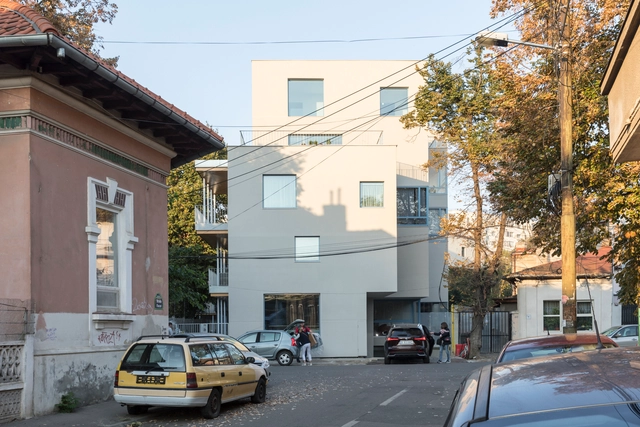
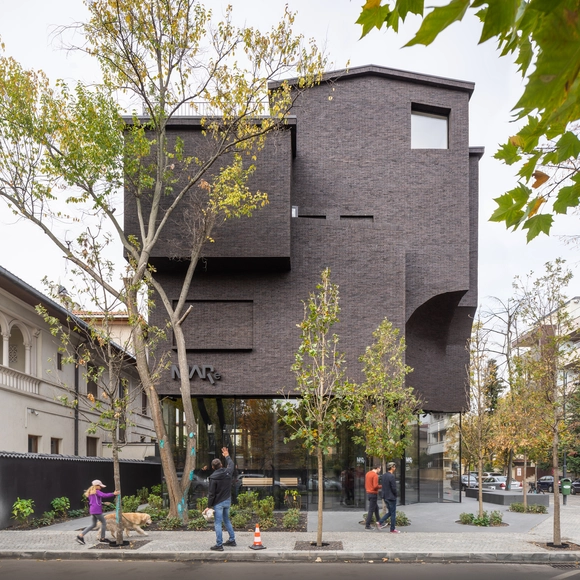
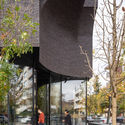
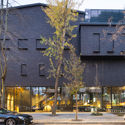
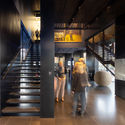
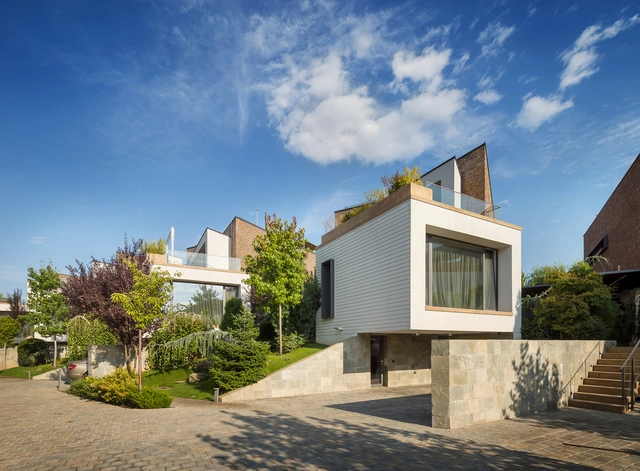
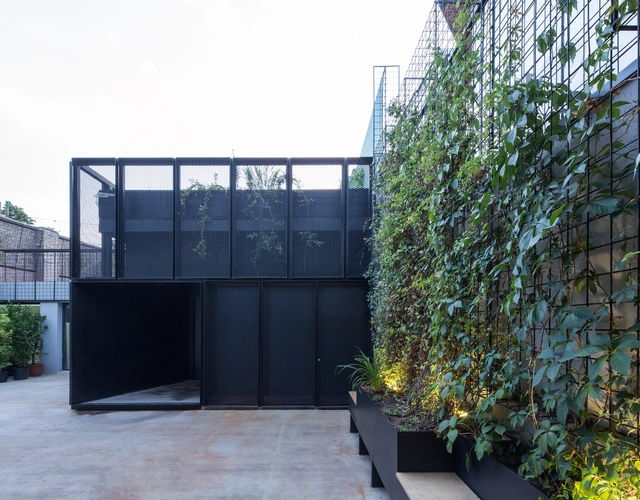
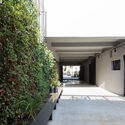
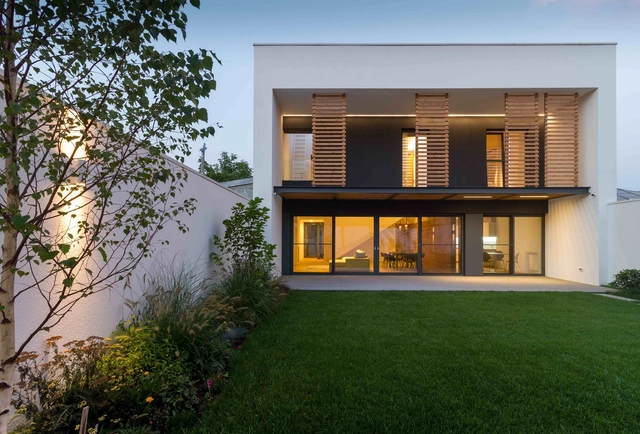
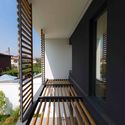
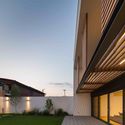
Occidentului Street is fairly typical for Bucharest - a combination of villas, wagon-houses, inter and post-war structures. ADN BA's Occidentului 40, recognized in the EU Mies Prize's 2019 shortlist, is a masterclass in architectural detail and subtlety. The volume is composed of blocks, each responding to the heights and rhythms of the surrounding context.
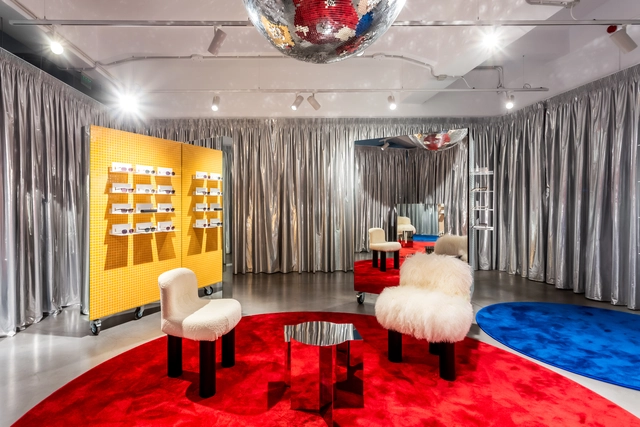
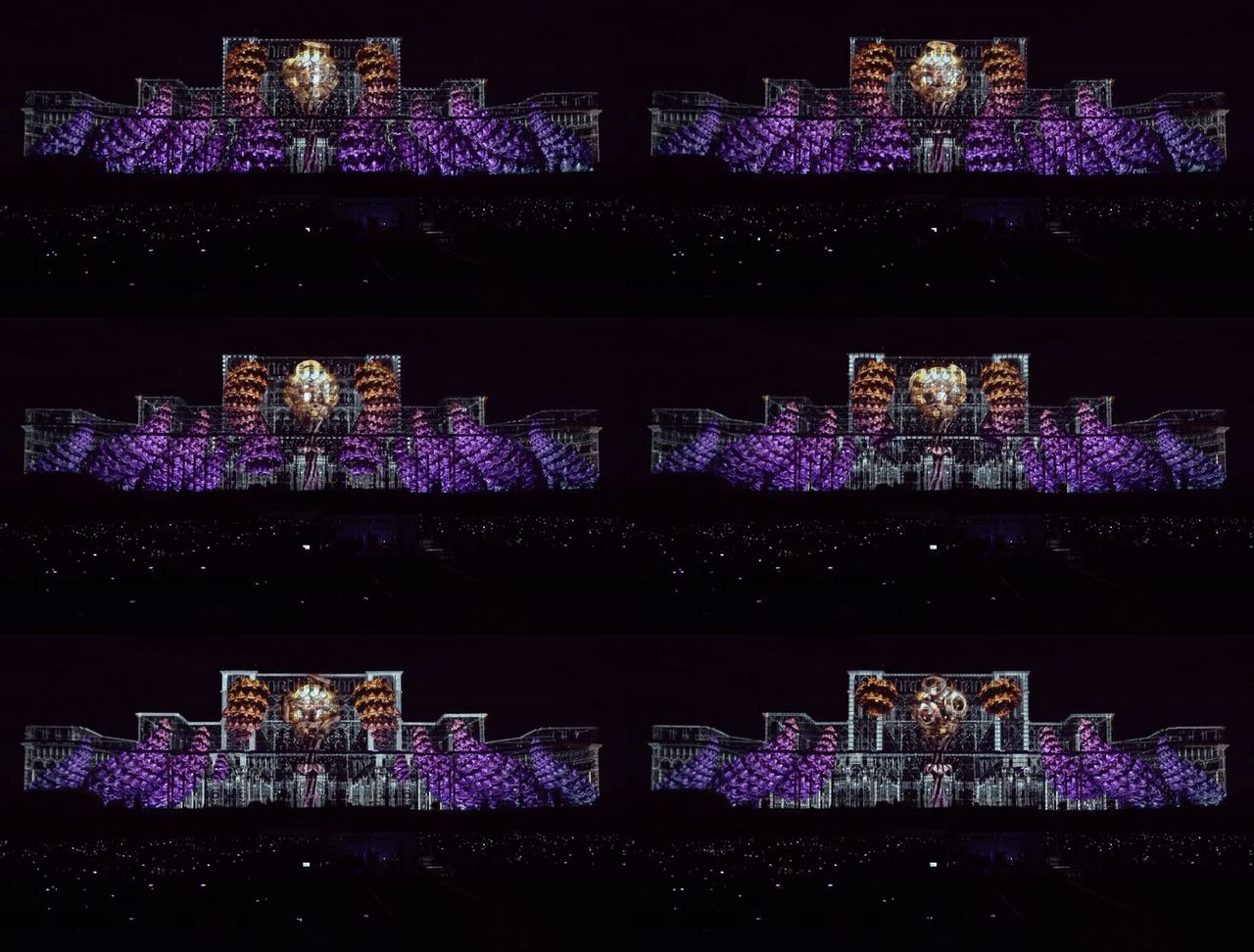
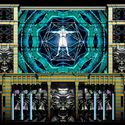
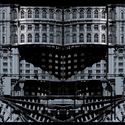
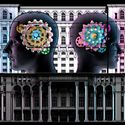
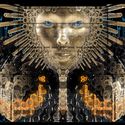
Installation art collective Limelight has transformed the Parliament Building of Romania into a eye-popping, psychedelic light show for the iMapp Bucharest International Video Mapping Competition. Titled “Interconnection,” the video utilized projection mapping (also known as spatial augmented reality) techniques to render the world’s third largest building in a blaze of shape-shifting, technicolor graphics and animations. Taking home top honors at the event, the projection required the use of 104 video projectors to cast the 23,000 square meter surface of the Parliament’s front facade in over 1 million ANSI lumens.

According to its creators, “the projection mapping shows the interconnectedness of all things from micro to macro as well as the outer and the inner universe. Conjuring emotions and feelings, the amazing display of color, light and sound aims to reopen the dialogue between the internal and the external, through a cinematic journey from the state of separation to the state of eternal openness.”
Check out animation stills and the full video performance after the break.
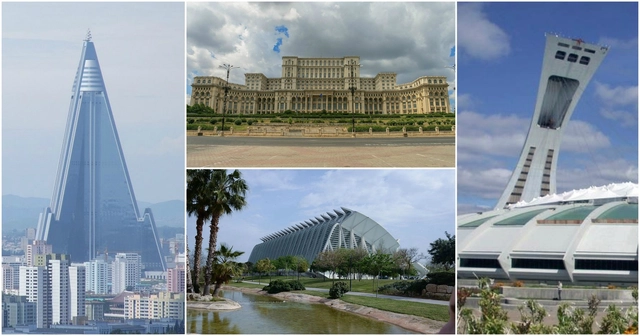
Not every piece of architecture can be an economic and social success. But there is one dreaded term reserved for only the mot wasteful of projects: "white elephants." The term comes from a story of the kings of Siam, now Thailand, who would reportedly gift sacred albino elephants to courtiers they didn't like. Refusing the gift from the king would have been unacceptable, but being sacred, these animals were forbidden from work, leading the courtier to financial ruin—a fact the kings knew all too well.
Of course, in architecture the term "white elephant" is used frequently to disparage certain projects, and whether a project is deserving of such infamy is usually a matter of perspective. Often eyesores or reminders of poorly spent funds, these projects refuse to be forgotten despite few wanting to remember them. Dotted around the world and across history, they all have the same thing in common: although they may (or may not) have once looked good on paper, they probably should have just stayed on paper.
On Tuesday, January 26, Arhitext Design Foundation launched the second edition of East Centric Architecture Triennale, which will take place in Bucharest between September 15 and October 9, 2016. The theme of this year's edition is Drifting. The Triennale features three modules – Drifting Architecture (thematic projects exhibition), Critical Discourses (essay contest), and Arhitext East Centric Awards (projects contest) – and a special project named Agora Experiments (a workshop based on an international idea contest and multimedia exhibition).