

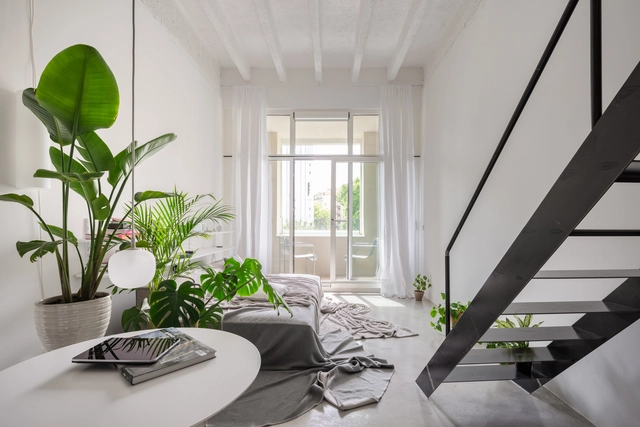
Bratislava: The Latest Architecture and News
Next to the Blue Church / Kilo / Honc


https://www.archdaily.com/963378/next-to-the-blue-church-kilo-honcAndreas Luco
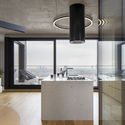
Roličky Houses / cakov+partners
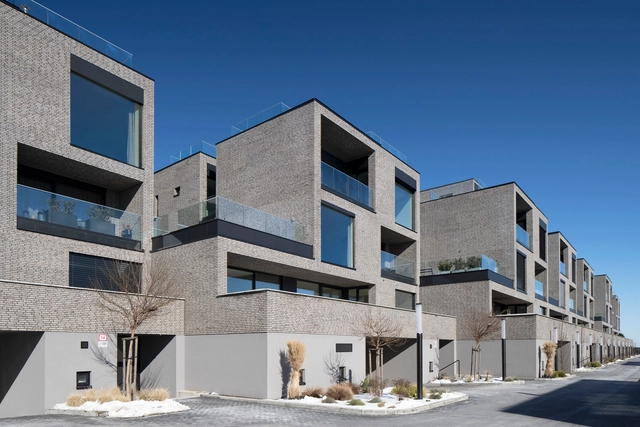

-
Architects: cakov+partners
- Area: 9080 m²
- Year: 2019
-
Manufacturers: Reynaers Aluminium, Sto, Rustique
https://www.archdaily.com/959679/rolicky-houses-cakov-plus-partnersPaula Pintos
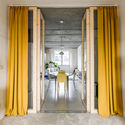
Flat IO / alanprekop




-
Architects: alanprekop
- Area: 72 m²
- Year: 2020
-
Manufacturers: HAY, Muuto
https://www.archdaily.com/952874/flat-io-alanprekopValeria Silva
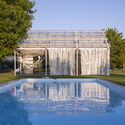
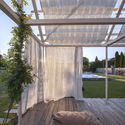
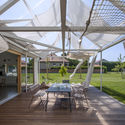
Summer House / totalstudio



-
Architects: totalstudio
- Area: 100 m²
- Year: 2020
-
Manufacturers: DEKMETAL, Janosik Okna
https://www.archdaily.com/950191/summer-house-totalstudioValeria Silva
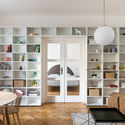
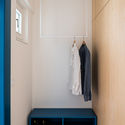
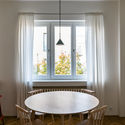
H Apartment / Grau Architects



-
Architects: Grau Architects
- Area: 20 m²
- Year: 2019
https://www.archdaily.com/946022/h-apartment-grau-architectsAndreas Luco
KCAP and CITYFÖRSTER Design New Cultural Destination for Bratislava, Slovakia
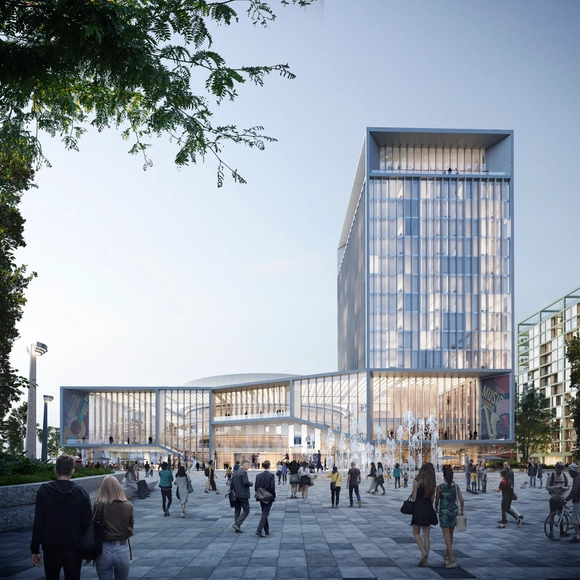
Bratislava’s existing Istropolis culture and congress center will be replaced by a new cultural destination designed by KCAP and Cityförster. Creating a multifunctional cultural and social center, with a state-of-the-art concert and congress venue, the intervention will also transform the surrounding area into a modern open neighborhood comprising green and public areas.



https://www.archdaily.com/943958/kcap-and-cityforster-design-new-cultural-destination-for-bratislava-slovakiaChristele Harrouk
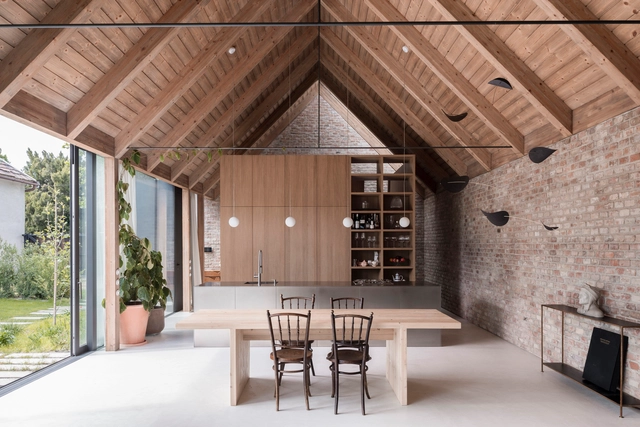
House V / Martin Skoček

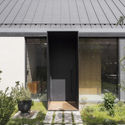
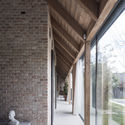
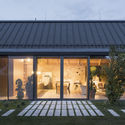

-
Architects: Martin Skoček
- Area: 185 m²
- Year: 2019
-
Manufacturers: AutoDesk, Reynaers Aluminium, Dornbracht, Duravit
-
Professionals: LABAK
https://www.archdaily.com/941122/house-v-martin-scocekAndreas Luco
Apartment Svätoplukova / Kilo / Honc

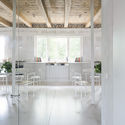
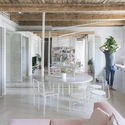
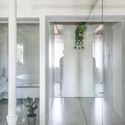
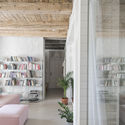

-
Architects: Kilo / Honc
- Area: 67 m²
- Year: 2020
-
Manufacturers: AutoDesk, Chaos Group, Menu, Adobe, Berker, +5
https://www.archdaily.com/940818/apartment-svatoplukova-kilo-honcValeria Silva
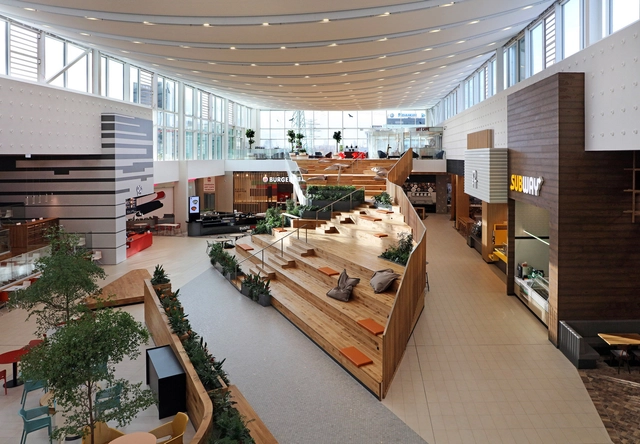

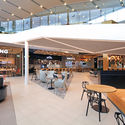
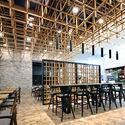
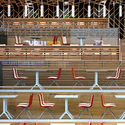

Mlynica Loft Apartment / Juraj Hubinský + Kuklica Smerek architekti
.jpg?1562259652&format=webp&width=640&height=580)
.jpg?1562260371 "© Lousy Auber")
.jpg?1562260322 "© Lousy Auber")
.jpg?1562260175 "© Lousy Auber")
.jpg?1562260248 "© Lousy Auber")
.jpg?1562259652)
-
Architects: Juraj Hubinský, Kuklica Smerek architekti
- Area: 73 m²
- Year: 2018
-
Manufacturers: AutoDesk, Foscarini, HAY, Trimble
https://www.archdaily.com/920416/mlynica-loft-apartment-juraj-hubinsky-plus-kuklica-x-smerek-architektiDaniel Tapia
The Brutal Majesty of Bratislava's Slovak Radio Tower, Through the Lens of Alexandra Timpau
.jpg?1549809940)
Opening in the late 1980s after more than ten years of construction, the Slovak Radio Tower is an unmissable feature in the landscape of Bratislava. The building, an inverted pyramid of steel frame construction, was designed by Štefan Svetko, Štefan Ďurkovič, and Barnabáš Kissling during the height of socialist realism.
.jpg?1549809709 "© Alexandra Timpau, Alex Shoots Buildings")
.jpg?1549811238 "© Alexandra Timpau, Alex Shoots Buildings")
.jpg?1549809072 "© Alexandra Timpau, Alex Shoots Buildings")
.jpg?1549809230)
.jpg?1549808705)
https://www.archdaily.com/911129/the-brutal-majesty-of-bratislavas-slovak-radio-tower-through-the-lens-of-alexandra-timpauAD Editorial Team
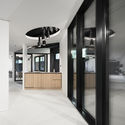
Showroom Schüco / Kuklica Smerek architekti + Juraj Hubinský

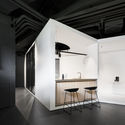
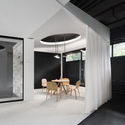

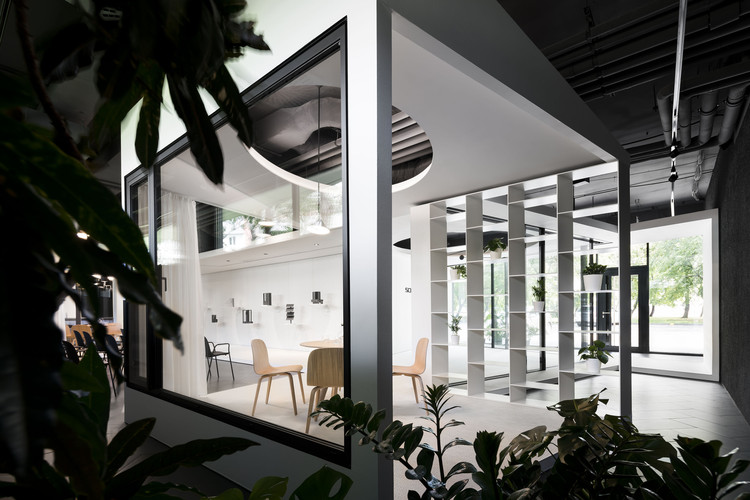
-
Architects: Juraj Hubinský, Kuklica Smerek architekti
- Area: 224 m²
- Year: 2018
-
Manufacturers: Aluplast, Artek, Bolon, HAY, Leds-C4, +5
https://www.archdaily.com/900950/showroom-schuco-kuklica-x-smerek-architekti-plus-juraj-hubinskyPilar Caballero
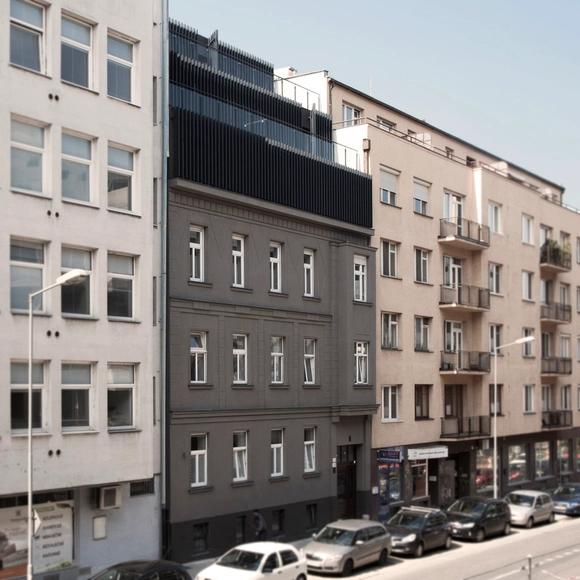

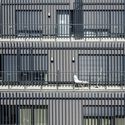
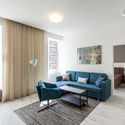

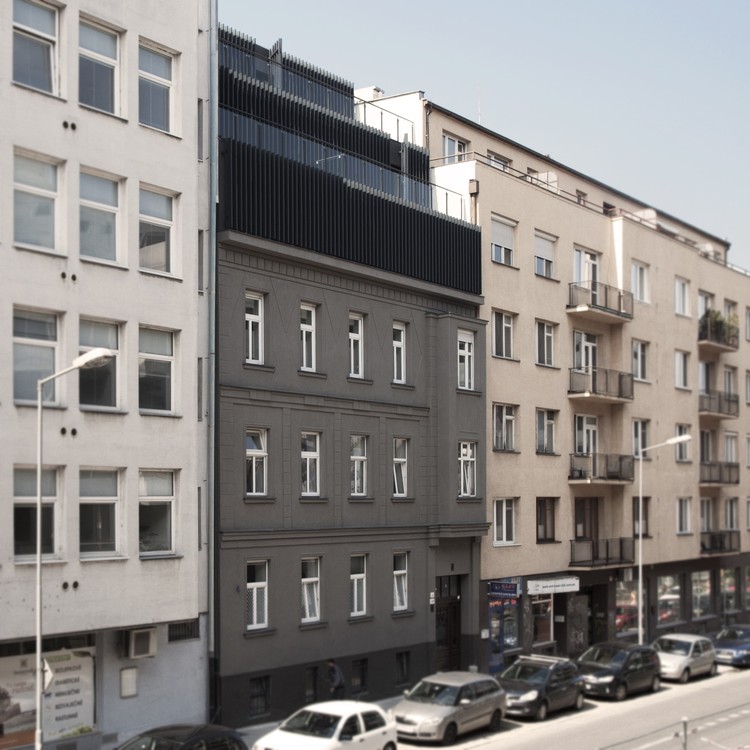
The Mill / GutGut
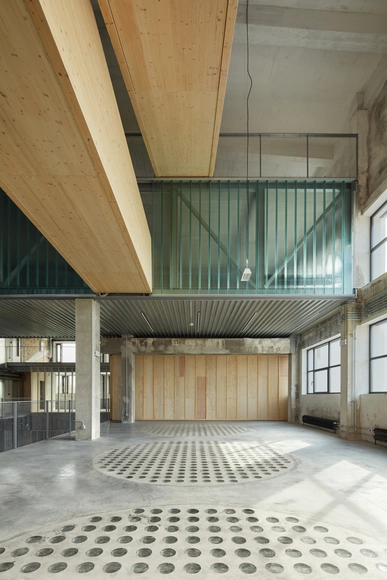


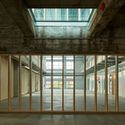
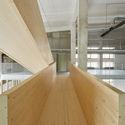

-
Architects: GutGut
- Area: 857 m²
- Year: 2017
-
Manufacturers: Pilkington, Reynaers Aluminium, Atlas Schindler, ISAN, Luxfera, +1
https://www.archdaily.com/894527/the-mill-gutgutRayen Sagredo
Zaha Hadid Architects Breaks Ground on Sky Park Development on Industrial Site in Bratislava
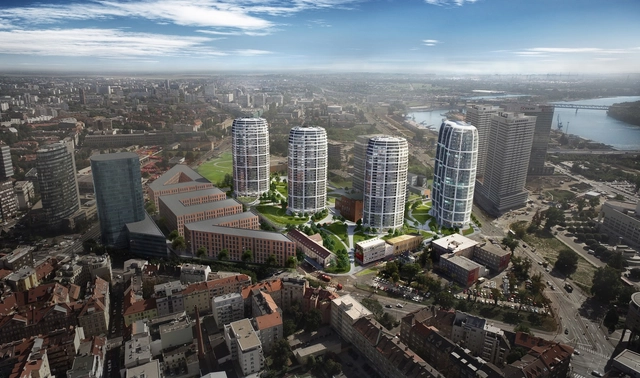
Zaha Hadid Architects have broken ground on the construction of a new 5.5 hectare development in Bratislava, Slovakia. Known as ‘Sky Park,’ the master plan will transform an abandoned site in a formerly industrial area of the city into a 20,000-square-meter park and mixed-use community containing more than 700 apartments and 55,000 square meters of office and retail space.





https://www.archdaily.com/871863/zaha-hadid-architects-breaks-ground-on-sky-park-development-on-industrial-site-in-bratislavaPatrick Lynch
FACH / Ilja Skoček + Martin Skoček
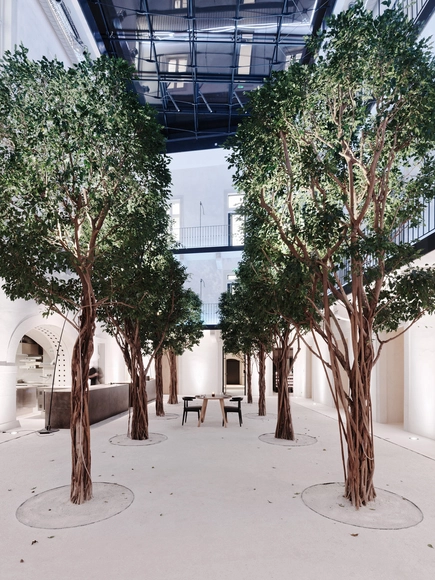





-
Architects: Ilja Skoček, Martin Skoček
- Area: 836 m²
- Year: 2016
-
Manufacturers: Andreu World, Artemide, Davide Groppi, Delta Light, Flos, +4
-
Professionals: MILK
https://www.archdaily.com/806321/fach-martin-skocek-plus-ilja-skocekSabrina Leiva
Framehouse / plusminusarchitects
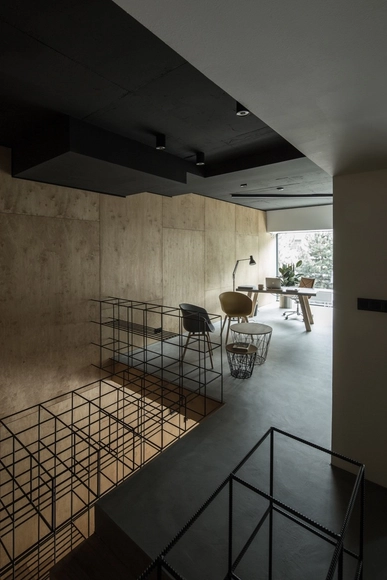


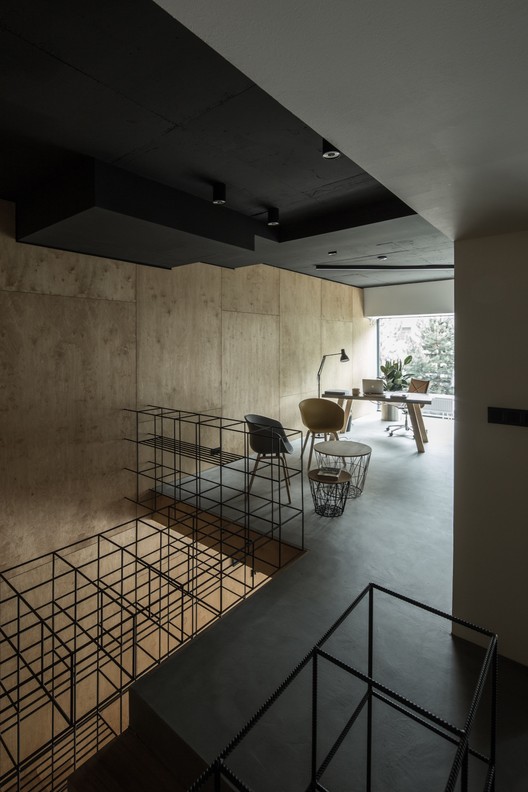
- Area: 145 m²
- Year: 2016
-
Manufacturers: Ferm Living, HAY, Vitra
https://www.archdaily.com/797400/framehouse-plusminusarchitectsValentina Villa
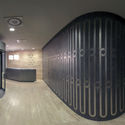
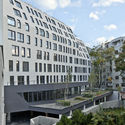
Business Garden Štefánikova / Architekti Šebo Lichý
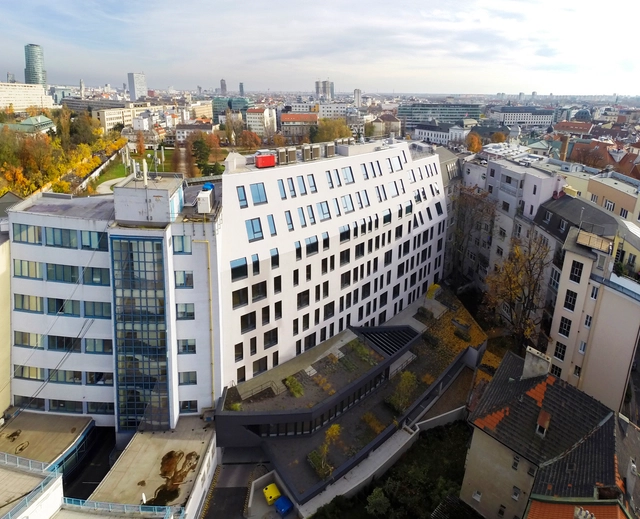


-
Architects: Architekti Šebo Lichý
- Area: 1356 m²
- Year: 2014
-
Manufacturers: Slovaktual
-
Professionals: Somorovský, Metrostav
https://www.archdaily.com/788224/business-garden-stefanikova-architekti-sebo-lichyDaniela Cardenas