
Berlin: The Latest Architecture and News
Block+Void House / Bundschuh Architekten


https://www.archdaily.com/902003/block-plus-void-house-bundschuh-architektenPilar Caballero
CODE Works with Refugees to Create PLUG-IN Collective Space for the Dutch Embassy in Berlin
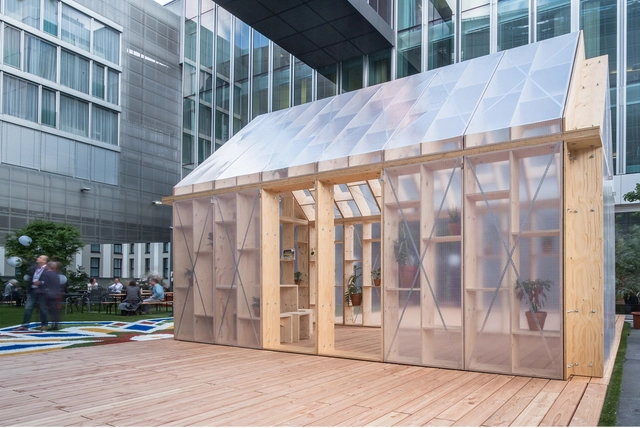
A team of architecture students at the CODE department of the TU Berlin have built PLUG-IN, a pavilion addressing the Home not Shelter! Initiative. Built as a collaborative process between students and refugees, the pavilion was realized under the direction of Prof. Ralf Pasel and his team. PLUG-IN physically expands the living space to creates a responsive project that goes beyond housing needs. The project was specifically proposed and built for the Dutch Embassy in Berlin.


https://www.archdaily.com/901549/code-works-with-refugees-to-create-plug-in-collective-space-for-the-dutch-embassy-in-berlinEric Baldwin
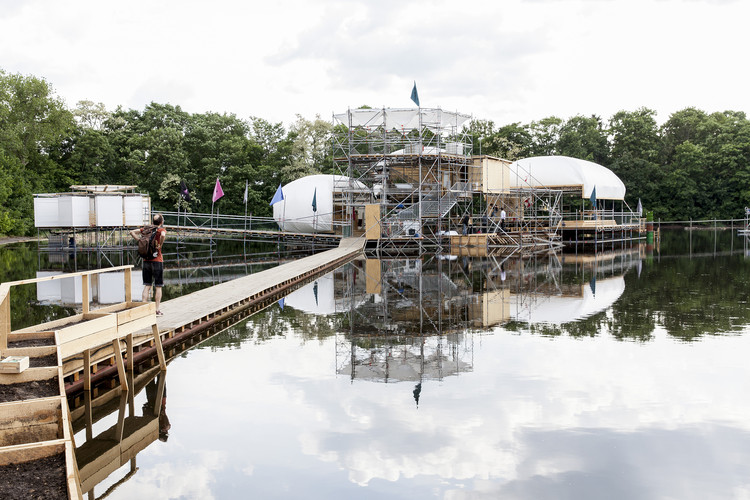
Floating University Berlin / raumlabor berlin

Seiffert.jpg?1536157514 "© Daniel Seiffert")
Seiffert.jpg?1536157497 "© Daniel Seiffert")
Seiffert.jpg?1536157728 "© Daniel Seiffert")
Seiffert.jpg?1536157748 "© Daniel Seiffert")
-
Architects: raumlabor berlin
- Year: 2018
-
Manufacturers: LAYHER, LDPE
https://www.archdaily.com/901501/floating-university-berlin-raumlabor-berlinRayen Sagredo
Explore Norway’s National Tourist Routes in Berlin’s Felleshus Exhibition This Fall
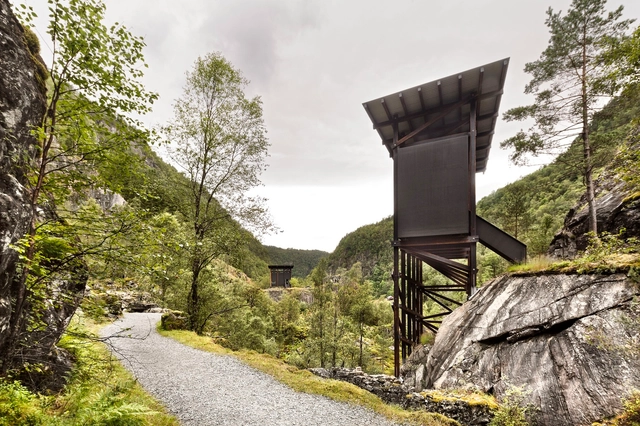
Architecture and Landscape in Norway, a photography exhibition by Ken Schluchtmann, will open this fall in the Felleshus of the Nordic Embassies in Berlin. Featuring architecture, landscapes and roads in northern light, the exhibition situates Ken Schluchtmann in a long tradition of landscape representation in Norway. Opening on October 5, 2018, the show is part of the "European Month of Photography." The exhibition will displays images taken along the National Tourist Routes in Norway.



https://www.archdaily.com/901092/explore-norways-national-tourist-routes-in-berlins-felleshus-exhibition-this-fallEric Baldwin
Flexim Headquarters / ZRS Architekten


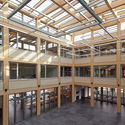
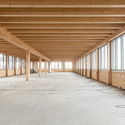
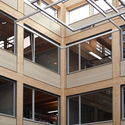

-
Architects: ZRS Architekten
- Area: 13700 m²
- Year: 2017
-
Professionals: Zublin Timber, ZRS Ingenieure / IBRF GmbH
https://www.archdaily.com/900566/flexim-headquarters-zrs-architektenPilar Caballero
Delphi LUX, Cinema / Batek Architekten + Ester Bruzkus Architekten
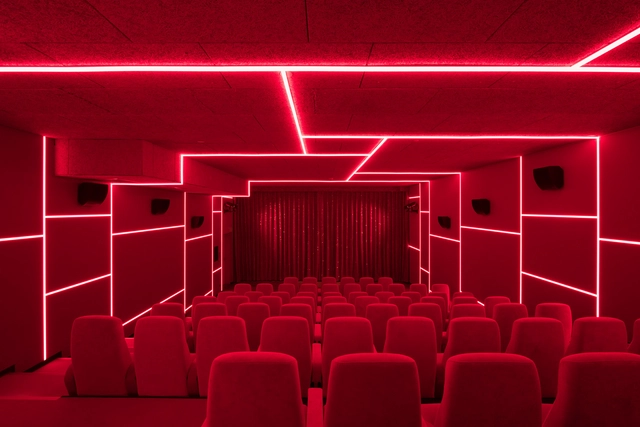

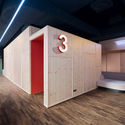



https://www.archdaily.com/897701/delphi-lux-cinema-batek-architekten-plus-ester-bruzkus-architektenPilar Caballero
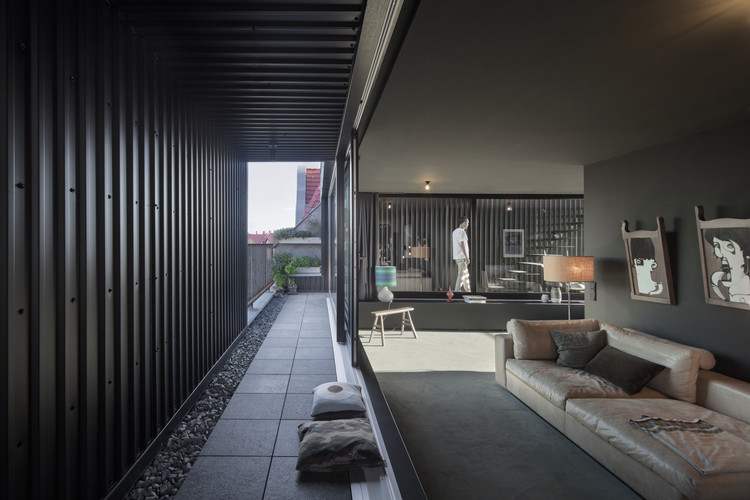
Floating Penthouse Berlin / Atelier Zafari
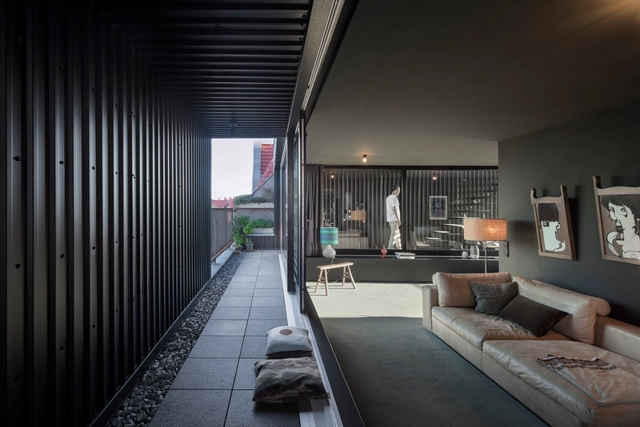

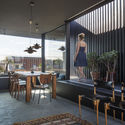
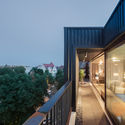
-
Architects: Atelier Zafari
- Area: 120 m²
- Year: 2017
-
Manufacturers: Louis Poulsen, Farrow and Ball, Isover, Knauf, Promat, +1
https://www.archdaily.com/899875/floating-penthouse-berlin-atelier-zafariPilar Caballero
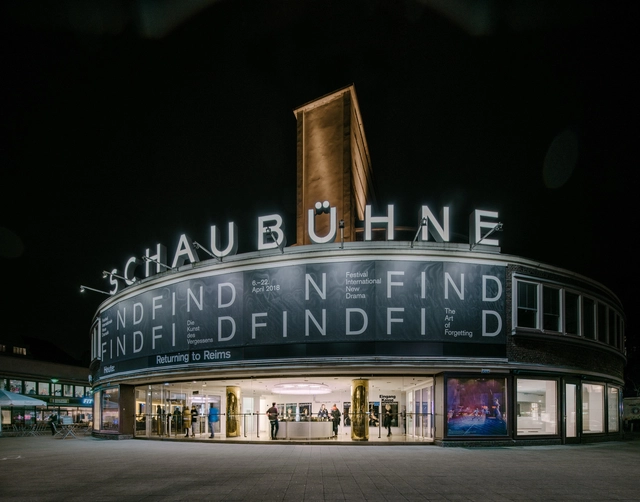
Reception Area of the Schaubühne Berlin / Barkow Leibinger


-
Architects: Barkow Leibinger
- Area: 860 ft²
- Year: 2018
-
Manufacturers: Ca-Mo, LG Hausys, LG Hi-Macs, Plexiglas
-
Professionals: Licht Kunst Licht
https://www.archdaily.com/899214/reception-area-of-the-schaubuhne-berlin-barkow-leibingerPilar Caballero
Alte Schönhauser 5 / Tchoban Voss Architekten


-
Architects: Tchoban Voss Architekten
- Area: 6770 m²
- Year: 2018
-
Manufacturers: BESCO, Clinker, Egernsund Tegl, Granit Belagro, Mineralische Feinschlämme, +3
https://www.archdaily.com/896673/alte-schonhauser-5-tchoban-voss-architektenRayen Sagredo
Gewers Pudewill Unveils Competition-Winning Proposal for Vertical Folding Tower in Berlin

Last October, Germany-based Gewers Pudewill was awarded first place in an invited competition to design the Stream Tower, a new office high-rise in Berlin. The 24-story scheme elaborates on a vertical folding theme expressed through the slabs and façade, creating a programmatic sculpture depicted in recently-unveiled imagery.
Situated next to the city's Mercedes-Benz Arena, the tower will reach a height of 300 feet (90 meters), and a floor area of 430,000 square feet (42,000 square meters). Upon completion, the scheme will host the popular online fashion retailer Zalando.
https://www.archdaily.com/897324/gewers-pudewill-unveils-competition-winning-proposal-for-vertical-folding-tower-in-berlinKaley Overstreet
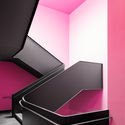
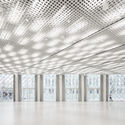
Futurium Berlin / Richter Musikowski



-
Architects: Richter Musikowski
- Area: 14007 m²
- Year: 2017
-
Manufacturers: JUNG, Jansen, Mosa, Saint-Gobain, DURLUM, +4
https://www.archdaily.com/896679/futurium-berlin-richter-musikowskiRayen Sagredo
Apartment in Le Corbusier's Unité d'Habitation Renovated to Original Design by Philipp Mohr
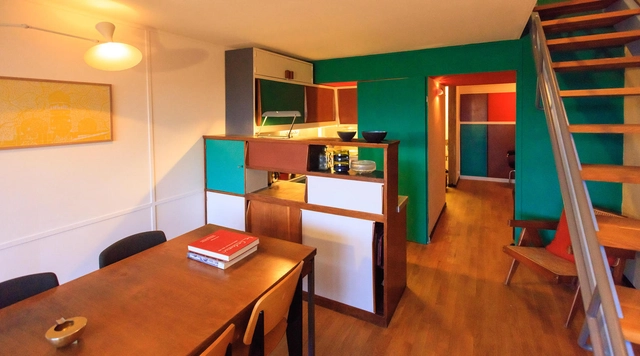
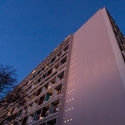
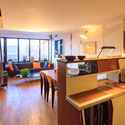
Architect Philipp Mohr has led the renovation of an apartment at Le Corbusier’s iconic Unite d’Habitation in Berlin, carried out to the architect’s original design. Over the course of two years, Mohr’s team engaged with archival research, antique shopping, and the surveying of the Unite d’Habitation Marseille in France.
Mohr purchased the apartment in 2016 and embarked on a journey of demolition, measurement, and extensive renovation including lowering ceilings and moving walls in order to recreate the interior likely envisioned by Le Corbusier.



https://www.archdaily.com/896624/apartment-in-le-corbusiers-unite-dhabitation-renovated-to-original-design-by-philipp-mohrNiall Patrick Walsh
Berlin's Tempelhof Airport: Achieving Redemption Through Adaptive Reuse
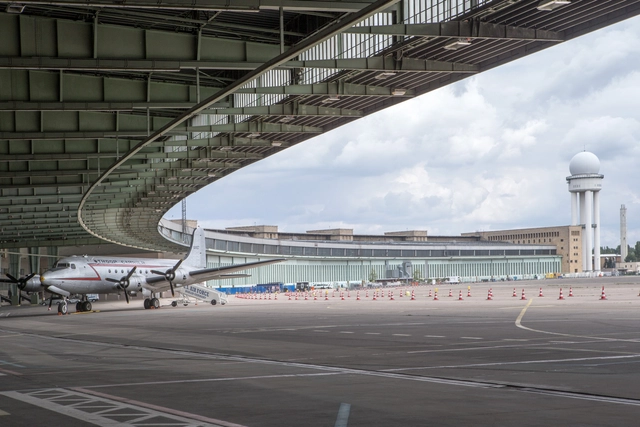
The story of Berlin’s Tempelhof Airport never quite ends.
Located just south of the city’s hip Kreuzberg neighborhood and only fifteen minutes by bike from the city center, the disused former Nazi complex—with its terminal, hangars, and massive airfield—occupies nearly 1,000 acres of prime real estate in the ever-growing German capital. In any other metropolis, this land would have been snatched up by a developer years ago, but in Berlin, creative reuse has prevailed over conventional narratives of redevelopment.



https://www.archdaily.com/895204/berlins-tempelhof-airport-achieving-redemption-through-adaptive-reuseElla Comberg
What Makes a City Livable to You?

Mercer released their annual list of the Most Livable Cities in the World last month. The list ranks 231 cities based on factors such as crime rates, sanitation, education and health standards, with Vienna at #1 and Baghdad at #231. There’s always some furor over the results, as there ought to be when a city we love does not make the top 20, or when we see a city rank highly but remember that one time we visited and couldn’t wait to leave.
To be clear, Mercer is a global HR consultancy, and their rankings are meant to serve the multinational corporations that are their clients. The list helps with relocation packages and remuneration for their employees. But a company’s first choice on where to send their workers is not always the same place you’d choose to send yourself to.
And these rankings, calculated as they are, also vary depending on who’s calculating. Monocle publishes their own list, as does The Economist, so the editors at ArchDaily decided to throw our hat in as well. Here we discuss what we think makes cities livable, and what we’d hope to see more of in the future.
https://www.archdaily.com/893435/what-makes-a-city-livable-to-youKeshia Badalge
Call for Submissions: po·mo·stroika – Postmodern Theories, Practices and Histories in Central and Eastern Europe
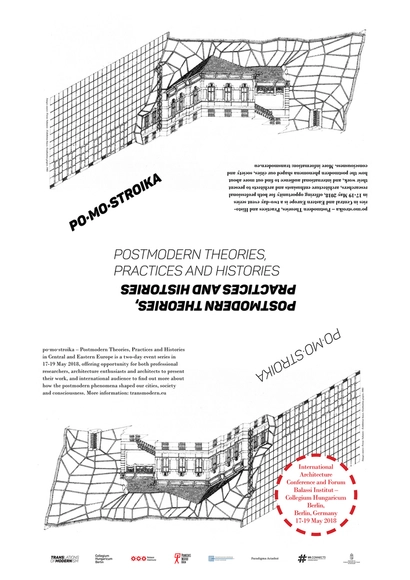
po·mo·stroika – Postmodern Theories, Practices and Histories in Central and Eastern Europe is a two-day event series in 17-19 May 2018, offering opportunity for both professional researchers, architecture enthusiasts and architects to present their work, and international audience to find out more about how the postmodern phenomena shaped our cities, society and consciousness.
The main aim of the program is to create a forum and provide a platform for starting new discussions and breaking the mental barriers behind which the amazing heritage of this era and region is still hidden. Besides the 20-30 minutes long presentations, the event will be enhanced by film screening, workshops and other programmes.
The event is organized by the Budapest-based Translations of Modernism (Transmodern) collective in partnership with the Collegium Hungaricum Berlin.
https://www.archdaily.com/890174/call-for-submissions-po-star-mo-star-stroika-nil-postmodern-theories-practices-and-histories-in-central-and-eastern-europeRene Submissions
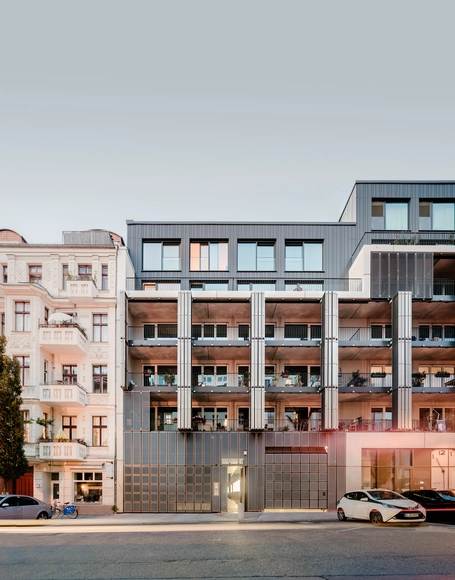
pa1925 / zanderroth




-
Architects: zanderroth
- Area: 14 m²
- Year: 2017
-
Manufacturers: FSB Franz Schneider Brakel, EVVA, Schüco, Villeroy & Boch
-
Professionals: Hager & Patner
https://www.archdaily.com/887100/pa1925-zanderroth-architektenFernanda Castro
Sharing the City: 5 Takes on How We Should Create and Use Public Space
On December 1st 2017, reSITE invited a handful of intellectuals to Berlin for the My City / Your City salon held in partnership with Airbnb, spending a day and night with them brainstorming about public space, sharing, and inclusiveness. To close the event, we served them a cocktail of simple questions that were not always easy to answer.
In the following text, artist Charlie Koolhaas, the architect and founding partner of Topotek 1 Martin Rein-Cano, the curator and writer Lukas Feireiss, the curator and architect Anna Scheuermann, and the professor Ivan Kucina, share their various opinions on issues ranging from how best to create public space to their thoughts on the very principle of sharing.
https://www.archdaily.com/887157/sharing-the-city-5-takes-on-how-we-should-create-and-use-public-spaceMartin Barry with the contribution of Radka Ondrackova
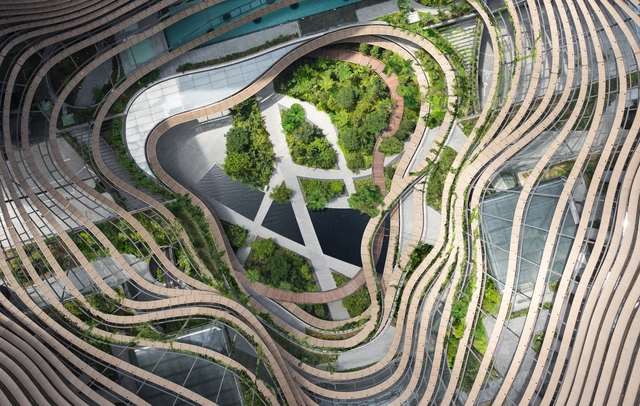
Green Heart | Marina One Singapore / ingenhoven architects




-
Architects: ingenhoven architects
- Area: 400000 m²
- Year: 2017
-
Manufacturers: KEIM, Coulisse, FUJITEC, Nuprotec
-
Professionals: Arup, Axis ID, Gustafson Porter + Bowman, ICN Design International, Hyundai Engineering & Construction, +5
https://www.archdaily.com/886215/green-heart-marina-one-singapore-ingenhoven-architectsDaniel Tapia