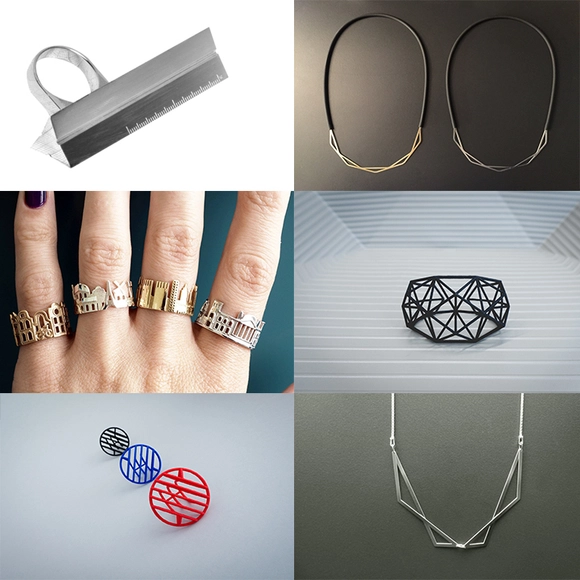
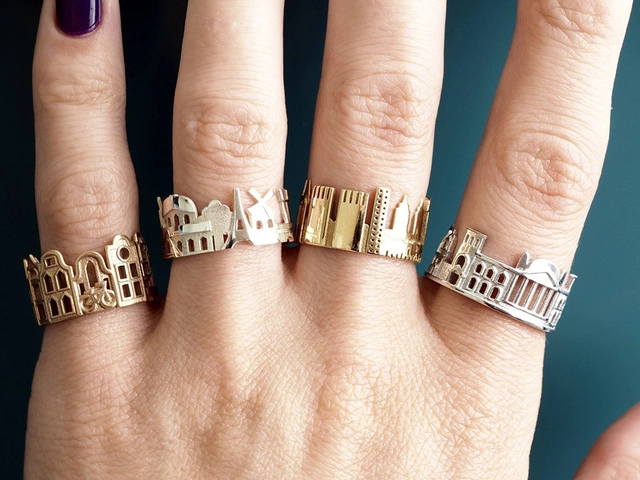
Fashion and architecture often intersect, with OMA/AMO designing runways for Prada, and architects, such as Zaha Hadid, designing swimwear and shoes. This time, we’ve rounded up four designers who have created jewelry lines inspired by the built world around them. From cityscape and protractor rings to wearable sculptures, check out the collections after the break.
Getting a job or internship at an architecture firm doesn't only depend on your skills as an architect (or student). The way you present your skills plays an essential role. At a time of great professional competitiveness and with resumes becoming more globalized, assembling a portfolio may seem like a chore and often very involving: Which projects do I list? What personal information do I add? Should I include my academic papers in professional portfolios?
Brazilian architect Gabriel Kogan has shared with us a list of twelve tips on how to build a good architectural portfolio, ranging from graphic design to the type of personal information and content that should be included in your resume. Read his guidelines after the break, and if you have any other tips share them with us in the comments section.
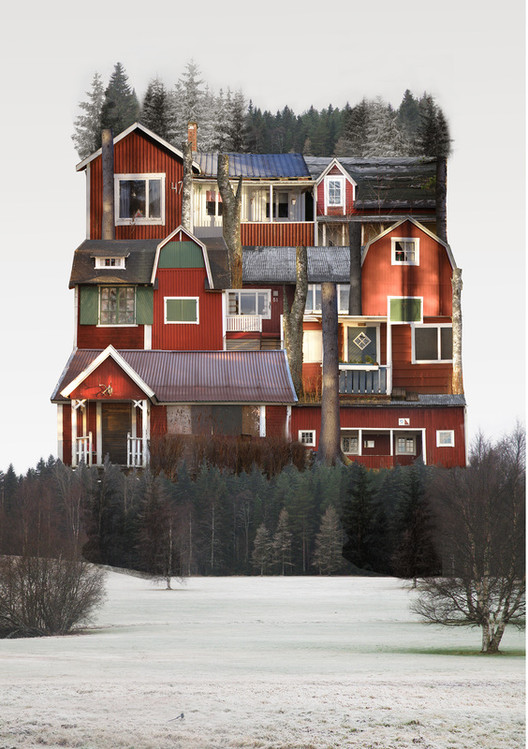
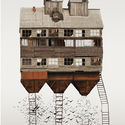
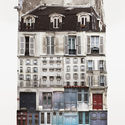
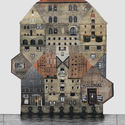
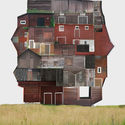
Sweden based visual artist, Anastasia Savinova, has created a series of collages that seek to capture the spirit of cities. Titled “Genius Loci,” her collages form a big house that is composed of many buildings characteristic of each city, visualizing the way of life, the atmosphere, and the feeling of each place. Photographs of architecture are the foundational components of her art work, representing the feeling as a whole.
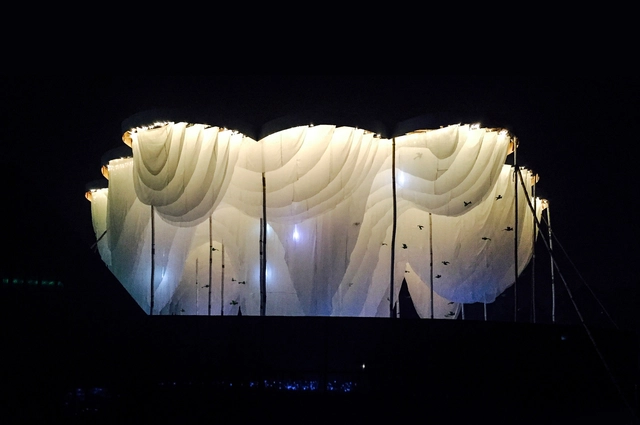
India based Abin Design Studio has designed and constructed a pavilion of canopies for a religious festival in West Kolkata. The design is based on the celebration of tribal life and the symbiotic relationship between the community and the forest. By highlighting the importance of the forest in their lives, the community hopes to raise awareness about conservation of the lands.
Have you ever fallen in love with a city, and wished you could carry the image of the skyline with you everywhere you go? Now you can turn that longing into a reality with these cityscape-inspired rings by North Carolina-based jewelry maker, Ola Shekhtman.
Videos
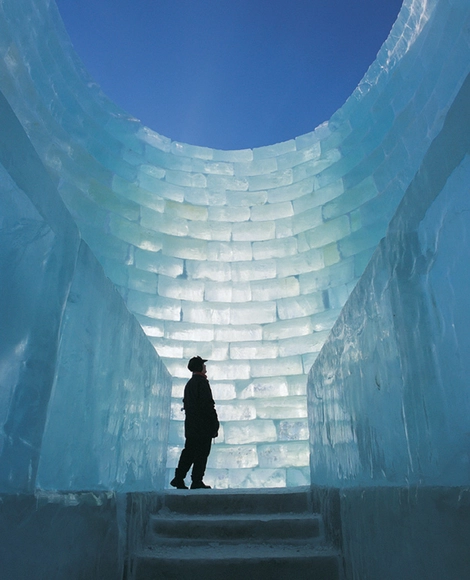
Oblong Voidspace - Jene Highstein & Steven Holl. The Snow Show, Lapland, 2003 and 2004. Image Courtesy of Fung Collaboratives, Photo Credit: Kostamoinen
Winter is the perfect time to build structures with ice, a time and a technique that together offer the possibility of a pure white architecture. With a cloudy sky the condition culminates into an impressive whiteout: white architecture, the landscape and the sky dissolve into a diffuse unity without a visible horizon. If clear skies emerge a subtle contrast of warm and cool white appears with yellowish sunrays against the blue sky. However, the ice itself has striking effects as well: The surface appearance ranges from crystal clear glass to soft opaque impressions. And, for the long nights, illumination achieves an additional magical glow and extends the short daylight time.
Worldwide, snow shows, ice hotels and festivals have attracted numerous visitors with glistening snows and stunning lighting solutions. Futhermore, this frozen water strategy presents a sustainable solution par excellence, where the manufacturing and even disposal causes no harm to the environment. Read on to explore the coolest projects and events featuring architects and artists from Finland to China.
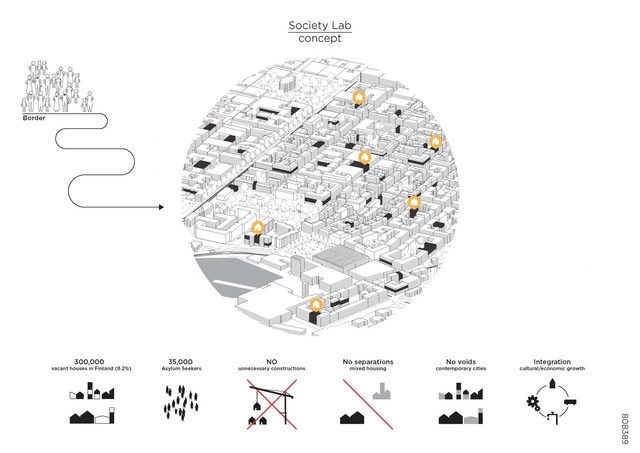
The Museum of Finnish Architecture, in collaboration with the Finnish Association of Architects (SAFA), has announced the winners of its “From Border to Home” competition, which sought solutions for temporary housing seekers who are awaiting a decision on their refugee status, prior to finding more permanent housing in Finland. Ninety-three entries were submitted from countries around the world including Finland, Sweden, Norway, China, Belarus, the United States, and Brazil, among others. Submitted proposals included solutions that would provide a positive social impact, and also support future ideas about long-term living arrangements.
The jury, comprised of architects, members from the Ministry of the Interior, the Finnish Red Cross, and the Finnish Refugee Council, shortlisted seven entries in the first round of judging. They praised the overall quality of the submissions, stating that they ranged in strategies from tackling national issues to creating new buildings, repurposing old sites, and even transforming housing solutions to digital platforms.
From those, three winners tied for first place, chosen due do their “logical coherence and compelling social impact,” according to the jurors. These entries will be showcased in the Finnish Pavilion at the Venice Architecture Biennale this upcoming summer.
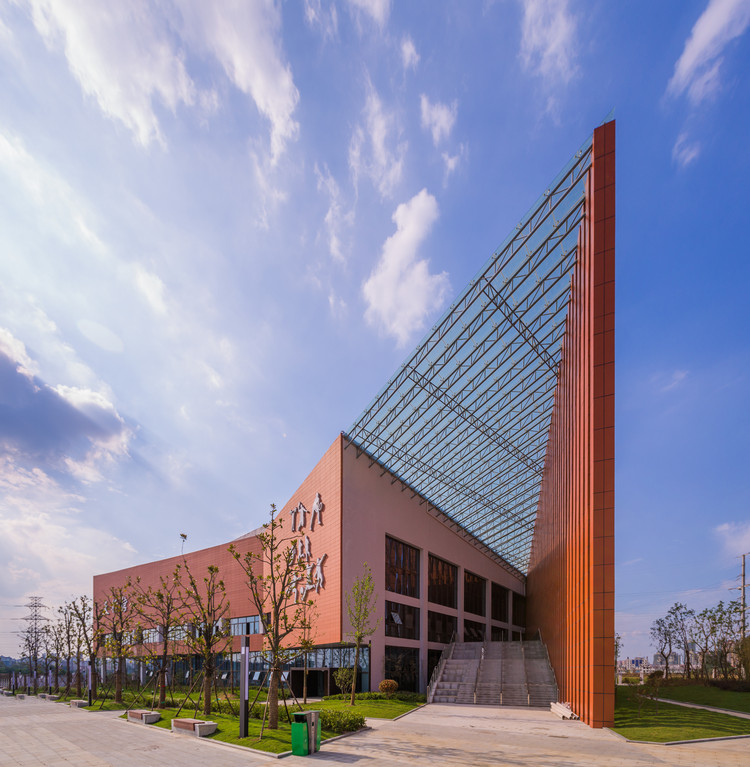
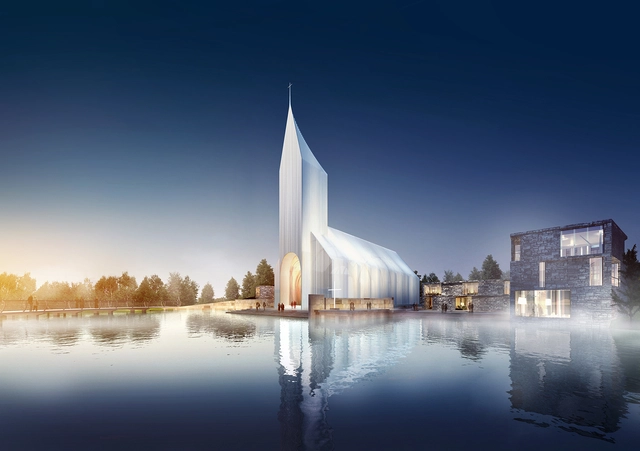
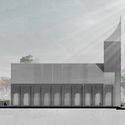
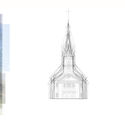
Büro Ziyu Zhuang and RSAA has unveiled the design for its Zhangjiagang Church project, a community center and church complex in Zhangjiagang, China. Based around the idea of addressing current challenges of religion, the main church is separated from other functions, which are clustered in supporting buildings.
"Within humanitarian responses, programmatically, children often become invisible." (Marc Sommers)
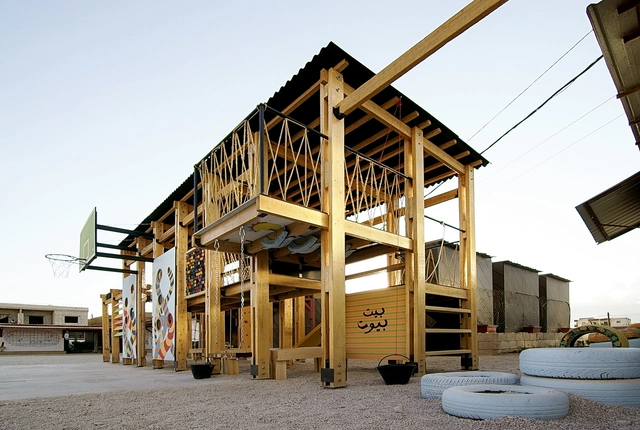
The Syrian crisis has forced thousands of families to leave their homes in search of safe places to continue with their lives. Many families have moved to Lebanon, where the UN has raised a series of informal settlements. While effective in providing shelter, they don't provide specific solutions for children, many of whom have had their studies interrupted and don't have public spaces equipped to play sports and interact with other kids.
In response to this situation, the architects of CatalyticAction have designed and built a playground in one of the schools developed by The Kayany Foundation and American University of Beirut's Center for Civic Engagement and Community Service, involving children throughout the entire process and allowing the structure to be easily disassembled, transported and either reassembled or repurposed.
Community Lighting for the Urban Environment has set itself the goal of encouraging and challenging young designers such as students (University & Colleges) and emerging Professionals (<5 years in their profession) to develop innovative lighting concepts for interior and exterior spaces, stimulate challenging ideas and recognize the individuals creating those ideas.
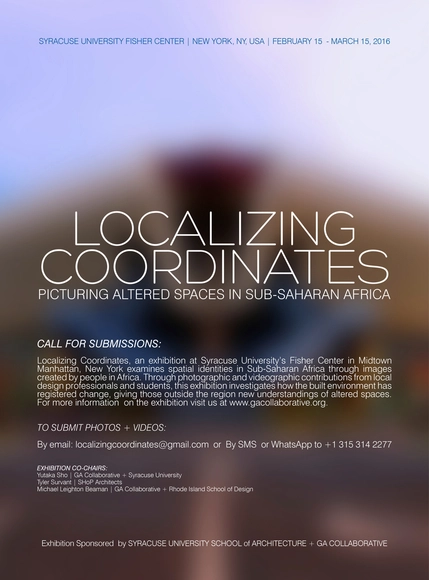
To submit photos and videos please email localizingcoordinates@gmail.com or SMS / WhatsApp to +1 315 314 2277
The story of the African built environment is often told through historical perspectives of colonization and political crises, emphasizing the difficulties that African people have faced. Economic perspectives such as poverty, development and globalization also create stereotypes of the continent. Often missing from these are the transformations in space that result from daily and repeated use. These transformations emerge from ideas exchanged between people and their movements through their neighborhoods, cities, regions and countries. The quality of spaces that we may find will paint a complex picture of Africa.
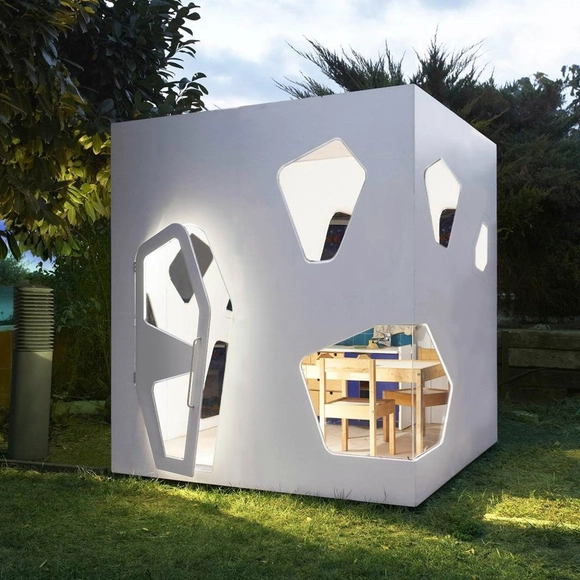
Barcelona-based designer David Lamolla of SmartPlayhouse creates children’s playhouses based on contemporary architecture styles, aiming to create fun spaces for children that are also sculptural elements for the garden. His Kyoto playhouse series is inspired by minimalist Japanese architecture, taking on a form reminiscent of Toyo Ito’s Mikimoto Ginza 2 building.























.jpg?1448987106&format=webp&width=640&height=580)
.jpg?1448987226 "© Chen He")
.jpg?1448986911 "© Chen He")
.jpg?1448987173 "© Chen He")
.jpg?1448987142 "© Chen He")
.jpg?1448987106)