The National Building Museum has announced that Dolores Hayden, professor emerita of architecture, urbanism, and American studies at Yale University, is this year’s recipient of the Vincent Scully Prize. As an urban historian and architect, Dolores Hayden has focused throughout her career on the politics of place and the stereotypes of gender and race embedded in American-built environments. As the 24th recipient of the Vincent Scully Prize, Dolores Hayden joins esteemed past recipients, including Mabel O. Wilson, Elizabeth Meyer, Robert Campbell, and Inga Saffron.
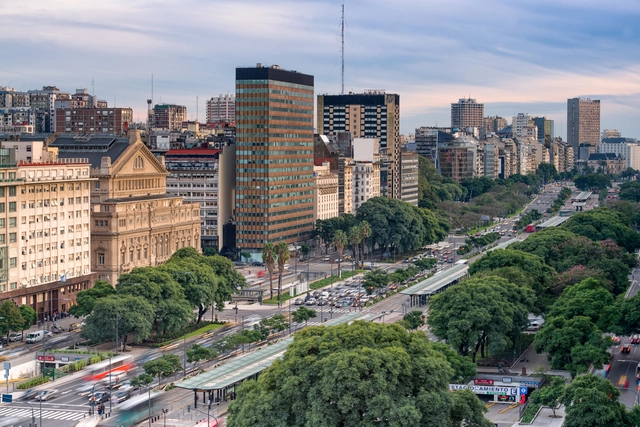
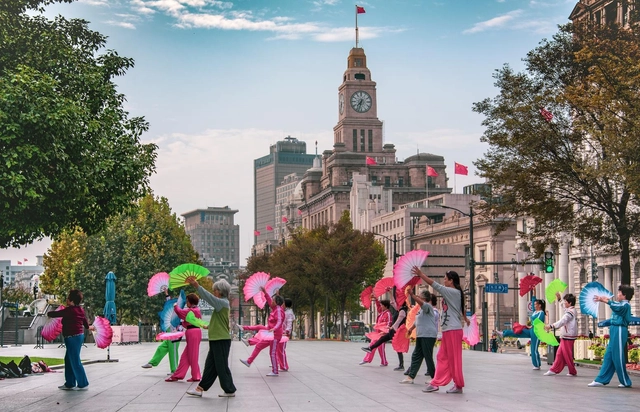
Buenos Aires, Argentina. Image from sharptoyou. Image via Shutterstock
Understanding the diversity and plurality of people who inhabit and pass through cities on a daily basis, gender-responsive urban planning aims to incorporate all those identities, perspectives and activities that have been invisible for years. Understanding the complexities that surround cities and getting involved in the urban experiences of their inhabitants, public spaces turn out to be the scenario for the development of urban life and, as such, should bring together a series of guidelines and considerations in accordance with this new paradigm that act as planning tools, composing this network of spaces and contemplating all the users of the city.
“Creating an equitable city implies that every citizen has their needs met”, states architect Wanda Dalla Costa at a time when metropolises were noticing change. Architects and the public have started to acknowledge the gender-driven design of public spaces. Across the world, urban areas have been a site of discrimination and danger to the LGBTQ+ community. Gender is demonstrated in public zones that promote visibility and interaction between people. An arduous challenge lays upon architects and planners to design fair environments and equitable spaces.
"Growing up queer means experiencing the destabilizing absence of a broad and accessible queer history, most notably, in our case, in relation to spatial design". This account is what intrigued artist Adam Nathaniel Furman and architectural historian Joshua Mardell to bring together a community of contributors who bring new perspectives to the field of architecture and share stories of spaces that challenge cis-heteronormative morals, sheltering lives that seek to live their own truths. The result of this quest is a book titled Queer Spaces: An Atlas of LGBTQIA+ Places and Stories, which explores stories about distinct social, political, and geographical contexts within the community.
“Equity” is a moving target. We who create architecture want our devotion to have a true forum of objective Equity. But motivations are not outcomes. How we judge design inevitably carries the baggage of “Style” and that makes universal equity in design apprehension impossible.
Do you feel vulnerable as you walk through public spaces? If you are a woman, the odds of answering yes to this question are certainly greater since men are less likely to choose a longer route only to avoid a dark section of the street, or to ponder on what clothes to wear so that they do not feel exposed in public. In this sense, it seems almost obvious that cities designed by men should be perceived as threatening environments, rather than a place where women feel welcome. So, to imagine egalitarian cities, should we persist in a reflection of a gender-oriented approach?
https://www.archdaily.com/956585/how-can-gender-impact-the-future-of-urban-lifeCamilla Ghisleni e Victor Delaqua
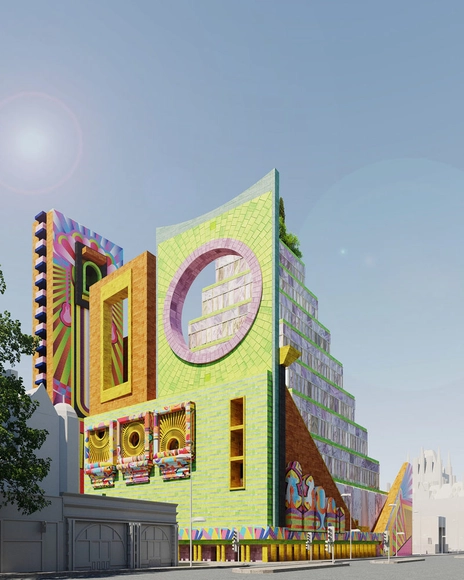
The Liberal Archive (2020). A proposal for an open repository of digital and material culture, located next to the British Library in London. Image Courtesy of Adam Nathaniel Furman
This article was originally published on Common Edge as "Presenting Architecture as Progressive, but Practicing Through Exclusion."
For a profession that likes to congratulate itself about how well-meaning it is, and sees itself as liberal, diverse, open, and progressive, British architecture has a serious problem with diversity of pretty much every kind. It is dominated by people from well-off backgrounds. It trains a lot of brilliant female architects but doesn’t pay them as much as men, and loses many of them after 30 when they are not supported in balancing work and family life. Its ethnic makeup is very, very white, considering that it’s 2020. A supposed beacon of success is the acceptance of the LGBTQ community within the field, but as with women and those from and religious and ethnic minorities, stories of unprofessional comments, inappropriate jokes, and insidious forms of jovially “innocent” othering and the diminution of identity-specific concerns abound.
Every company across the country is talking about “diversity” and “inclusion”—but what actions are actually being taken to address the issues? In May, following the death of George Floyd and the rise of the Black Lives Matter movement, conversations were had, statements issued, and boxes checked. But achieving diversity and inclusion will involve addressing long-term, systemic issues that cannot be solved with a black square on Instagram or a carefully crafted statement from a PR department.
The first step toward diversity and inclusion is recognizing that talking about it is not enough, and the path to real change is going to be a process.
Architecture theorist, historian, and curator Beatriz Colomina talks about our discipline and its difficulty to accept the work as the result of a collaborative effort. When asked about sexism and gender issues within architecture, Colomina broadens the discussion and tackles the historical myth of architecture as the product of one single, brilliant - and always masculine - mind. A fiction that has obscured the role of a number of women, and whole teams, committed to the design process.
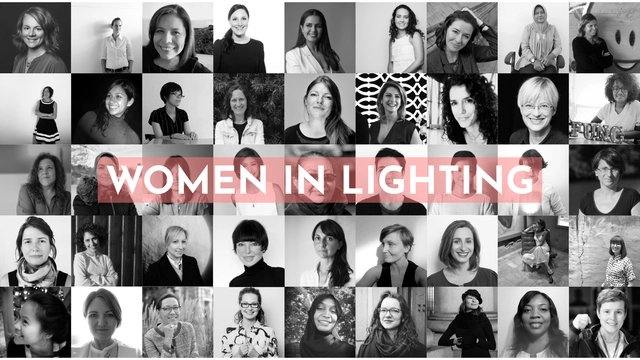
Light Collective, founders of the project "Women in Lighting", conclude that although female designers seem to make up possibly half of the lighting design profession, their profile appears much lower than men when looking at judges in awards and speakers at major conferences. Sharon Stammers and Martin Lupton started a project with interviews of female lighting designers and contacted conference organizers to enhance their visibility.
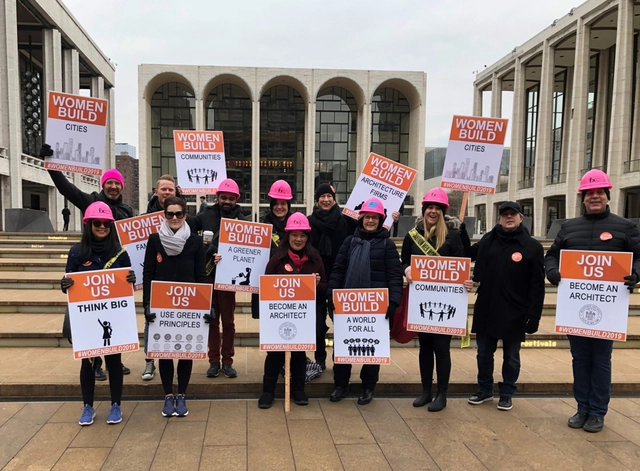
As users of ArchDaily demonstrate certain affinities and greater interest in particular subjects, these topics emerged as trends. Gender Equality is one of the trends that will influence urban and architectural discussion in 2019.
https://www.archdaily.com/915576/trends-report-february-2019-gender-equalityPola Mora
It is, once again, the time of year where we look towards the future to define the goals and approaches that we will take for our careers throughout the upcoming year. To help the millions of architects who visit ArchDaily every day from all over the world, we compiled a list of the most popular ideas of 2018, which will continue to be developed and consolidated throughout 2019.
Over 130 million users discovered new references, materials, and tools in 2018 alone, infusing their practice of architecture with the means to improve the quality of life for our cities and built spaces. As users demonstrated certain affinities and/or demonstrated greater interest in particular topics, these emerged as trends.
https://www.archdaily.com/910525/the-trends-that-will-influence-architecture-in-2019Pola Mora












.jpg?1548884950&format=webp&width=640&height=580)