

-
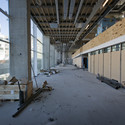
Architects: Bakers Architecten
- Area: 0 m²
- Year: 2013
-
Manufacturers: IFS-SGT
3-D Printing technology is developing at quickening pace as both engineers and architects experiment with its technological and social potential. Consider Enrico Dini’s D-Shape printer that prints large scale stone structures out of sand and an inorganic binder or Neri Oxman’s research at MIT which involves a 3-D printing arm and nozzles that can print with a variety of different materials, from concrete to recycled plastic.
Dutch firm DUS Architects, in collaboration with Ultimaker Ltd, Fablab Protospace, and Open Coop, have added another 3-D printing machine to the list known as KamerMaker, the room builder. KamerMaker is the world’s first mobile 3d printer and has the ability to print “rooms” that are up to 11 feet high and 7 feet wide. The machine was unveiled at OFF PICNIC, a precursor to Amsterdam’s annual PICNIC technology festival.
Join us after the break for more.

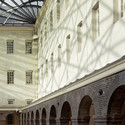
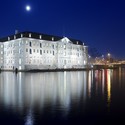
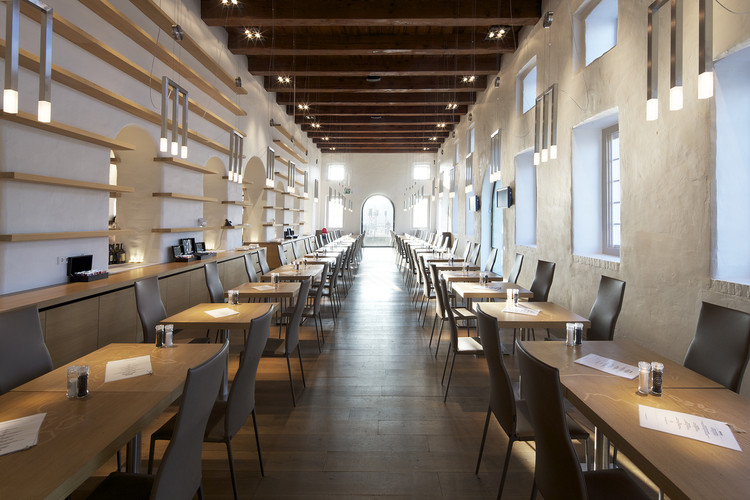
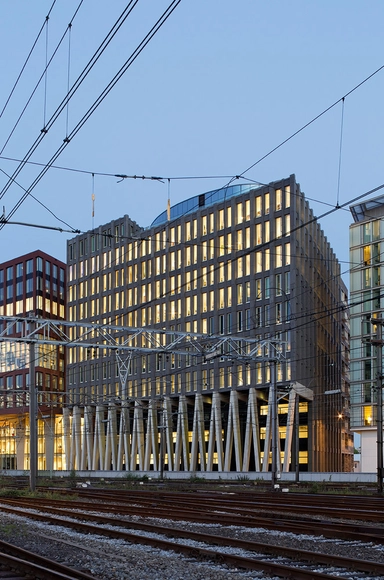
Architect: Dok Architecten: Liesbeth van der Pol, Jan Jaap Roeten, Sonja Müller, Ellen Wolse, Christina Patz, Mirthe Kooy, Ieke Koning Location: Amsterdam, The Netherlands Programme: Museum, Library, Restaurant and Retail Facilities Client: Rijksgebouwendienst, Haarlem Construction Costs: €28.000.000 miljoen Dome Design and Construction: Ney & Partners, Brussels (BE): Laurent Ney, Eric Bodarwé, Kenny Verbeeck and others Project Year: 2011 Photographs: Arjen Schmitz photographer

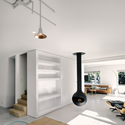
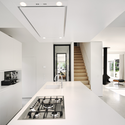
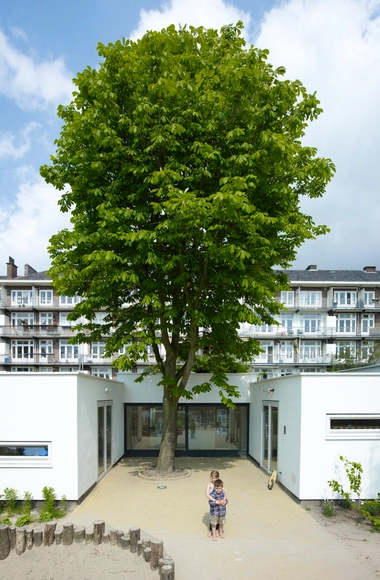
Architects: Framework Architects, Studio Prototype Location: Gabriël Metsustraat, Amsterdam, The Netherlands Design Team: Maarten ter Stege, Jeroen Spee, Jeroen Steenvoorden, Thomas Geerlings Project Year: 2011 Project Area: 250.0 sqm Photographs: Jeroen Musch