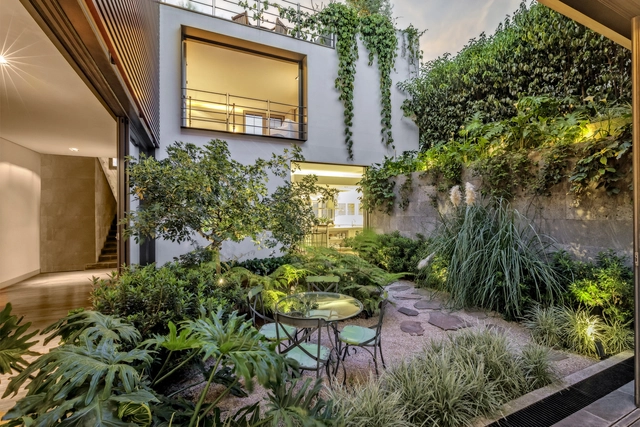
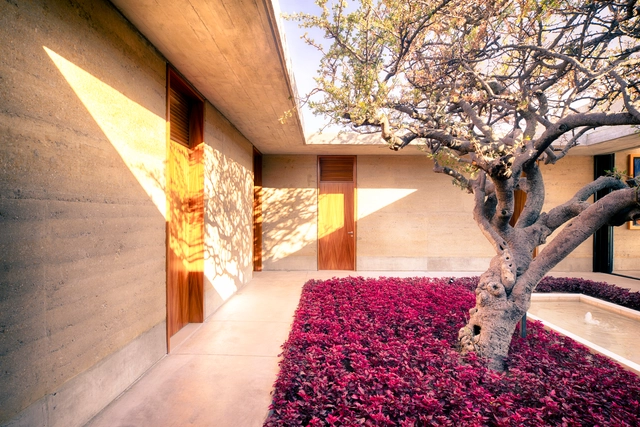
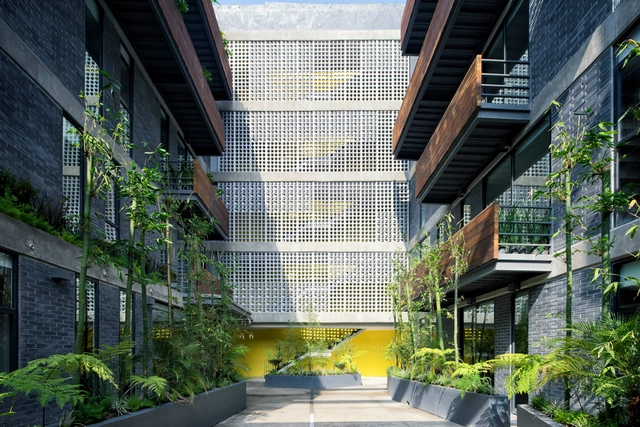
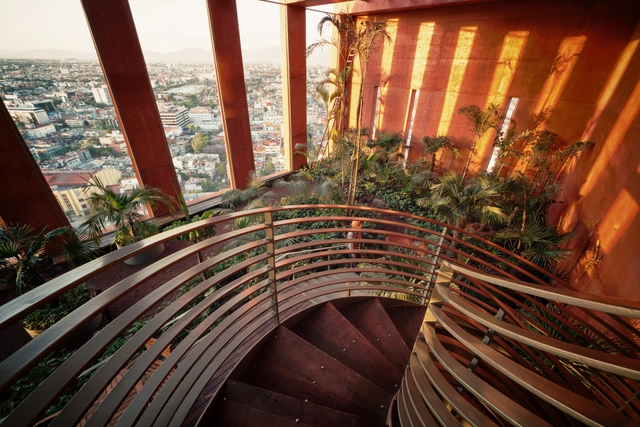
One of the most important factors to consider when designing is the climate of the site. This can create difficulties when it comes to extreme climates and it is necessary to use insulation materials that adapt to changing conditions. However, when discussing Mexico and its specific climate, this can be an opportunity for architects to create microclimates and spaces that blur the transition of interiors and exteriors.
Patios have become a traditional element of design. They create interesting psychological effects that fuse the conception of the interior and exterior, the common and private. It is a way to bring sunlight and rain into the house, to open up paths and coexistences that do not occur in interiors. Below, a selection of projects in Mexico that use the patio as the main design resource.
Capable of transforming a facade or shaping a sculptural roof form, tensile structures test the limits of our imagination (and understanding of geometry). This week’s photo set features structures that rely on cables, anchors, posts and membranes to create expansive, dramatic spans of open space bathed in natural light. Stark shadows and fair curves make tensile structures particularly photogenic, as captured in this set of images from Christopher Frederick Jones, Marie-Françoise Plissart, Yoshihiro Koitani and more.
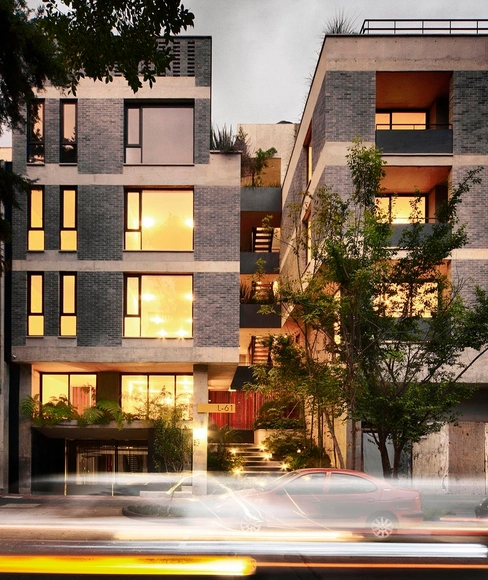
Last month I went on an enlightening trip to Mexico City, during which I had a chance to meet with half a dozen leading Mexican architects and critics. Those meetings included insightful conversations with Miquel Adrià, Tatiana Bilbao, Victor Legorreta, Mauricio Rocha, and Michel Rojkind among others (many of which will also feature in future installments of City of Ideas). I asked them many different questions, but two were consistent: “who would you name as Mexico’s best architect at this moment?” and “what one building built in the capital over the last decade is your favorite?” All of my interviewees pointed to Alberto Kalach (born 1960) and his Vasconcelos Library (2007). My Conversation with Kalach took place the next day after visiting the library on the rooftop of another one of his iconic buildings, Tower 41 overlooking Bosque de Chapultepec, Mexico City’s Central Park. We spoke about books, libraries, and his idea of buildings as inventions.
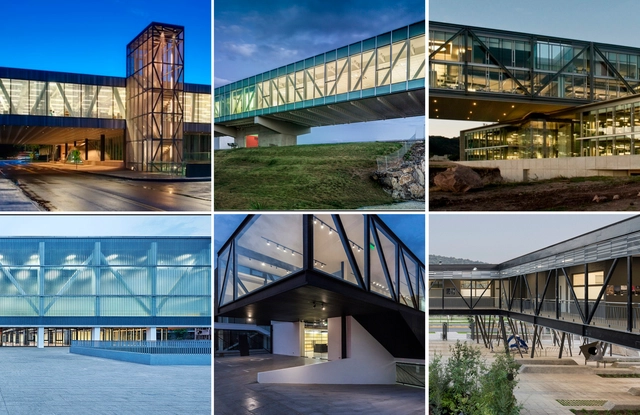
Understanding the structural aspects of architecture is an inherent task of the architect; sufficient structural knowledge allows designers to propose ideas such as large structural elements which offer an interesting response to a project's needs.
Steel trusses are an example of such a response, which demonstrate an ability to define spaces and structures that are truly complex and interesting.
Below is a list of 10 inspirational projects that use metal trusses as an essential element of design.
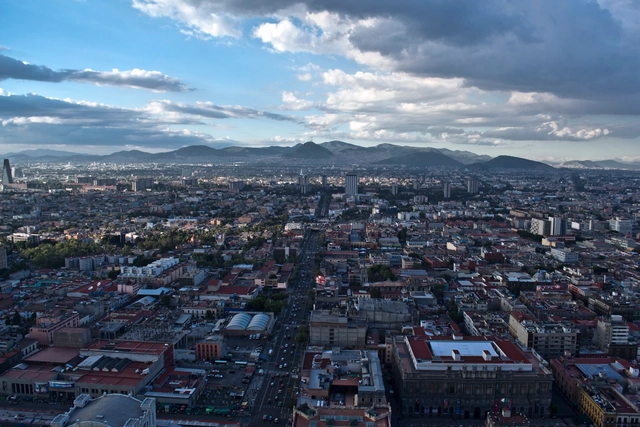
Though the idea of a vacation in Mexico usually brings to mind images of margaritas on white-sand beaches, it seems the country is slowly but surely gaining recognition in other aspects as well. Among the most populated urban cities in Latin America and the world – not to mention The New York Times' number one "Place to Go in 2016" – Mexico City offers a particular cultural diversity evident both in its traditions and in its architecture. Considering it's the main tourist, educational, cultural, economic and political center of Mexico, it makes sense that it's the perfect scenario for the social encounters of its multicultural inhabitants and tourists.
The sites of architectural interest alone are worth the visit, with prehispanic, classic, modern and contemporary examples ranging from Juan O'Gorman and Luis Barragán to Felix Candela and David Chipperfield. Add to that the fact that its gastronomic scene has garnered much praise and attention in recent years, and you've got a perfect combo. Below is a carefully curated list of 30 sites that every architect should know and visit.
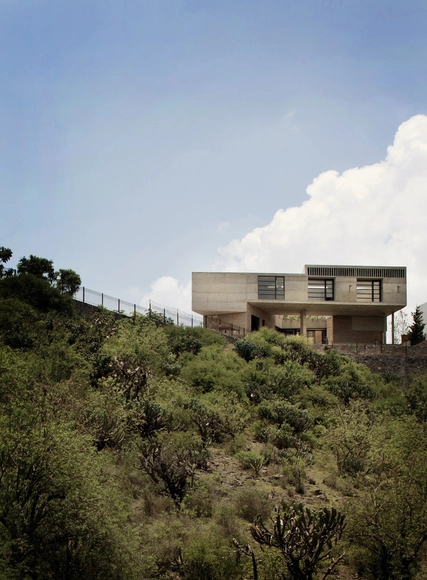
The search to connect with nature has been of great value to architecture, not only in terms of respecting and enhancing the natural conditions of a place, but also in creating a holistic relationship between the user and the space.
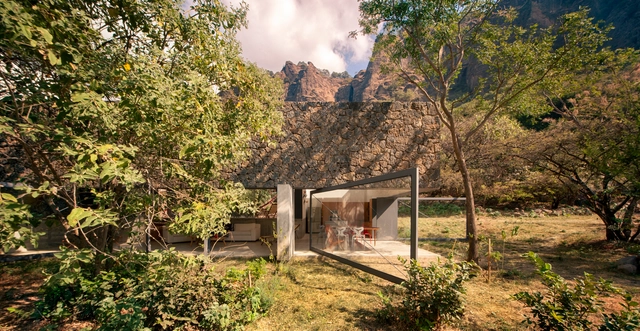
For the March Project of the Month, we recognize a residential project located in a unique landscape: the Tepozteco area in Mexico. In this project, the architecture connects with nature through a building that blends with the surroundings, while at the same time engaging with the setting in a unique way.
https://www.archdaily.com/784912/project-of-the-month-casa-meztitlaAD Editorial Team
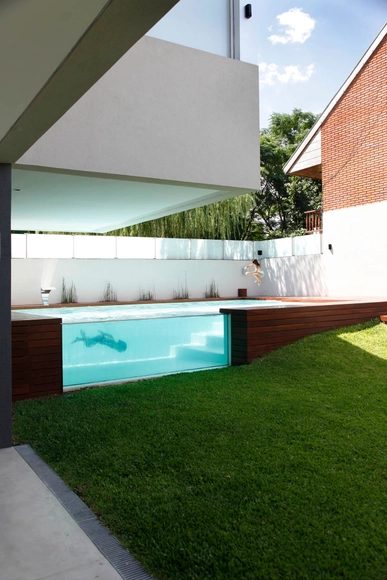
We present to you 15 of ArchDaily's most re-pinned pools on Pinterest; designs which resonate with the profound power of the aquatic. As Lao Tzu reminds us, "nothing is softer or more flexible than water, yet nothing can resist it," not even architecture. Now come on in; the water's fine.
As part of ArchDaily's commitment to providing our users with the best, most complete coverage of the most relevant information in the architecture world, we have formed partnerships with important organizations--such as the Pritzker Foundation--in order to promote the best practices in the architecture. Now, we would like to share with you CEMEX’s Building Award, an annual competition that recognizes the best in construction, highlighting innovative design, building and construction techniques, across nine different categories.