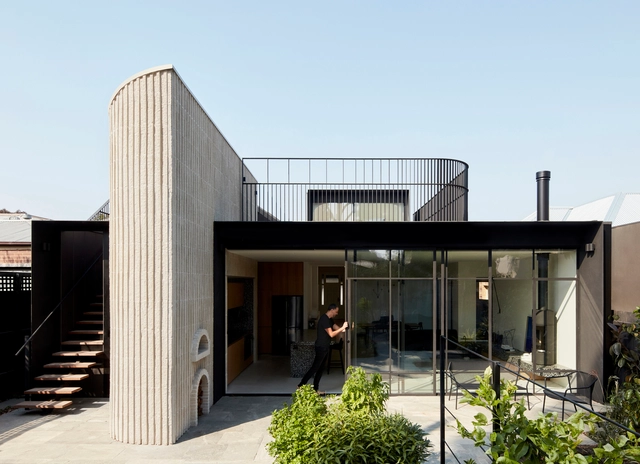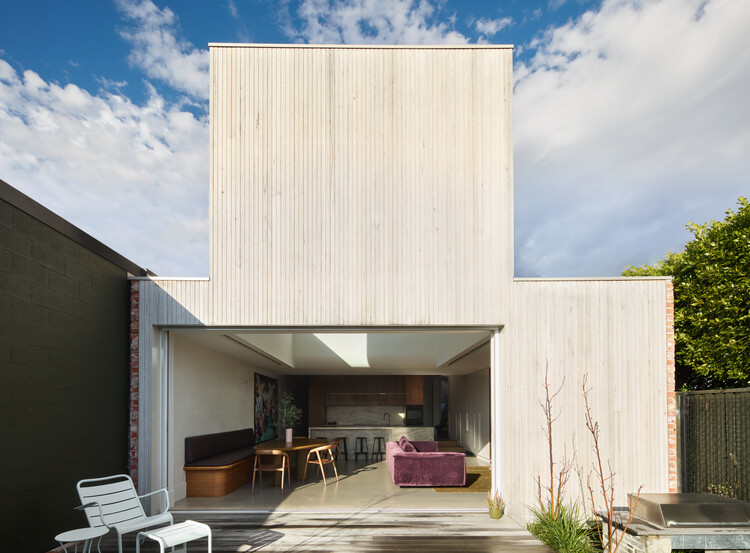
-
Architects: Foomann Architects
- Area: 197 m²
- Year: 2024
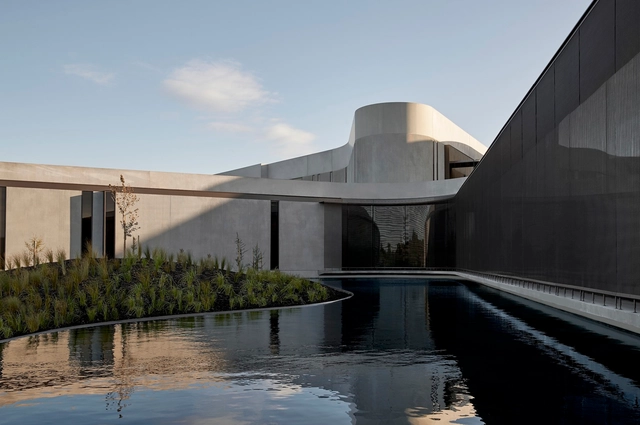
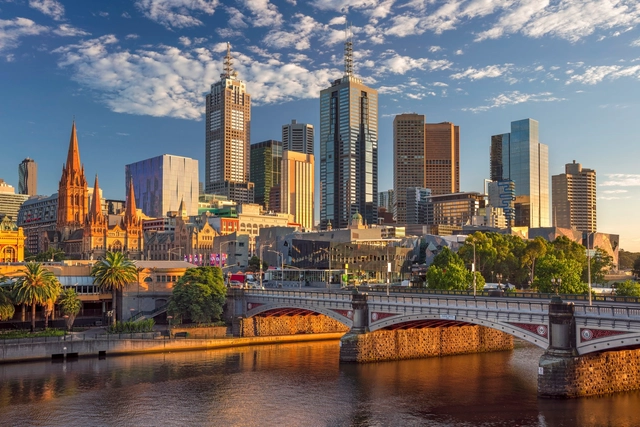
For the third year in a row, Melbourne has been selected as one of the top five most liveable cities in the world. The city is widely viewed as the leading architectural hub in Australia for its unique street culture and diverse design expression, with its layers and bold mix of architectural styles. From the very well-restored Victorian era edifices with their intricate ornamentation and detailing to the adjoining Contemporary landmarks, the city seems to achieve a nice balance of all typologies and design movements, while still being very inviting and engaging to its citizens.
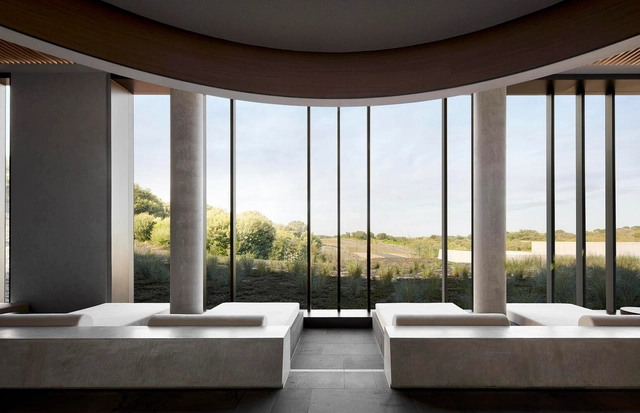
The wellness market is booming, predicted to grow by almost 60% in the five years since the COVID pandemic, with consumers taking greater care of both their physical and mental health. It’s now understood, of course, that wellness – the virtue of feeling good in both body and mind – is more affected by our environment than we used to admit.
Since 2020 we’ve been quickly migrating away from cities, with attitudes on work and living also shifting to include more natural beauty and the hunt for the nirvana of greater wellbeing. These four wellness centers take care to complement the rejuvenating surroundings of the outdoors with healing activities and architecture, helping visitors to feel at peace with themselves and the world around them.

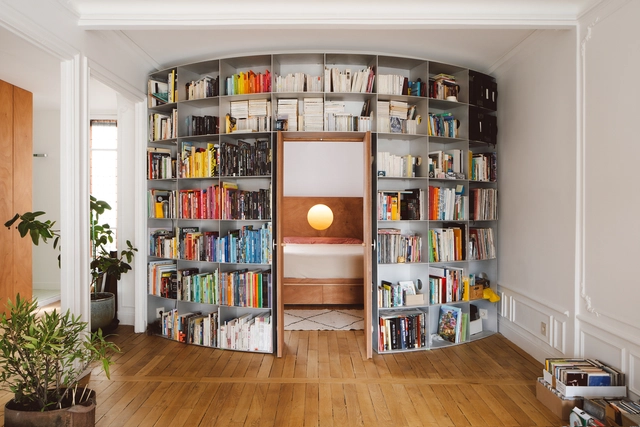
Circles, as a fundamental geometric shape, possess a captivating and harmonious quality that has been seamlessly integrated into architecture and design across various eras and styles. From subtle accents to bold focal points, the use of circles in interior design transcends mere ornamentation, often symbolizing continuity, connection, and a soothing visual rhythm. With their endless and unbroken curves, they offer a sense of unity, movement, and balance that can transform spaces into inviting and aesthetically pleasing environments – an effect especially useful for interior design. In this article, we take a look at 27 projects from our ArchDaily database that illustrate circular forms in interiors across the globe.
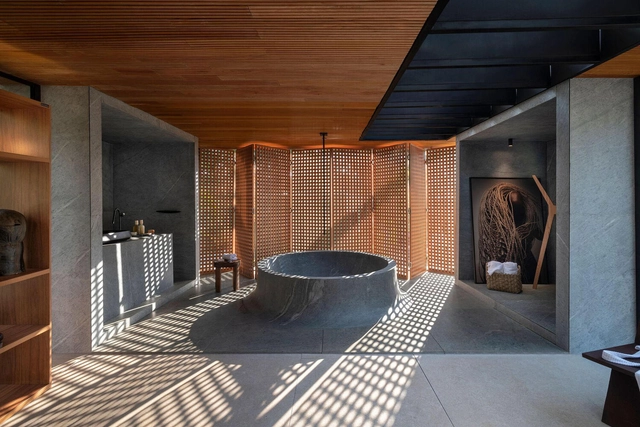
In the world of contemporary architecture and design trends, the topic of biophilia is ruthlessly spreading itself across floor plans, mood boards, and finished interiors like butter on hot toast. So talk of outdoor spaces with natural materials, fresh air, natural light, and expansive views may seem like a broken record, but sometimes you just want to keep on pressing repeat. Also like butter on hot toast, you can never have too much of a good thing.
These outdoor bathroom spaces open themselves up, both figuratively and literally, to outdoor environments in a variety of worldwide climates, without forgetting their main purpose: to provide a sanctuary of comfortable calm, in a stressful world.
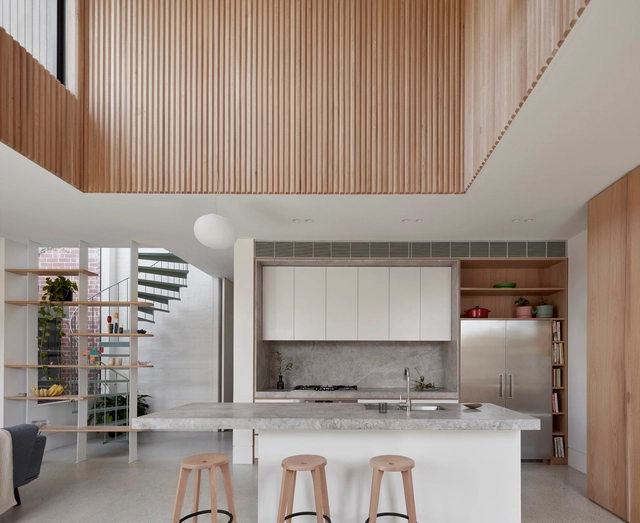
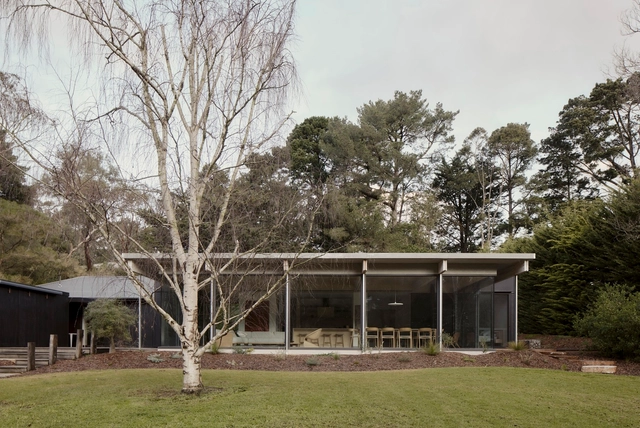
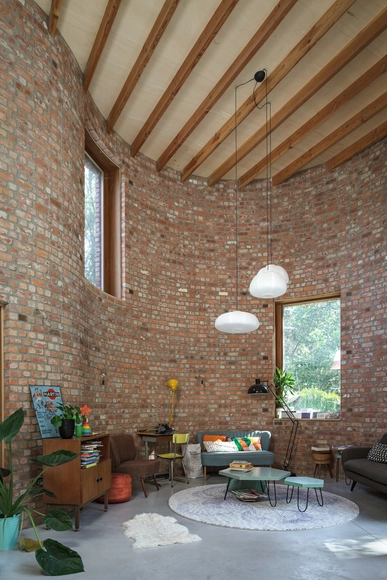
Students at the School of Engineering, RMIT University recently published a study experimenting with a new form of waste management and recycling. As they note in their research, cigarette butts are the most commonly discarded single waste item in the world, with an estimated 5.7 trillion having been consumed around the globe in 2016. However, the materials in cigarette butts—particularly their cellulose acetate filters—can be extremely harmful to the environment due to poor biodegradability. The RMIT study builds on a previous research study by Mohajerani et. al (2016) that experimented with adding discarded cigarette butts to clay bricks for architectural use. In their research, the RMIT students found that such a measure would reduce the energy consumption of the brick production process and lower the thermal conductivity of the bricks, but that other issues including bacterial contamination would have to be addressed prior to successful implementation. Below, we explore this research in more detail, investigating its relevance to the architecture industry and imagining possible futures of application.
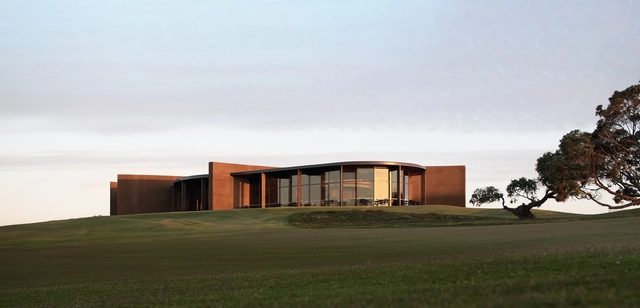
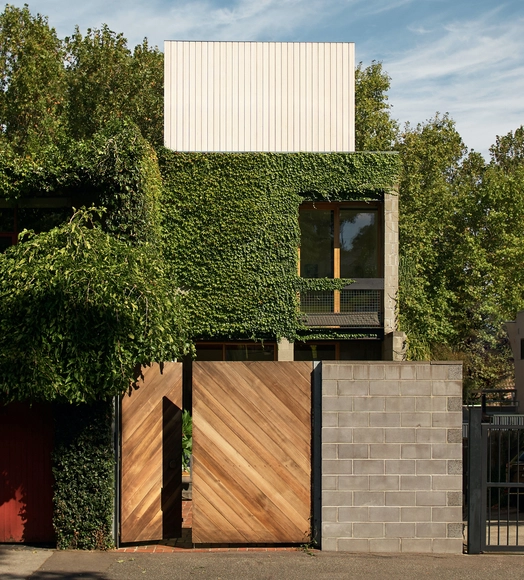

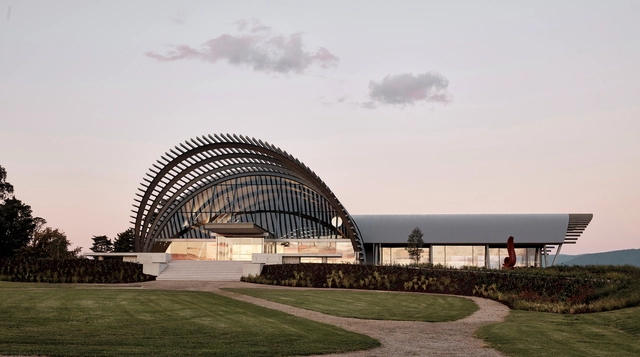

The World Architecture Festival (WAF) revealed the 420 shortlist for this year’s festival, with entries from all around the world, including Portugal, Malaysia, Finland, Mexico, Turkey, Australia, Japan, India, and the UK. The awards program celebrates the best new completed buildings and landscape design projects, ranging from rural villas to contemporary religious buildings and healthcare facilities built during the pandemic.