

-
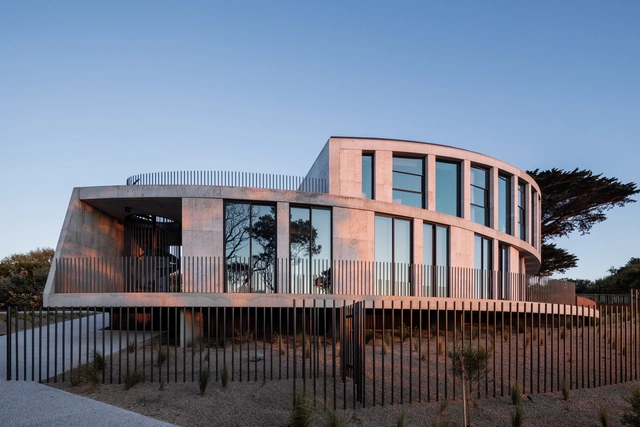
Architects: Wood Marsh
- Area: 4000 m²
- Year: 2019
-
Professionals: 4D Workshop, ALA Consulting, Reddo, TCL landscape architects
John Wardle (b. 1956) founded John Wardle Architects in Melbourne, Australia, in 1986. His early interest in architecture started with encountering objects and precious bits and pieces of demolished buildings at the demolition yard owned by his father’s friend.
Wardle studied architecture at RMIT, acquiring his bachelor’s degree in 1981. Wardle returned to his alma mater to acquire his master’s almost 20 years later, when he was already a seasoned practitioner, leading his own successful office. He now heads a large practice of over 90 employees with studios in Melbourne and Sydney.
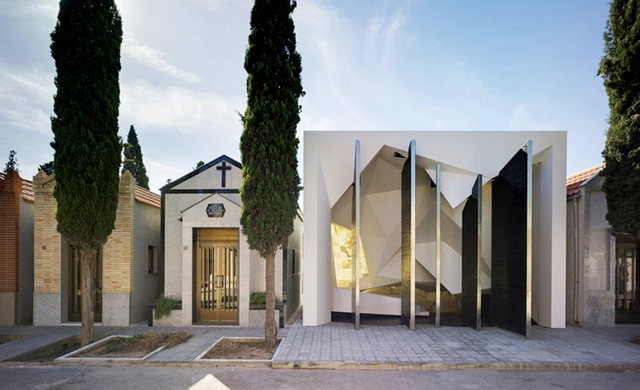
Mortality defines both architecture and human experience. Throughout time, funerary structures have been designed across societies and civilizations to ground personal and shared beliefs. The idea of the afterlife shapes how these buildings are made, from symbolic monuments to vast tombs and crypts. Now a new range of modern architecture has been designed for remembrance and reflection.
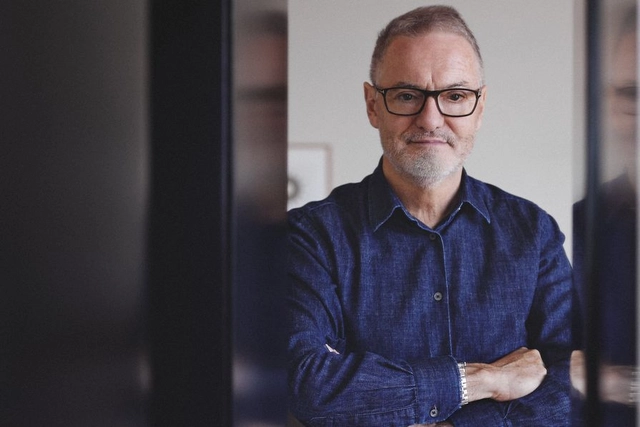
The Australian Institute of Architects has announced John Wardle as the winner of the 2020 Gold Medal. Wardle was recognized for his iterative design process and attention to craft, as well as his collaborations with artists and craftspeople. His firm's portfolio of work includes both national and international projects, as well as his contribution to the 16th International Biennale Architettura in Venice.
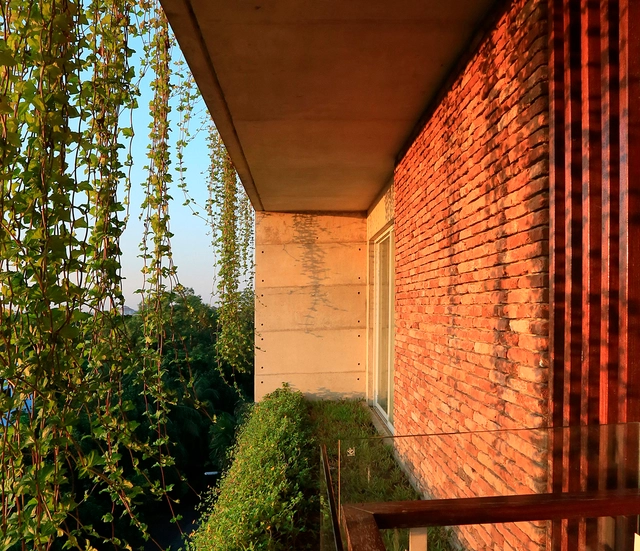
With the COVID-19 pandemic sweeping through the world's urban centers, governments worldwide are urging citizens to hunker down at home in a bid to quell the virus' spread. For apartment dwellers under quarantine, balconies have become the new platforms for entertainment and social interaction, making now an opportune moment in rethinking how we design and build these outdoor urban spaces.
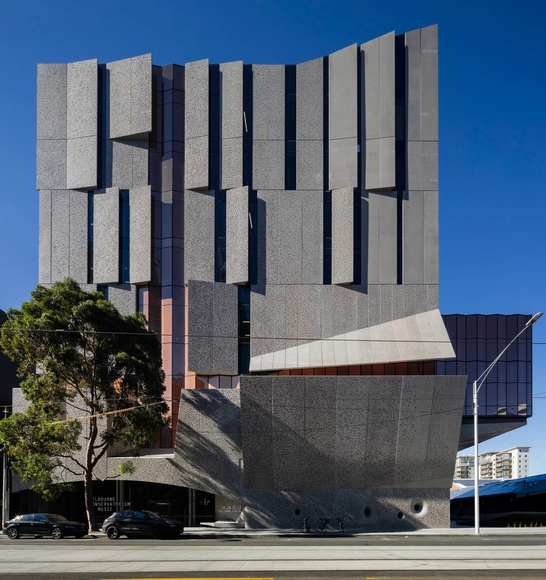
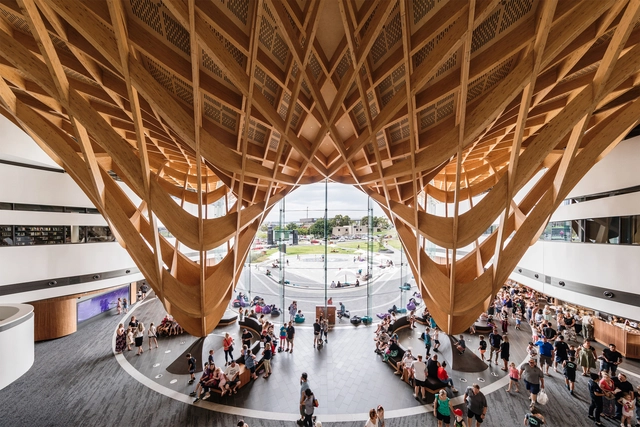
Australian architecture is rooted in the land. From environmental and climatic concerns to the country's unique cultural background, the built environment down under is defined by a history of connections to local contexts. Today, Australian architecture has also come to embrace a multicultural identity, with a new class of cultural projects showcasing how contemporary buildings and structures are being designed for the future.
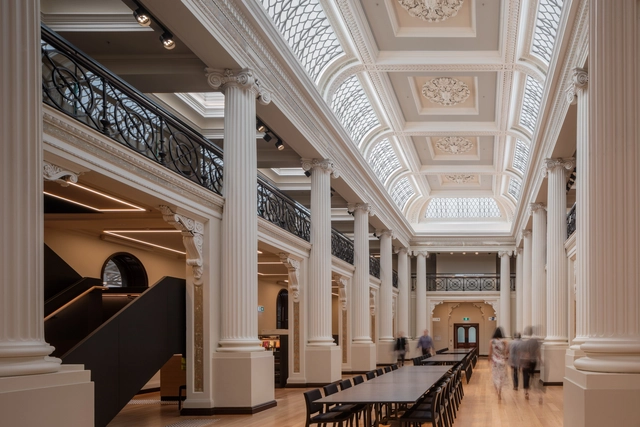
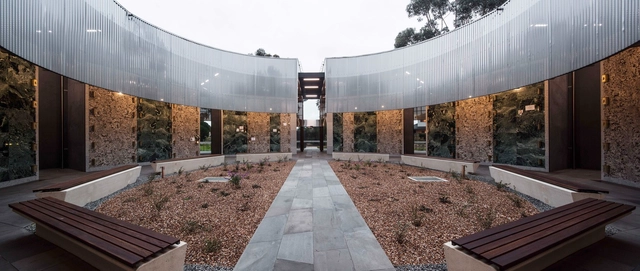

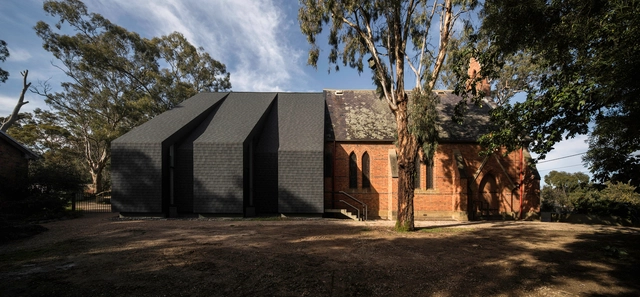

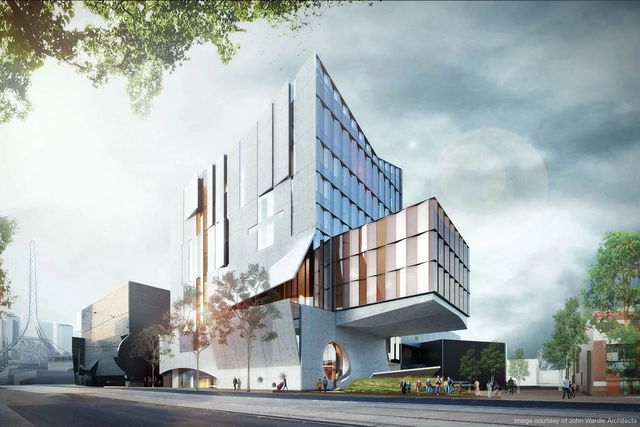
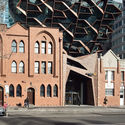
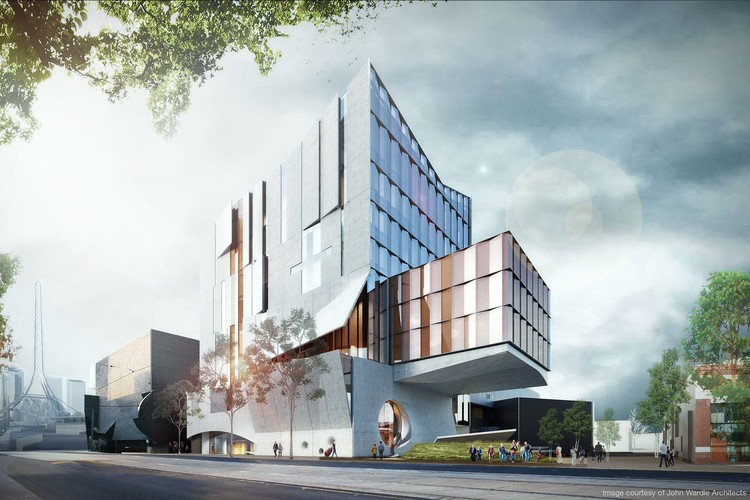
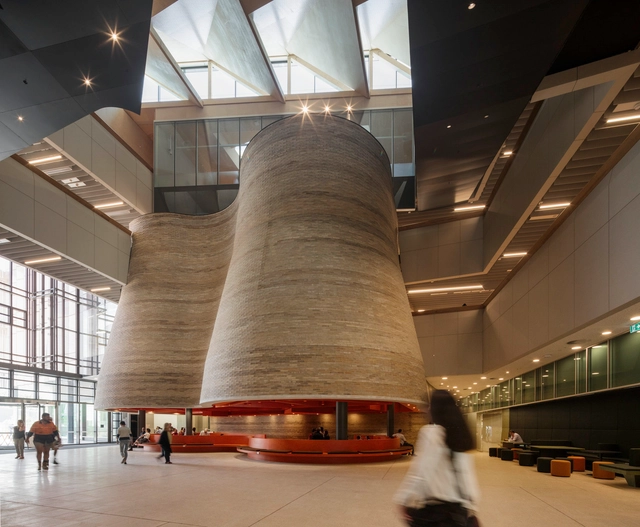
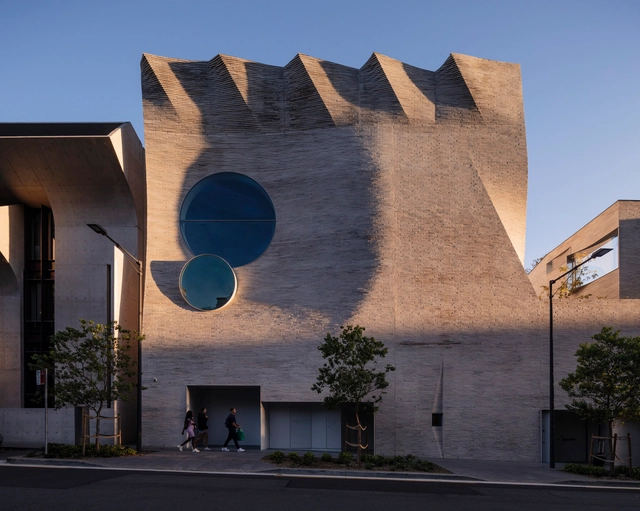
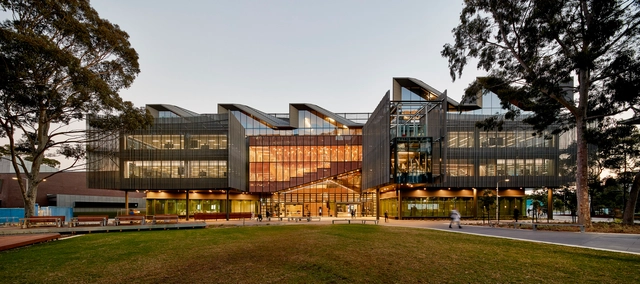
John Wardle Architects' Ian Potter Southbank Centre for the University of Melbourne's Conservatorium of Music has opened to faculty and students. The $109 million project was designed as part of the larger Southbank campus transformation in Australia. Made to house more than 1,000 music students, the project includes a series of performance areas, studios and rehearsal spaces. The Southbank Centre also features one of the world's largest oculus windows.
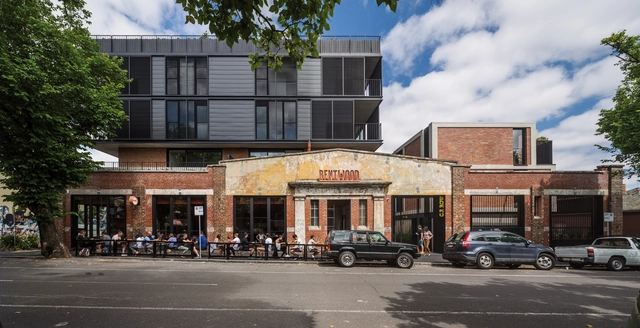
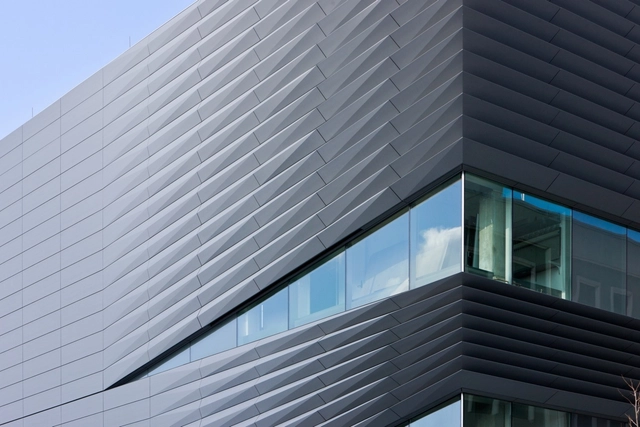
Zinc is a natural element extracted from ores. Its symbol, which appears in the dreaded Periodic Table, is Zn. Through a metallurgical process of burning its impurities (reducing zinc oxide and refining), it assumes a much more friendly appearance, and later becomes the sheets, coils, and rollers used in construction. The main characteristic of this material is its malleability, which allows it to be worked easily, allowing to cover complex forms in facades and roofs of buildings.