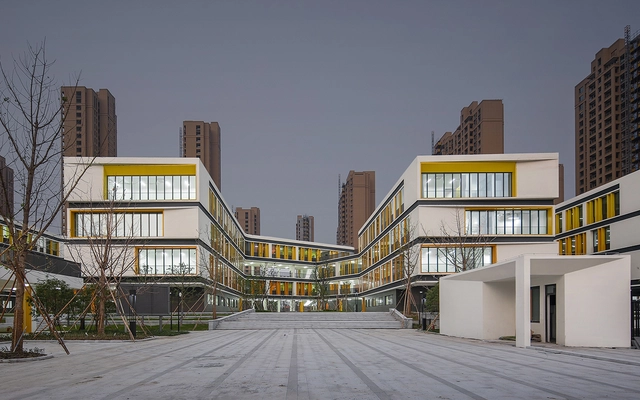


-
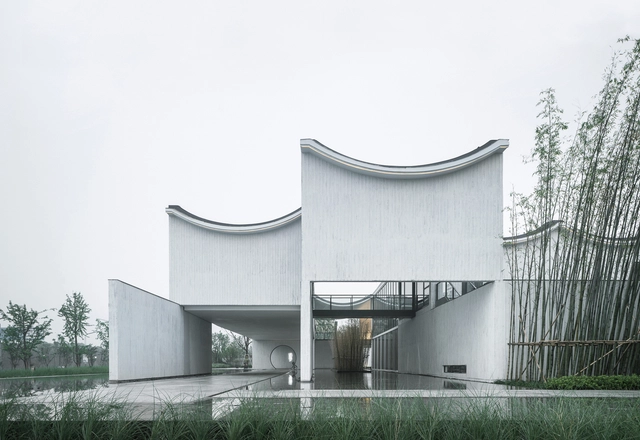
Architects: GLA
- Area: 34000 m²
- Year: 2017
-
Professionals: GREENTOWN AKIN


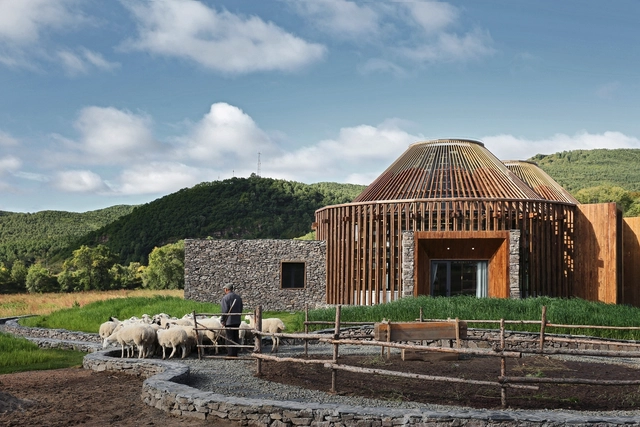
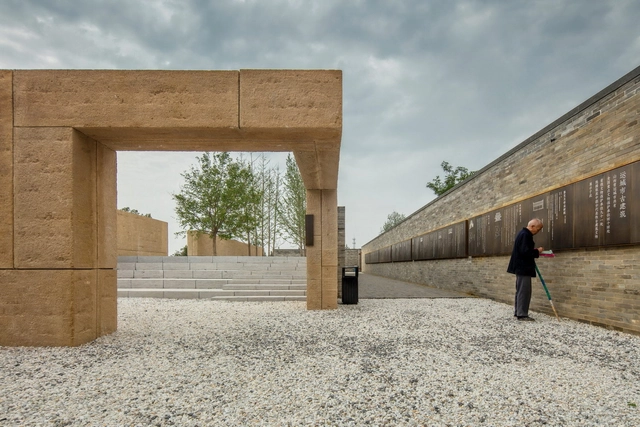
This article was originally published on the blog of the Chicago Architecture Biennial, the largest platform for contemporary architecture in North America. The 2017 Biennial, entitled Make New History, will be free and open to the public between September 16, 2017 and January 6, 2018.
When we think of contemporary architecture in China, we often refer to the megaprojects by international architecture studios that tend to get covered most in the design media. From OMA’s CCTV Headquarters and Shenzhen Stock Exchange to the recently completed Tianjin Binhai Library by MVRDV and Poly International Plaza by SOM, these projects dominate urban skylines at a singular scale that suggests they were built to impress.
Beyond individual buildings, China’s mega-architecture boom is rapidly developing entirely new cities, a process designed to relieve the country’s principal metropolitan areas of their high density, while offering new prototypes for urban life. These highly branded environments are prompting displacement – as a form of rural exodus – and social stress throughout the country, while also ignoring the legacy of traditional Chinese architecture in urban centers.
.jpg?1513724004)
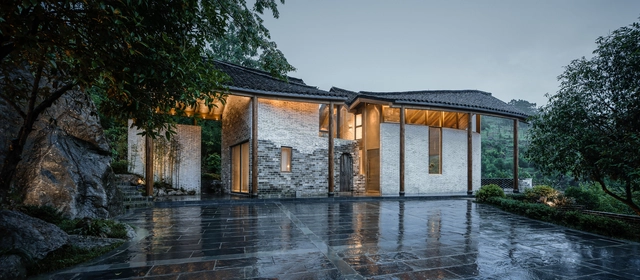

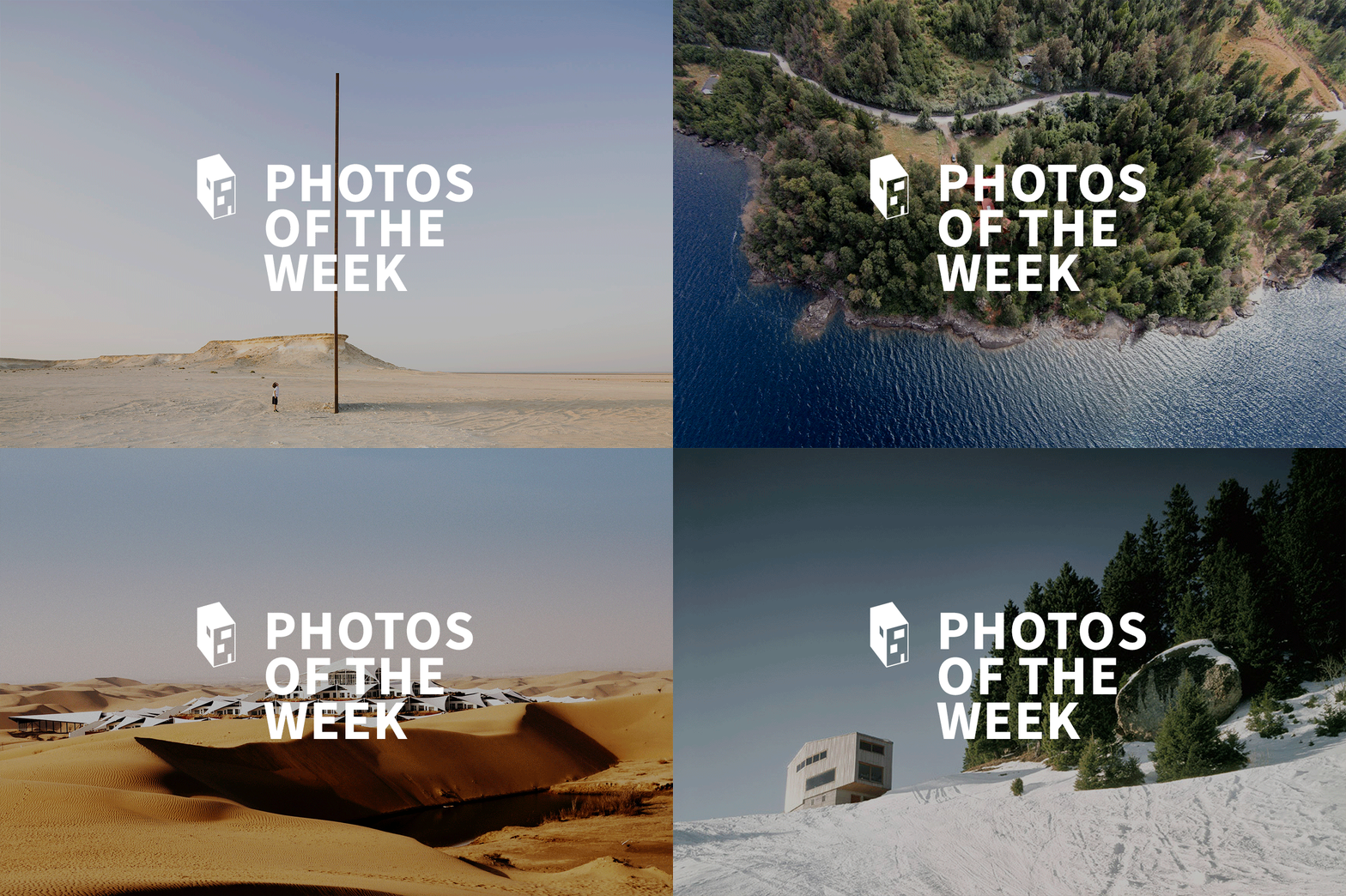
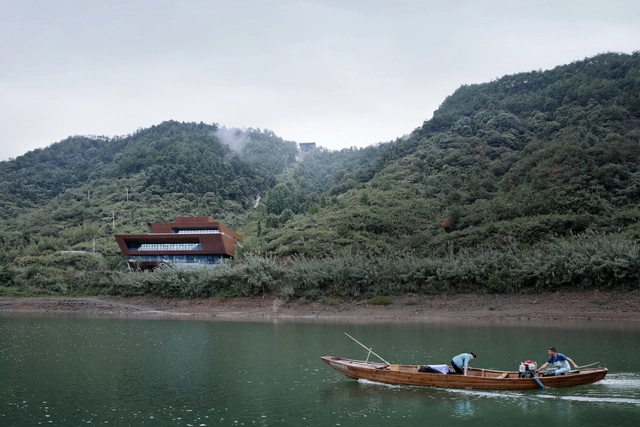
Architecture is always a reflection on how to interact with and relate to nature. Some architects show a preference for distinctive shapes and materials that contrast with the landscape, while others prefer to mimic the surroundings with organic works. But regardless of the techniques employed, architecture has reached the most remote and incredible places on the planet. Below is a selection of 16 images which show the combination of architecture and landscape by prominent photographers such as Su Shengliang, Sergio Pirrone and Valentin Jeck.
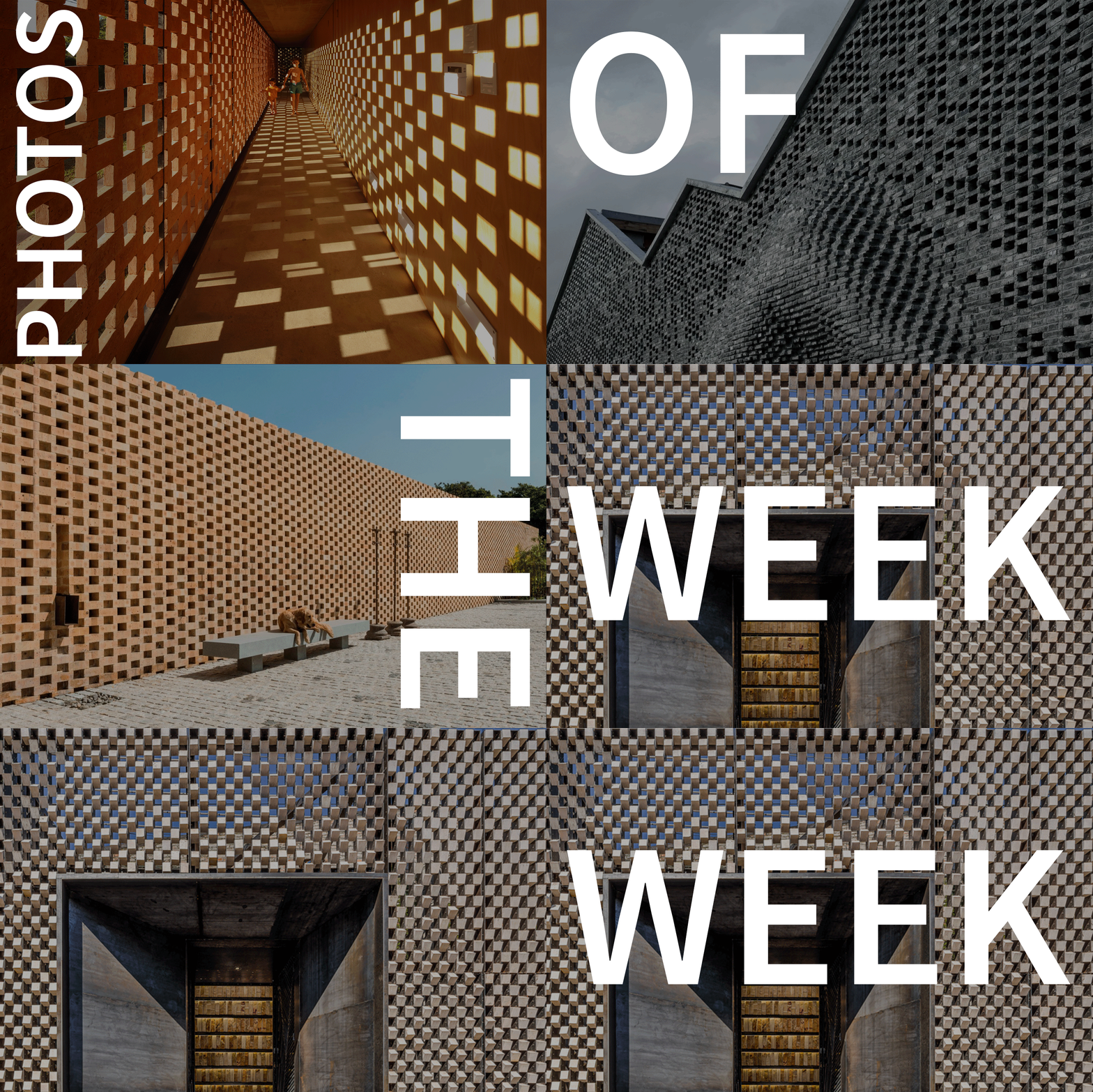
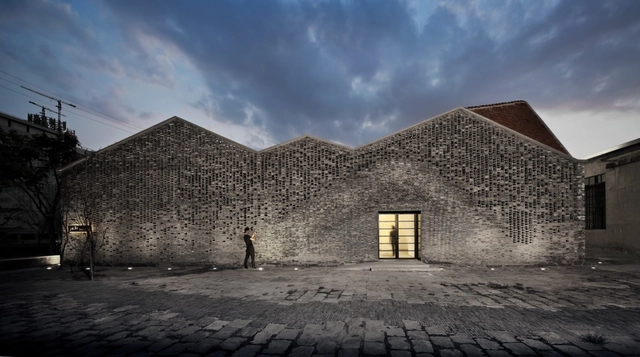
It can't be denied that architects love brick. The material is popular both for its warmth and for the diversity of expressions that can be achieved by applying it in a creative way—depending on the arrangement of individual bricks or the combination of bonds, it’s possible to arrive at a result that is both original and attractive. That ingenuity is what photographers like Hiroyuki Oki, Gustavo Sosa Pinilla, and François Brix, among others, have attempted to capture in their photographs. In these images, light is a key element of good composition, allowing the photographers to control the intensity of color and the contrast of masses and voids, as well as enhancing the incredible textures of the brick we love so much.
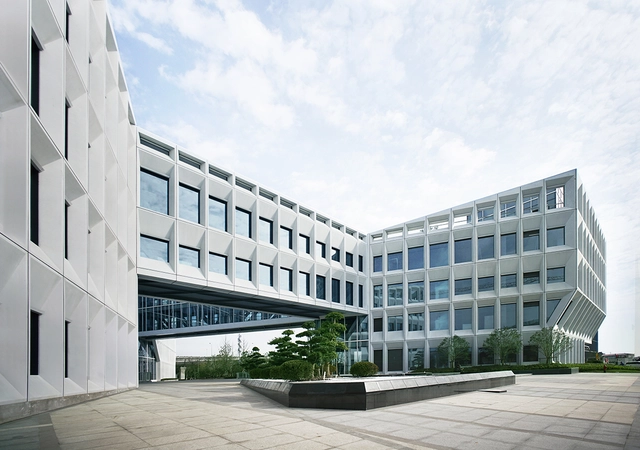
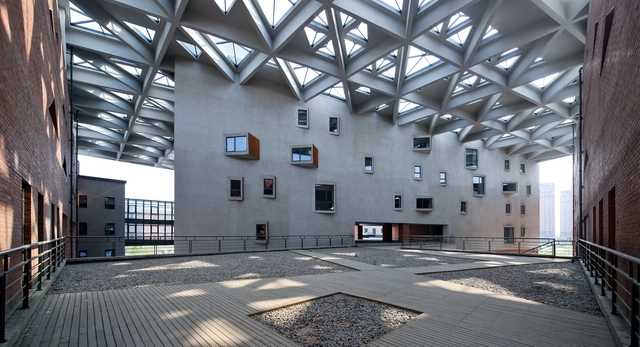

Designing a museum is always an exciting architectural challenge. Museums often come with their own unique needs and constraints--from the art museum that needs specialist spaces for preserving works, to the huge collection that requires extensive archive space, and even the respected institution whose existing heritage building presents a challenge for any new extension. In honor of International Museum Day, we’ve selected 23 stand-out museums from our database, with each ArchDaily editor explaining what makes these buildings some of the best examples of museum architecture out there.
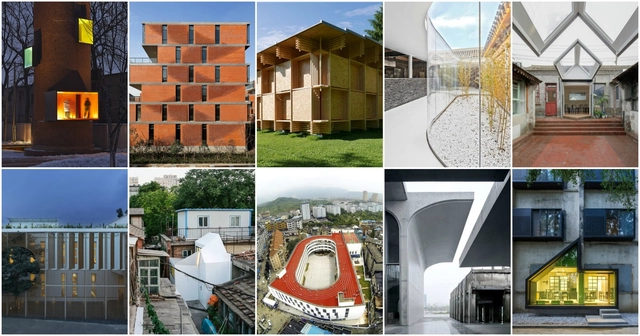
2016 has been a momentous year for Chinese architecture. From the completion of the Harbin Opera house by MAD to the Aga Khan Awards recognizing Zhang Ke of Standard Architecture for his micro-scale design of the Hutong Children’s Library and Art Centre in Beijing. It seems the general perception of Chinese architecture has finally moved beyond the big, weird and ugly.
Since we’ve started to branch out into China, the ArchDaily China team has been able to discover the rich layers beyond just these rising Chinese stars. As part of the country's large-scale urbanization process, last year, we posted some of the large-scale projects designed by China’s (largely unknown) Design & Research institutions such as train stations and cultural centers.
In addition, we’ve also come across a series of smaller, lesser known, younger practices that focuses more on small-scale experimental work. Here are our top ten favorites:


_by_CreatAR.jpg?1498758162&format=webp&width=640&height=580)
_by_CreatAR.jpg?1498756982&format=webp&width=230&height=230&crop=true)
_by_CreatAR.jpg?1498757916&format=webp&width=230&height=230&crop=true)
_by_CreatAR.jpg?1498757033&format=webp&width=230&height=230&crop=true)
_by_CreatAR.jpg?1498757088&format=webp&width=230&height=230&crop=true)
_by_CreatAR.jpg?1498758162)


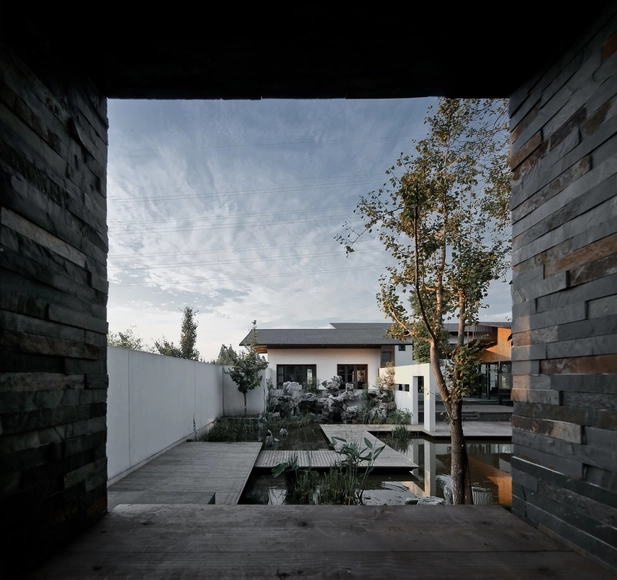


.jpg?1480319636&format=webp&width=640&height=580)
.jpg?1480319912&format=webp&width=230&height=230&crop=true)
.jpg?1480319963&format=webp&width=230&height=230&crop=true)
.jpg?1480319262&format=webp&width=230&height=230&crop=true)
.jpg?1480318959&format=webp&width=230&height=230&crop=true)
.jpg?1480319636)


