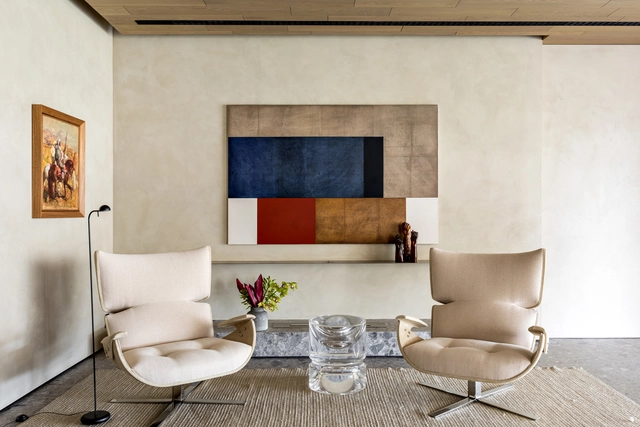
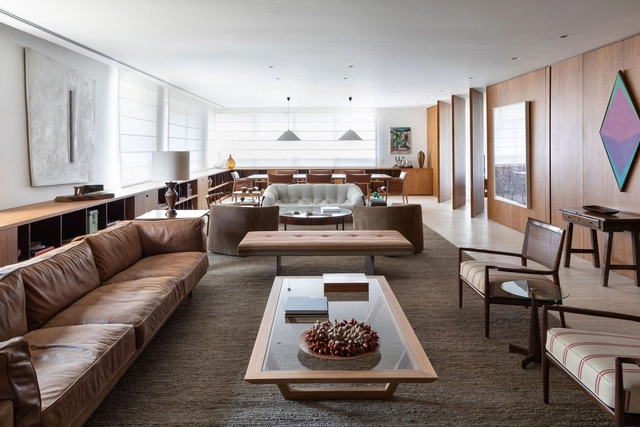
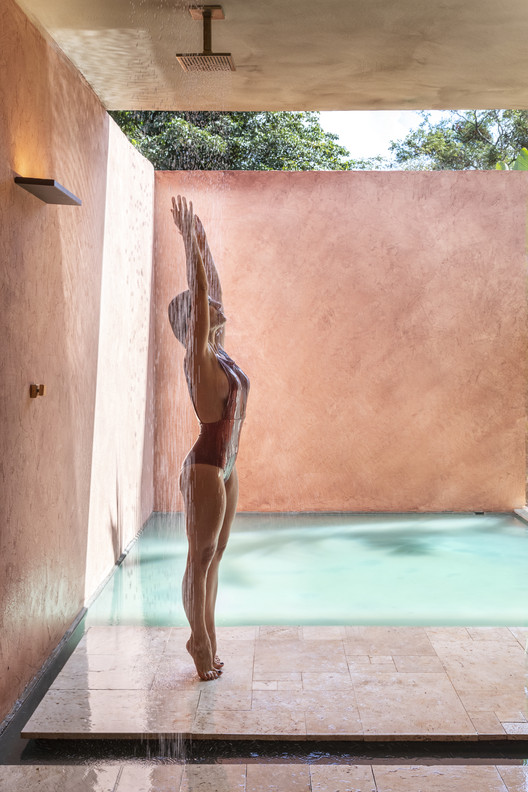
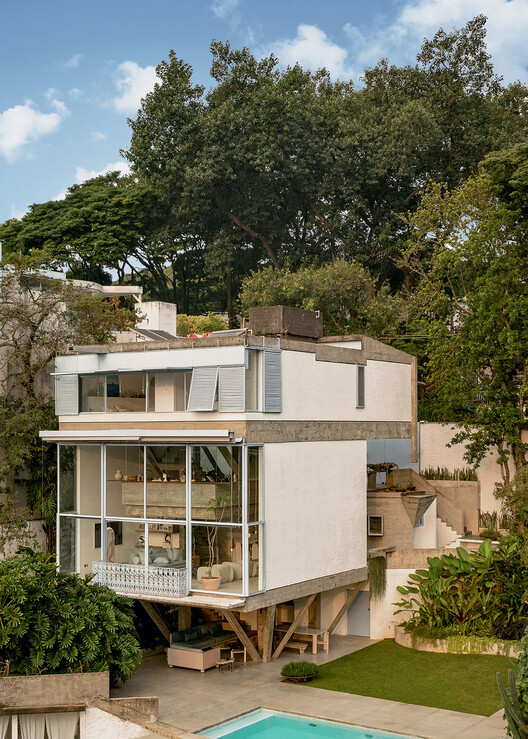
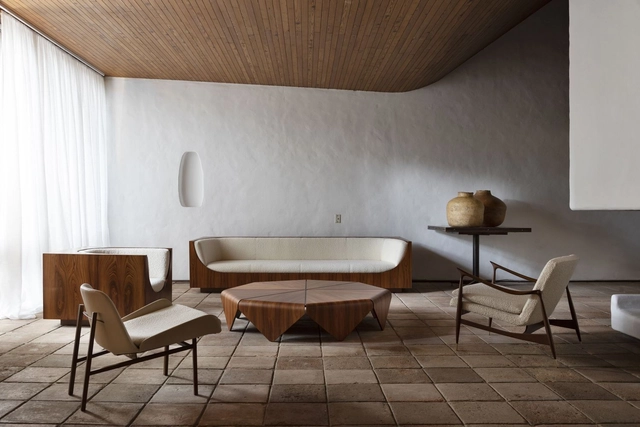
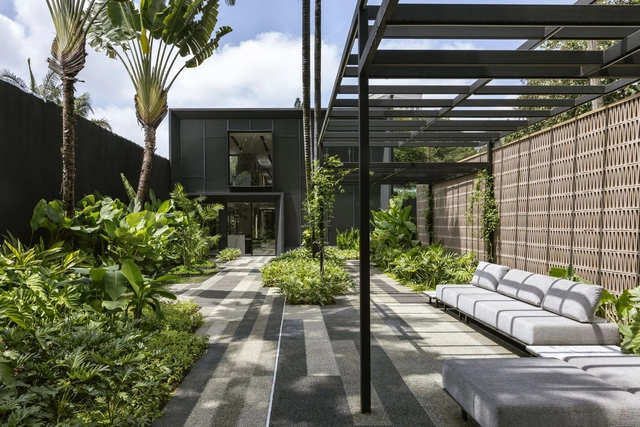
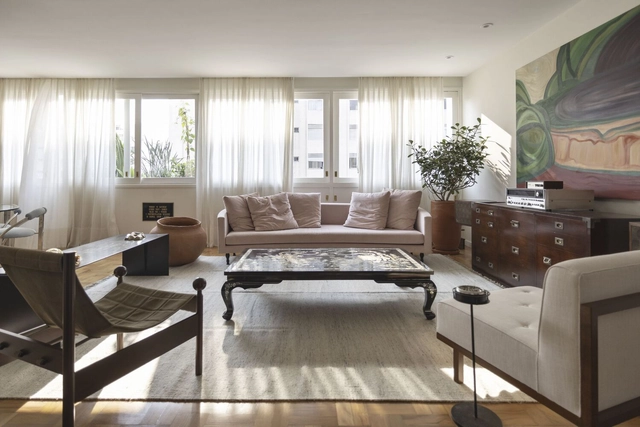
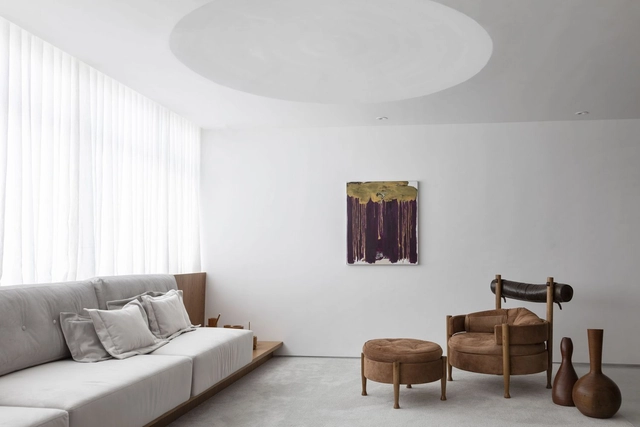
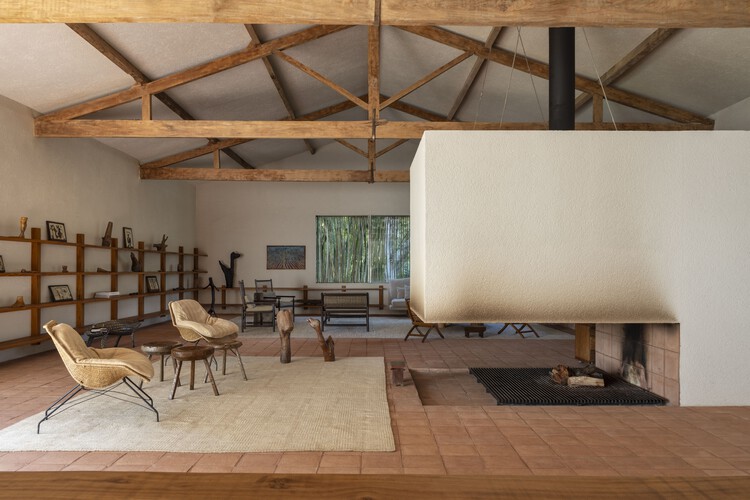
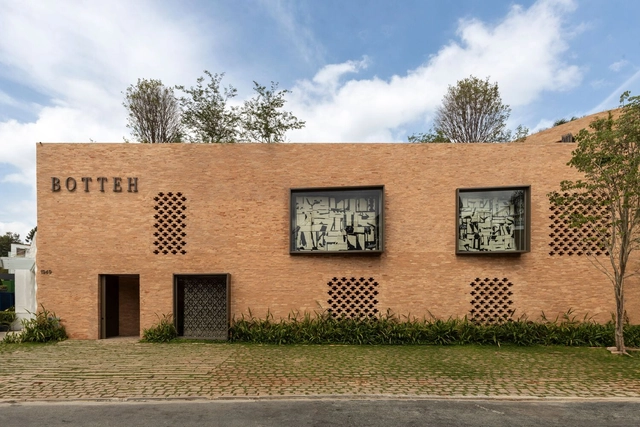
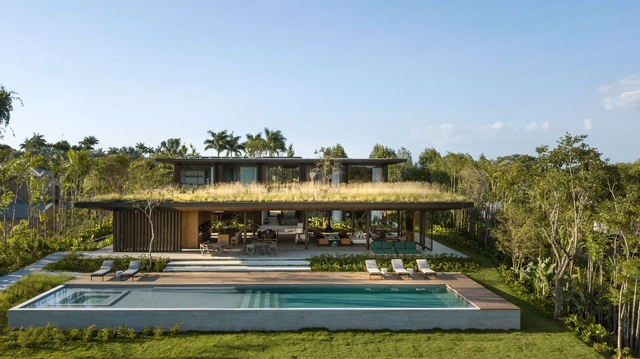
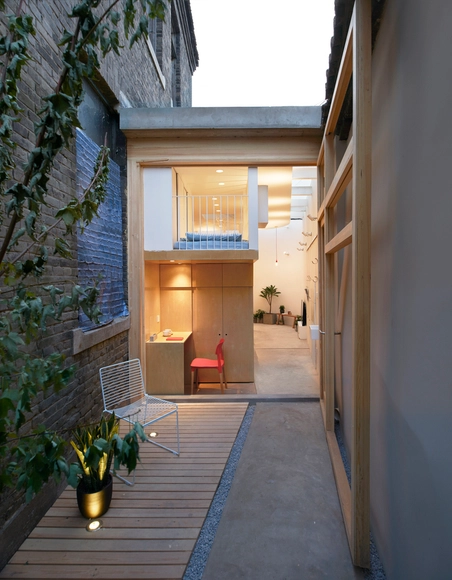
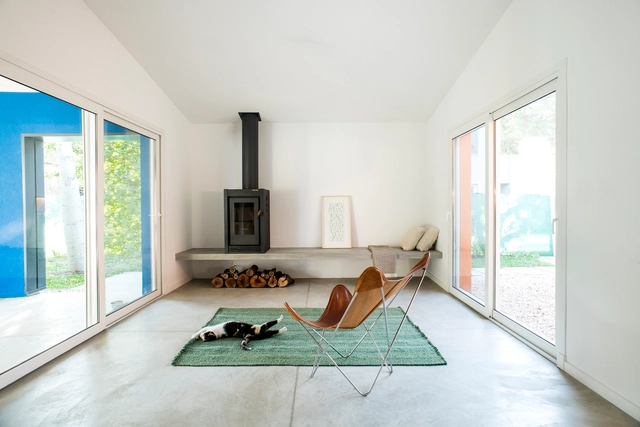
The determination of focal points in the environments offers dynamism, personality and activates internal and external environments from the enhancement of decorative objects or construction elements. Here are some examples for you to understand what it is and how to use it in the design and decoration of your home.
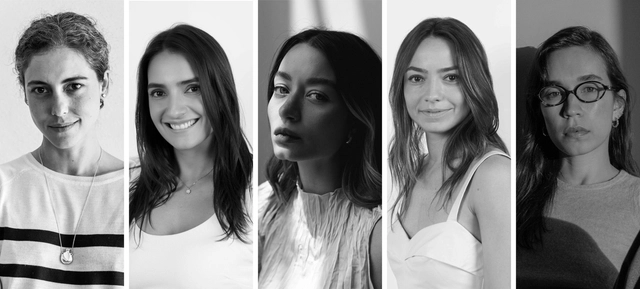
Pia Quagliato, Giovana Giosa, Luiza Giurni, Amanda Castro and Gabriela Mestriner. Courtesy of Vestigare Agency
Architecture is shaped as much by the materiality of physical spaces as by how they are perceived, discussed, and recorded. Architectural discourse, along with its mediation and representation, is inseparable from the act of design, as it defines a project's reach and longevity over time.
Driven by this understanding, Vestigare Agency emerged not only as a social media agency tailored to architecture and design, but also as a platform for architectural curation and a bridge between architects and the wider public. Founded and led by Luiza Giurni, the platform has established itself as a new communication vehicle in contemporary architecture. Among its various partnerships, it highlights a collective effort built on collaboration with female architects.
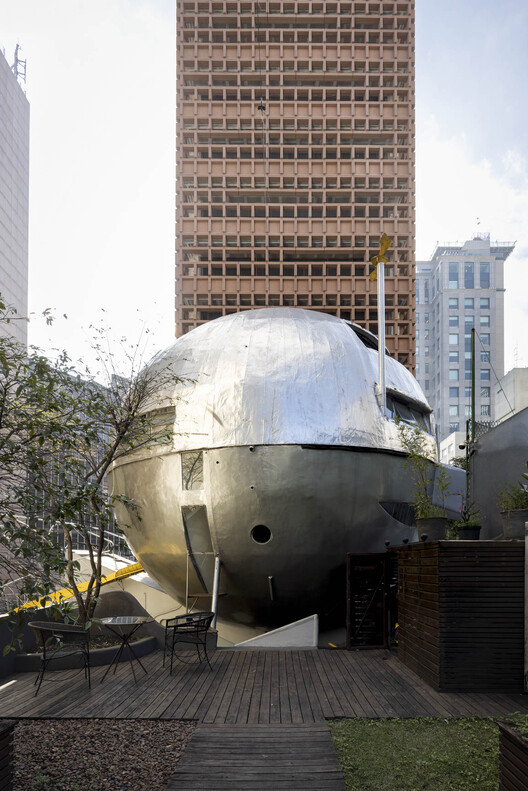
From 7 March to 31 May 2026, Brazilian architect Eduardo Longo's Casa Bola will open to the public for the first time. The futuristic ball-shaped house in São Paulo will host one of the two parts of the ABERTO5 exhibition, alongside a project on Faria Lima, a major avenue at the heart of the city featuring landmarks by architects such as Ruy Ohtake and Isay Weinfeld. Founded in 2022, ABERTO is an exhibition platform that promotes the encounter of architecture, art, and design in Brazil and internationally. After its first international exhibition at Maison La Roche in Paris, ABERTO returns to São Paulo for its fifth edition, presenting over 60 art and design pieces by 50 Brazilian and international artists. According to architect and curator Fernando Serapião, Casa Bola represents one of the most radical works of Brazilian architecture, challenging conventional domestic space and reflecting Eduardo Longo's experimental vision for housing.
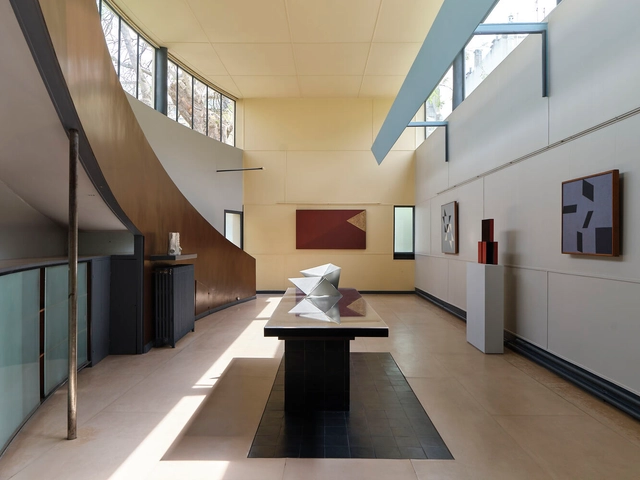
Founded in 2022 by art advisor Filipe Assis, ABERTO is an exhibition platform celebrating the convergence of art, design, and architecture in Brazil and beyond. Staging exhibitions in private and public modernist spaces, its past editions have highlighted the global connections forged by Brazilians from the 20th century onwards. Following three exhibitions in São Paulo, "ABERTO 4 – Brazil After Le Corbusier" marks its first international edition, taking place at Le Corbusier's Maison La Roche in Paris, from 14 May to 8 June 2025. The exhibition presents around 35 design and art pieces by Brazilian artists, spotlighting Le Corbusier's seminal connection to Brazilian modernist architecture and exploring his influence on contemporary Brazilian creatives. Previous editions of ABERTO have featured over 100 artists from Brazil and abroad in houses designed by Oscar Niemeyer (2022), Vilanova Artigas (2023), and Ruy Ohtake and Chu Ming Silveira (2024).
One of the most essential aspects of interior design is lighting – an element that can make or break an interior space of any size or material. Yet good lighting can be especially important for smaller or more crowded spaces, making them feel larger and more open even when their literal dimensions haven’t changed. In turn, larger spaces with poor lighting may feel smaller and less welcoming than they have the potential to be. To make interiors feel aptly large and well lit, designers can rely on several tried and true methods that make the most of a space, from using the right shades and types of lights to placing them in the best locations to integrating other elements that best complement existing lighting. These strategies, as well as several examples of their application, are listed below.
https://www.archdaily.com/947631/how-to-virtually-enlarge-spaces-using-good-lightingLilly Cao
Originating as protection against low temperatures around 3,500 years ago, carpets and rugs have, over time, evolved into a true art form, reaching a high level of specialization by the 16th century. Rugs, carpets, and tapestries of various shapes, colors, textures, and patterns are integrated into different areas of the home to meet users' needs and enhance spatial comfort, sometimes extending far beyond their original purpose.