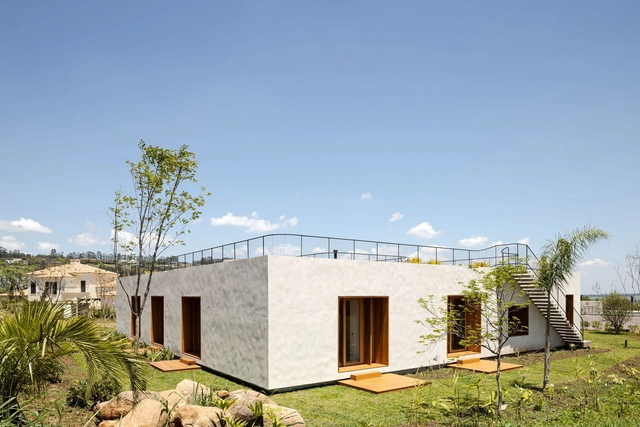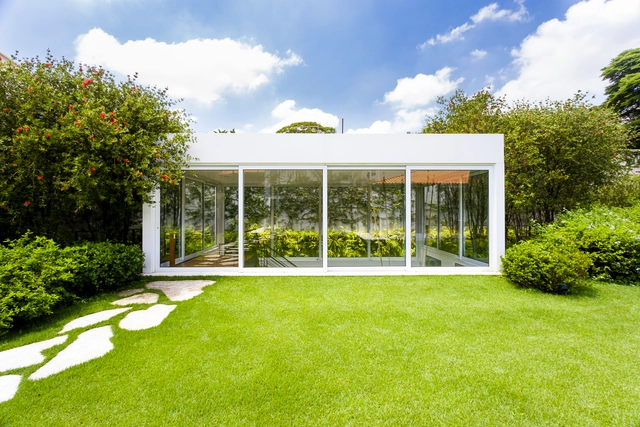


-
Architects: BZP Arquitetura
- Area: 105 m²
- Year: 2015
-
Manufacturers: Assistec, Eit Eccellenze Italiane, Pagliotto, Snaldi, Systemac Sistemas Construtivos

Architecture is shaped as much by the materiality of physical spaces as by how they are perceived, discussed, and recorded. Architectural discourse, along with its mediation and representation, is inseparable from the act of design, as it defines a project's reach and longevity over time.
Driven by this understanding, Vestigare Agency emerged not only as a social media agency tailored to architecture and design, but also as a platform for architectural curation and a bridge between architects and the wider public. Founded and led by Luiza Giurni, the platform has established itself as a new communication vehicle in contemporary architecture. Among its various partnerships, it highlights a collective effort built on collaboration with female architects.
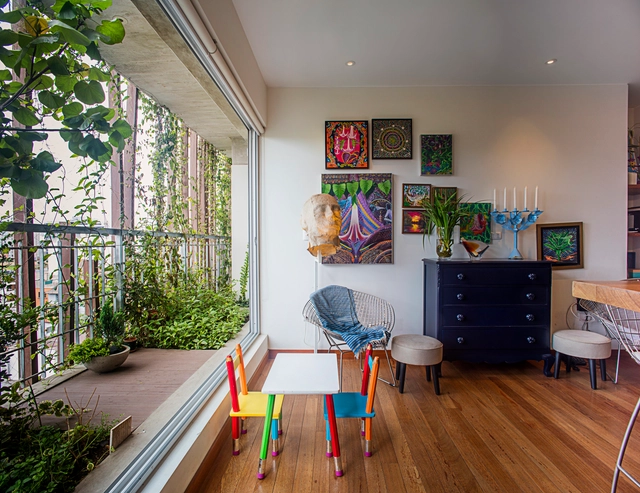
Urban living has become synonymous with limited space and creativity for compact apartments. As cities become more dominated by concrete and steel, there is an exciting, yet unsurprising, rise in interest in embracing the green thumb, even within the constraints of a dense urban environment. This interest is not purely to tend aesthetic tastes, as studies consistently show that exposure to nature reduces stress, improves focus, and enhances overall well-being. However, in dense urban environments, the challenge lies in finding innovative ways to make this vision a reality for apartments where every inch matters.

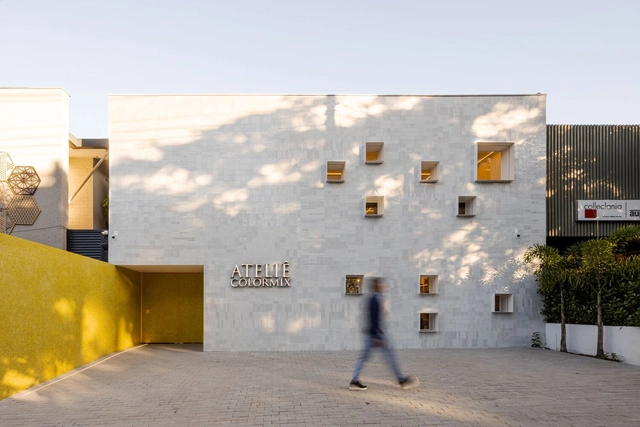

In recent years hair salons and barbershops have begun to incorporate different activities - a programmatic hybridization almost necessary in today's service economy.
Several architects have been commissioned to propose alternatives to the standard beauty salon/barbershop to not only address an efficient configuration but stunning interior aesthetics.
Take a look at 10 barbershops and beauty salons with their plan and section.
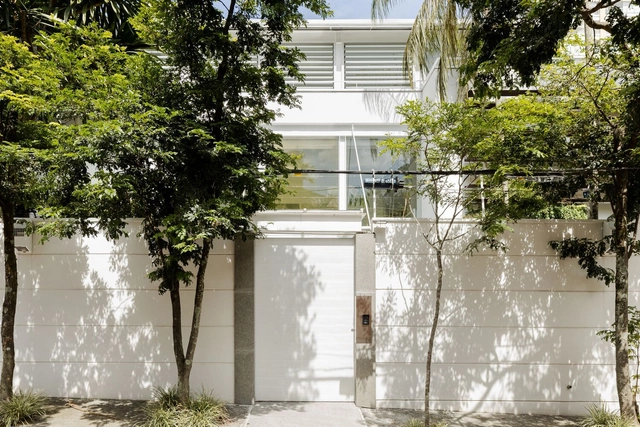

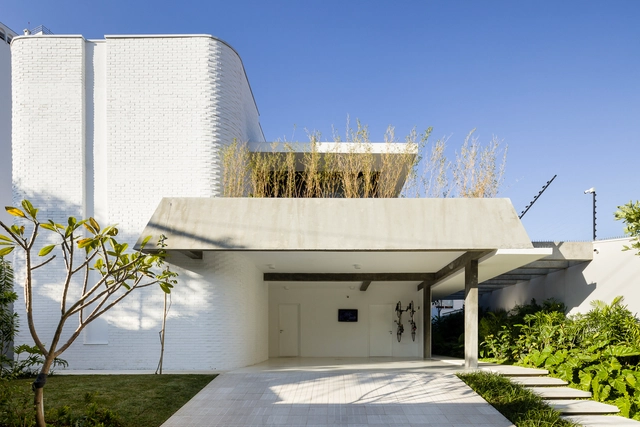
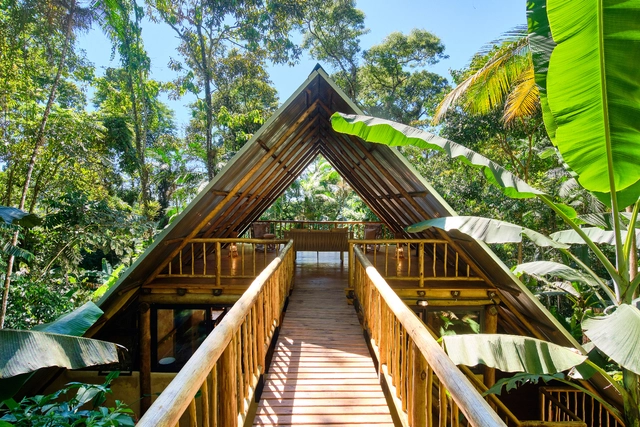
In addition to their primary function, roofs are one of the most fundamental elements in the aesthetics of a building, taking different shapes, being composed of different structures and sealed by different materials. But, in addition to aesthetics, roofs need to meet the climatic conditions of where they are located, considering the periodic changes related to rain, sun and winds.
Wallpapers can be quite controversial. They can be typical of old-fashioned and antiquated homes, but at the same time, they can also add personality to otherwise dull spaces. One of the best parts of using these elements is that they can be quickly installed, and with relatively low costs. This also means that they aren't very long-lasting, and can therefore be quickly discarded and replaced, making them transient decoration items. As Joanna Banham—a researcher on wallpapers—states, “Wallpaper is often regarded as the Cinderella of the Decorative Arts – the most ephemeral and least precious of the decorations produced for the home. Yet, the history of wallpaper is a long and fascinating subject that dates back to the 16th century and encompasses a huge range of beautiful patterns created both by anonymous hands and by some of the best-known designers of the 19th and 20th centuries.” Today we are seeing another wallpaper resurgence, with numerous options of materials, patterns, and colors, and several examples of architects who have used them creatively in their projects. In this article, we go through the history of wallpapers and some of the current alternatives on the market, by diving into the Architonic catalog.
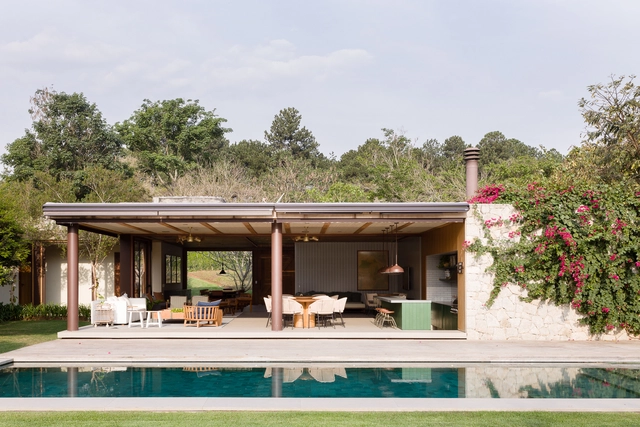
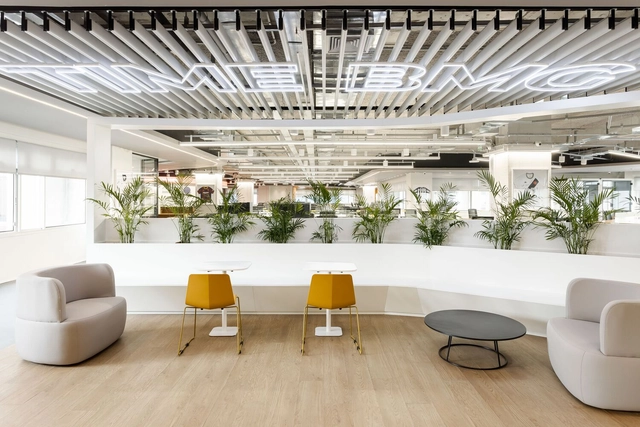
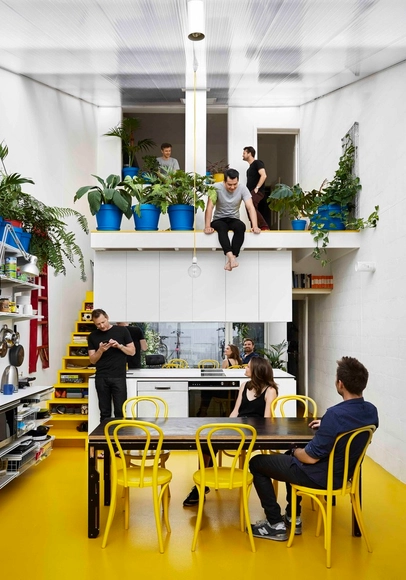
Not every architectural project can incorporate a landscaping project, consider a garden or access to ample green space. Smaller spaces need more creative strategies to incorporate vegetation. Regardless of the context, plants offer benefits in all types of spaces, such as indoor temperature regulation, an option for sustainable production on a smaller scale than a greenhouse, in addition to their aesthetic qualities. In this article, we present 4 simple strategies and a selection of examples for incorporating plants in small-scale spaces, all of which can be found in Architonic's Planting section.
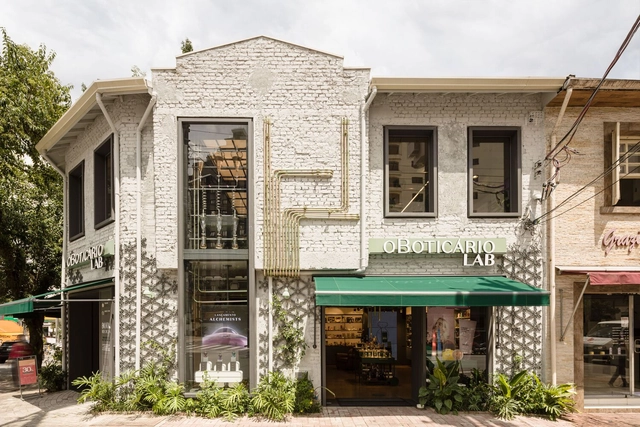
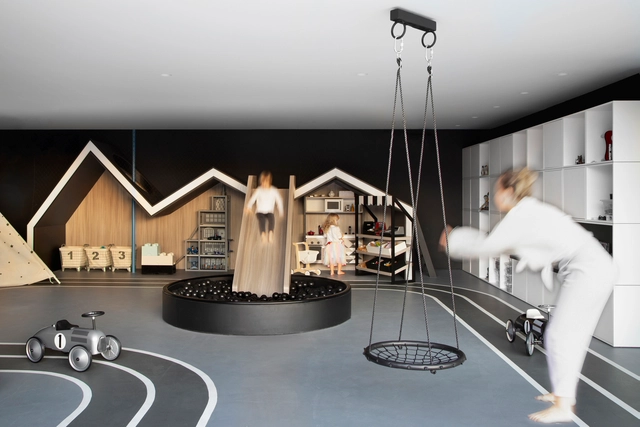
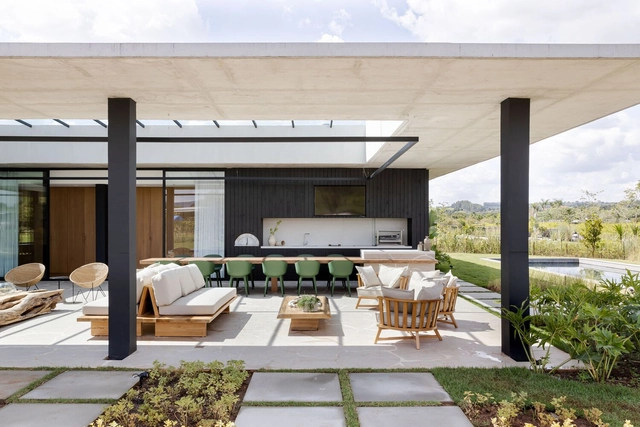
Beyond viewing the home as mere shelter and protection, there is now a much greater complexity of functions integrated into the elementary programs of dwelling. We no longer think only of spaces for sleeping, cooking, and bathing, but rather of a series of new programs that demand new spaces and configurations. Among these, leisure emerges as an activity integrated into living, in the form of backyards, swimming pools, and TV rooms.